

Dis Donc: organic champagne importer Netherlands
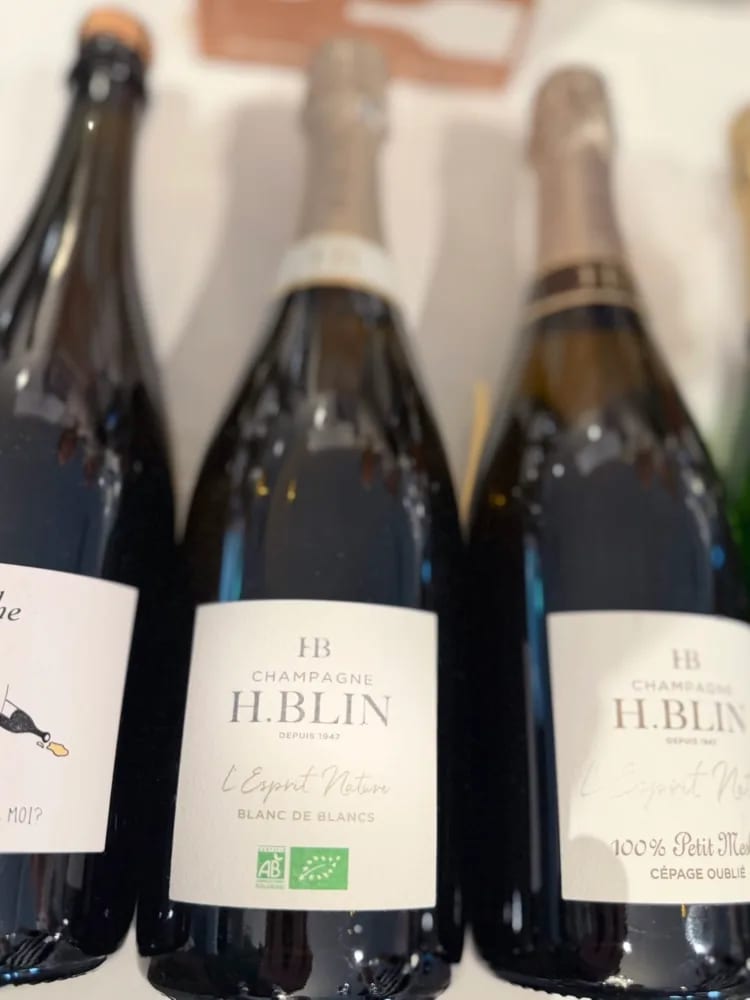
Dis Donc imports nine organic and biodynamic champagne families to the Netherlands. Sixty-four cuvées, one Dutch founder, no grandes marques.
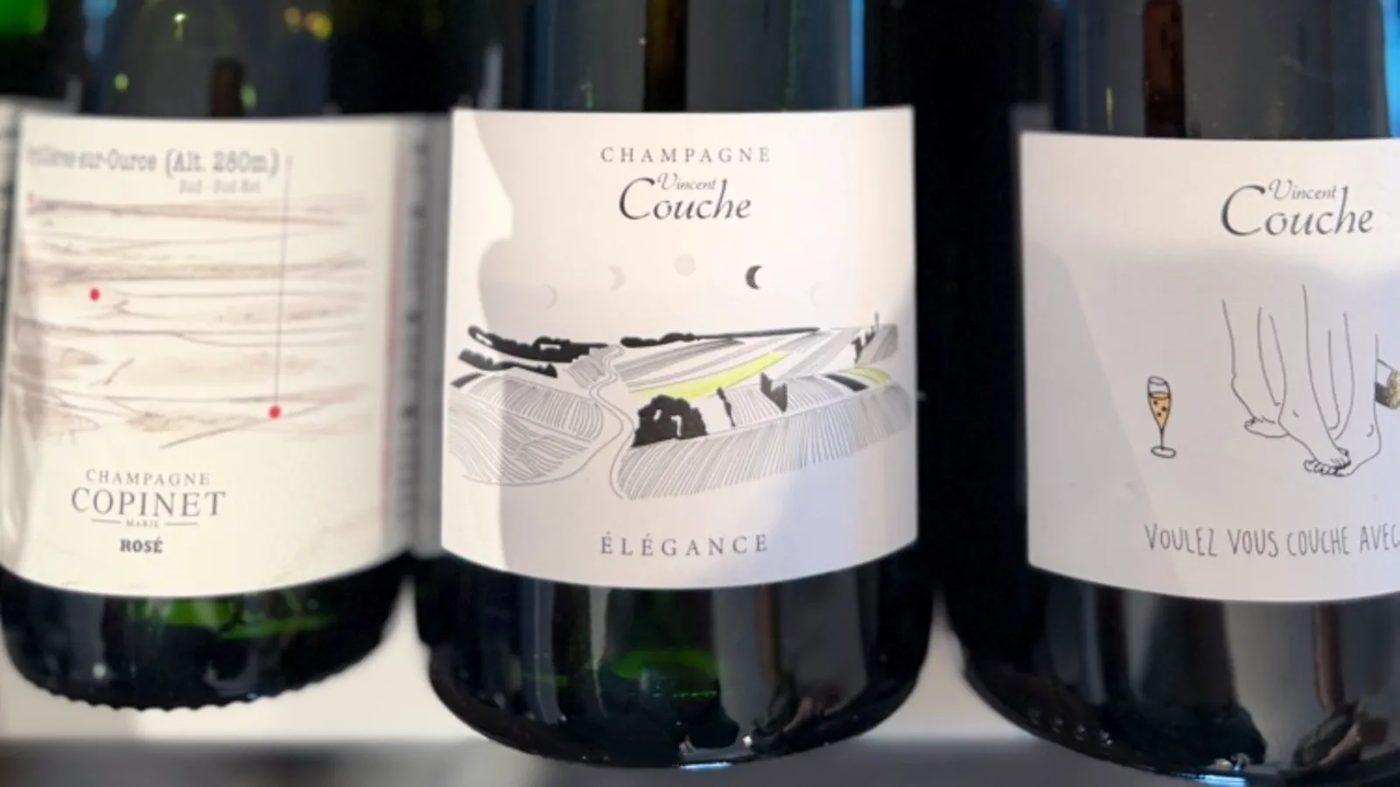
Nine families. Sixty-four bottles. One table that flips the whole logic of champagne import. Jaqueline Smit had her Dis Donc stand at ViniBio 2026 set up so you did not know where to start. Not from excess. From depth.
No big houses. No brand names you know from duty-free. Just small growers who harvest their own grapes, make their own wines, and bottle under their own labels. All organic or biodynamic.
Specialisation as strategy
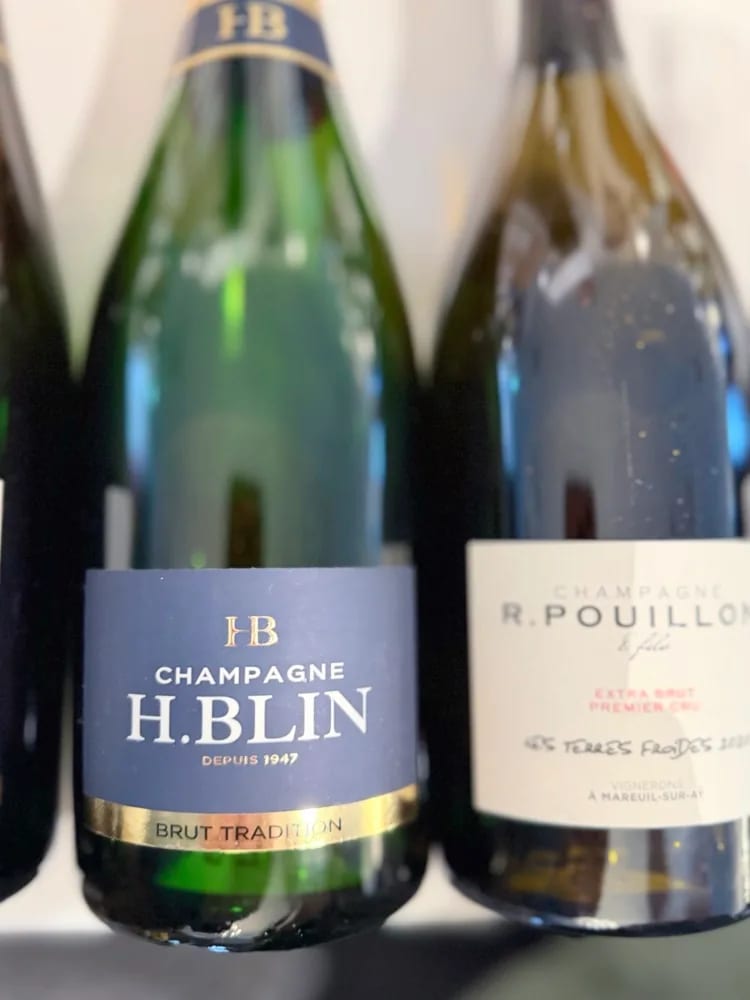
In the Dutch champagne market, that is a statement. The average importer leans on recognisability. Dis Donc does the opposite. Nine producers, each with their own signature, all in the same philosophical line: terroir, transparency, and farming that matters.
Sixty-four cuvées gives a buyer what the grandes marques cannot deliver: choice inside consistency. A Blanc de Blancs from the Côte des Blancs. A Blanc de Noirs from the Montagne de Reims. A single-vineyard pinot meunier from the Vallée de la Marne. All from producers who know their land deeply.
This is not a niche game. It is positioning. Anyone who wants to offer this category in a restaurant, wine bar, or wine shop gets a complete grower champagne library through Dis Donc without competing with the next door.
The organic question
Champagne and organic were not a logical pairing for a long time. The climate in Champagne is humid, fungal pressure is high, and historic herbicide use has been heavy. Until 2014 the entire AOC even had exemptions for synthetic chemicals banned elsewhere.
That has tipped. Since the mid-2010s organic and biodynamic conversions have grown. Not from marketing. From necessity. Soil health drops under intensive chemical pressure. Climate change demands vines that can carry drought, disease and vintage variation themselves. Organic farming is no longer a luxury. It is a survival strategy.
Dis Donc has that pivot at the source. Nine families, all organic or biodynamic certified. No conversion stories, no half measures. The choice is made.
What sets Jaqueline apart
A female founder in a market still oriented around male identity. That is not a sales argument in itself, but it says something about how Dis Donc operates. Personal relationships with producers. No anonymous containers. Vineyard visits. Negotiating on equal terms.
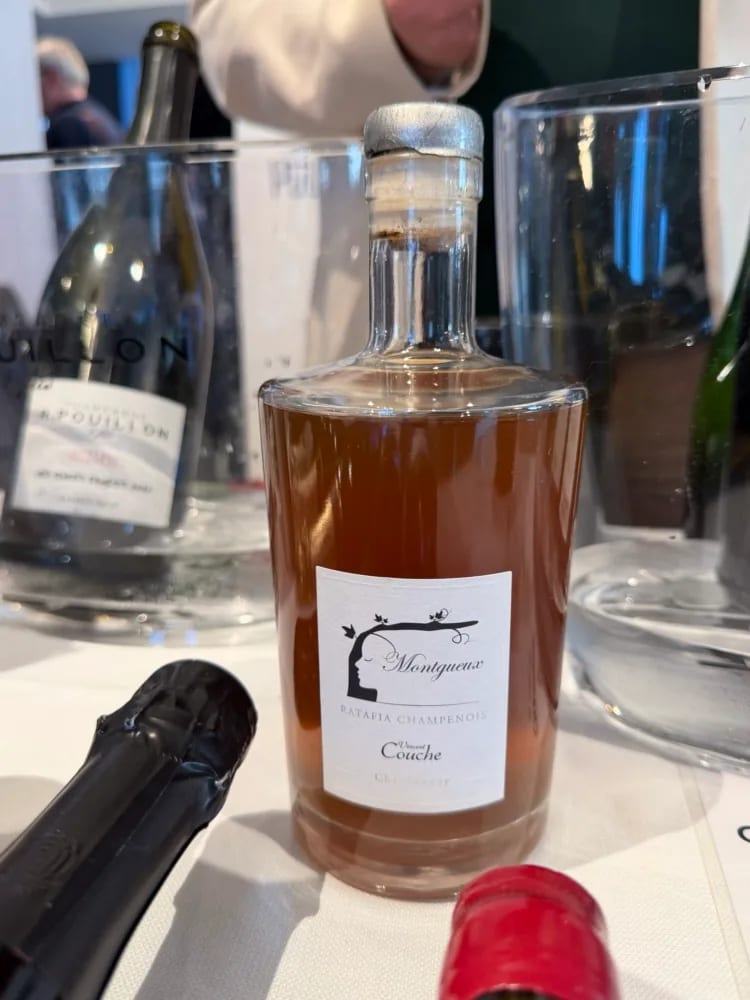
You see it in the portfolio. No “entry-level champagne” as filler volume. Every bottle on the table, Jaqueline could explain from producer down to parcel. Anyone who spoke to her at the table got the vineyard included in the conversation. That is exactly what a serious buyer wants and what the large houses, however good, cannot give.
For anyone combining this approach with Champagnist’s grower route, a Dutch infrastructure for organic bubbles emerges that did not exist five years ago. The ViniBio 2026 overview puts that development into context.
The verdict
Dis Donc is not an entry point for anyone new to champagne. It is the best next step for anyone wanting to move past the houses without compromising on quality. Nine organic families is not many. It is exactly enough.
For restaurants, sommeliers and wine bar owners who want to deepen their champagne offer without calling six different importers, Dis Donc is exactly what the market needed. An organic champagne importer Netherlands that covers the whole category.
Contact: Jaqueline Smit Website: disdonc.nl
Sources
Tasted at ViniBio 2026, the Dutch trade fair for organic wine, on 2 March in Amsterdam. No partnership with the imported producers.
ViniBio 2026 deep-dives
Other articles from the ViniBio 2026 cluster:
More on Wine Review

De Boe Rosé Brut 2024: Eleven Months Change It
The second Zeeland sparkler from Wijndomein De Boe spent eleven months on the lees instead of nine. What that changes, and what the label still overstates.
Read on →
Cecchi Lobelia 2025 review: the prettiest bottle
A peacock printed on the glass, papaya in the glass and 9.29 euros on the tag. What the Cecchi Lobelia 2025 delivers, and where it stops.
Read on →
Cantina Tramin Troy Riserva 2022: Alpine Burgundy
Cantina Tramin Troy Riserva 2022, a Chardonnay from Alto Adige that leans toward Burgundy. Creamy, taut and exciting. My tasting note on the flagship white.
Read on →