

Cecchi Lobelia 2025 review: the prettiest bottle
A peacock printed on the glass, papaya in the glass and 9.29 euros on the tag. What the Cecchi Lobelia 2025 delivers, and where it stops.

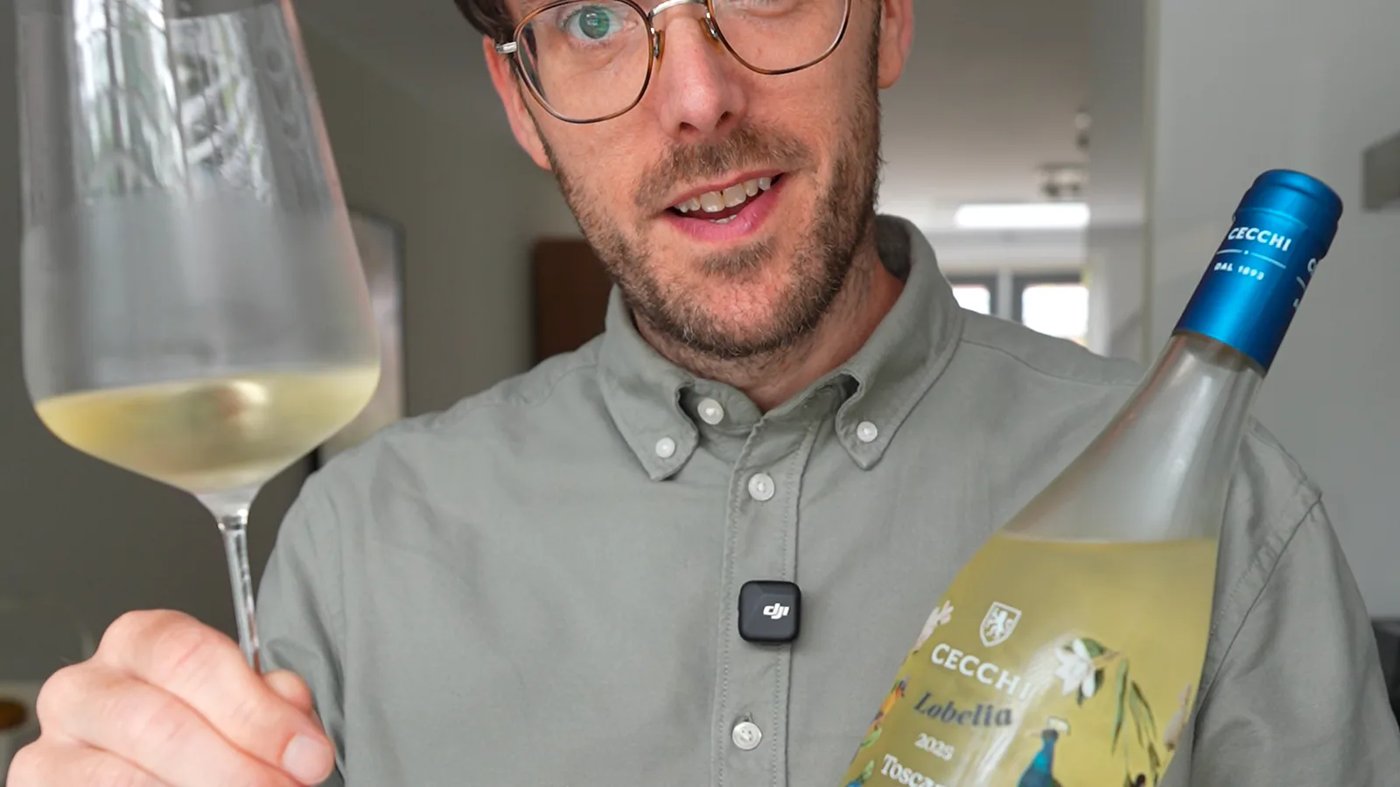
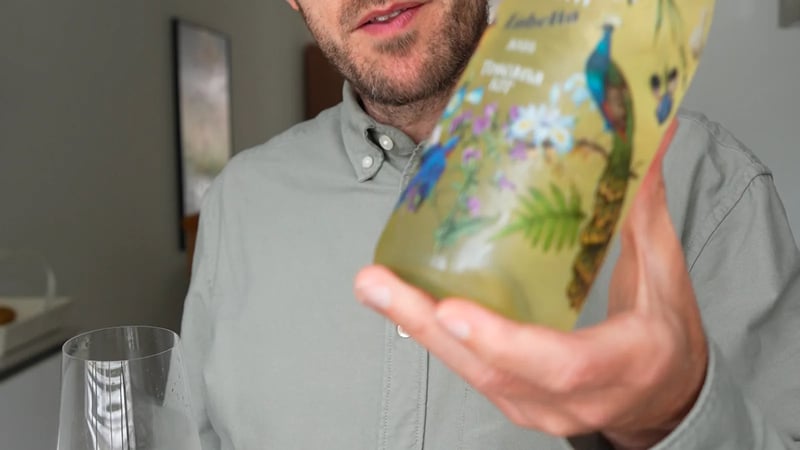
There is a peacock on the bottle, printed straight onto the glass, between flowers and trailing stems, in colours you would sooner expect on wallpaper than in a wine aisle. There is no label at all.
The bottle stood on my table for three days before I opened it. That rarely happens with a 12 percent white that clearly was not built to be thought about.
Cecchi sent me the Lobelia 2025 as a press sample. No payment, no agreement about what I write.
Same house, different register
I know Cecchi from the other end of their range. Their Super Tuscan, Coevo, took me an afternoon to write up. For Sparks I talked to Miria Bracali, twenty six years the chief winemaker in Castellina in Chianti, about pulling that wine back from four grapes to two.
Lobelia comes from another drawer entirely. Trebbiano, vermentino and chardonnay, Toscana IGT, three months on the lees, 12 percent alcohol, 15,000 bottles. Three months on the lees is short, just enough for a little weight in the mouth without costing the wine its freshness. No oak, no waiting, no story about single parcels.
Most of the fruit comes from the Maremma, the coastal strip of Tuscany where the sea breeze keeps the nights cool. That is exactly what a blend like this needs: ripe fruit that still holds on to its acidity.
Tasting Note
Appearance
Straw yellow with a light shimmer, a shade deeper than 12 percent would suggest.
Nose
Something happens here that the technical sheet never promises. Papaya, mango, pineapple: tropical fruit that jumps out of the glass. Underneath sit orange blossom and jasmine, a vanilla pod, and a coconut edge that keeps your nose searching. The official profile talks about white flowers and citrus. Both are present, but they queue behind the tropics.
Palate
Juicy and fresh, with a fruit bowl that keeps unpacking itself: citrus, orange, apple, pear, a touch of lychee, even cherry and strawberry, a hint of raspberry. Soft in texture, with a slightly bitter turn at the end that stops the wine from tipping into sweetness.
Finish
Clean and fresh, with decent length. The fruit stays. The complexity does not.
Quality
An excellent aperitivo wine. Made for the first hour of the evening, not the third.
Taste along
Where the wine stops
Twenty minutes in the glass adds nothing. What you taste in the first sip is what you get: plenty of fruit, few layers. For a terrace on a Friday afternoon that is the right trade. At a laid table with three courses it goes quiet after the starter.
One more thing worth stating plainly. The ingredient list at Dutch retailer Albert Heijn runs past grapes: concentrated grape must, ascorbic acid, citric acid, and carboxymethylcellulose or yeast mannoproteins as a stabiliser, bottled under protective atmosphere. None of that is forbidden or unusual at this price, and since the EU labelling rules came in you simply get to read it. It does explain why the wine tastes this smooth and this consistent. Anyone hunting for tension, or for something that moves in the glass, is holding the wrong bottle.
That bottle
The decoration is printed digitally onto the glass with organic inks. No paper, no glue, no heavy metals, which lets the bottle enter the recycling stream as a single material. Cecchi used the same approach last year for Calipte, their sangiovese rosato.
The joke is that it backfires in my kitchen. This bottle is not going into the glass bin, because it is now my water carafe. That slim shape, that blue cap. The most sustainable thing you can do with a bottle is not throw it away. Cecchi managed that, by design or by accident.
What you pay
At Albert Heijn it sits at 9.29 euros, and it drops into promotion regularly. In early August it dropped to 7.79, in July it went as low as 6.97. That 25 percent swing on an identical bottle is the buying rule here: put it on the list and wait for the offer, because outside promotion you pay for the artwork what the promotion charges for the wine.
Dutch wine guide De Grote Hamersma tasted it in March and scored it an 8. Their panel noted orange blossom, peach and citrus peel, plus that faintly bitter finish. My glass went considerably further into the tropics than theirs. That could be the bottle, the serving temperature, or simply a nose that picks up papaya faster.
- Producer
- Cecchi, Castellina in Chianti
- Wine
- Lobelia, Toscana IGT
- Vintage
- 2025
- Grapes
- Trebbiano, vermentino, chardonnay
- Origin
- Tuscany, fruit largely from the Maremma
- Ageing
- 3 months on the lees, no wood
- Alcohol
- 12%
- Production
- 15,000 bottles
- Price
- €9.29 (frequently on promotion)
Serve it at 8 to 10 degrees (Cecchi itself says 10 to 12), with antipasti, marinated vegetables, fried fish or a bowl of olives. Drink it this year. A 12 percent white with three months on the lees will not get more interesting next summer, only duller.
Where to buy
Buy it as a summer aperitivo wine, and buy it on promotion. The bottle itself will last for years.
Sources
- Primary source: Cecchi Lobelia 2025 technical sheet and Cecchi press release, March 2026, for grapes, ageing, production volume, alcohol and vintage conditions
- Additional: Albert Heijn product page, for price and ingredient list, accessed 31 July 2026
- Additional: De Grote Hamersma, tasting note and score of 13 March 2026
Frequently asked questions
What does Cecchi Lobelia cost and where can you buy it?
Nine euros twenty-nine at Albert Heijn. Price checked in August 2026.
Which grapes go into Cecchi Lobelia?
Trebbiano, vermentino and chardonnay, bottled as Toscana IGT. The fruit comes largely from the Maremma, the coastal strip where sea wind keeps the nights cool, so ripe grapes still hold their acidity. Three months on the lees, 12 percent alcohol, 15,000 bottles.
What food does this wine suit?
The first hour of the evening rather than the third. As an aperitif on a terrace it works, with plenty of tropical fruit and a fresh finish. At a laid table with three courses it falls silent after the starter: twenty minutes in the glass add nothing.
This article is based on a press sample from Cecchi, with thanks for sending it. No payment, verdict independent.
More on Wine Review
Barbadillo Jopo de Lobo: Organic Pedro Ximénez
Jopo de Lobo from Barbadillo: organic Pedro Ximénez from sun-dried grapes. Coffee, dark fruit, blossom. €15.95 for a half bottle of 0.375 litres.
Read on →
Barbadillo Salicornia: Organic Manzanilla en Rama
Salicornia, Barbadillo's organic manzanilla en rama: flor, baked apple, salt and a brand-new solera. €25.95 at Granada Wijnen, with discount code.
Read on →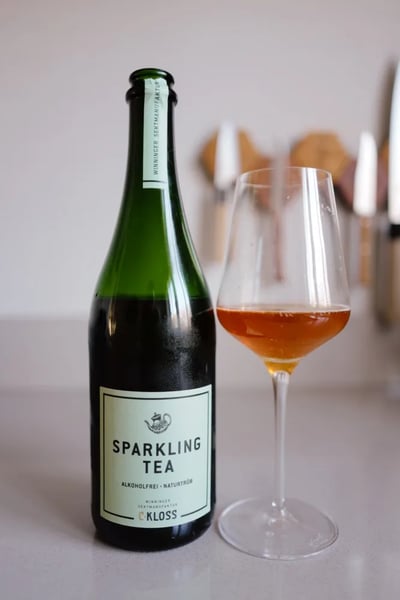
C. Kloss Sparkling Tea Weiss: Fermented Celery
Non-alcoholic sparkling tea Weiss from C. Kloss: linden blossom, nettle and fermented celery. Dry, 2.7 g sugar per 100 ml, €14.99 at Amavine.
Read on →