

Champagnist: grower champagne importer Netherlands
Champagnist imports grower champagne and biodynamic wine to the Netherlands. Plus Ruby Beet Ferment, an organic non-alcoholic alternative by Sven Leiner.
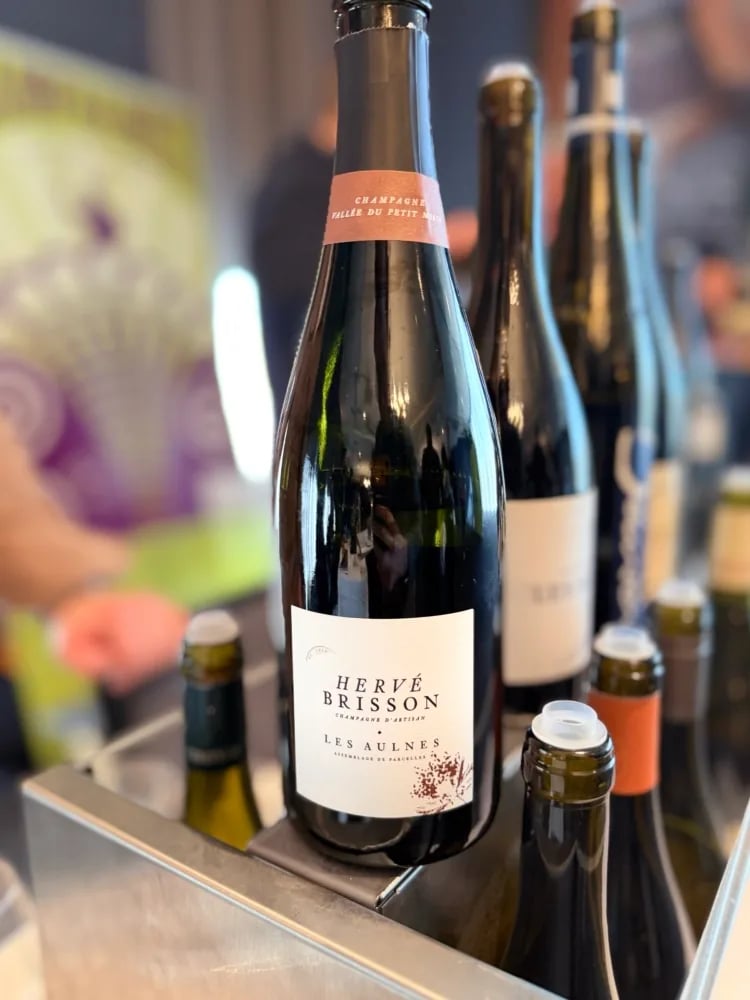
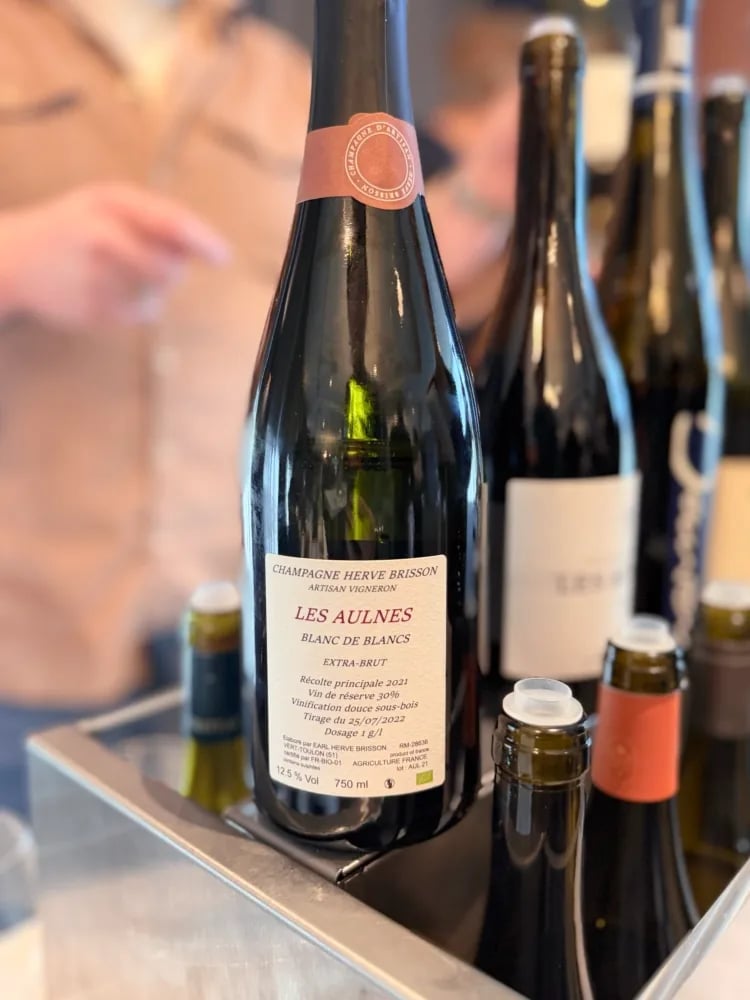
The bottle on the Champagnist table had a rose paper band around the neck. Champagne Hervé Brisson, Les Aulnes, Blanc de Blancs, Extra-Brut. Récolte principale 2021, 30 percent vin de réserve, dosage 1 gram per litre, aged under cork. No marketing copy. Just technical detail on a minimal label.
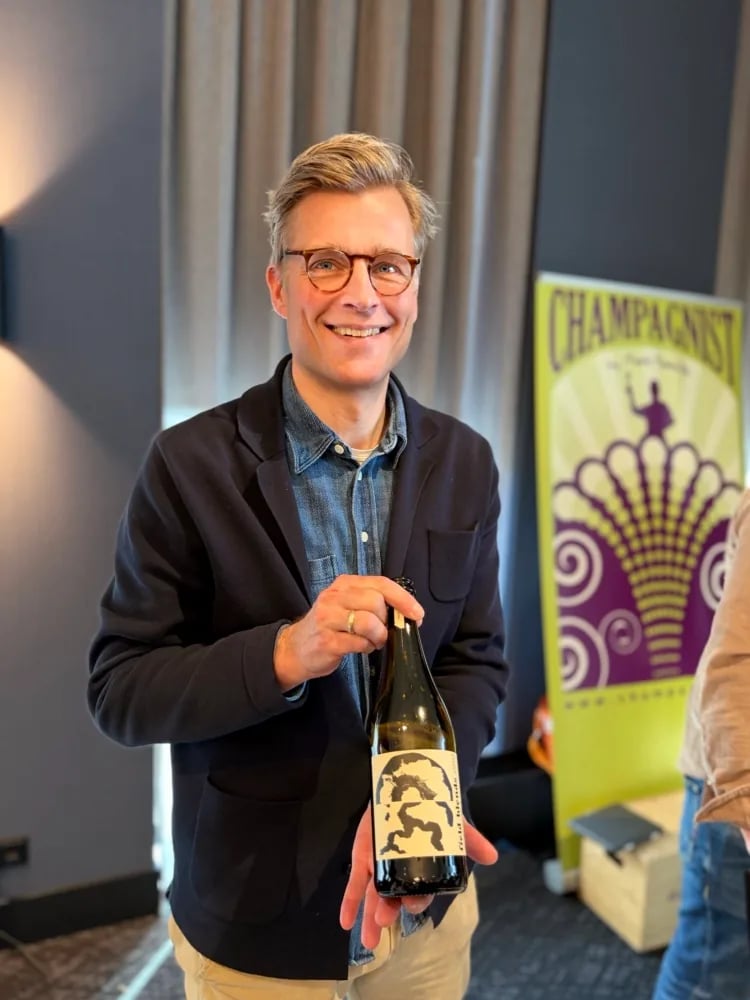
Mark Haasdijk and Rick van den Broek run Champagnist from the Netherlands. They import grower champagne and biodynamic wine from small producers across France. At ViniBio 2026 they showed their core portfolio plus a few wildcards that proved they pay attention to where the drinks category is actually moving.
No big houses
Champagnist does not carry Moët or Veuve or any of the brand names you see in duty-free. They work with récoltant-manipulants who farm their own vineyards, make their own wines, and bottle under their own label. Many are organic or biodynamic certified. All are terroir-driven.
That matters in a market where “champagne” still defaults to brand recognition over vineyard expression. The grower movement in the Netherlands is still niche. Champagnist is one of the few importers betting that hospitality buyers and serious enthusiasts are ready for the step beyond the grandes marques.
The table proved the point. The champagnes were quiet and specific. Single-vineyard bottles, single-varietal expressions, low dosage. The kind of bottles that make sommeliers lean in and ask questions.
Ruby Beet Ferment
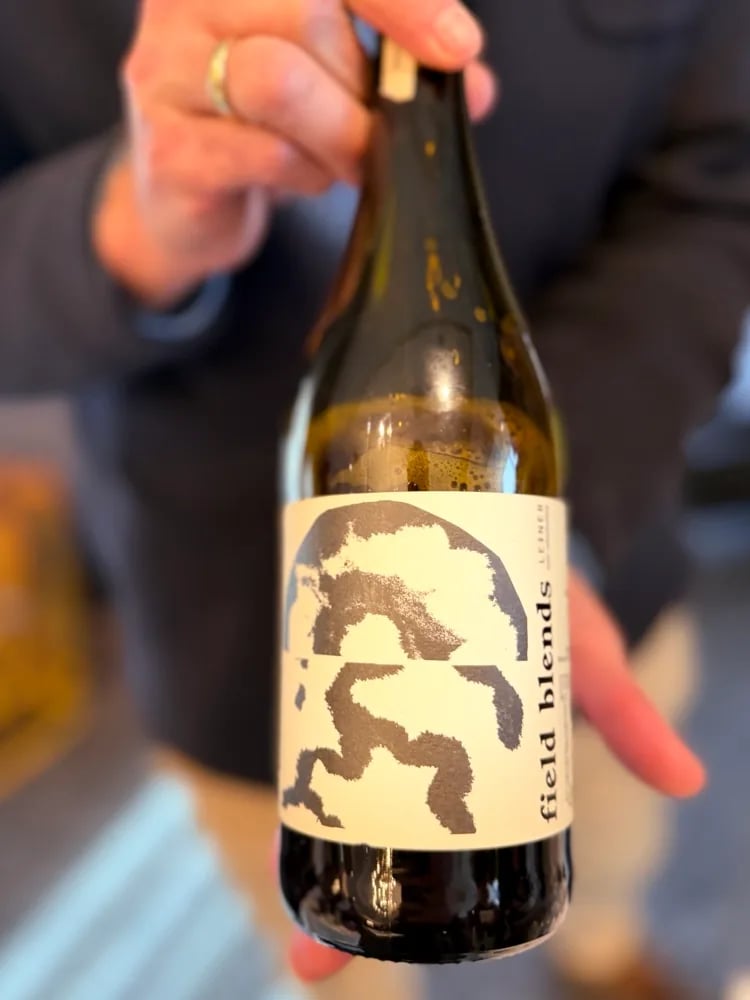
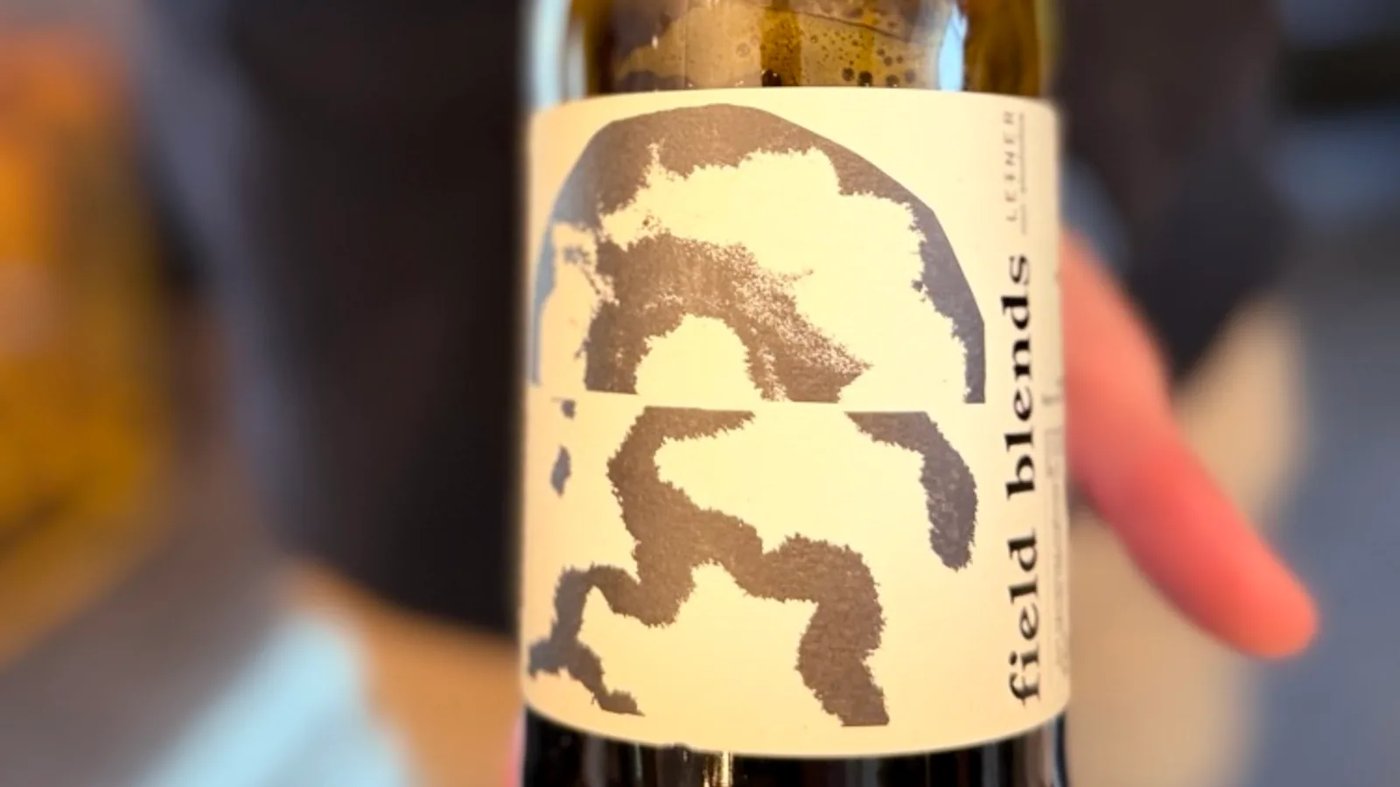
The champagnes were not what stayed with me longest. The Ruby Beet Ferment was.
Made by Sven Leiner in Ilbesheim from beetroot, grape and bay leaf via the kombucha method. Non-alcoholic, certified organic. Lively in the glass, with serious structure rather than the flat-grape-juice end of the shelf.
The flavour is earthy, herbal, sparkling. Not an attempt to mimic wine, but its own category. Earthy depth from the beetroot, brightness from the fermentation, and enough complexity to stay interesting past the first sip. The kind of drink that belongs on a dinner table, not relegated to the “I’m driving” corner.
That Champagnist carries this alongside the grower champagnes says something about their range. Not dogmatic about what “serious drinks” should be. They see that more people are moderating, that curiosity about complex non-alcoholic options is growing, and they answer with quality instead of gimmicks.
Why grower champagne matters now
The champagne market is splitting. On one side the large houses keep dominating volume and brand recognition. On the other side, a growing group of buyers, sommeliers and wine bar owners want answers. Who made the wine? Where did the grapes come from? How was the land farmed?
Grower champagne answers those questions directly. When you buy from a récoltant-manipulant, you buy from the person who pruned the vines, picked the harvest moment and ran the fermentation. No anonymity. No blend across villages you will never see. Specific, traceable, and often more affordable than prestige cuvées from the big names.
For the Dutch market that is an opening. There is real interest in sustainable agriculture, organic certification and traceable origin. Grower champagne, and certainly biodynamic grower champagne, fits that demand. Dis Donc takes a similar approach with nine champagne families, which means Dutch access to organic grower champagne is slowly maturing.
The verdict
If you want champagne that says something past the label, Champagnist is where to look. Their grower portfolio gives access to small producers farming biodynamically, making terroir-driven wines, and bottling with minimal intervention.
And if you are exploring the non-alcoholic space, for personal moderation or hospitality offerings: Ruby Beet Ferment proves the category can move past sugar mocktails and flat grape juice.
For wine professionals, hospitality buyers and serious enthusiasts looking past the grandes marques, this is where to start. Champagnist belongs on every shortlist when you search for a grower champagne importer in the Netherlands.
Contact: Mark Haasdijk & Rick van den Broek Website: champagnist.nl Mail: [email protected] / [email protected]
Sources
- Champagnist: About (Mark Haasdijk + Rick van den Broek)
- Bosfood: Leiner Field Blends Ruby Beet (BIO, Sven Leiner Ilbesheim)
Tasted at ViniBio 2026, the Dutch trade fair for organic wine, on 2 March in Amsterdam. No partnership with the imported producers.
ViniBio 2026 deep-dives
Other articles from the ViniBio 2026 cluster:
More on Wine Review
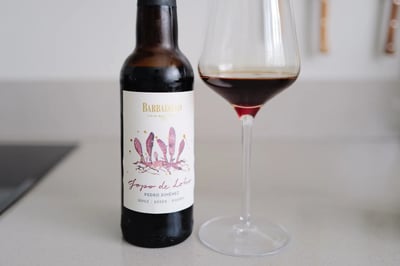
Barbadillo Jopo de Lobo: Organic Pedro Ximénez
Jopo de Lobo from Barbadillo: organic Pedro Ximénez from sun-dried grapes. Coffee, dark fruit, blossom. €15.95 for a half bottle of 0.375 litres.
Read on →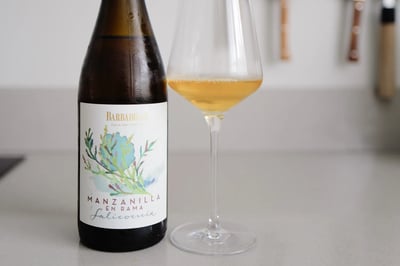
Barbadillo Salicornia: Organic Manzanilla en Rama
Salicornia, Barbadillo's organic manzanilla en rama: flor, baked apple, salt and a brand-new solera. €25.95 at Granada Wijnen, with discount code.
Read on →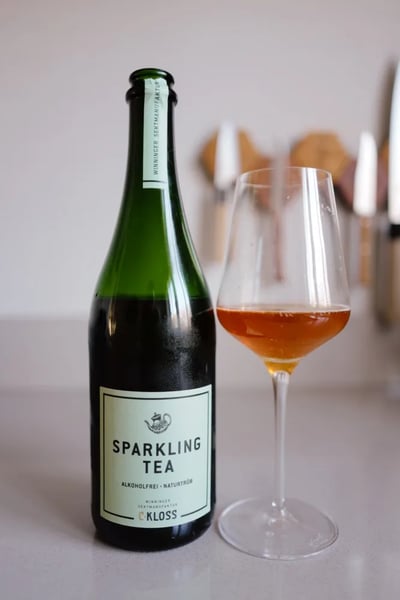
C. Kloss Sparkling Tea Weiss: Fermented Celery
Non-alcoholic sparkling tea Weiss from C. Kloss: linden blossom, nettle and fermented celery. Dry, 2.7 g sugar per 100 ml, €14.99 at Amavine.
Read on →