

Grapes
Chardonnay, Pinot Noir, Furmint, Palomino. The grape as a starting point for taste.
1 · Grapes
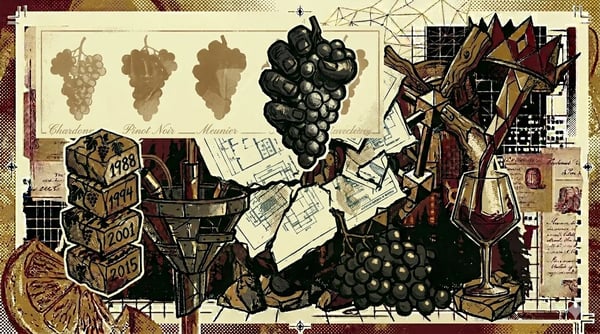
Arbane and the forgotten Champagne grapes
Four forgotten Champagne grapes together cover 0.3 percent of the area. What they do, where they survive, and why growers are replanting them.

Pinot Meunier: from peasant grape to grower icon
Pinot Meunier was long the underrated third grape of Champagne. Today growers build mono-cuvées on it that have given the variety its due.

Pinot Noir in Champagne: power, flesh and structure
Pinot Noir is the largest grape variety in Champagne at 38 percent. On the Montagne and in the Aube it brings body, red fruit and great ageing capacity.

Chardonnay in Champagne: the white backbone
Chardonnay in Champagne is more than a blend partner. On chalk it brings chalky tension, length of finish and the base of every Blanc de Blancs.
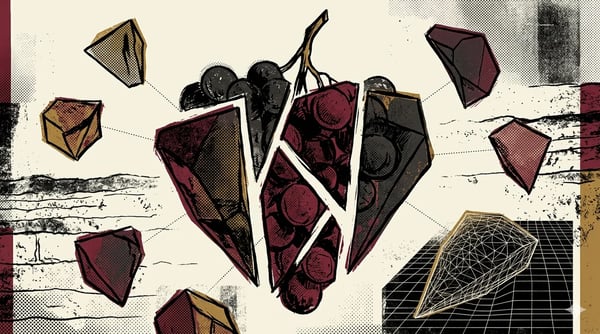
The nine grapes of Champagne (not three)
Champagne now allows nine grape varieties. Eight vinifera plus Voltis as an experimental hybrid. What they do, where they grow, and why it matters.
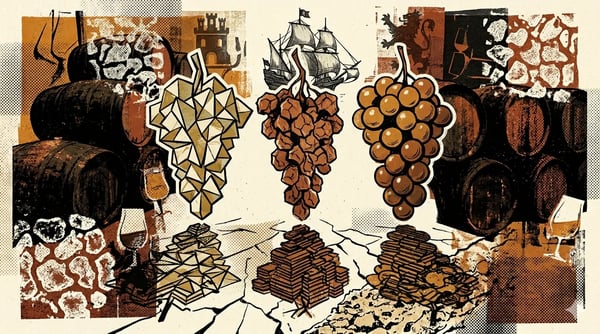
Sherry grapes: Palomino, Pedro Ximénez and Moscatel
The three sherry grapes Palomino Fino, Pedro Ximénez and Moscatel, their role in Marco de Jerez and which style each one makes.
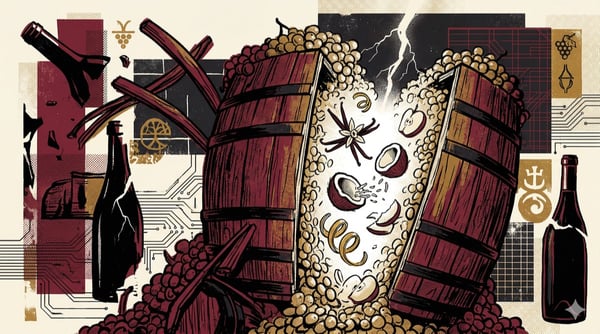
Chardonnay: Everything About the Grape
The Chardonnay grape explained: flavour profile, styles from Chablis to the Mâconnais, and what oak and climate actually do to it. For wine lovers.
This is the reference. For reviews, opinion and podcast conversations about grapes: see the blocks below.
Grapes on Sparks (podcast)
Conversations featuring grapes. 21 episodes.