

900wine Prosecco: Three Bottles, Three Perspectives
Here is my confession: Prosecco and I have a complicated history. Nine times out of ten I find it thin, overly sweet, and frankly forgettable.

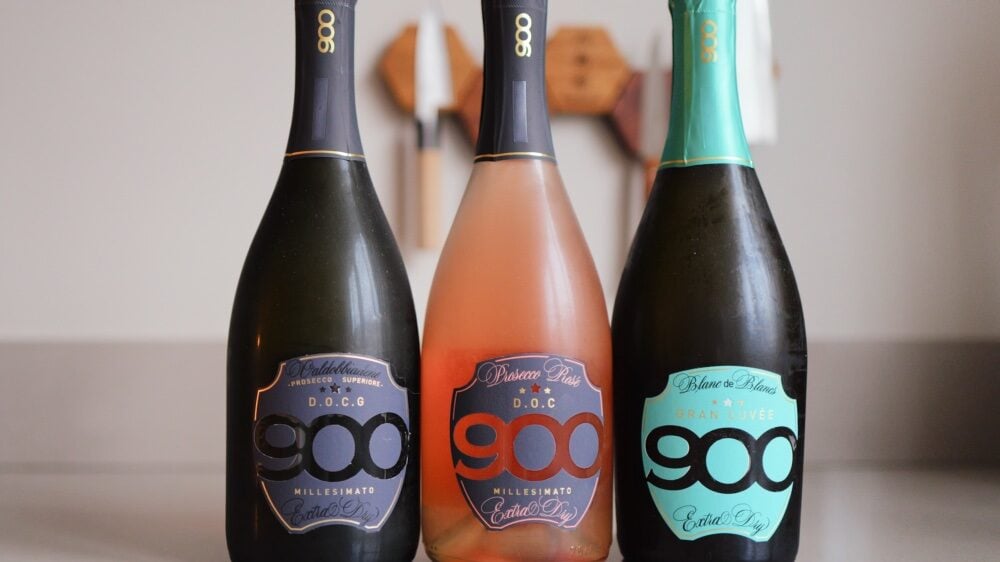
Honest: Prosecco and I don’t get along often. Too often thin, too often sweet, too often forgotten the moment the glass is empty. When Erwin at De Bigondier sent me three bottles from 900wine, I started with skepticism.
Three wines, three quality tiers, one evening. What I learned: the label on the bottle says more than I thought.
What DOC and DOCG actually do
Some Proseccos taste different from others because they’re made under different rules. DOC (Denominazione di Origine Controllata) and DOCG (Denominazione di Origine Controllata e Garantita) aren’t quality stickers for show; they specify where the grapes can come from, how many kilos per hectare are allowed, how long ageing must take, and who has to certify before bottling.
900wine makes three bottles, each in a different slot of that pyramid. Good test setup.
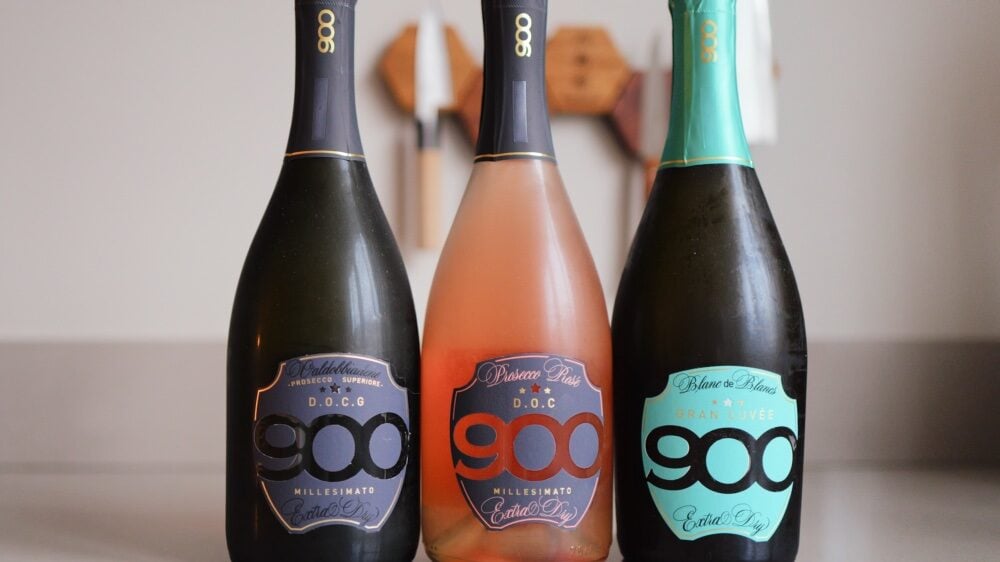
Gran Cuvée Blanc de Blancs (€16.99)
60% Glera, 40% Chardonnay. The Chardonnay share is unusual for Prosecco. The nose has a faint chemical-sweet edge that gave me pause before the first sip. On the palate fruity and fresh, but no acid, no tension.
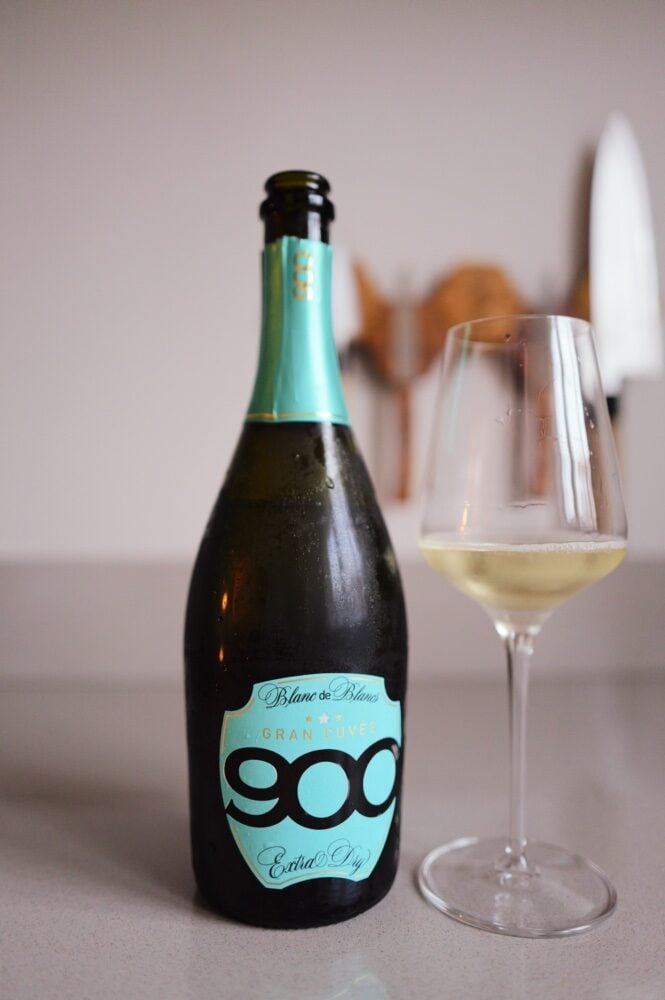
Flat, one-dimensional, no tension. But for under €17 it does the job at a brunch or in an Aperol Spritz. That’s what you buy it for.
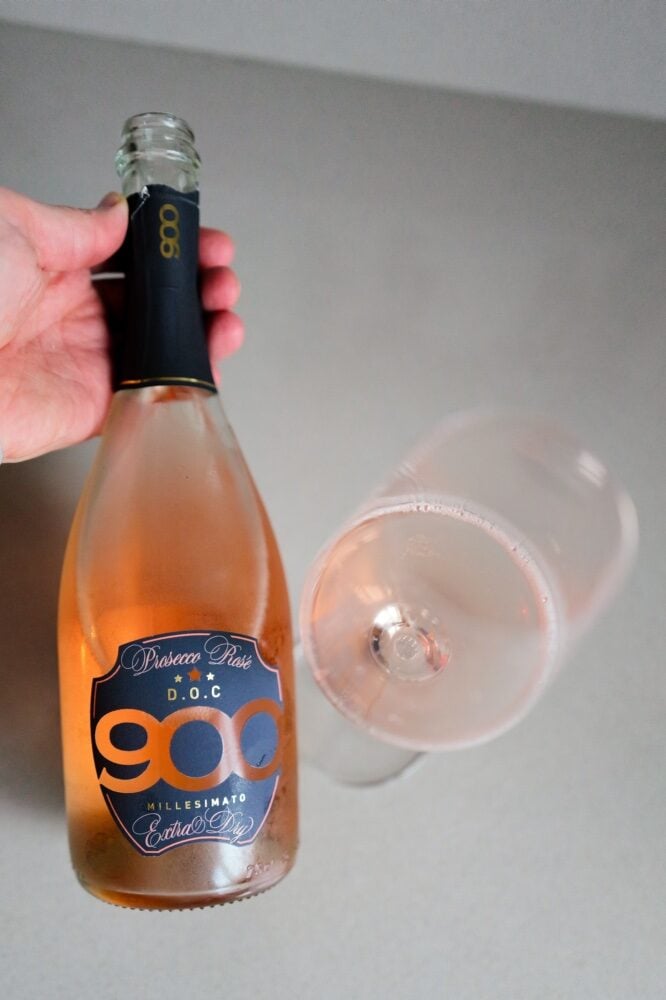
Prosecco DOC Rosé Millesimato (€24.99)
100% Pinot Noir, DOC, Millesimato. The colour is a deeper salmon than I’m used to in rosé Prosecco. The nose opens with strawberry, cherry and raspberry, with a herbal layer behind: sage, rosemary, a hint of thyme.
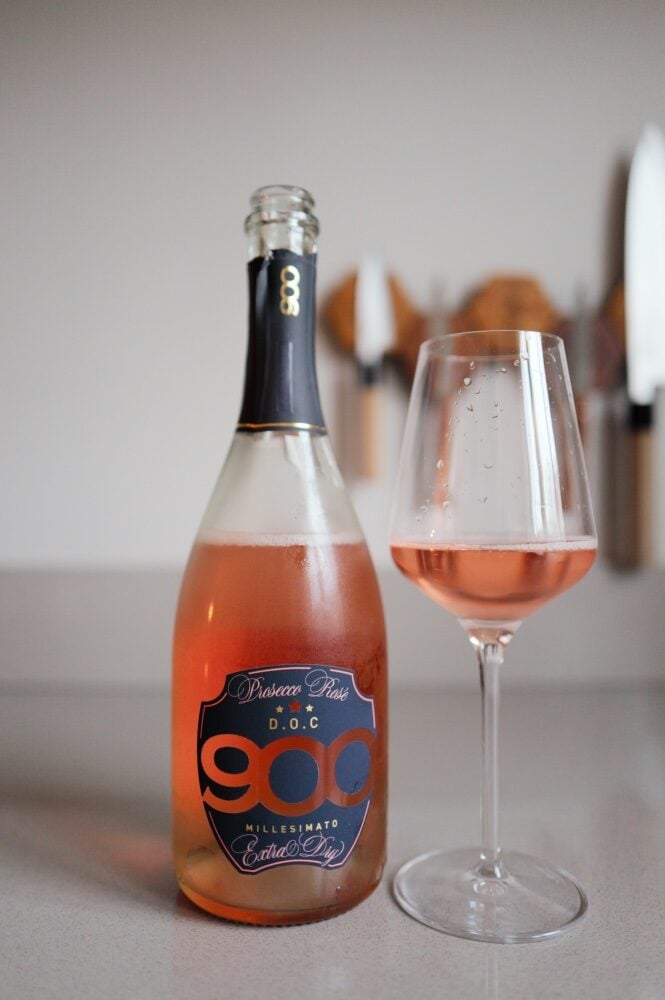
The mousse is finer and fuller than the Gran Cuvée. I miss some backbone, my preference is more acidity, but the production quality is a clear step up. Works well with grilled prawns, herb-crusted chicken, fresh goat cheese.
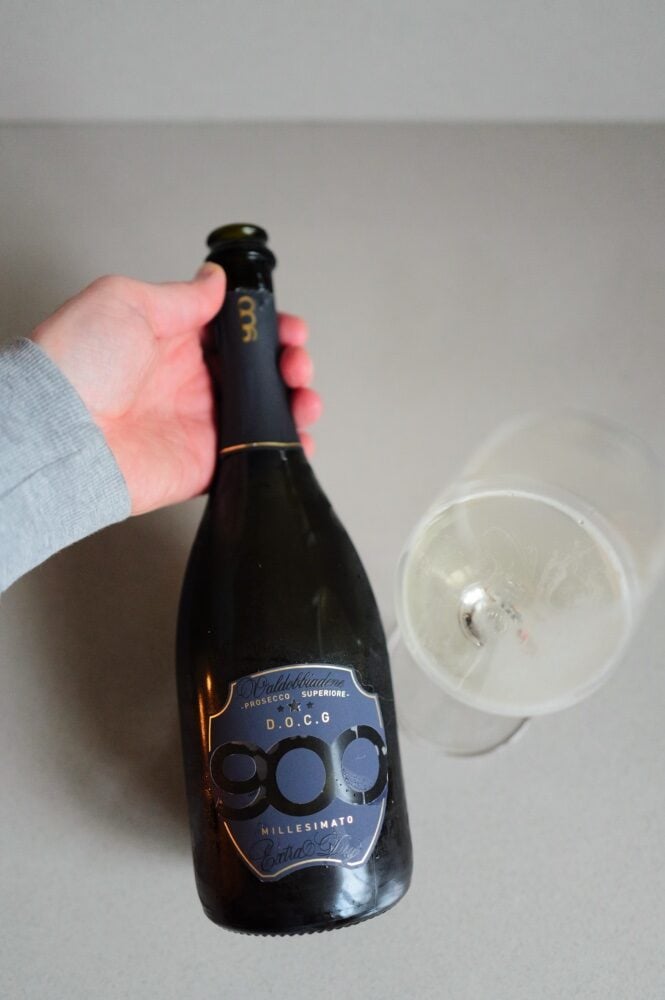
DOCG Valdobbiadene Millesimato (€27.99)
Different from the moment you open it. Smaller bubbles, longer-lasting, creamy. What Italians call perlage.
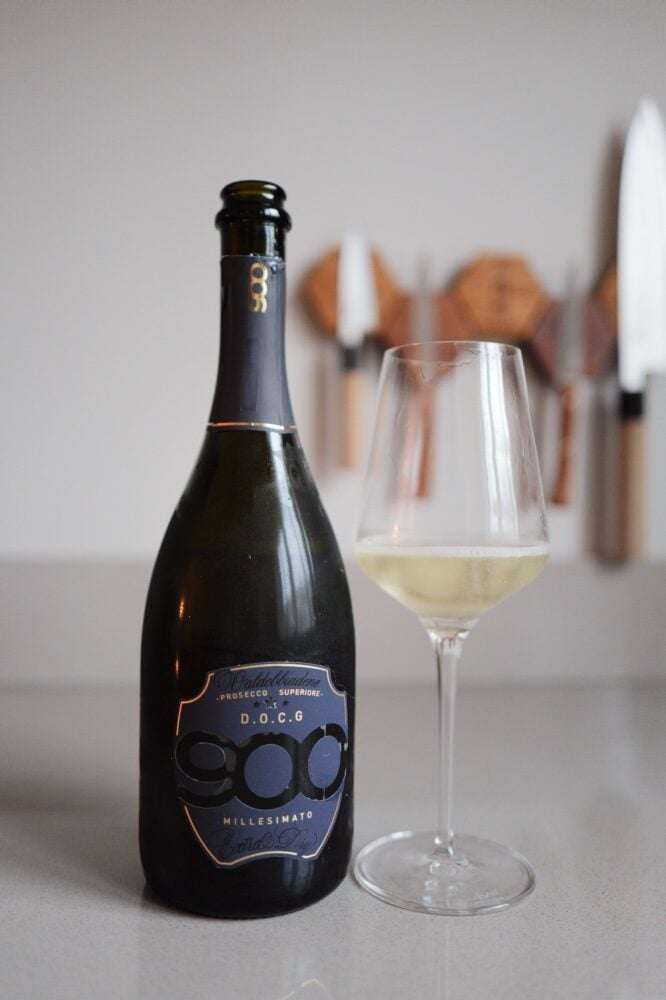
Green apple, jasmine, white tea. A mineral thread through the entire glass. On the palate balanced, with enough acidity to lift the fruit without becoming aggressive. This isn’t “good Prosecco” anymore, this is just good sparkling wine that competes with basic Champagne at €30-35.
€27.99 is a lot for Prosecco. Next to the other two, it’s also justifiable.
Which would I actually buy?
For everyday: the DOC Rosé at €24.99. Best price-quality. Versatile with food.
For special moments: the DOCG. No question.
The Gran Cuvée I don’t buy, except for cocktails or a big group where no one drinks the bottle seriously.
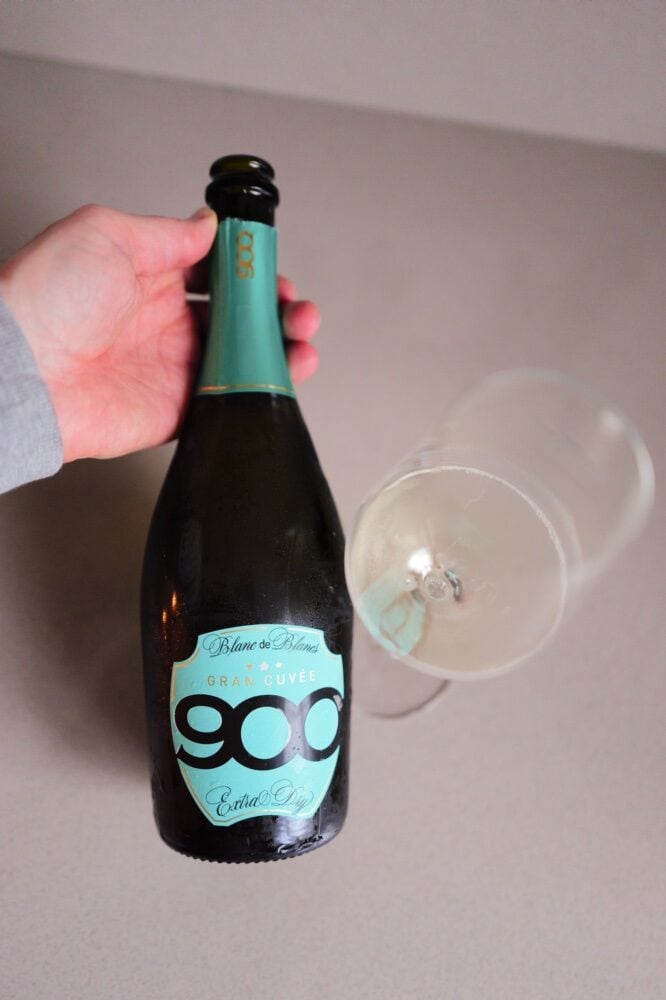
Thanks to Erwin Dragt at De Bigondier for sending these bottles. His selection challenged my Prosecco prejudices.
Prices in this article date from December 2025. Check the current price with the seller.
Sources
- Consorzio di Tutela Prosecco DOC: prosecco.wine
- Consorzio Conegliano Valdobbiadene Prosecco DOCG: prosecco.it
More on Wine Review
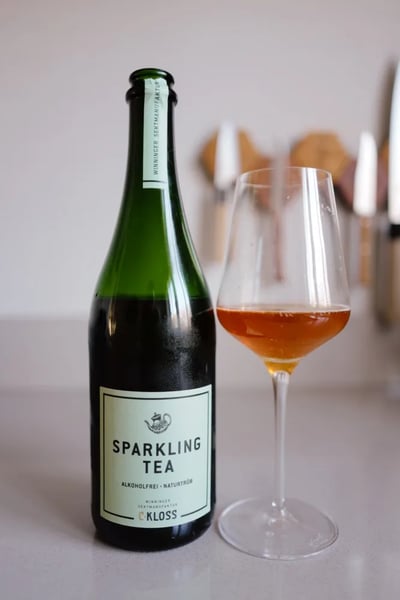
C. Kloss Sparkling Tea Weiss: Fermented Celery
Non-alcoholic sparkling tea Weiss from C. Kloss: linden blossom, nettle and fermented celery. Dry, 2.7 g sugar per 100 ml, €14.99 at Amavine.
Read on →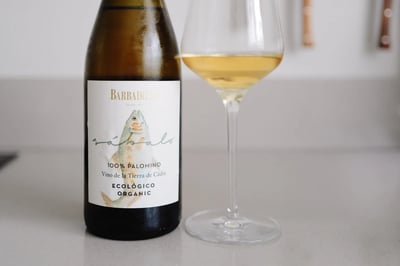
Barbadillo Sábalo: Organic Palomino Without Flor
Organic Palomino Sábalo from Barbadillo: no flor, salt from albariza soil. Chamomile, apple, sea. €17.95 at Granada Wijnen, with discount code.
Read on →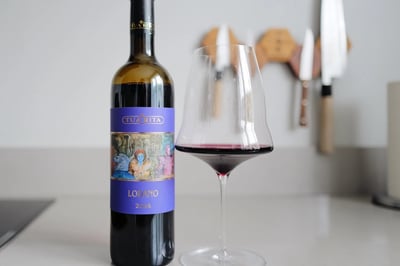
Tua Rita Lodano Rosso 2024: Petit Verdot Leads
A €50.95 Super Tuscan built on 60 percent Petit Verdot and 18 months of barrique. Why I chill it, decant it and never drink it without food.
Read on →