

900wine Prosecco Review: 3 Bottles Compared (€17-€28)
Three 900wine Proseccos tasted: Gran Cuvée (€17), DOC Rosé (€25), and DOCG Valdobbiadene (€28). Which is worth buying?

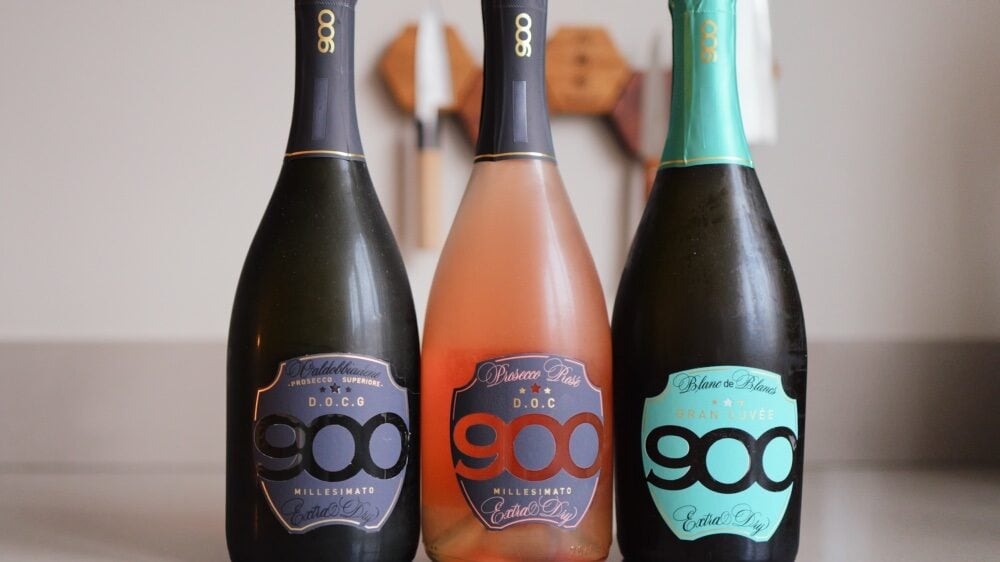
Three bottles of 900wine on the table. €16.99, €24.99, €27.99. Erwin from De Bigondier sent them, I tasted them side by side on one evening, cheapest to most expensive.
What changes as Prosecco gets more expensive? Not just the price tag.
Gran Cuvée Blanc de Blancs: €16.99
No DOC, no DOCG. Just Spumante, Italy’s base designation for sparkling wine.
The blend is 60% Glera and 40% Chardonnay. The nose leads with sweet apple and something vaguely floral, plus a light chemical edge that fades after a few minutes but never quite leaves. In the mouth it’s fresh but flat. The acidity is low, there’s no real tension, and the finish is short.
That’s not a condemnation. For an Aperol Spritz, a Bellini, or a crowd-pleasing bottle at brunch for twenty people, it does exactly what you need. Just don’t ask it to be a serious Prosecco. That’s not what it is.
DOC Rosé Millesimato: €24.99
This is the bottle I kept reaching for.
Prosecco DOC Rosé has followed a strict composition since its official introduction in 2020: 85–90% Glera with 10–15% Pinot Nero (vinified red), DOC certified, vintage dated. Strawberry, cherry, and raspberry come first, then an Italian herbal note that catches you off guard. Sage, rosemary, a hint of thyme, which is rare in this segment. The palate is softer and rounder, the fruit better integrated, and the finish runs long enough to actually notice.
It works well with food. Grilled prawns, prosciutto e melone, fresh goat’s cheese, sushi. Versatile enough for the table and good enough to drink on its own.
For €8 more than the Gran Cuvée, this is a dramatically better wine. That’s the best value in this lineup.
Best buy
DOCG Valdobbiadene Millesimato: €27.99
Valdobbiadene is UNESCO heritage territory. Steep hillside vineyards, mandatory hand-harvesting, lower yields. This isn’t marketing, the DOCG classification enforces it.
100% Glera from hillside sites. Green apple, jasmine, and white tea sit alongside a mineral thread that’s completely absent in the other two. The perlage stands out, with tiny, persistent bubbles that give the wine an almost creamy texture. On the palate it stays precise and balanced, closing on a long mineral finish that makes you pause.
At €28 you’re close to entry-level Champagne territory. This holds its own.
Which one should you buy?
Gran Cuvée
€16.99- Grapes: 60% Glera, 40% Chardonnay
- Class: Spumante
- Length: Short
For cocktails and crowds. Does its job, no more.
DOC Rosé
€24.99- Grapes: 85–90% Glera, 10–15% Pinot Nero
- Class: DOC
- Length: Medium
Regular drinking and dinner parties. Best value of the three.
DOCG Valdobbiadene
€27.99- Grapes: 100% Glera
- Class: DOCG
- Length: Long
Special-occasion bottle. Holds its own against entry Champagne.
Buy the DOC Rosé for regular drinking and dinner parties. Best value of the three, and the only one I’d keep stocked in my own fridge.
Buy the DOCG Valdobbiadene for a special occasion. The extra three euros over the Rosé buy a meaningful quality jump when the moment calls for it.
Buy the Gran Cuvée if budget is the first consideration, or if you’re making cocktails. It does its job, as long as you don’t ask it to do anything else.
If you’re choosing between the three: skip the Gran Cuvée and put the €8 toward the Rosé.
Sources
- Consorzio Tutela Prosecco DOC: Production rules Prosecco DOC Rosé (min 85% Glera, 10–15% Pinot Nero, since 21 May 2020)
- UNESCO: Le Colline del Prosecco di Conegliano e Valdobbiadene as World Heritage (since 2019)
- 900wine via De Bigondier: debigondier.nl
More on Wine Review
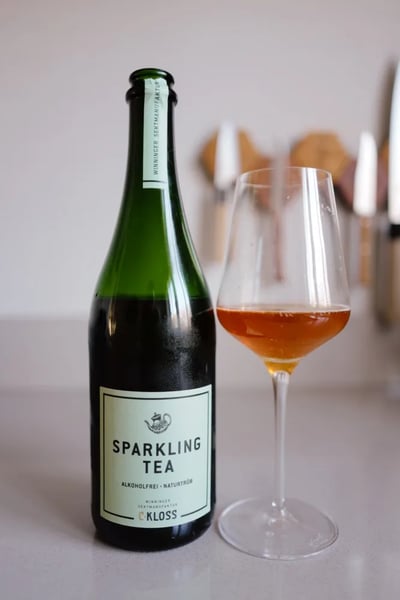
C. Kloss Sparkling Tea Weiss: Fermented Celery
Non-alcoholic sparkling tea Weiss from C. Kloss: linden blossom, nettle and fermented celery. Dry, 2.7 g sugar per 100 ml, €14.99 at Amavine.
Read on →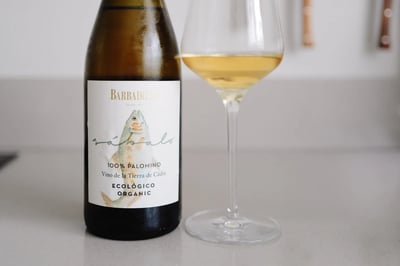
Barbadillo Sábalo: Organic Palomino Without Flor
Organic Palomino Sábalo from Barbadillo: no flor, salt from albariza soil. Chamomile, apple, sea. €17.95 at Granada Wijnen, with discount code.
Read on →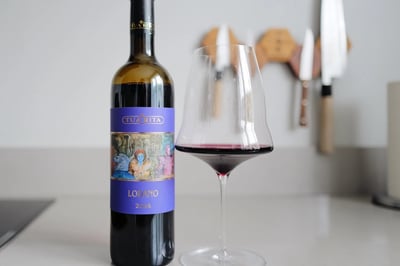
Tua Rita Lodano Rosso 2024: Petit Verdot Leads
A €50.95 Super Tuscan built on 60 percent Petit Verdot and 18 months of barrique. Why I chill it, decant it and never drink it without food.
Read on →