

900wine Rosé Millesimato: Prosecco DOC Rosé Reviewed
Part 2 of the 900wine Prosecco series. Tasting the Rosé Millesimato: is quality rosé Prosecco more than a marketing gimmick?

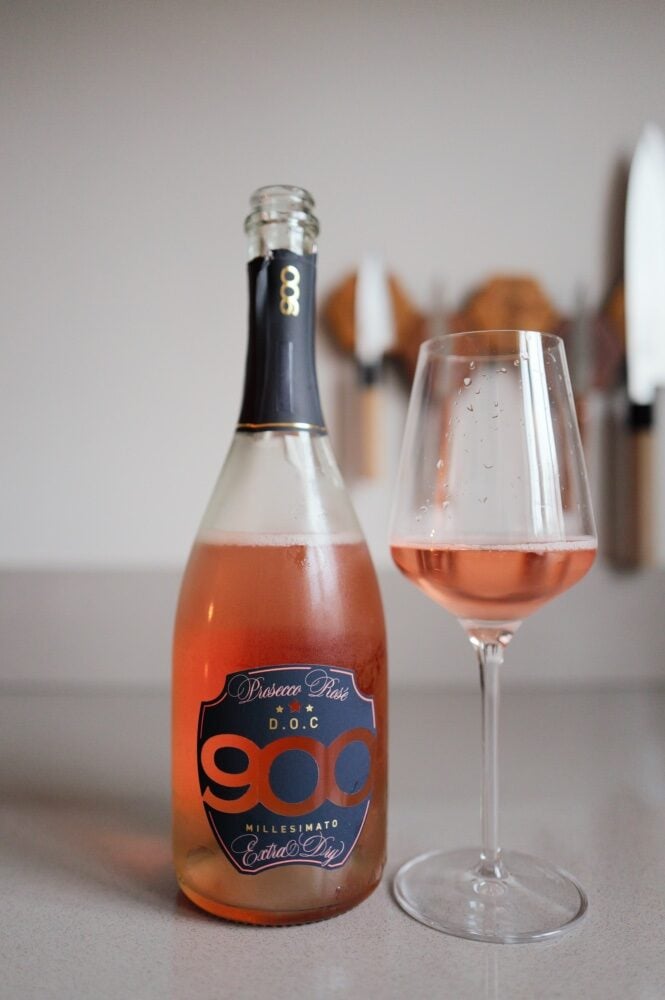
Part 2 of 3 in the 900wine Prosecco Series.
When Prosecco DOC Rosé was approved in 2020, I thought what most wine writers thought: another rosé cash grab. Pink drink sells, so everyone wants a bottle. Bias confirmed, I figured.
After this bottle from 900wine, that bias is gone. €24.99 for something that costs €8 more than the entry Gran Cuvée from part 1 and delivers roughly twice the quality. Those ratios aren’t common.
A real DOC rosé, not pink by blending
Prosecco DOC Rosé has a fixed recipe: 85 to 90 percent Glera with 10 to 15 percent Pinot Nero, and the Pinot Nero has to be vinified as a red wine before the blend goes into the tank. Stirring finished red wine through white prosecco is not allowed. This bottle follows that route, with DOC certification and vintage dating (“Millesimato”). All things the Gran Cuvée didn’t have.
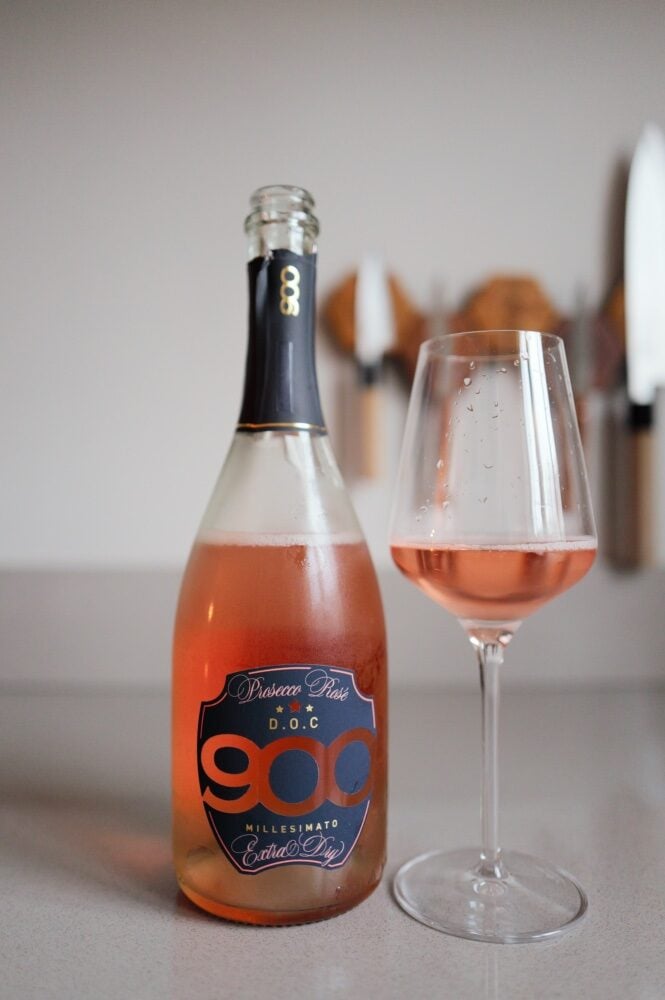
Production is via the Charmat method, with longer tank ageing than standard. That gives the fruit room to develop without picking up the yeasty brioche character of Champagne.
Tasting Note
Appearance
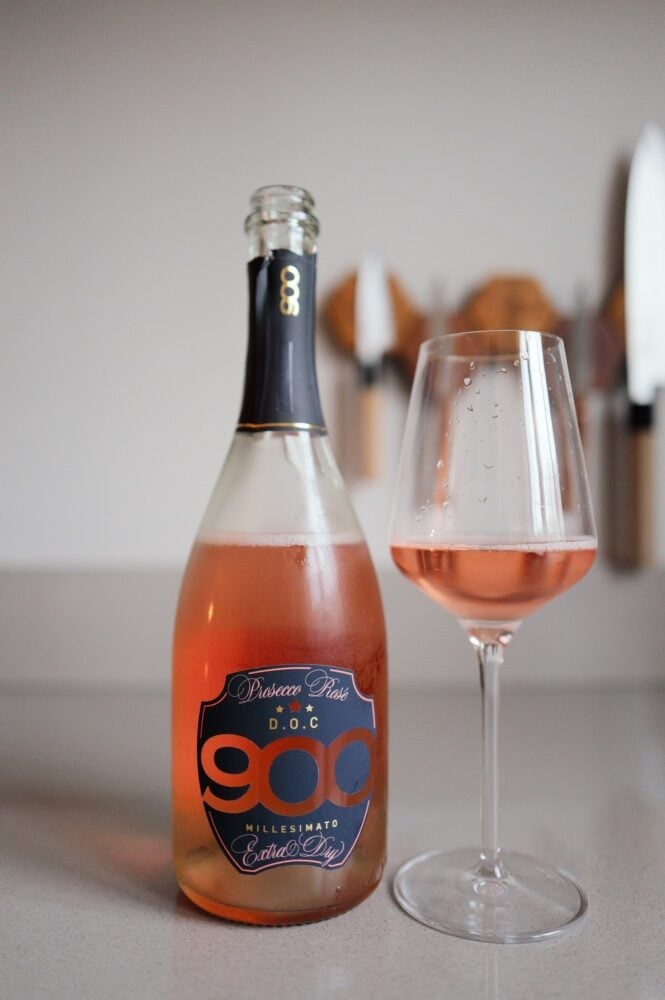
Gorgeous salmon-pink color, deeper and more appealing than many rosé sparklers I’ve tried. The bubbles are persistent and fine, an elegant bead in the glass. Looks more serious than standard pink Prosecco.
Nose
The aromatics explode from the glass with layers of red fruit: strawberry, cherry, raspberry, all beautifully expressive. The herbal notes intrigue: sage, rosemary, thyme, a touch of marjoram. A subtle apricot sweetness and hints of honey add complexity without tipping into cloying territory. You can smell the quality.
Palate
The mousse is softer and rounder than the Gran Cuvée: more integrated and refined. Medium acidity provides decent structure, though I personally prefer sparkling wines with more backbone. The texture is lovely, but slightly lacking in the grip that would lift it from “very good” to “excellent.” The fruit expression is delicious: strawberries, cherries, violets, a pleasant fruitiness that persists. Extended skin contact adds subtle tannins you don’t find in white Prosecco.
Finish
Medium length with lingering berry notes and a touch of herbal character. Not the longest finish, but satisfying.
What it pairs with
The combination of red fruit and herbal undertone makes this unusually versatile at the table. Grilled prawns with lemon work immediately. Goat cheese salad too; the acidity cuts the cheese and the berry side lifts the greens.
Classic Italian pairing: prosciutto with melon. The wine echoes the melon-berry register perfectly.
Bolder but fun: vitello tonnato, or sushi. The fine mousse and subtle sweetness (Extra Dry style) don’t bite back at raw fish.
Serve at 8 to 9 degrees. A touch warmer than most rosé Prosecco; the aromatics need it.
Worth the €8 over the Gran Cuvée?
Against the Gran Cuvée: yes, and then some. Against competition in the same price bracket, it depends what you’re after.
Spanish Cava rosé at €15-20 often has more structure and less fruit. Entry Franciacorta rosé at €28-35 has more complexity, but you pay for it. Basic Champagne rosé at €30+ has the yeasty brioche character that’s missing here. For a rosé you can put on the table casually without breaking the bank, this 900wine is the most practical pick.
My one criticism: medium acidity. I’d take more backbone. For me that’s the difference between “very good” and “excellent”.
Final verdict
The bottle that broke my prejudice against rosé Prosecco. A proper Glera and Pinot Nero blend, real DOC certification, vintage dating. These things matter.
Best price-quality ratio of the three 900wine bottles.
Wine details
- Producer
- 900wine
- Region
- Treviso, Veneto, Italy
- Grapes
- 85-90% Glera, 10-15% Pinot Nero
- Classification
- Prosecco DOC Rosé
- Vintage
- Millesimato
- Alcohol
- 11% ABV
- Price
- €24.99
Frequently asked questions
What is rosé prosecco made from?
Glera with 10 to 15 percent Pinot Nero vinified red, combined with DOC approval and a vintage statement. Rosé prosecco has only existed as an official category since 2020, which explains why quality still varies so widely across the shelf.
What does 900wine DOC Rosé Millesimato cost and where can you buy it?
Twenty-four euros ninety-nine at De Bigondier, price as of November 2025. That is eight euros more than the Gran Cuvée from the same range.
Is this rosé prosecco worth the premium?
Against the Gran Cuvée, comfortably. Against other bottles at the price it depends on your taste: Spanish cava rosé at 15 to 20 euros often brings more structure and less fruit, entry-level Franciacorta rosé more complexity at 28 to 35, and Champagne rosé from 30 euros the yeasty brioche note missing here. The weakness of this bottle is moderate acidity; with more backbone it would have been excellent rather than very good.
Sources
- Consorzio di Tutela Prosecco DOC: prosecco.wine
- Consorzio Conegliano Valdobbiadene Prosecco DOCG: prosecco.it
More on Wine Review
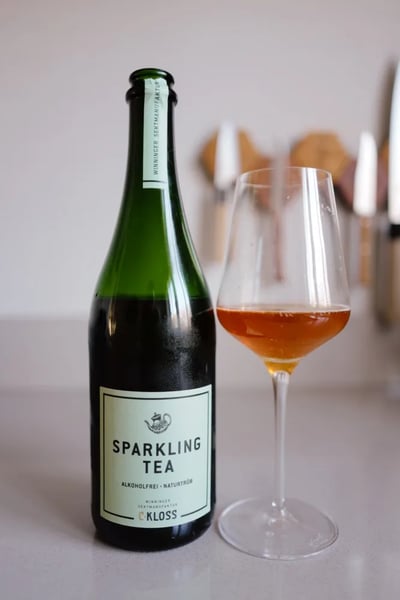
C. Kloss Sparkling Tea Weiss: Fermented Celery
Non-alcoholic sparkling tea Weiss from C. Kloss: linden blossom, nettle and fermented celery. Dry, 2.7 g sugar per 100 ml, €14.99 at Amavine.
Read on →
Barbadillo Sábalo: Organic Palomino Without Flor
Organic Palomino Sábalo from Barbadillo: no flor, salt from albariza soil. Chamomile, apple, sea. €17.95 at Granada Wijnen, with discount code.
Read on →
Tua Rita Lodano Rosso 2024: Petit Verdot Leads
A €50.95 Super Tuscan built on 60 percent Petit Verdot and 18 months of barrique. Why I chill it, decant it and never drink it without food.
Read on →