

Caillottes 2023: ten centimetres of soil, then rock
Limestone shards with barely any earth on top. What that does to a root system, and why this bottle turns out to be the estate's best buy.

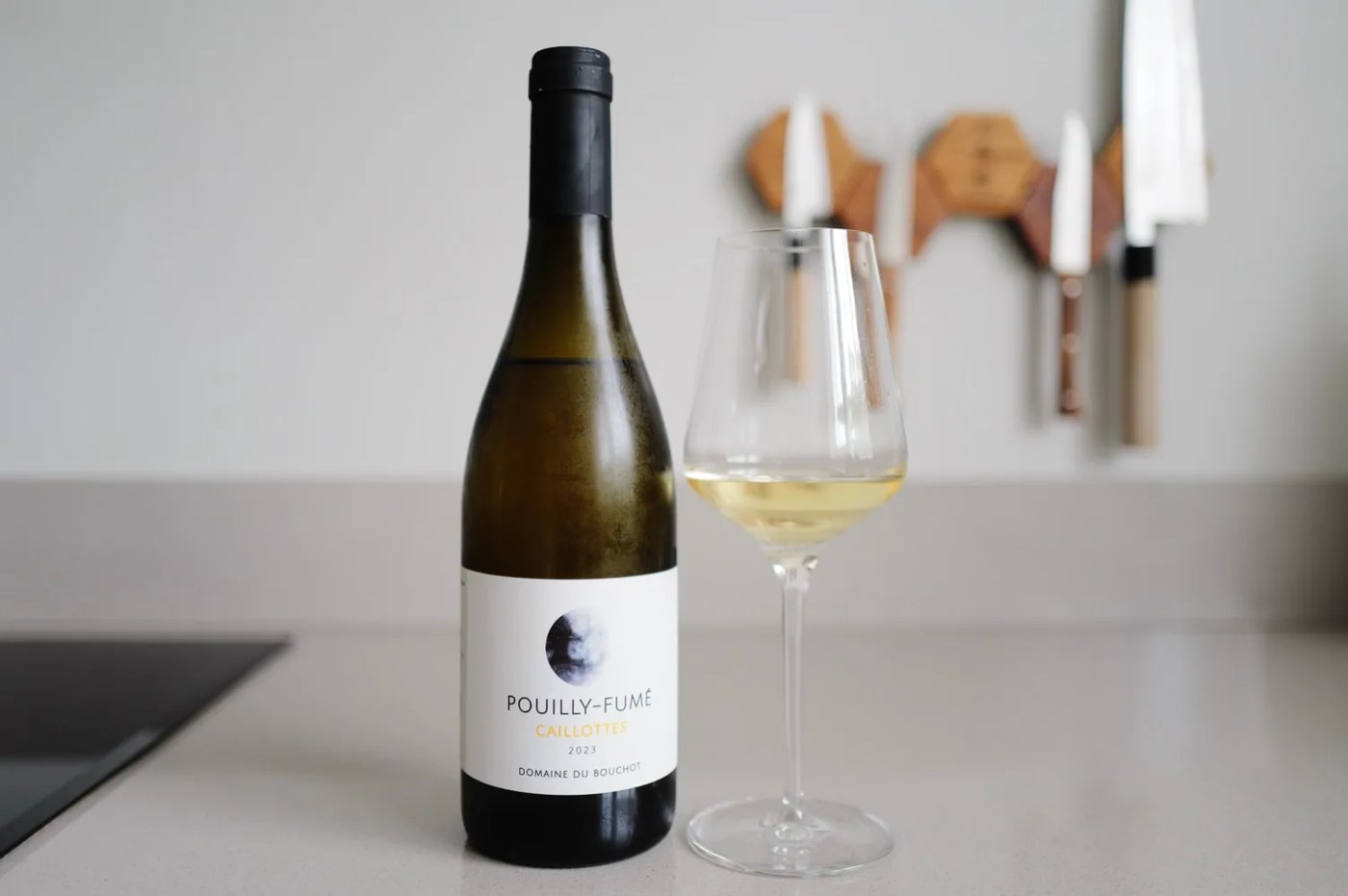
Put a spade into this parcel and you are done after ten centimetres. Below that there is no more earth, only limestone in hard shards. Caillottes, they are called, and the wine takes its name from them.
To a root that is not fertile ground but a problem to be solved. That is where this bottle’s story starts.
On the record before we start: importer Qualivin sent me this bottle. No payment, and no agreement about what I write.
What ten centimetres of soil does to a vine
A vine on deep, rich soil has an easy life. Water and nutrients sit within reach, the plant makes plenty of leaf and plenty of fruit, and that fruit is rarely concentrated.
On caillottes there is no such luxury. The root has to work into the cracks between the limestone shards, chasing moisture that lies deeper. That costs the plant energy and it caps the yield, and it produces a berry with less juice and more flavour compound in it.
There is a second effect. Limestone warms up during the day and gives that warmth back at night, so ripening runs more evenly. And because limestone holds water and releases it slowly, a parcel like this dries out less readily than the thin layer of soil would suggest.
Tasting Note
Appearance
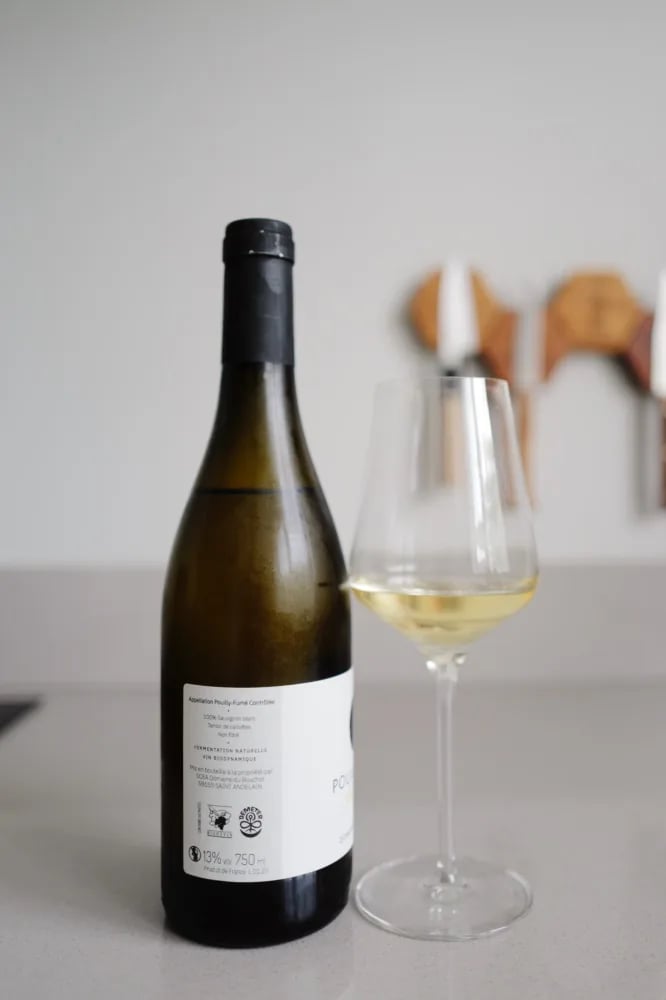
Pale lemon yellow, a touch fuller in colour than the estate’s Terres Blanches.
Nose
Ripe pear and white blossom, noticeably smokier than the entry cuvée. And then the stone dust: the smell that hangs in the street when a masonry saw goes through a paving slab. Behind it hazelnut, a suggestion of vanilla, something creamy and even faintly buttery. The citrus that carries the Terres Blanches is all but gone here.
Palate
Fresh, with that ripe pear and blossom again, the stone dust and the hazelnut. Creamier in texture than the entry wine, and salt arrives on the finish, as though it were scattered across the palate, alongside a lot of fruit.
Finish
Long and saline, with the fruit holding its ground.
Quality
Nothing like the entry cuvée, and more interesting. It sits in the middle on price, not on quality.
Here the cellar does join in
Where the Terres Blanches stays mostly in steel, this cuvée spends eighteen months split between barrel and concrete. That accounts for the texture.
Concrete gives the wine a little air without adding flavour. The barrel does add something, and you hear it back in that hazelnut and the hint of vanilla. Together they give more weight on the palate without the wine turning woody, because no new oak is involved.
- Producer
- Domaine du Bouchot, Saint-Andelain
- Wine
- Pouilly-Fumé Caillottes
- Vintage
- 2023
- Grape
- 100% sauvignon blanc
- Soil
- Three parcels of caillottes, hard limestone shards under roughly 10 cm of soil
- Winemaking
- Indigenous yeasts, natural fermentation, unfiltered
- Ageing
- 18 months, half barrel and half concrete
- Alcohol
- 13%
- Format
- 750 ml
- Importer
- Qualivin
The back label confirms what does not happen: unfiltered, natural fermentation, biodynamic wine. No filtration means more stays in the bottle than wine alone, and that feeds into the slightly fuller texture.
Why this is the best buy
The importer calls this bottle the best value at the estate. After three glasses side by side I agree, and I am not writing that because it appears in their material.
The entry cuvée is more direct but simpler. The MCMLV is more complex but also four euros dearer and far more particular in flavour. This one sits between them and takes the best of both: the salt and tension of the soil, plus enough texture that it never feels lean.
At the table that also makes it the most versatile of the three. Pan-fried fish with a butter sauce, poultry, herb risotto, young cheese. The entry wine is too straight for a butter sauce and the MCMLV too opinionated.
Where this bottle falls short
Anyone hunting the flint and citrus of classic Pouilly-Fumé will only half find it. The citrus has largely disappeared behind pear, blossom and hazelnut. That is a gain in complexity and a loss in recognisability, and not everyone wants to make that trade.
And the smokiness that sits clearly in this wine can mislead in a blind tasting. More than one taster will reach for barrel ageing that, in this form, is not there.
Where to buy
Sources
- Primary source: the bottle’s back label, for grape, soil type, winemaking and alcohol
- Additional: Domaine du Bouchot, estate presentation supplied through importer Qualivin, for parcels and ageing
- Additional: qualivin.nl, price and available formats, accessed 30 July 2026
More on Wine Review
Barbadillo Jopo de Lobo: Organic Pedro Ximénez
Jopo de Lobo from Barbadillo: organic Pedro Ximénez from sun-dried grapes. Coffee, dark fruit, blossom. €15.95 for a half bottle of 0.375 litres.
Read on →
Barbadillo Salicornia: Organic Manzanilla en Rama
Salicornia, Barbadillo's organic manzanilla en rama: flor, baked apple, salt and a brand-new solera. €25.95 at Granada Wijnen, with discount code.
Read on →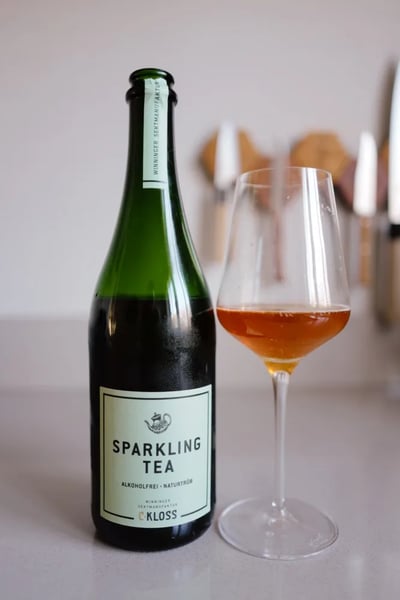
C. Kloss Sparkling Tea Weiss: Fermented Celery
Non-alcoholic sparkling tea Weiss from C. Kloss: linden blossom, nettle and fermented celery. Dry, 2.7 g sugar per 100 ml, €14.99 at Amavine.
Read on →