

Pian delle Querci Brunello di Montalcino 2020
Pian delle Querci Brunello di Montalcino 2020: wild ferment, 36 months in Slavonian oak, no barrique. Tasted twice, and it was two different wines.


No yeast from a packet. Pian delle Querci lets its Brunello di Montalcino 2020 ferment on whatever the grapes and the cellar bring with them. Then the wine spends thirty-six months in large Slavonian oak casks, with no barrique in sight. It’s the classic way of doing things, and in Montalcino it’s getting rarer.
I’ve tasted this 2020 twice, and written two very different notes.
A small house on the hill
Pian delle Querci is a four-generation family estate, run today by winemaker Vittorio Pinti. The property covers forty-eight hectares, of which eight and a half are vineyard. Only six of those can be called Brunello di Montalcino DOCG. That’s small, and it’s deliberate.
The vines sit at around 250 metres, on clay and tuff with plenty of stones. That soil gives Sangiovese Grosso, the local Sangiovese that Brunello is made from, the build for a long life.
How it’s made
During the early ferment the juice is repeatedly drained off the skins and poured back over them. That délestage pulls a lot of colour and tannin from the skins. After that, the temperature is kept in check. Then come the thirty-six months in Slavonian botti and another eight months in bottle before release.
Big casks give off less oak flavour than small barriques. If you want a Brunello where the fruit, not the wood, sets the tone, this is your bottle.
Tasting Note
Appearance
Deep garnet.
Nose
Complex. Red plum and wild strawberry up front, with black cherry and elderberry. Cedar, bergamot and lime zest as a second layer.
Palate
Full-bodied without weight. Velvety tannins that fall into place rather than push.
Finish
Long, with an earthy undertone.
The second note
In spring 2025 the same 2020 turned up at La Grande Bellezza in Amsterdam. There I called it quintessential Brunello: warm cherry, chocolate, leather, spice, ripe red fruit, blackberry, plum, nutmeg, black pepper, sage and rosemary.
Cedar and bergamot don’t appear in that second note. Leather, chocolate and herbs lead instead. Same wine, two different impressions.
What to watch for
Two caveats. First, this 2020 doesn’t pour straight from the bottle at its best. Give it an hour in a decanter; without that air you miss a lot.
Second, 2020 wasn’t an easy year in Montalcino. Rain fell in September and producers had to select hard. This bottle came through well, but if you’re after a sunnier, more approachable Brunello, look at the 2021 from the same house, though that one needs patience too.
Cellar or drink now
Cellaring until 2030 to 2035 gives it time to develop tertiary complexity. Drinking it now works, with that decanter. Classic pairings: bistecca alla fiorentina, braised wild boar and aged Pecorino Toscano.
- Producer
- Pian delle Querci, Montalcino
- Wine
- Brunello di Montalcino DOCG
- Vintage
- 2020
- Region
- Montalcino, Tuscany, Italy
- Grape
- Sangiovese Grosso (100%)
- Soil
- Clay and tuff, stony, around 250 m
- Winemaking
- Spontaneous fermentation, délestage
- Ageing
- 36 months Slavonian botti, 8 months bottle
- Drinking window
- Now with a decanter, cellar until 2030-2035
Sources
- My own tasting notes, autumn 2024, and La Grande Bellezza, Amsterdam, spring 2025
- Pian delle Querci (official): piandellequerci.it
- Consorzio del Vino Brunello di Montalcino: consorziobrunellodimontalcino.it
More on Wine Review
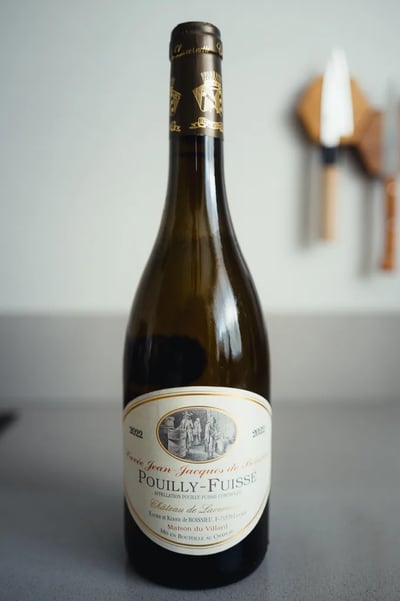
Lavernette J.J. de Boissieu 2022: best of fourteen
Château de Lavernette Pouilly-Fuissé J.J. de Boissieu 2022 review: biodynamic, full and taut, the top wine of my fourteen-bottle tasting. Give it time.
Read on →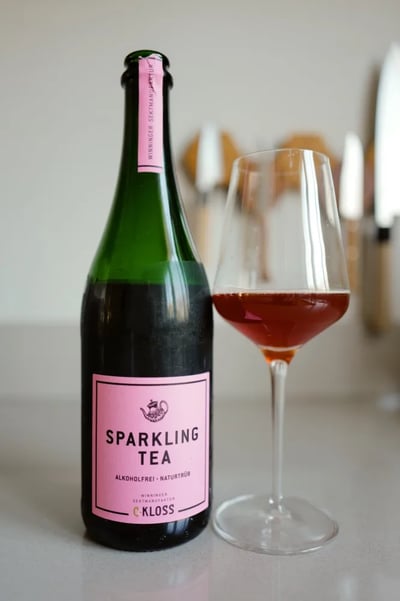
C. Kloss Sparkling Tea Rosé: 96 Falstaff Points
Non-alcoholic Sparkling Tea Rosé from C. Kloss: lavender, cinnamon and bramble, with pear juice instead of apple. 3.4 g sugar, 0.0%, €14.99.
Read on →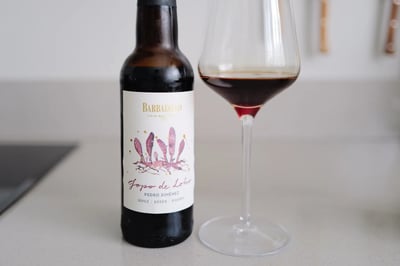
Barbadillo Jopo de Lobo: Organic Pedro Ximénez
Jopo de Lobo from Barbadillo: organic Pedro Ximénez from sun-dried grapes. Coffee, dark fruit, blossom. €15.95 for a half bottle of 0.375 litres.
Read on →