

Gallimard Blanc de Noirs: Solera in the Glass
A blanc de noirs that pours copper, built on 30% reserve wine from a solera running 2009 to 2022. What the label says, and where it parts ways with the flyer.

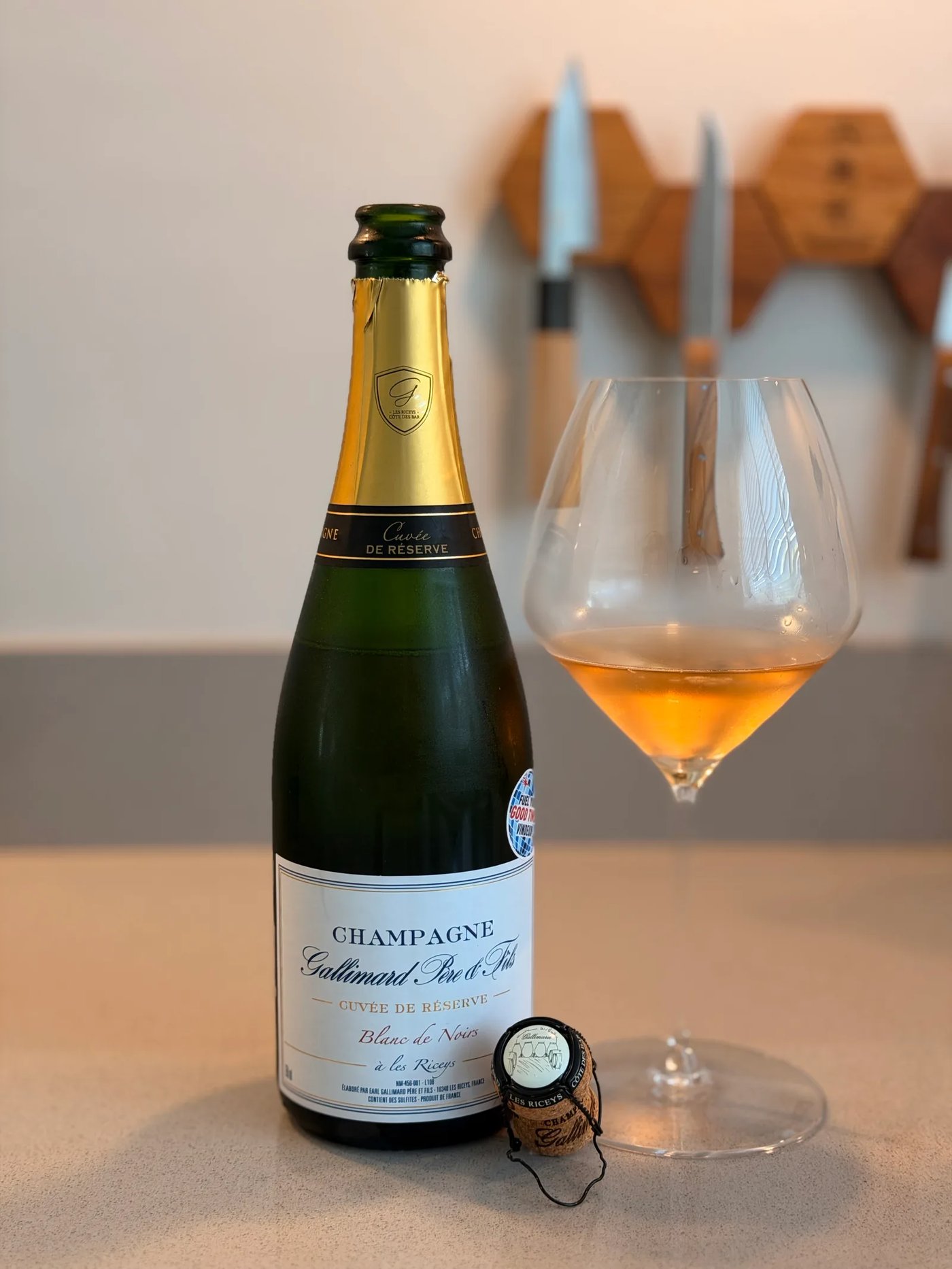
Making white wine from black grapes is a question of stopping in time. A few hours too many between juice and skin and you no longer have blanc de noirs, you have rosé. Gallimard stops late.
The glass proves it. No straw yellow but amber pulling towards copper, with a pink cast against the light. The Vindeux flyer calls it a rosé in the making, which is exactly what you see, and it is the first surprise this bottle delivers. It is the first of two champagnes in edition 34 of my Vindeux subscription.
What is in the blend
The back label is unusually generous:
- Producer
- Champagne Gallimard Père et Fils
- Wine
- Cuvée de Réserve Blanc de Noirs
- Region
- Les Riceys, Côte des Bar
- Grapes
- 100% pinot noir
- Base
- 2023, with 30% reserve wine from solera 2009 to 2022
- Dosage
- Brut, 7 g/L per the Vindeux flyer
- Disgorgement
- À la volée, by hand
- Soil
- Argilo-calcaire kimméridgien
- Ageing
- 2 years
- Alcohol
- 12%
- Code
- NM-436-001, négociant-manipulant
The solera is the heart of the wine. Each year a portion is drawn off for the blend and topped back up with the new harvest, so the vessel never empties and never turns fully new. Thirty percent of what you drink comes from that running barrel, carrying traces of fourteen vintages. It adds breadth and a faint wood note that two years on lees could never produce.
This is where the label and the flyer diverge. Vindeux writes about a réserve perpétuelle of pinot noir over seventeen years old, held in barrels older than thirty years. This bottle says solera 2009 to 2022, so fourteen vintages. Both can be true, since an estate keeps several reserves side by side. But what is in this glass is the number on the label.
Why blanc de noirs makes sense here
The Côte des Bar is pinot noir country. Chardonnay belongs to the Côte des Blancs near Épernay, some 120 kilometres north. A white champagne made entirely from black grapes is not a party trick in this corner of the Aube; it is the most obvious cuvée an estate here can make.
The Kimmeridgian bedrock, the same formation that runs under Chablis, handles the rest. More on the village and its three appellations in my piece on Les Riceys.
Tasting notes
Tasting Note
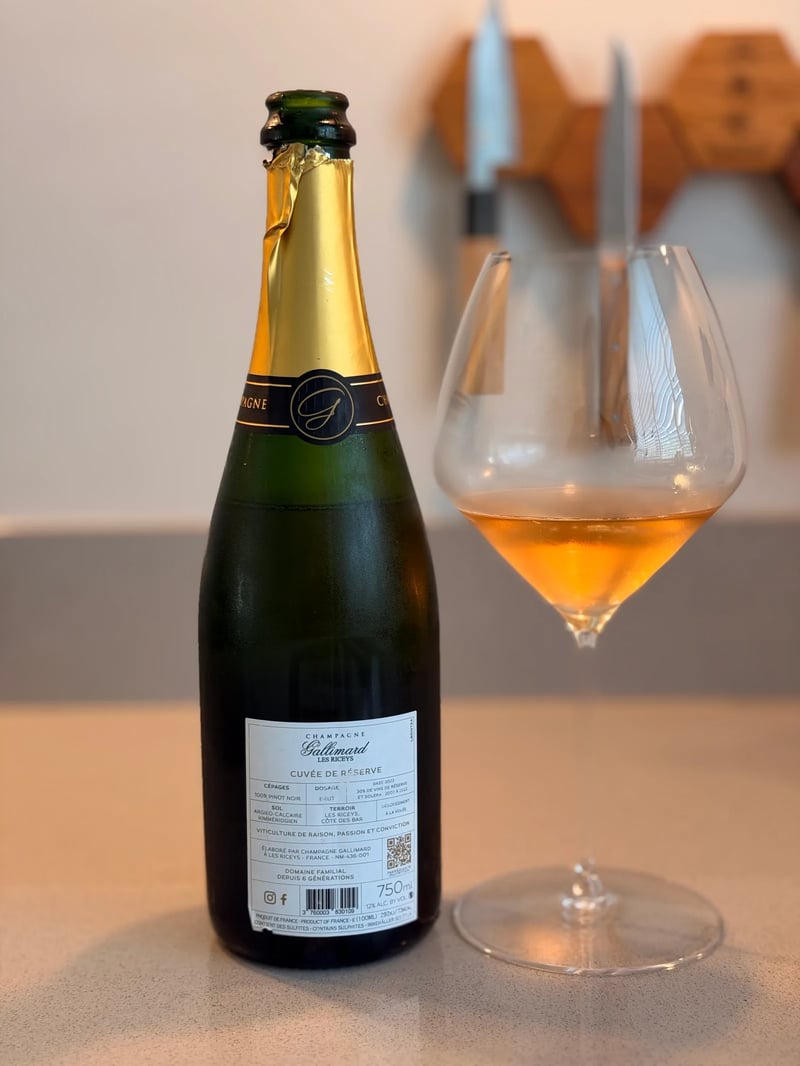
Appearance
Amber pulling towards copper, with a pink cast against the light and a real glow to it. For a wine carrying blanc on the label, that is a long way from what you expect.
Nose
Plenty of red fruit, cut through by citrus that separates into lemon and orange peel. Apple and pear underneath, cherry alongside, and a broad spiciness holding the whole thing together.
Palate
A very fine, full bead. The creaminess fills the mouth and the wine still comes across fresh. That is the tension this cuvée runs on: weight from the solera, freshness from the soil.
Finish
Fresh and clean, carrying the same spiced edge the nose promised. No brioche, no toast.
Quality
Of the two bottles in this box, this is the quieter one and the more complete one. The bottle I would buy again.
Two caveats
The colour will break expectations. Open a bottle with “blanc” on the label, watch copper come out, and most people reach for oxidation or age as the explanation. Neither applies here, but explain it before you pour or your guest tastes against their own surprise.
Two years on lees is also short for a cuvée that leans on reserve wine. Non-vintage champagne legally needs fifteen months after tirage, twelve of them on lees, so Gallimard clears it, though not by much. The breadth here comes from the solera, not from autolysis. If brioche and toast are what you are after, look at a different price bracket. At 7 grams of dosage, the sugar is doing part of the job longer ageing might have done.
Practically it is easier than expected. At release Vindeux sold it separately in their shop for 38 euros, and the fête-deux subscription works out at 31.50 a bottle. Stock is finite though: a new drop of two champagnes lands every month.
What to pour it with
Red fruit with citrus and spice behind a copper appearance asks for something with body but no weight. Grilled chicken works, aged comté too. Smoked salmon is the safest aperitif partner, because the smoke does not flatten the solera note.
The other bottle from the same box, the rosé de macération, sits in my tasting notes on the Cuvée Rosé. The estate itself, and the code printed on the label, I cover in the Champagne Gallimard portrait.
This bottle came from my own paid Vindeux subscription. No press sample, no commercial relationship.
Sources
- Primary: back label of Champagne Gallimard Cuvée de Réserve Blanc de Noirs; Vindeux information flyer, edition 34, July 2026
- Additional: Champagne Gallimard Père et Fils
More on Wine Review
Barbadillo Jopo de Lobo: Organic Pedro Ximénez
Jopo de Lobo from Barbadillo: organic Pedro Ximénez from sun-dried grapes. Coffee, dark fruit, blossom. €15.95 for a half bottle of 0.375 litres.
Read on →
Barbadillo Salicornia: Organic Manzanilla en Rama
Salicornia, Barbadillo's organic manzanilla en rama: flor, baked apple, salt and a brand-new solera. €25.95 at Granada Wijnen, with discount code.
Read on →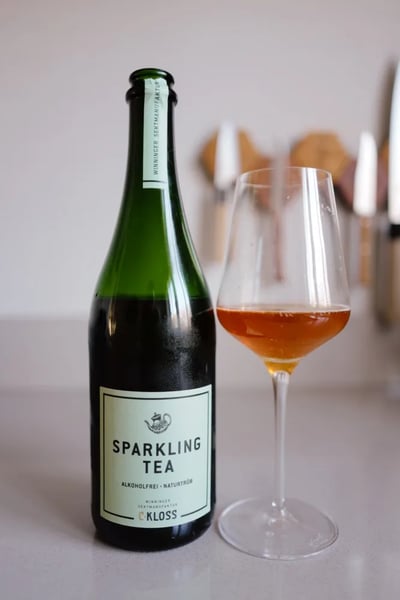
C. Kloss Sparkling Tea Weiss: Fermented Celery
Non-alcoholic sparkling tea Weiss from C. Kloss: linden blossom, nettle and fermented celery. Dry, 2.7 g sugar per 100 ml, €14.99 at Amavine.
Read on →