

Zebra striping: alternating alcohol and alcohol-free
Zebra striping means alternating alcoholic and alcohol-free drinks through one evening. How it works, and which alcohol-free wines actually hold up.

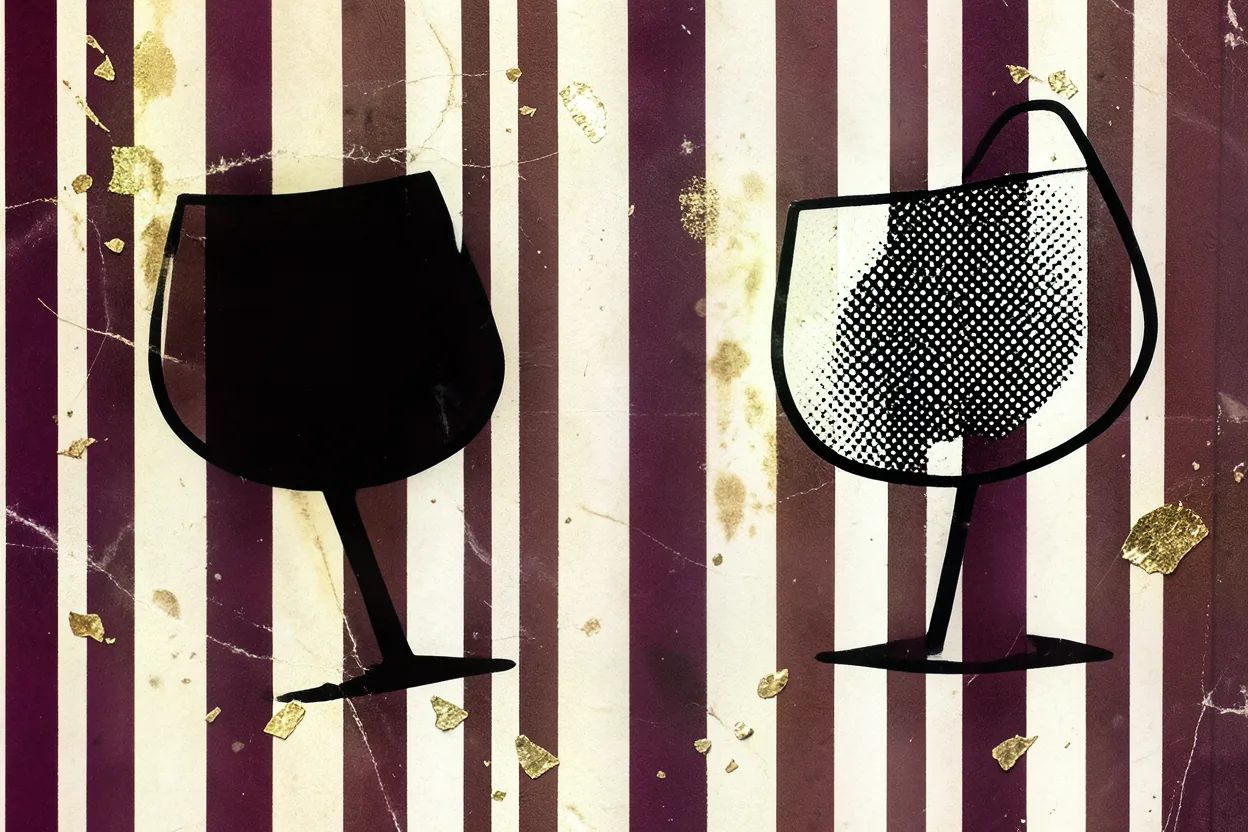
Zebra striping is a terrible name for a sensible idea. The zebra striping drinking pattern means alternating between alcoholic and alcohol-free drinks across one evening: a glass of wine with dinner, an alcohol-free sparkler after, and so on, stripe by stripe. IWSR research flags it as one of the patterns shaping how people drink this year, especially among younger drinkers.
My first instinct was suspicion. Drinking water between glasses is as old as wine itself, and nobody needed a name for it. But there is a real difference here, and it sits in what fills the second glass.
Why this beats a glass of water
Order water at a dinner party and you step outside the ritual. Different glass, different moment, and after the second refusal your host stops offering. That is why moderation so often fails. Craving alcohol has little to do with it. Nobody wants to stand outside the circle.
Zebra striping works because the alternative takes the ritual seriously. An alcohol-free sparkling wine in a proper glass participates at the table. You toast along with something that has acidity and tension, and your palate stays sharp for the bottle that matters.
That last point is the strongest argument. Drink steadily through an evening and by the third glass you taste very little. Alternate, and every pour of the real thing lands on a fresh palate. Drinking less becomes a tasting strategy rather than a sacrifice.
Two honest caveats
First, the term comes from an industry that needs the no/low category to succeed. Wine consumption keeps declining across Europe, and every producer wants a story that moves alcohol-free bottles off the shelf. “Zebra striping” sounds like consumer behavior, but it doubles as a sales pitch. Worth remembering before you adopt a trend word as a lifestyle.
Second, the whole idea stands or falls on the quality of the alcohol-free glass. And that is where it gets uncomfortable. Much still alcohol-free wine remains disappointing: thin, sweetish, closer to juice than to wine on the nose. Start your first zebra evening with a random dealcoholized red and you will quit after one glass, with good reason.
The alcohol-free wines that hold up
After a long run of bottles reviewed for this site, a pattern is clear: sparkling and fermented alternatives work, still wine stays risky. Carbon dioxide and acidity build structure that partly covers for the missing alcohol. In practice:
For the aperitif
The Belgian spirits from NONA make a serious tonic, and Feral’s fermented aperitifs show how complexity can be built without alcohol. This is the easiest stripe of the evening: an aperitif is short and built on freshness.
Alongside wine at the table
Zeno’s sparkling rosé held its own next to proper cava when I poured them side by side. Sparkling tea is the bigger surprise: tea tannin and acidity deliver a gastronomic structure that dealcoholized wine rarely reaches.
If you want red
The hardest category, with one exception I kept refilling: Rouge en Voiture. The Cul Sec wines prove the same point from another angle: unripe grapes and smart vinification beat dealcoholization alone.
For the technical definition, and why the legal threshold sits at 0.5% ABV, see the lexicon entry on alcohol-free wine.
How to plan a zebra evening
Not every moment of an evening suits an alcohol-free pour equally well. My running order after a year of trying:
- Aperitif: alcohol-free. The best options live here, and you start the evening sharp.
- With the main course: the real bottle. This is the glass you cleared the evening for. Do not economize here.
- After dinner: back to alcohol-free. A sparkling tea or alcohol-free sparkler keeps the ritual intact while the evening winds down.
You end up drinking half as much and tasting more. The wine at dinner gets the attention it deserves because nothing rolls over it before or after.
Frequently asked questions
Is zebra striping just drinking less?
It is a form of drinking less that keeps the ritual intact. You skip no moments; you fill them differently. That makes it far easier to sustain than dry months or declining drinks at parties.
Does zebra striping work with beer?
Even better. Alcohol-free beer is technically ahead of alcohol-free wine, and the quality gap with the original is smaller. Beer drinkers have alternated this way for years without naming it.
Which alcohol-free wine tastes least alcohol-free?
Sparkling wines. Carbonation, acidity and a cold serving temperature mask the missing alcohol best. Still red is the toughest category and disappoints most often.
Start with one bottle
All the zebra striping drinking pattern asks of you is one good alcohol-free bottle in the fridge, so the alternative already exists at the moment you reach for it. Put a sparkling tea or an alcohol-free sparkler in there this weekend and serve it in a wine glass. Then feel free to forget the name immediately.
Sources
More on Non-Alcoholic
Drink Less, Drink Better: The No/Low Shift of 2026
Drinking less but better is a taste decision, not a diet. What the 2026 no/low numbers mean, and when alcohol-free actually holds up in the glass.
Read on →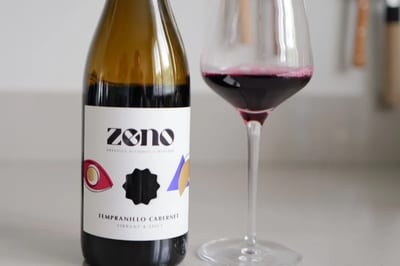
Zeno Tempranillo Cabernet: alcohol-free red
Zeno Tempranillo Cabernet is an alcohol-free red wine from Spain. Tasting notes, why alcohol-free red is the hardest category, and when it still works.
Read on →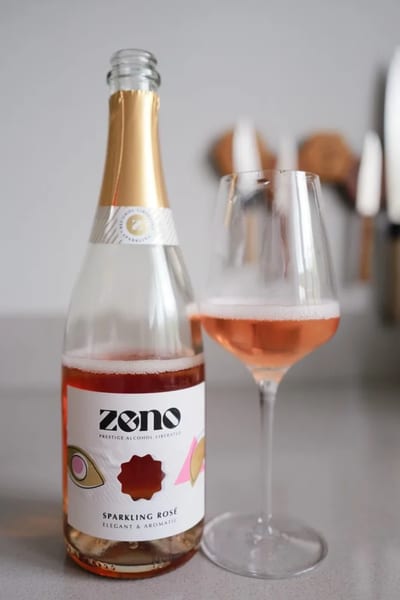
Zeno Sparkling Rosé: alcohol-free bubbles
Zeno Sparkling Rosé is an alcohol-free sparkling rosé from Spain. Tasting notes, how it compares to the Sparkling White, and when to pour it.
Read on →