

Cul Sec: Alcohol-Free Wines with Wine-World Depth
Cul Sec builds its alcohol-free drinks from organic grape juice, infusions and kombucha rather than dealcoholised wine. Two bottles tasted, with caveats.
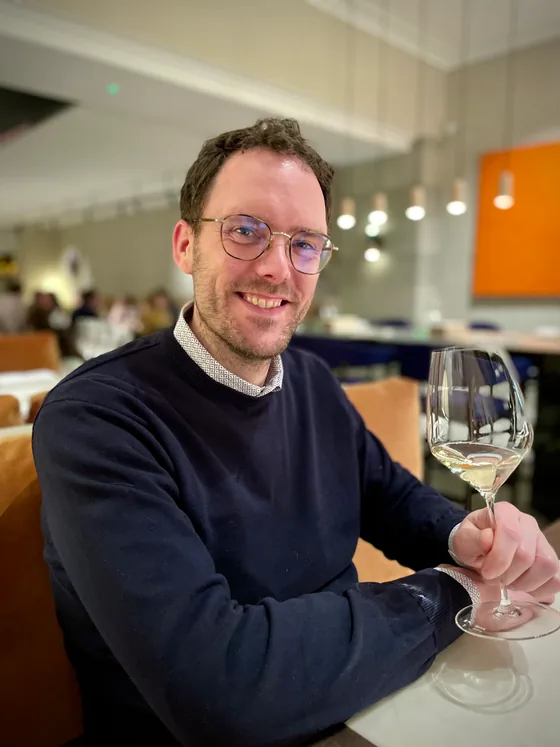
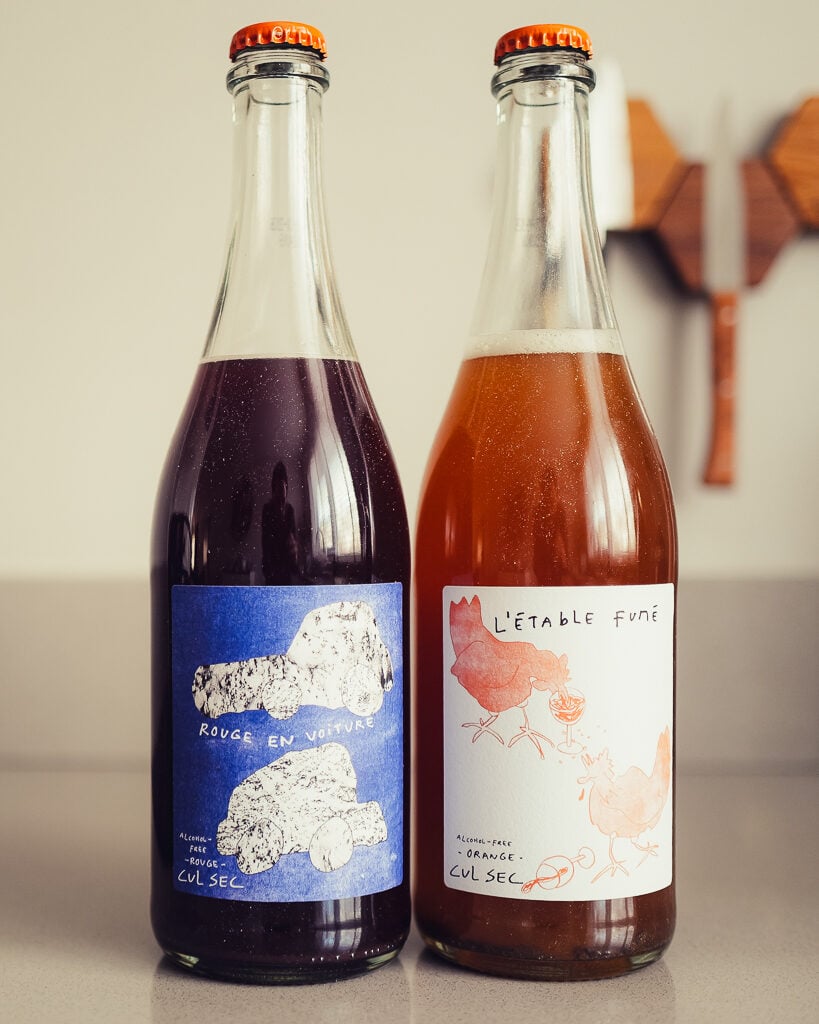
Cul Sec alcohol-free wine comes from de Fruitslagers, and is aimed at natural wine drinkers. I tasted L’étable Fumé and Rouge en Voiture with Fleur of de Fruitslagers for episode 8 of Sparks. She is clear that it isn’t natural wine, since the process is different. What they chased are the flavours natural wine drinkers know.
Regenerative roots
De Fruitslagers is the umbrella name for a cluster of brands. They began nine or ten years ago with Roze Bunker, a syrup brand, and over the past year launched Cul Sec and the alcohol-free spirits of Fieldkite. Their own leftover streams become condiments. Herbs and other ingredients come from regenerative farmers and growers, which Fleur says is about restoring the landscape and improving the soil.
How it’s built
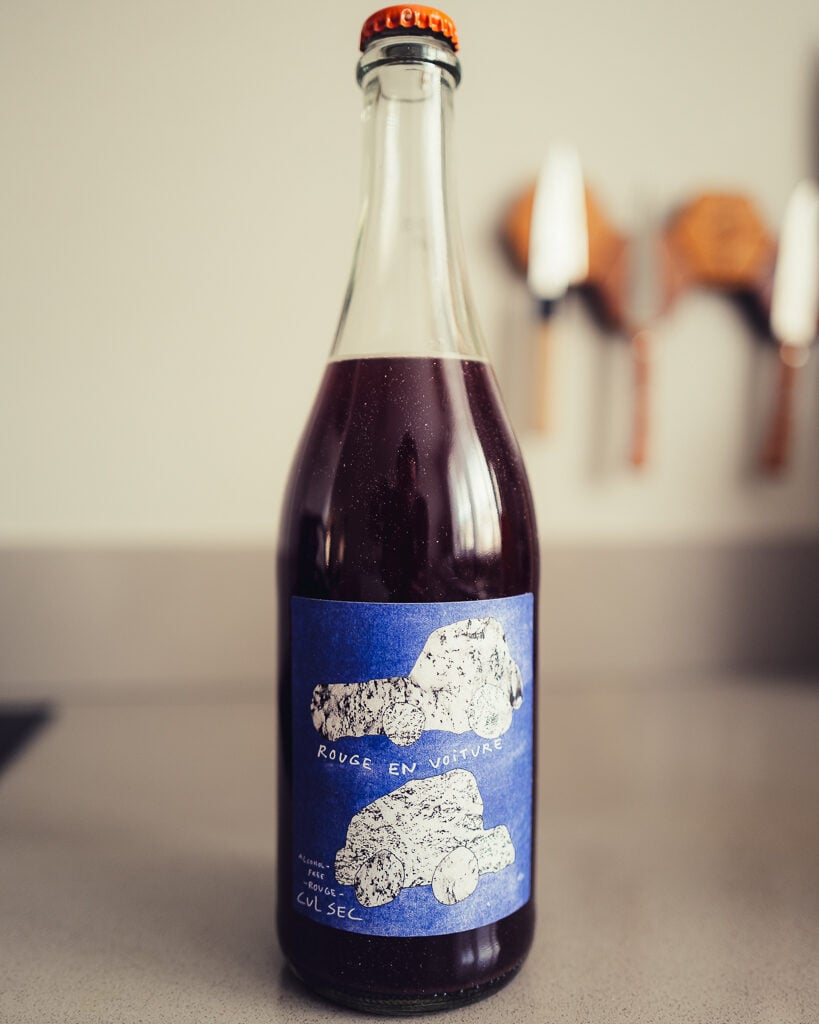
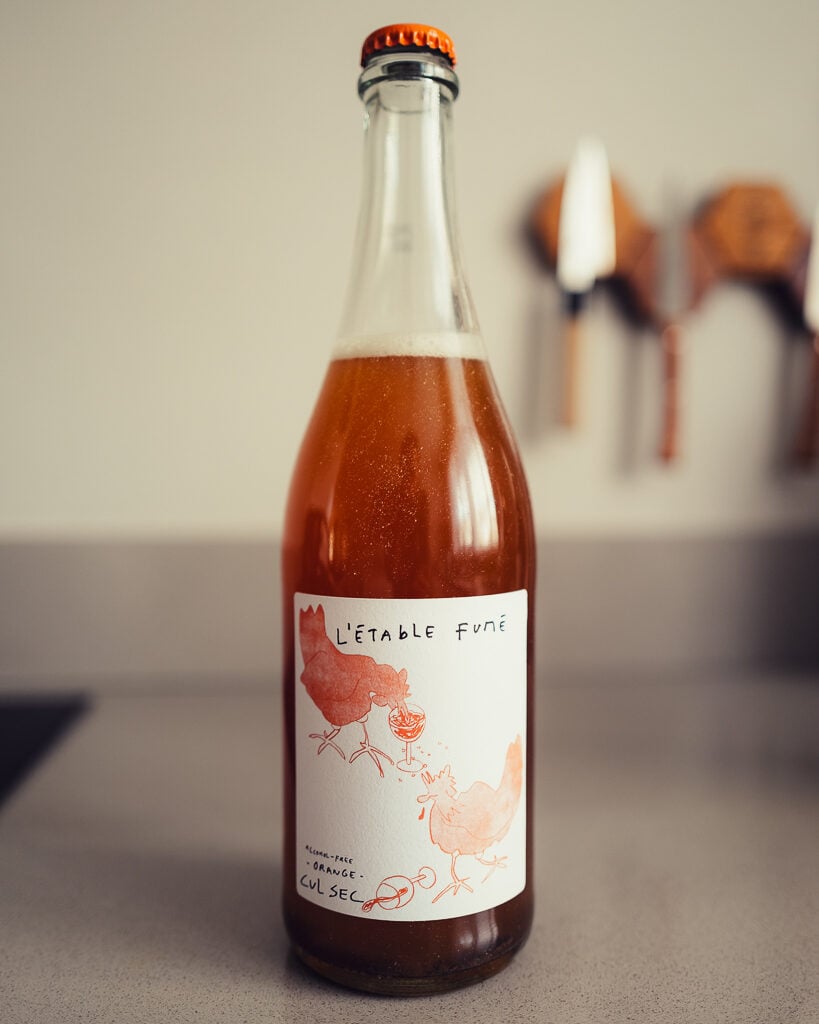
The team took a technical look at what wine does on your tongue and in your throat, and how to recreate that without alcohol. They deliberately don’t dealcoholise wine, because in Fleur’s view too much flavour is lost that way. The base is juice from organic grapes: Pecorino for the orange, Sangiovese for the red. Water-based infusions and a slow fermentation follow; for L’étable Fumé the skins and must go onto kombucha to draw out the tannins.
Finally they add tinctures drop by drop, infusions in alcohol, up to the 0.5 percent alcohol mark. Fleur thinks the current level is 0.4 percent or lower, enough to bring back the volatile aromas. The light sparkle is added carbon dioxide, there to stop the drink feeling flat.
In the glass
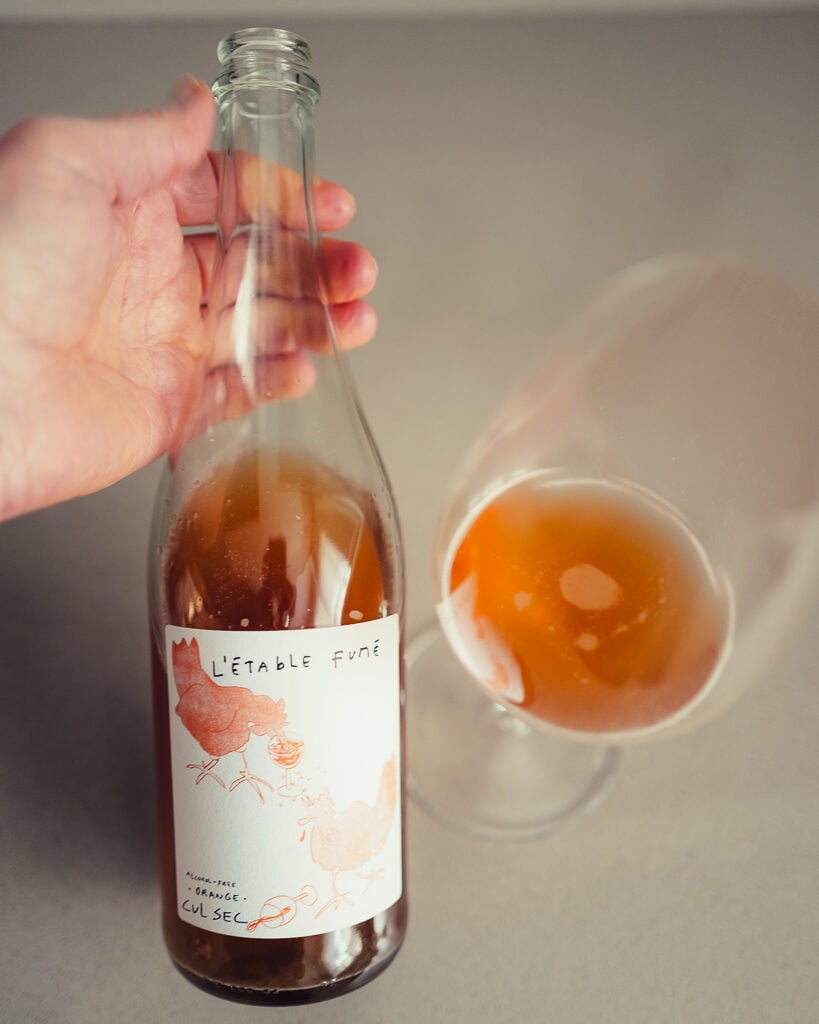
Bits float in L’étable Fumé, and as with natural wine, I rather like that. I get something floral, white tea and jasmine. Fleur picks out dried herbs such as alfalfa and verbena, pear and a funky undertone; the bitterness comes from gentian root. It has the earthy edge of natural wine, doesn’t taste like juice and lingers long and pleasantly.
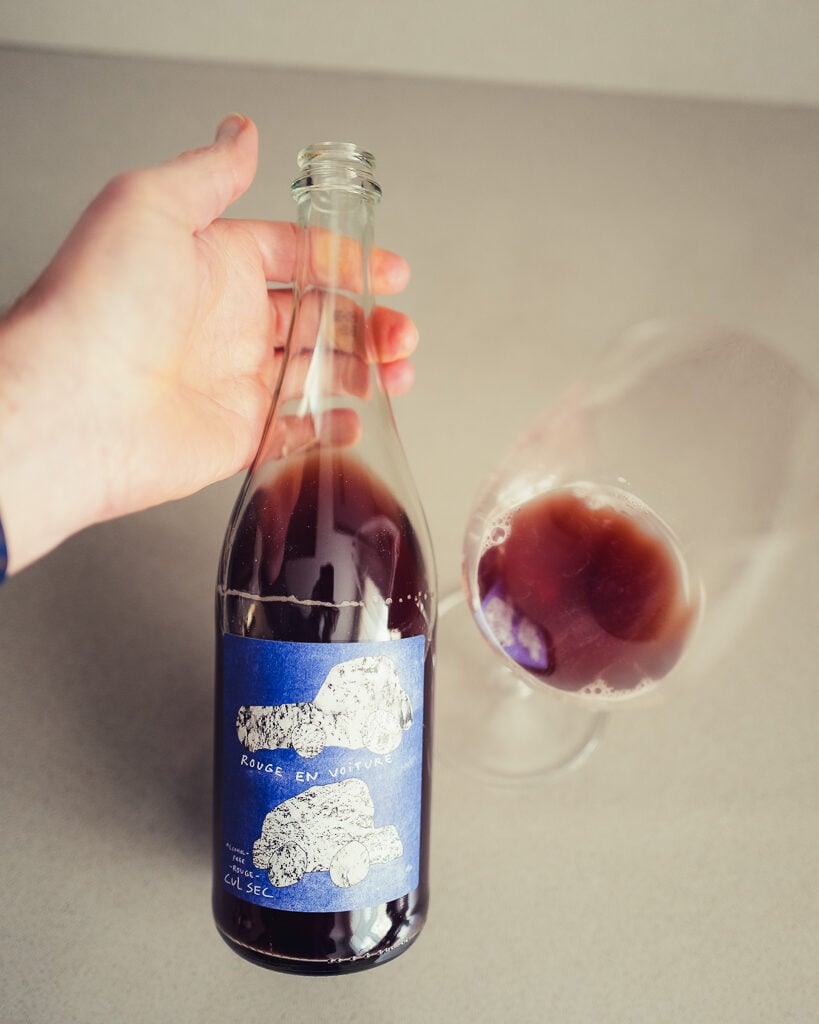
Rouge en Voiture is Sangiovese-based, and Fleur finds hibiscus and redcurrant in it. I taste ripe red fruit, spice and a little smoke, plus a heat that recalls red chilli minus the burn. The recipe explains it: pepper goes in to mimic the throat feel of alcohol, and for the smoke Fleur says they use smoked peat.
As an aperitif
Fleur likes L’étable Fumé as an aperitif, and she sees plenty of restaurants pouring it that way because of its bold flavour. On a summer terrace I wouldn’t miss the alcohol.
Caveats
The grapes are organic, but the bottle is not certified organic. Not every ingredient is: regenerative farmers often have no certification, and sometimes de Fruitslagers choose a leftover stream over an organic product.
Fleur didn’t create the drinks, and she couldn’t say exactly what the floating particles are beyond leftovers from filtered herb infusions. I tasted two bottles the producer sent me, so this is a first impression; I haven’t compared them with other alcohol-free wines.
More information: fruitslagers.nl/culsec
Sources
- Cul Sec / Fruitslagers (official): culsec.com
More on Non-Alcoholic
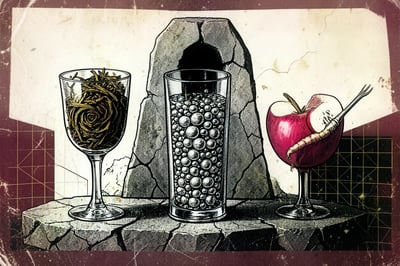
Ron Gastrobar's alcohol-free wine list, minus the wine
The Ron Gastrobar alcohol-free wine list runs on tea and fermented drinks. Sommelier Jacob van Benthem explains why that beats dealcoholised wine.
Read on →
Non-Alcoholic Sparkling Tea, Rewritten by Kloss
Non-alcoholic sparkling tea from the Mosel: fermented celery, wild orchard apples, 0.0%. Five bottles from C. Kloss tasted, with pricing and where to buy.
Read on →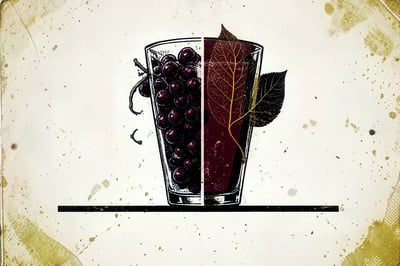
Drink Less, Drink Better: The No/Low Shift of 2026
Drinking less but better is a taste decision, not a diet. What the 2026 no/low numbers mean, and when alcohol-free actually holds up in the glass.
Read on →