

Zavel Pinot Noir 2022: Dutch Burgundy Dreams Realized
Can a Dutch winemaker craft world-class Pinot Noir from German grapes? Zavel's 2022 comes a long way.


Can a Dutch winemaker craft world-class Pinot Noir? After tasting the Zavel Pinot Noir 2022, the answer feels surprisingly optimistic. The grapes don’t come from Dutch soil but from the Pfalz, one of Germany’s warmest wine regions; what sets Zavel apart isn’t the terroir but the hand of winemaker Joni Sloesen, who shapes ripe Pinot fruit into a refined wine with striking restraint at his cellar in Tegelen.
The Pinot Noir Challenge
Pinot Noir earned its reputation as the “heartbreak grape” by being merciless about exposing a winemaker’s mistakes. Too much extraction and you lose the finesse; too little and the wine turns thin. The grape demands perfect ripeness, gentle handling, and a precision that leaves little room for error, wherever the vines happen to grow.
Sloesen buys his fruit in the Pfalz, where Pinot Noir reaches full ripeness in warm, dry summers. The art here isn’t wrestling with a cool climate but taming that ripe fruit: keeping it from going overripe or broad, holding on to the elegance. Temperature-controlled fermentation keeps intact the delicate red fruit character that makes Pinot Noir magical. The twelve months in oak followed by extended bottle aging shows patience, a quality essential for serious Pinot Noir.
Tasting Notes: Purity and Polish
The wine announces itself with remarkable aromatics - pure red raspberry and wild strawberry dancing with subtle farmyard earthiness that adds complexity without overwhelming the delicate fruit profile. There’s nothing heavy or extracted here; instead, the wine speaks with the transparency that separates great Pinot Noir from mere pretenders.
On the palate, the wine’s greatest triumph becomes clear: exceptional juiciness. That juiciness, owed to the ripeness the Pfalz gives the fruit, gives the wine life and energy. The red fruit flavors carry beautifully across the mid-palate, supported by fine-grained tannins that provide structure without creating harsh edges.
The texture reveals careful winemaking - silky yet substantial, with enough body to carry the wine’s complex flavors while maintaining the elegance that defines the variety. The finish extends gracefully, with pure fruit character lifted by subtle spice notes from the oak aging.
What impresses most is the wine’s restraint. In an era of over-extracted, overly heavy reds, this Pinot Noir remembers that elegance and finesse matter more than sheer intensity. The wine whispers rather than shouts, revealing new layers with each sip.
Winemaking Mastery: Temperature and Time
Sloesen’s technical approach reveals a deep understanding of Pinot Noir’s requirements. Temperature control during fermentation preserves the delicate aromatics while extended skin contact builds structure without over-extraction. The careful balance between these competing demands separates accomplished winemakers from hopeful amateurs.
The reductive aging approach adds another layer of complexity. By limiting oxygen exposure during barrel aging, Sloesen preserves the wine’s bright fruit character while allowing slow development of tertiary flavors. This technique requires constant monitoring but rewards patience with wines that age gracefully.
The decision to provide extended bottle aging before release shows admirable restraint in a market pressuring producers for quick returns. This additional aging allows the wine’s various elements to integrate fully, creating the seamless character evident in every glass.
Gastronomic Excellence
This wine’s food-pairing potential truly impresses. A pairing of celeriac and hazelnuts demonstrates the wine’s versatility. At the same time, a combination with goose ravioli showcases its ability to complement rich, gamey flavors without being overwhelmed.
The wine’s bright acidity and moderate tannins make it exceptionally food-friendly, able to handle everything from roasted poultry to mushroom-based dishes. The red fruit character provides enough intensity to stand up to flavorful preparations while maintaining the elegance that makes Pinot Noir such a versatile dining companion.
Value Considerations: Premium Territory
At twenty-three euros, this Pinot Noir enters competitive price territory where it faces established regions with centuries of experience. Burgundy villages’ wines, Loire Valley Pinot Noirs, and German Spätburgunders all compete at similar price points, each bringing historical credibility that emerging regions cannot match.
Yet this wine holds its ground admirably. The quality justifies the price, even if the terroir’s reputation hasn’t caught up to the winemaking skill. For wine lovers willing to explore beyond established names, this Pinot Noir offers genuine discovery potential.
The wine’s most significant limitation isn’t quality, but context - it lacks the romantic narrative and historical validation that drive premium wine pricing. This creates an opportunity for adventurous consumers while challenging producers to prove their worth solely through quality.
What This Says About Dutch Winemaking
This Pinot Noir represents more than individual achievement; it shows what a Dutch winemaker can accomplish with carefully selected fruit. The combination of sharp grape selection, restrained vinification, and patient aging creates a wine worthy of serious consideration.
Zavel claims no terroir of its own, nor Burgundy’s refinement; the strength is in the cellar, not the vineyard. Sloesen buys ripe Pfalz fruit and shapes it with a precision that shows craftsmanship isn’t bound to an origin. It does raise an honest question: how much of what you taste is Pfalz Pinot Noir, and how much is the winemaker’s hand? With this bottle, the answer feels like both.
For those willing to explore beyond familiar names, this wine offers both immediate pleasure and a glimpse of what a new generation of Dutch winemakers can do with borrowed terroir.
Sources
- Vereniging Nederlandse Wijnproducenten: nederlandsewijnproducenten.nl
More on Wine Review
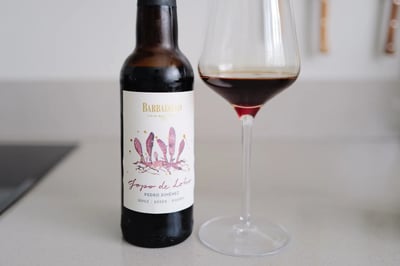
Barbadillo Jopo de Lobo: Organic Pedro Ximénez
Jopo de Lobo from Barbadillo: organic Pedro Ximénez from sun-dried grapes. Coffee, dark fruit, blossom. €15.95 for a half bottle of 0.375 litres.
Read on →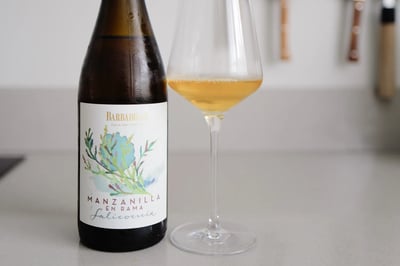
Barbadillo Salicornia: Organic Manzanilla en Rama
Salicornia, Barbadillo's organic manzanilla en rama: flor, baked apple, salt and a brand-new solera. €25.95 at Granada Wijnen, with discount code.
Read on →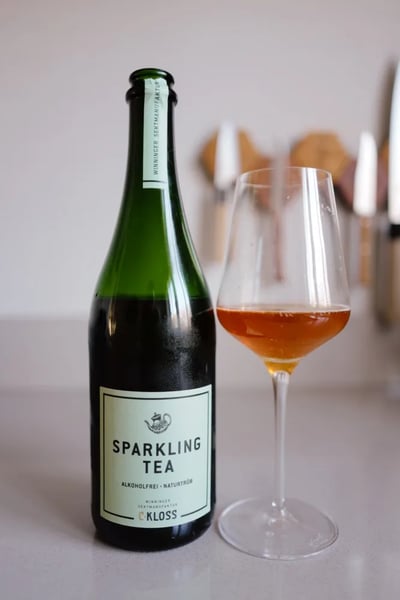
C. Kloss Sparkling Tea Weiss: Fermented Celery
Non-alcoholic sparkling tea Weiss from C. Kloss: linden blossom, nettle and fermented celery. Dry, 2.7 g sugar per 100 ml, €14.99 at Amavine.
Read on →