

Zavel Kerner 2023: Dutch Winemaking, German Grape
Zavel's Kerner 2023 hits like a bolt of citrus lightning. A Dutch winemaker brings a traditional German grape to crystal-clear, steel-driven life.
The first sip hit like a bolt of citrus lightning. The Zavel Kerner 2023 announces itself with such vivid intensity that you can’t help but sit up and take notice. This isn’t just another white wine - it’s a masterclass in how emerging wine regions can honor traditional grape varieties while creating something uniquely their own.
Understanding Kerner: Germany’s Aromatic Crossing
Kerner remains one of Germany’s best-kept secrets outside wine circles. Created in 1929 by crossing the noble Riesling with the red Trollinger grape, this variety combines Riesling’s legendary acidity with additional aromatic complexity. While often relegated to bulk wine production, quality-focused producers like Zavel’s Joni Sloesen prove Kerner’s potential for serious winemaking.
The grape’s dual heritage creates fascinating contradictions - it offers Riesling’s spine-tingling acidity while adding tropical fruit notes that its famous parent lacks. In Germany’s Pfalz region, where Zavel sources these grapes, Kerner thrives in the warm, dry conditions, developing concentrated flavors that Sloesen turns into a crystal-clear wine at his cellar in Tegelen.
Tasting Notes: Citrus Symphony in Steel
Lifting the glass reveals an immediate explosion of aromatics. Bergamot dominates - not just lemon, but that distinctive Earl Grey tea complexity that makes your nose tingle with anticipation. Underneath, lime zest mingles with subtle nectarine and white peach, creating layers that unfold with each swirl.
The palate delivers everything the nose promises and more. That first sip carries electric acidity that makes your mouth water instantly - the kind of precise, mineral-driven spine that German wines do better than anyone. Flavors of ripe green apple and grapefruit pith dance across your tongue, while the finish extends with clean, almost saline minerality.
What strikes me most is the wine’s purity. There are no distracting oak flavors or excessive richness - just crystal-clear fruit expression that speaks directly to the grape’s character. The texture remains light and almost dancing, never weighing down the palate despite its concentrated flavors.
Winemaking Philosophy: Steel and Precision
Sloesen’s approach to this Kerner reflects his broader philosophy: spontaneous fermentation on wild yeast, as with all his wines, and as little intervention as possible around it. No added yeast, no steering from above; the grape gets the room to be itself.
The steel-tank aging preserves every nuance of the grape’s natural aromatics while allowing the wine’s natural acidity to shine. Temperature-controlled fermentation at 19-20°C maintains those delicate tropical notes that would disappear at higher temperatures. The decision to avoid malolactic fermentation keeps the wine’s acidity razor-sharp, though careful pH management prevents any harsh edges.
This represents minimalist winemaking at its best - letting the grape speak for itself while providing just enough technical support to ensure quality. The low yields from the Pfalz vineyards provide concentration, while swift transport to Tegelen preserves freshness.
Value Proposition: Excellence at €15
At fifteen euros, this Kerner offers exceptional value in an inflated wine market. Compare it to similar German Kerners, which often cost 20-25% more, and the value becomes even clearer. You’re getting serious winemaking, low-yield fruit, and distinctive terroir expression at an accessible price point.
That said, this style asks something of the drinker. The razor-sharp acidity and all-steel profile leave little room for anyone seeking texture and mouth-filling richness; this is a wine that chooses precision over opulence. It’s a deliberate choice that fits Sloesen’s philosophy, but it makes this Kerner a wine to enjoy keenly rather than one to sink into.
This Kerner succeeds brilliantly as an introduction to both the variety and Zavel’s broader philosophy. It offers immediate appeal while hinting at the more complex expressions found elsewhere in the range.
Sources
- Vereniging Nederlandse Wijnproducenten: nederlandsewijnproducenten.nl
More on Wine Review
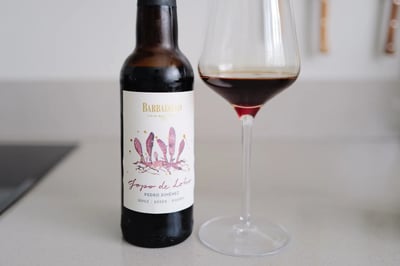
Barbadillo Jopo de Lobo: Organic Pedro Ximénez
Jopo de Lobo from Barbadillo: organic Pedro Ximénez from sun-dried grapes. Coffee, dark fruit, blossom. €15.95 for a half bottle of 0.375 litres.
Read on →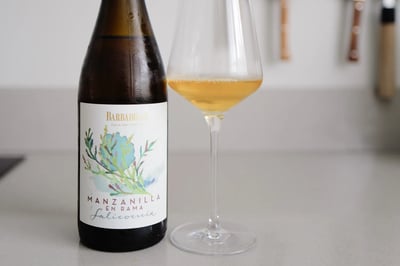
Barbadillo Salicornia: Organic Manzanilla en Rama
Salicornia, Barbadillo's organic manzanilla en rama: flor, baked apple, salt and a brand-new solera. €25.95 at Granada Wijnen, with discount code.
Read on →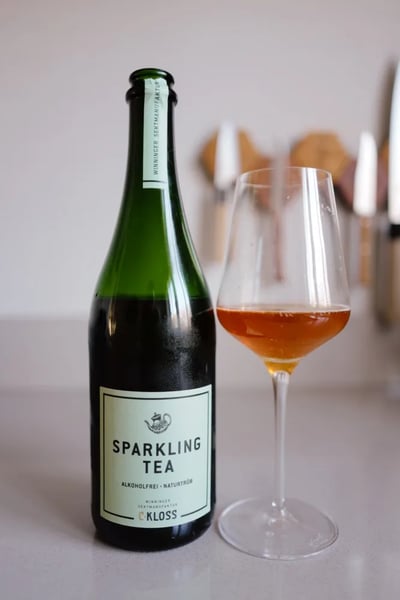
C. Kloss Sparkling Tea Weiss: Fermented Celery
Non-alcoholic sparkling tea Weiss from C. Kloss: linden blossom, nettle and fermented celery. Dry, 2.7 g sugar per 100 ml, €14.99 at Amavine.
Read on →