

Piera 1899 Review: Wines from Friuli Venezia Giulia
Piera 1899 in Friuli Venezia Giulia: a woman-led estate making sustainable wines from expressive indigenous grape varieties.

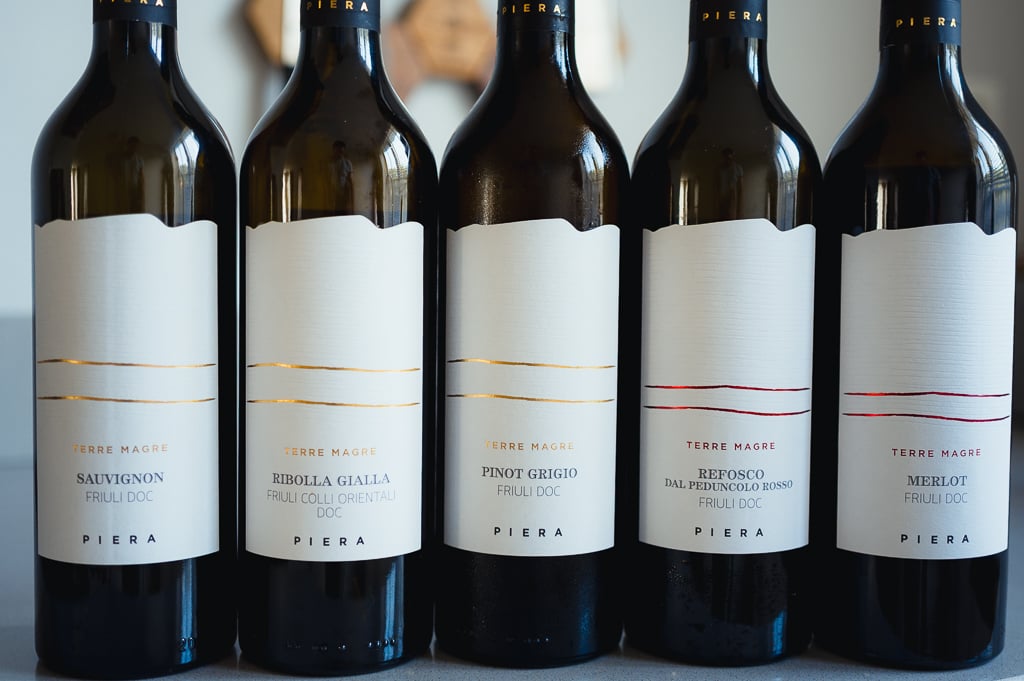
Piera Martellozzo took over the family business in Friuli Venezia Giulia in 1992 and steered it toward organic farming. Since then Piera 1899 wines have built a name for blending indigenous Friulian grapes with international varieties. The wines speak with a clear Friulian accent.
Winemaking Philosophy
The philosophy is called “Pura Terra”; pure earth. The estate has farmed organically since the 1990s, well before it was fashionable. Piera Martellozzo: “We have the privilege to dedicate ourselves, body and soul, to a craft. A conscious choice made every day.”
In the vineyard that means careful plot selection and respect for each grape’s nature. In the cellar, minimal intervention. Sparkling or still, every wine starts with what the terroir has to say.
Vineyard Details
 The vineyards lie at the foot of the Dolomites, in the Friuli Grave area. White pebbles cover the soil; the Magredi. They store heat during the day and release it at night.
Mountains on one side, the Adriatic on the other. Day-night temperatures swing wide, and that swing keeps aromas intense and acidity tight.
Personal tasting notes
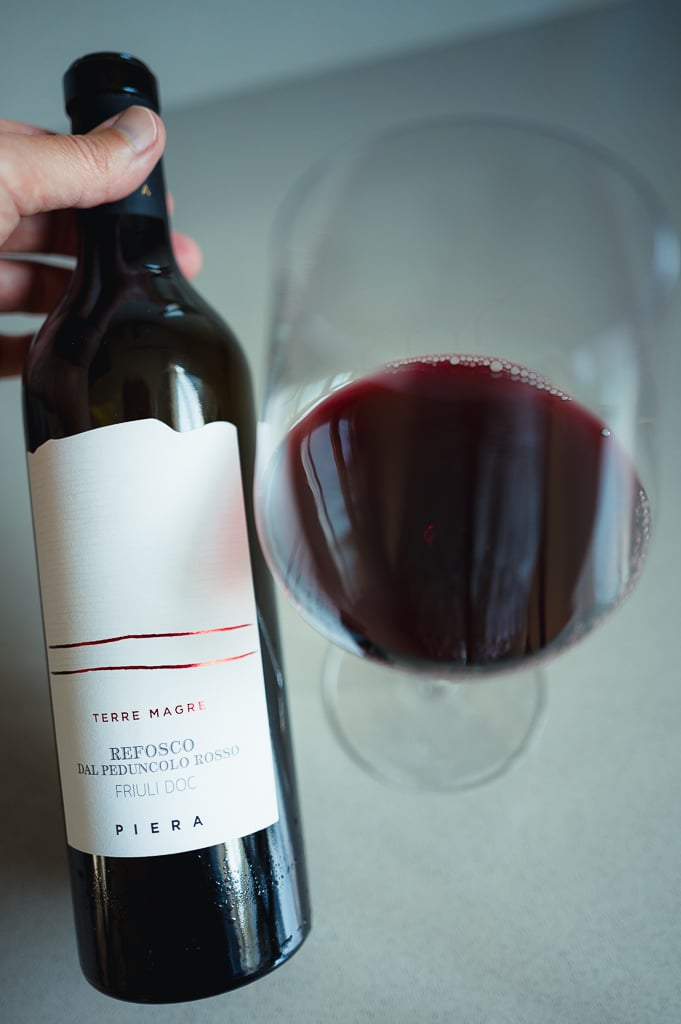
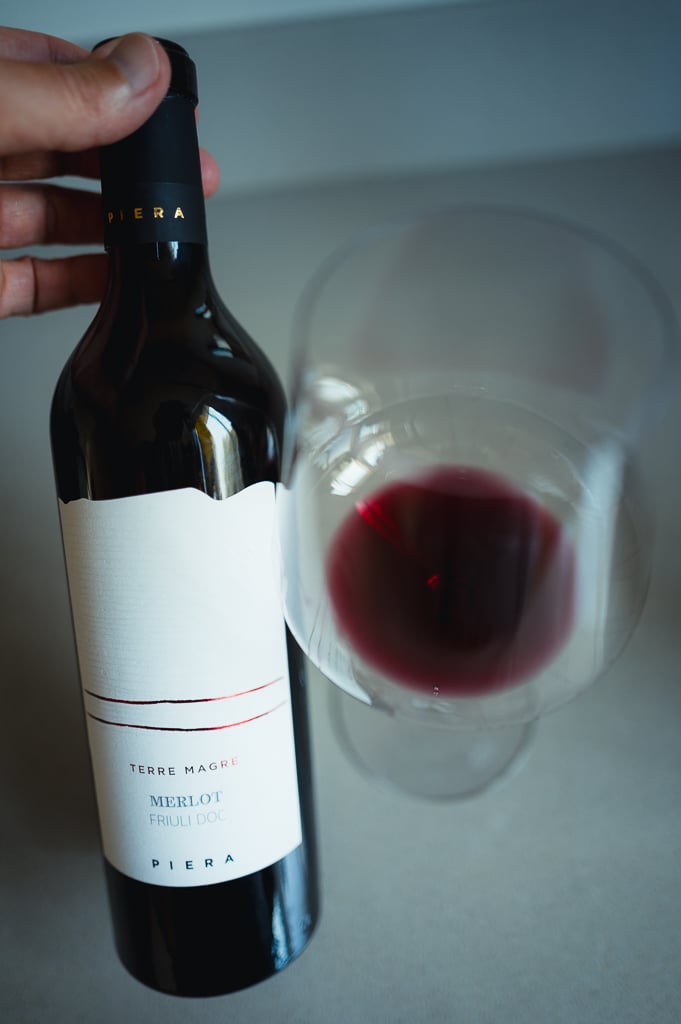
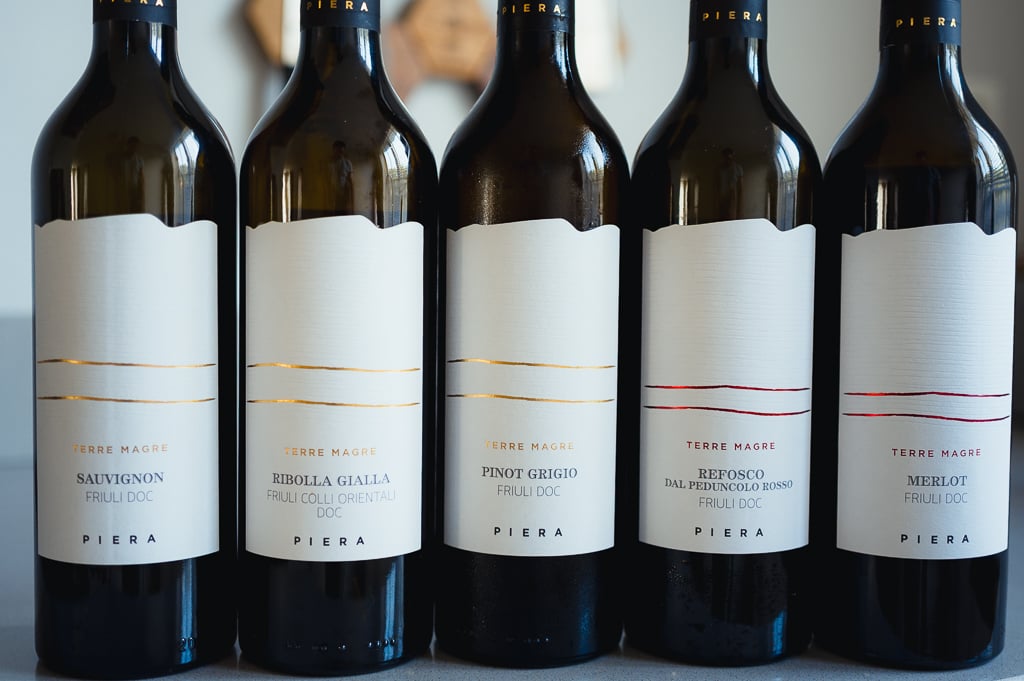
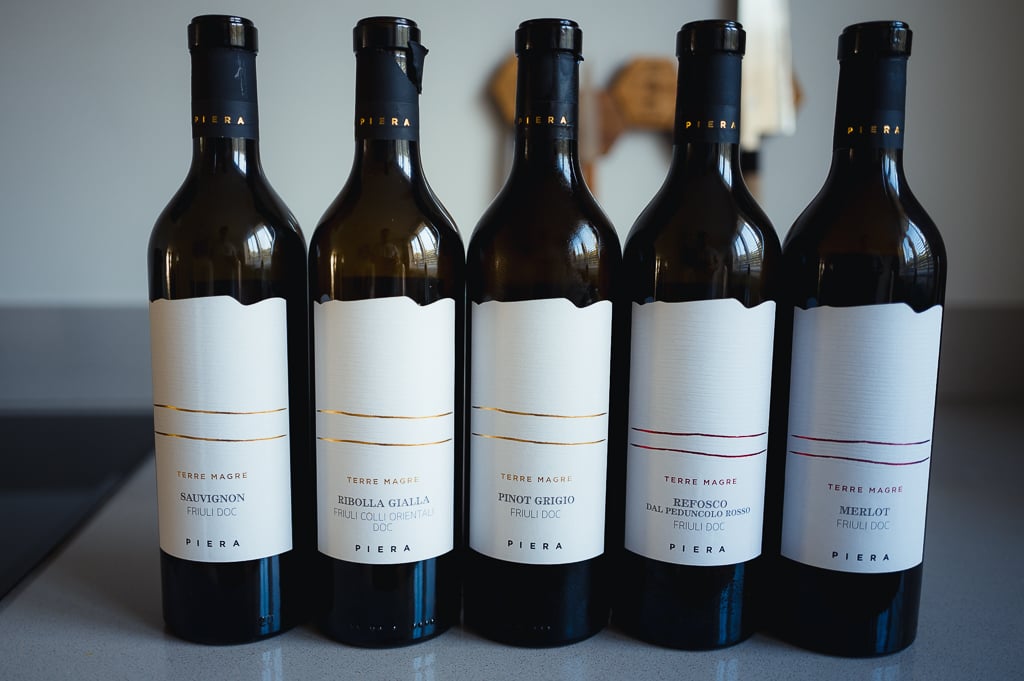 Five bottles on the table, five takes on Friuli. Clean, fresh, expressive; each wine speaks both its grape and its place.
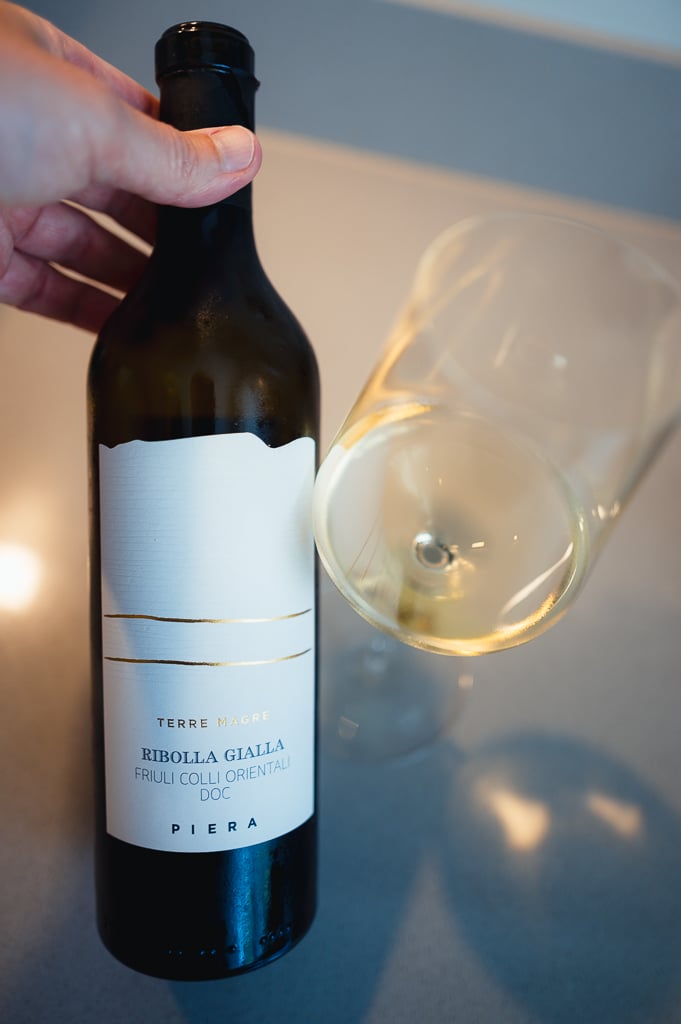
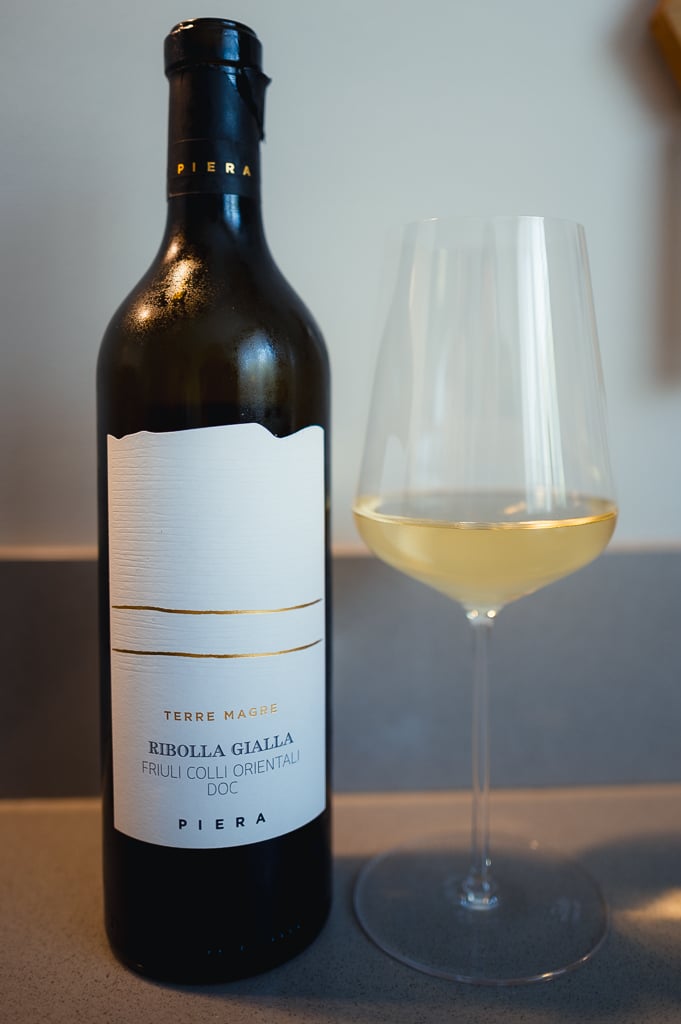
Ribolla Gialla D.O.C. Friuli Colli Orientali
It pours a bright straw yellow with greenish reflections. The nose opens on white rose, gentian, and acacia blossom, with fresh white peach, crisp apple, and pear underneath. On the palate, vibrant acidity carries the freshness, the structure stays balanced, and a zesty edge runs through to the close.
Technical Notes: 13% alcohol, harvested from marly soils using Guyot training system
Food Pairing: Incredibly versatile - I particularly enjoy it as an aperitif, but it shines with white meats, fresh seafood, and traditional Friulian pasta dishes
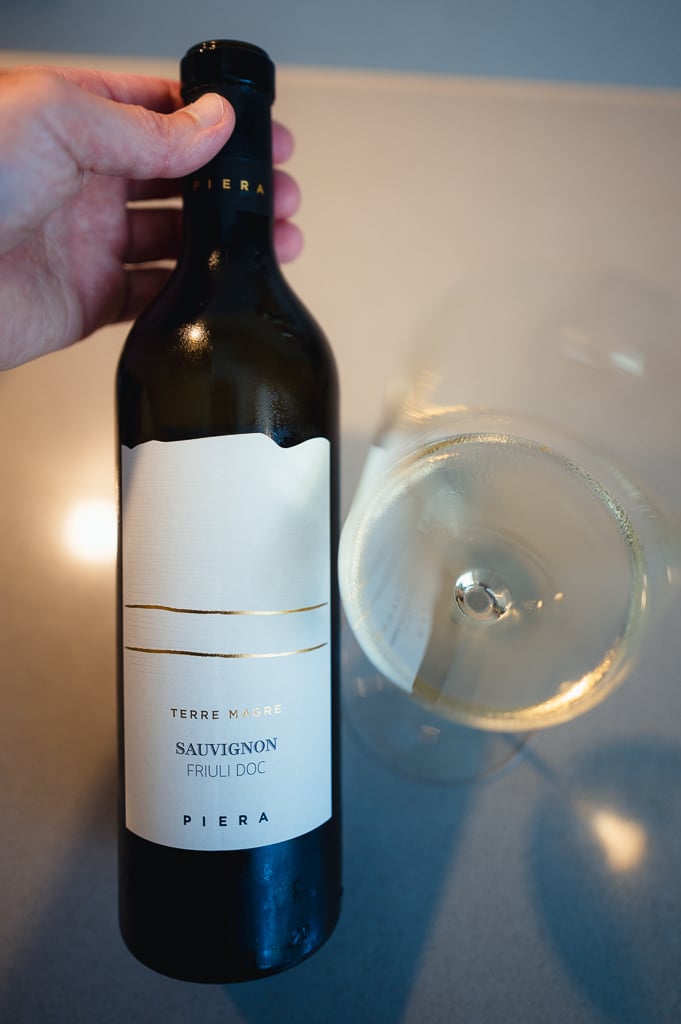
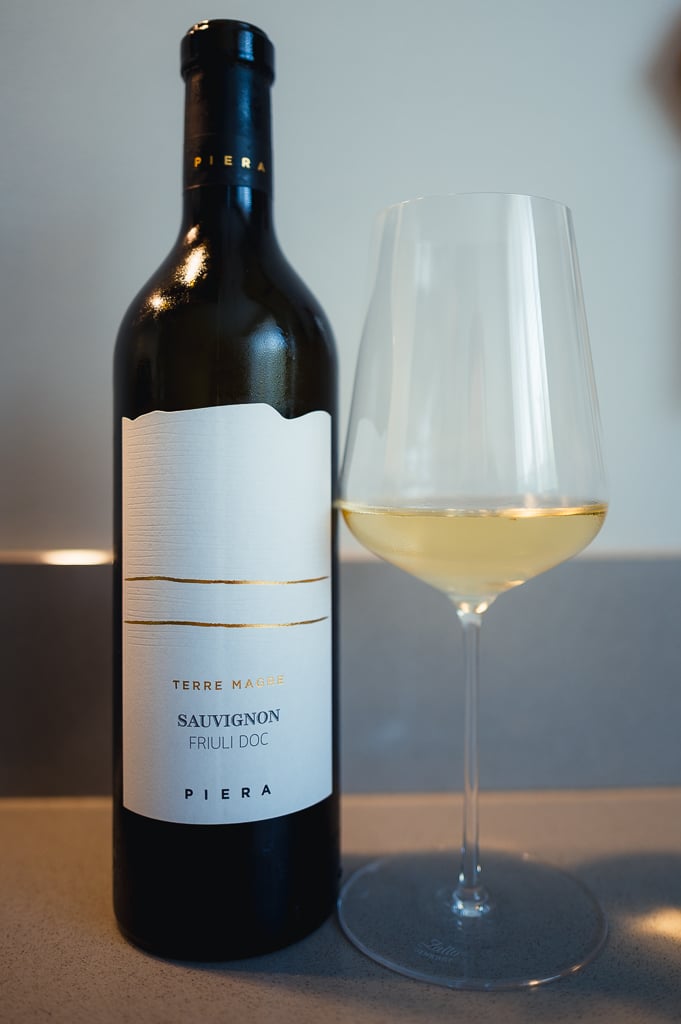
Sauvignon D.O.C. Friuli
Straw yellow in the glass with greenish highlights. The nose is intensely aromatic, with pronounced vegetal notes of sage and bell pepper set against apricot, exotic fruit, and grapefruit. The palate is rich and aromatic, with a generous mouthfeel.
Technical Notes: 13% alcohol, grown in alluvial soils mixed with gravel and sand
Food Pairing: Excellent with fish dishes; I find it particularly compelling with herb-crusted sea bass or vegetable flans
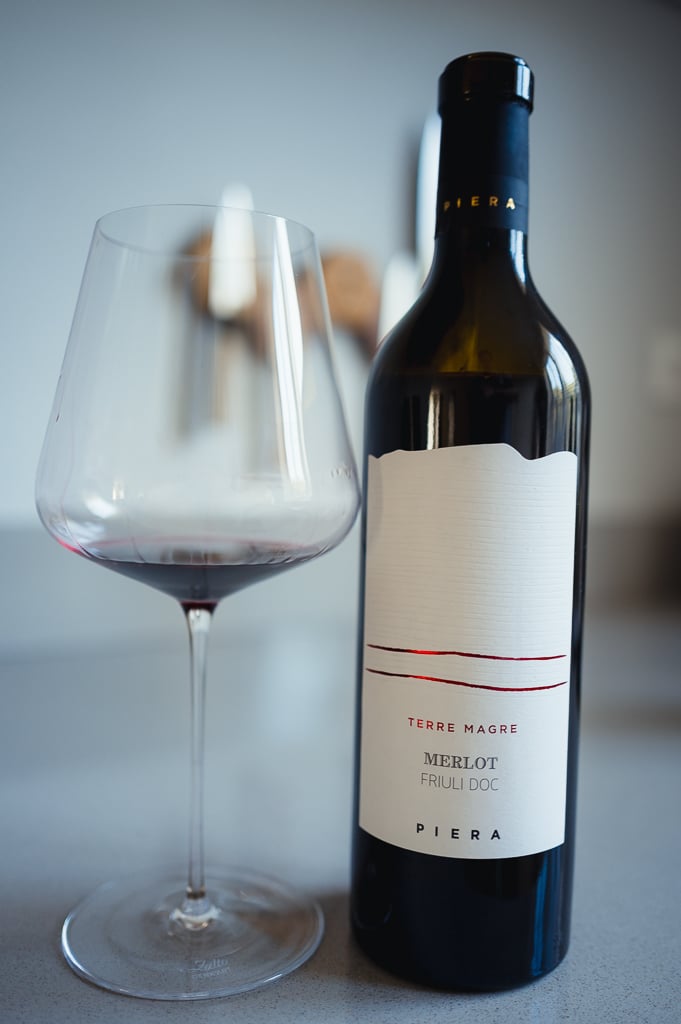
Merlot D.O.C. Friuli
Deep ruby red with violet highlights. The nose offers berries, cherries, and plums. It drinks full-bodied and smooth, a smoothness that traces back to the partial appassimento, and closes on lingering jam, dried plum, and cherry.
Technical Notes: 14% alcohol, unique vinification,n including 60 days of drying for selected grapes
Food Pairing: Outstanding with game and roasted meats; I particularly recommend it with aged cheeses
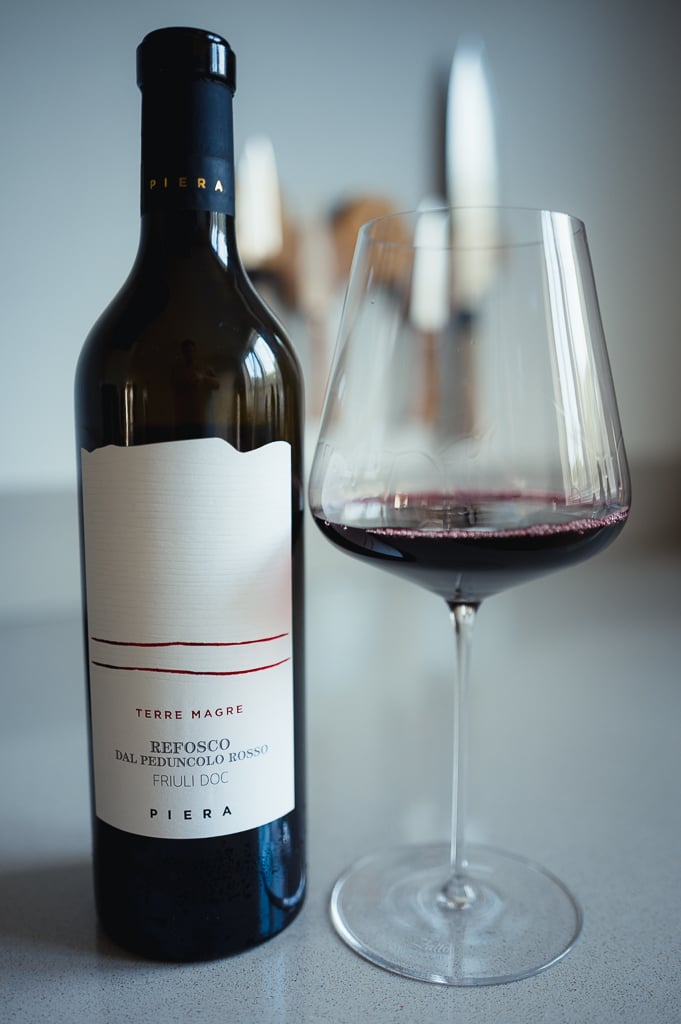
Refosco dal Peduncolo Rosso D.O.C. Friuli
Ruby red with purple undertones. Raspberry and blueberry lead the nose, with a herbaceous note behind them. The palate is full-bodied with refined, silky tannins, crisp acidity and aromatic persistence holding each other in balance, and a spicy finish to close.
Technical Notes: 13% alcohol, extended maceration of 20-25 days
Food Pairing: Traditional pairing with local salumi and roasts; I find it exceptional with medium-aged cheeses
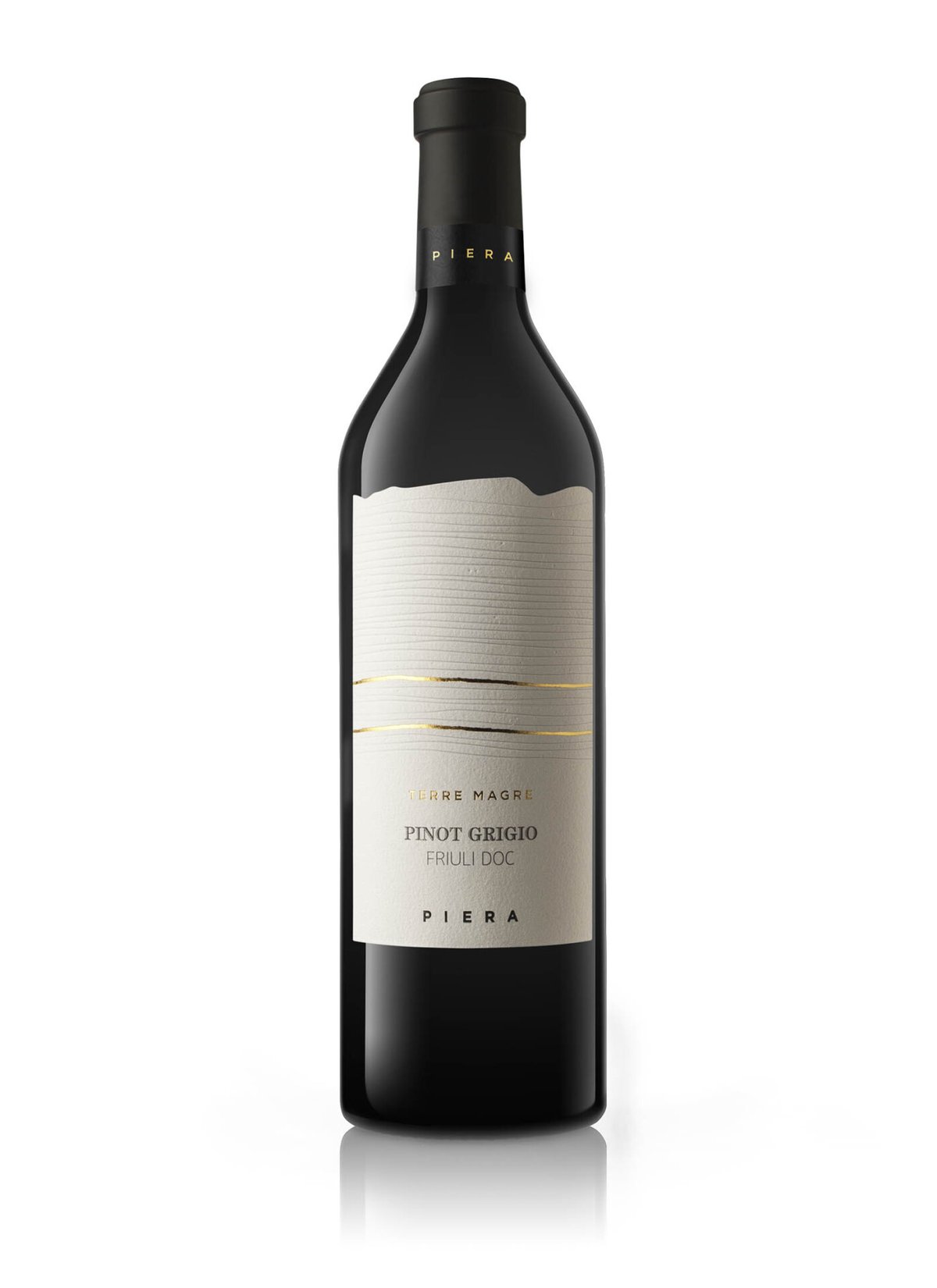
Pinot Grigio D.O.C. Friuli
Bright straw yellow. The nose leads with orange blossom, then fresh apple, pear, and exotic fruit, with a subtle hint of dried fruit. On the palate it balances zesty acidity against a rounder, smoother side, with full flavour development through the middle.
Technical Notes: 13% alcohol, fermented at controlled temperatures of 17-18°C
Food Pairing: Versatile with seafood and white meats; I particularly enjoy it with light fish preparations
Innovation in the Non-Alcoholic Category: Zero di Zero
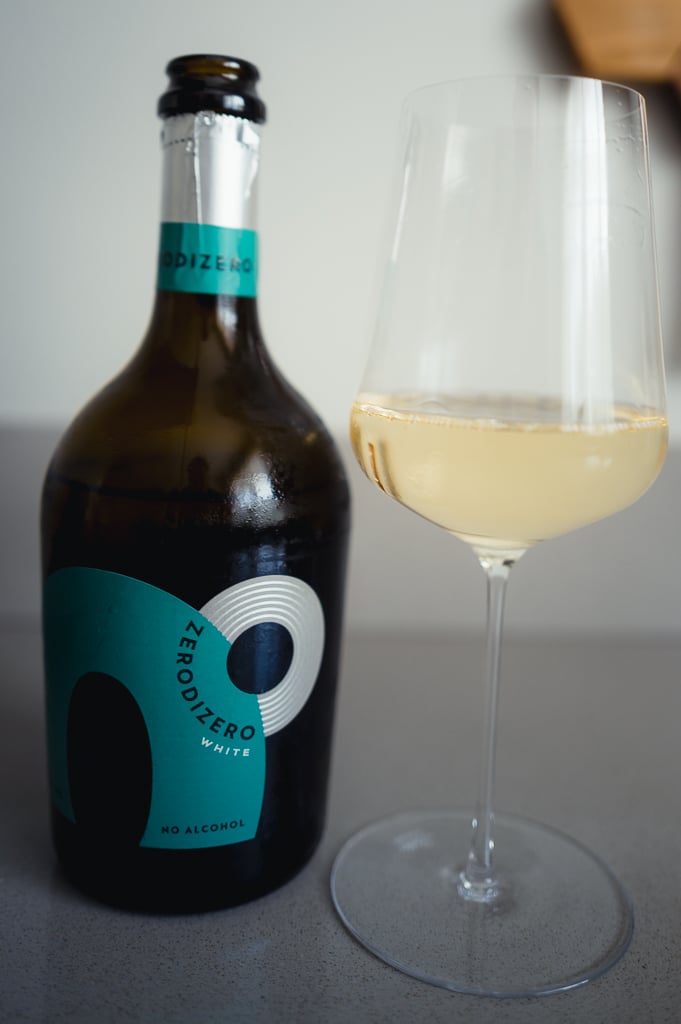
 Zero di Zero is the alcohol-free sparkler from Piera 1899’s lab. I tasted it and was caught off guard: this drinks like wine, not like sweet grape soda.
Technical Profile and Production
Zero di Zero is meticulously crafted using selected white grape must as its foundation. Unlike traditional wine, no alcohol fermentation is initiated, preserving the natural grape sugars. Key specifications include:
Alcohol Content: 0.0% vol
Natural Sugar Content (Fructose): 100 g/l
Shelf Life: Three years
No added sugars - all sweetness comes naturally from the grape must
Tasting Notes
Zero di Zero White (Non-Alcoholic Sparkling)
Light straw yellow, clear, with a fine and persistent perlage. The nose stays delicate: wild flowers and fresh white fruit. On the palate, the natural grape sweetness sits against fresh acidity, the bubbles carry it lightly, and it finishes clean and refreshing with good length.
Food Pairing and Serving
The versatility of Zero di Zero makes it an excellent choice throughout a meal:
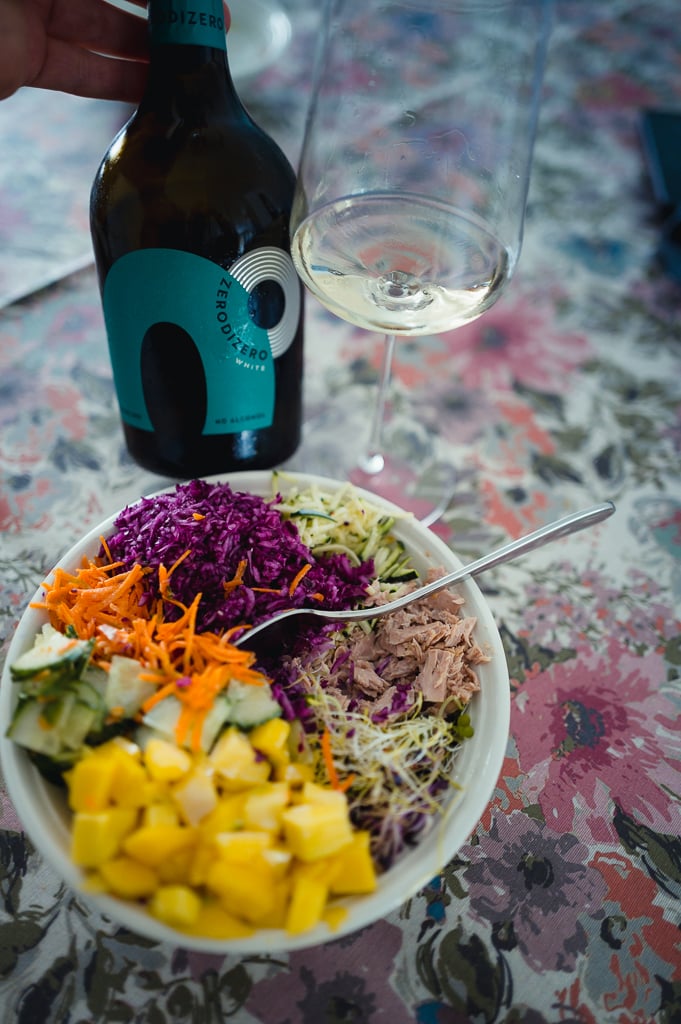
Works beautifully as an aperitif
It pairs well with light dishes and seafood
Creates interesting contrasts with savory foods
Complements desserts naturally
Zero di Zero keeps wine-like complexity without the alcohol. Three-year shelf life with no artificial preservatives; technically a tour de force.
Sustainable Innovation
 Under Piera Martellozzo’s leadership since 1992, the estate has implemented numerous groundbreaking initiatives:
A photovoltaic system providing sustainable energy
Eco-friendly packaging, including lighter bottles and recycled materials
Advanced gas management systems for improved wine preservation
Natural gas conversion for reduced environmental impact
Recent Developments
 Recent investments include a state-of-the-art system for managing dissolved gases in wine, which has cut sulfite use significantly. Lighter bottles, recycled packaging, in-house water treatment. The Zero di Zero fits the same line: moving with the consumer without dropping the bar on quality.
Conclusion
Piera 1899 makes wines that taste of their place. Indigenous grapes, international varieties, all carrying a recognisable Friulian signature. If you want to learn Friuli through the bottle, start here.
Thanks again for sending me these bottles, Piera 1899!
More information about Piera 1899: https://piera1899.com/en/
Sources
- Piera 1899 (official, Friuli): piera1899.com
- Consorzio Tutela Vini Friuli Colli Orientali: colliorientali.com
More on Winemaker
Biodynamic tasting calendar: does the fruit day hold?
A reel from Ploder-Rosenberg says wine shows best on fruit and flower days. The biodynamic tasting calendar sounds logical. The blind tasting says otherwise.
Read on →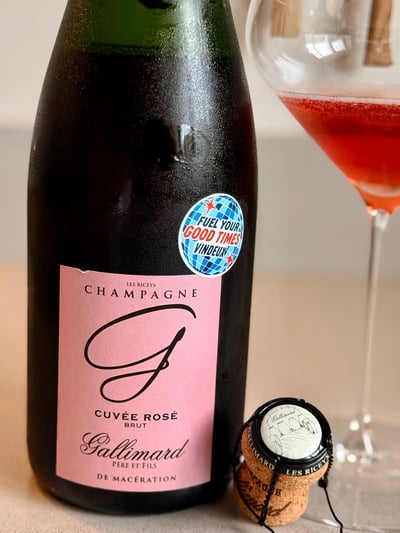
Champagne Gallimard: Six Generations in Les Riceys
Two Gallimard bottles from a July subscription box. A solera running 2009 to 2022, hand disgorgement, and a label code that says something the story doesn't.
Read on →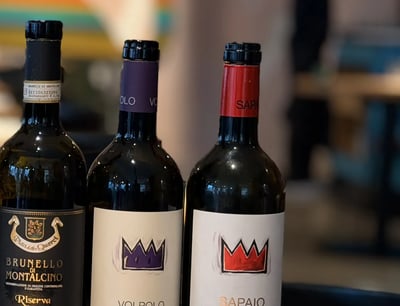
Podere Sapaio: Bordeaux on the Bolgheri coast
Podere Sapaio makes Bordeaux blends in Bolgheri, with time as its guiding principle and concrete beside wood in the cellar. A portrait after La Grande Bellezza.
Read on →