

Great Greek Wines 2025: 65 Winners Reviewed
Great Greek Wines 2025 picked 65 bottles from 660 entries. What the results say about the Greek wine scene, and which producers stand out.


Great Greek Wines 2025 drew 660 entries from 200 Greek and Cypriot wineries. Sixty-five bottles made the final list, roughly one in ten. The ceremony at the Hotel Grande Bretagne in Athens pulled 300 guests from the international trade. This was the first edition under the new name: the old GGW50 format is gone, the list now holds 65 places, and a separate category covers bottles under €19.
Yiannis Karakasis MW started the format years ago and runs it with Grigoris Michailos. The expansion is not a marketing trick. It reflects a Greek output that grows faster than a fixed list of fifty can capture. Seven Masters of Wine sat on the jury, among them Julia Harding MW and Mark Andrew MW. Blind tasting, bottles bought from retail, no producer samples. That protocol is what separates this competition from the marketing-led Greek selections tried over the past decade.
What the results show
Assyrtiko ran away with the white category, several winners coming from Santorini. Argyros Estate Cuvée Gerontampelo 2020 sits among them. Volcanic soil, old vines, high acidity. That style is hard to copy elsewhere because the pairing of climate and ground is its own thing.
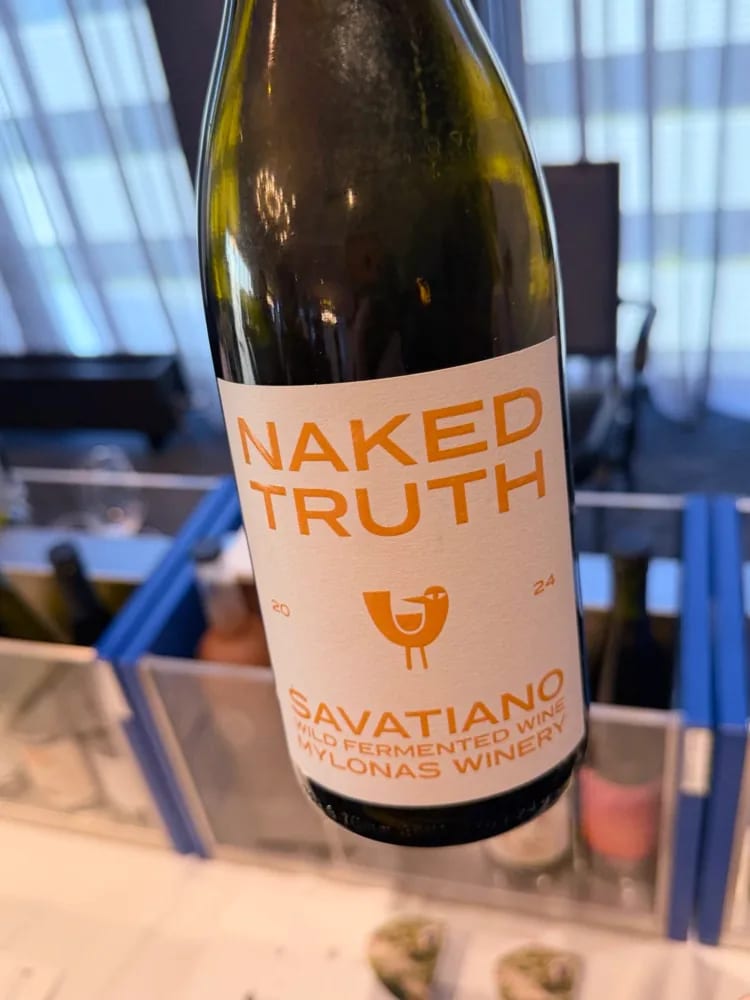
Xinomavro showed what the grape can do, with an aged 2017 Naoussa from Markovitis and a rosé from Alpha Estate. The Nebbiolo comparison stays clumsy. Structure and acidity get close, but the tannin profile runs sharper and less round. It is a useful shorthand for someone who has never had Greek wine, not for anyone who wants to look deeper.
Retsina returned to the list, this time from Kechris Winery. Resin in balance with the wine, not laid over it. For anyone who knows the old export versions from the eighties, this has become a different category. Not every modern retsina lands, though. Some producers lean too hard on the resin as a marketing hook, which does nothing to make the bottle more drinkable.
Regions: more than Santorini
The geographic spread on the list runs wider than the average Greek export catalogue. Next to Santorini and Macedonia sit Crete with Thrapsathiri and Vilana, and Cyprus with Spourtiko and Yiannoudi. Those last two grapes are known to almost no one beyond local winemakers and a handful of sommeliers in London and Athens.
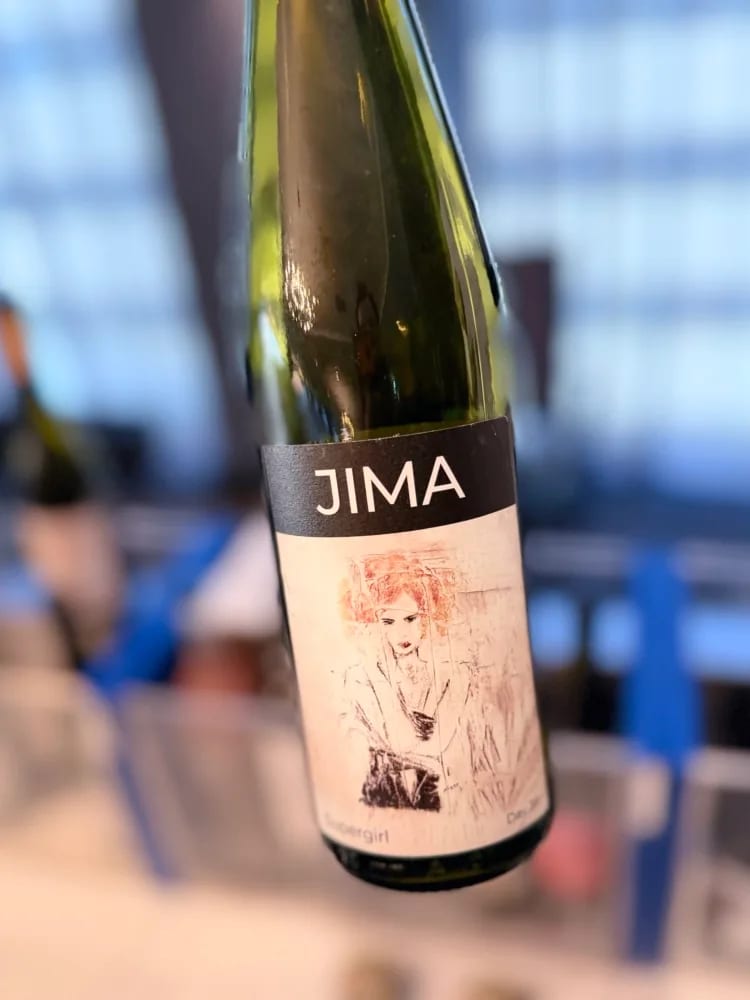
For the drinker outside Greece that means one thing: the choice will widen over the coming years beyond Assyrtiko and Xinomavro. Importers like Rick Eradus are picking up that momentum with direct lines to producers who were never available abroad before.
What the competition does not fix
Stretching to 65 wines costs something in focus. The old list of fifty was smaller and therefore sharper as a marketing tool aimed at the international trade. With 65 places plus a separate value category, the overview gets fuller but less pointed. That is a trade-off the organisers made on purpose: more room for producers, less scarcity marketing.
A second point: several winners sit above €60 a bottle. That clashes with the export story that Greek wine is mainly about quality per euro. For the international markets where Greek wine still has to break through, the €15 to €25 band stays the sharpest positioning. The Great Value Wines category under €19 covers that part of the market head-on.
In practice
If you want a way in now: start with an Assyrtiko from a serious Santorini producer (Argyros, Sigalas, Hatzidakis) and a Xinomavro from Markovitis or Alpha Estate. Keep the pricey bottles for later. The same rule holds for the export grape Moschofilero and the sweet Vinsanto: the list is a door, not a shopping list you have to clear.
The competition now carries institutional backing from the Greek National Tourism Organization (EOT). That ties the wine scene to cultural export and tourism, a logical link for a country where wine has always been part of daily life. The question is no longer whether the international trade takes Greek wine seriously, but how fast retail in the Netherlands and Belgium follows.
More information: greatgreekwines.com
Sources
- Great Greek Wines (official competition): greatgreekwines.com
- Wines of Greece (EDOAO): winesofgreece.org
More on Events
La Grande Bellezza 2026: Italian Wines in Amsterdam
La Grande Bellezza 2026 brought eight top Italian wines to Amsterdam. My day across Alto Adige and Tuscany, with two Brunello 2021s side by side.
Read on →
ViniBio 2026: Organic Wine Tasting Report
ViniBio 2026 in Amsterdam showed six developments reshaping the organic wine sector. Report on 26 importers, a masterclass, and the Ruby Beet.
Read on →
AR Lenoble Champagne: Masterclass Notes
Axel Gillery opened a magnum of 1996 AR Lenoble at the Perswijn seminar. The room fell silent. A masterclass in terroir-driven Champagne.
Read on →