

Vignamante Review: Sangiovese Metodo Classico Rosé
Vignamante from Vignamaggio: a metodo classico rosé extra brut of Sangiovese and Pinot Bianco, two years on the lees, 5,000 bottles. Tasting note and caveats.

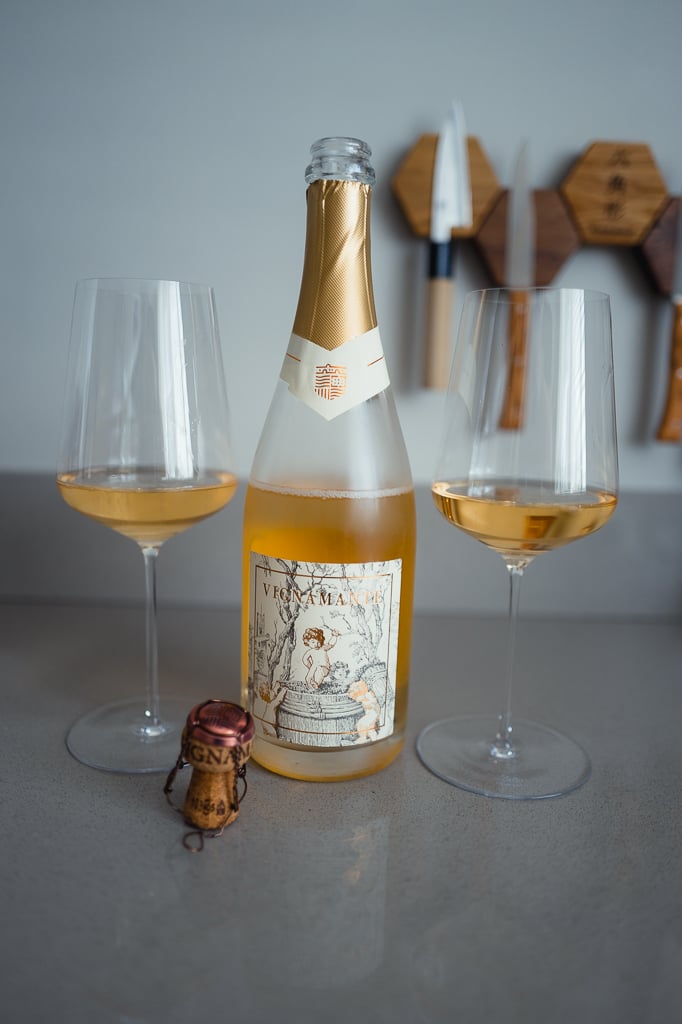
A sparkling rosé from Chianti. You don’t expect one from a region built on red wine, yet Vignamaggio in Greve in Chianti makes one: the Vignamante metodo classico rosé extra brut. Half Sangiovese, half Pinot Bianco, two years on the lees, 5,000 bottles. Vignamaggio sent me a bottle.
The estate
Vignamaggio is one of Italy’s oldest agricultural estates, best known for its Chianti Classico. Tradition has it that Lisa Gherardini, the woman in da Vinci’s Mona Lisa, was born there; the Monna Lisa Gran Selezione carries her portrait. With Vignamante the estate joins the Tuscan wineries trying their hand at sparkling wine.
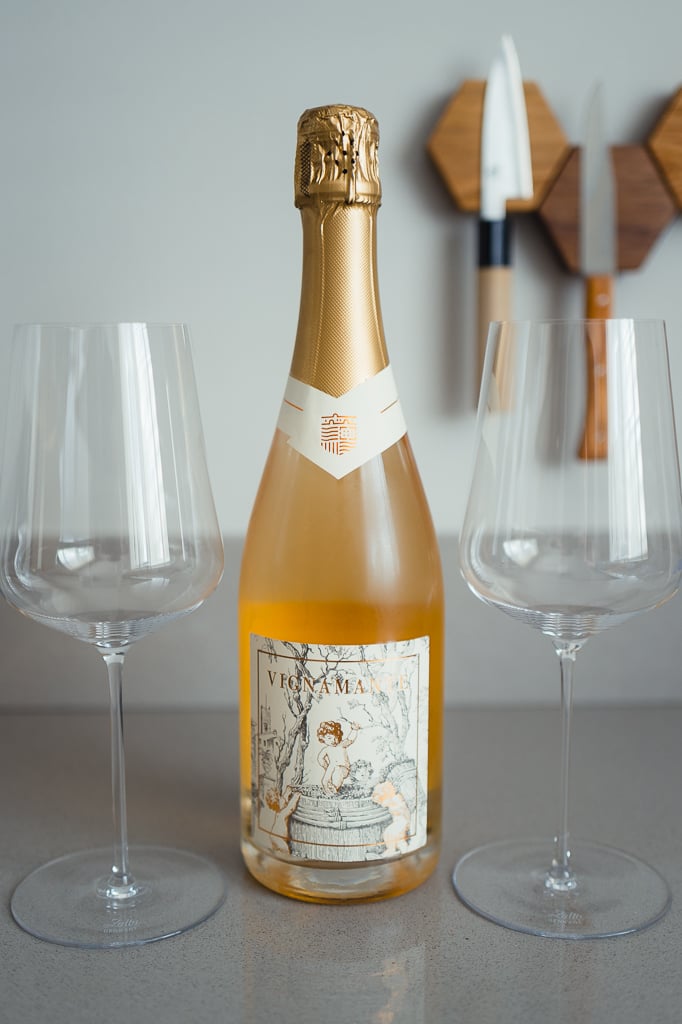
The name plays on the estate’s own: Vignam-ante, a nod to celebration and bubbles. The label shows a harvest scene.
How it’s made
The grapes are picked by hand in early September and gently pressed. Fermentation follows the white-wine method, in stainless steel at 18 to 20 degrees, but with the skins in contact. In spring the wine is bottled for its second fermentation, then spends two years on the lees.
At disgorgement it gets a liqueur d’expédition of no more than 6 grams of sugar per litre. That makes it extra brut, the second-driest category. It’s a non-vintage wine.
Tasting Note
Appearance
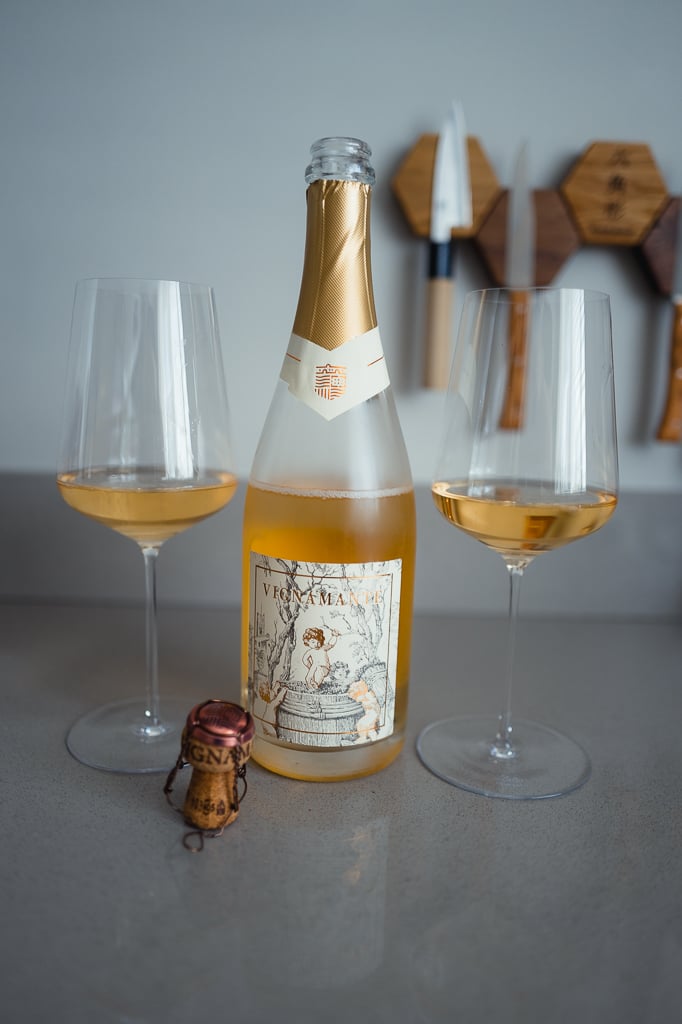
Elegant old rose, with a fine, subtle mousse.
Nose
Bread, toast and fresh yeast. Roses and red cherry, with dried fruit: orange, lemon and peach.
Palate
Dry and creamy, with medium-plus acidity. Brioche, spice and fruit in balance: lots of red cherry, dried orange and lemon. A touch of wet stone adds a mineral undertone.
Finish
Medium length and fresh, with good structure and Tuscan herbs such as rosemary and fennel.
Quality
Delicious: Sangiovese’s character with Pinot Bianco’s finesse.
What to watch for
First, the finish is medium. It’s fresh and well built, but if two years on the lees has you hoping for a long finish, you won’t find one here.
Second, it’s dry. With at most 6 grams of sugar and medium-plus acidity, this is a lean, dry rosé. If your usual bubbles are Prosecco rosé, you’ll find it taut; at the table, that’s exactly its strength.
Third, finding it. Five thousand bottles isn’t much, so expect to hunt for it.
At the table
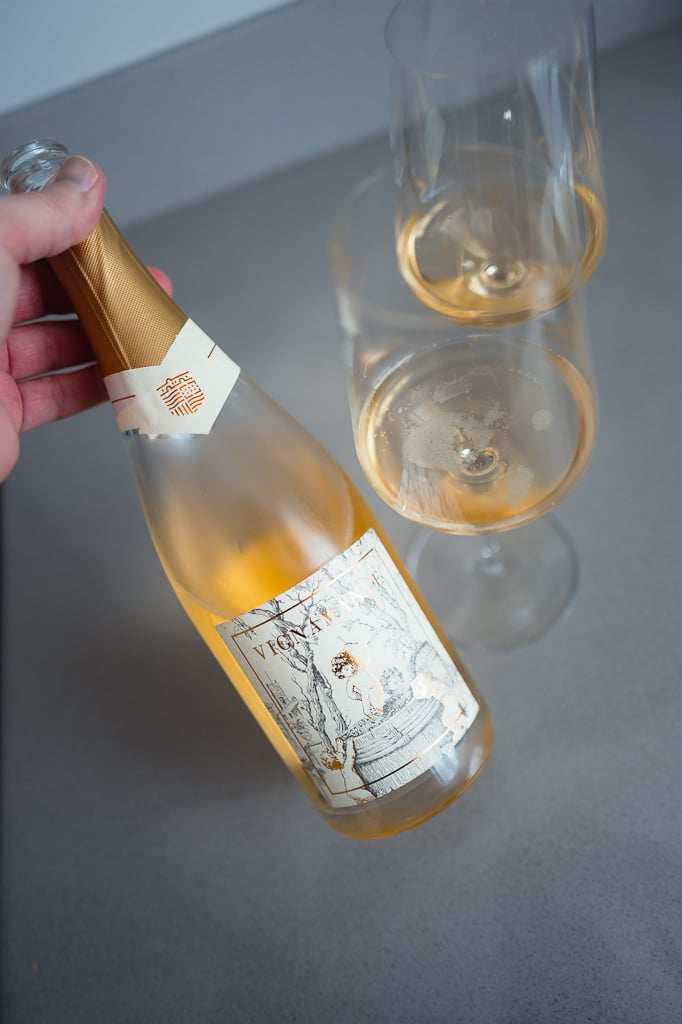
This is a wine for food. Think seafood and shellfish, pasta and risotto, grilled fish or a stew. A moderately aged cheese works too: the acidity and the cherry cut through the fat.
- Producer
- Vignamaggio, Greve in Chianti
- Wine
- Vignamante Metodo Classico Rosé Extra Brut
- Vintage
- Non-vintage
- Region
- Greve in Chianti, Tuscany, Italy
- Grapes
- Sangiovese (50%), Pinot Bianco (50%)
- Method
- Metodo classico, two years on the lees
- Dosage
- No more than 6 g/l (extra brut)
- Production
- 5,000 bottles
More information: vignamaggio.com
Sources
- My own tasting note, 2024
- Vignamaggio (official): vignamaggio.com
More on Wine Review
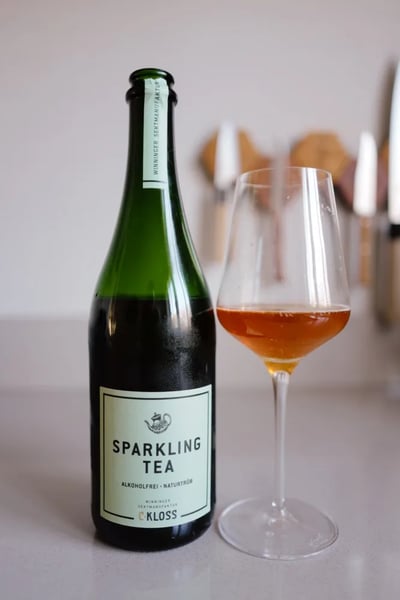
C. Kloss Sparkling Tea Weiss: Fermented Celery
Non-alcoholic sparkling tea Weiss from C. Kloss: linden blossom, nettle and fermented celery. Dry, 2.7 g sugar per 100 ml, €14.99 at Amavine.
Read on →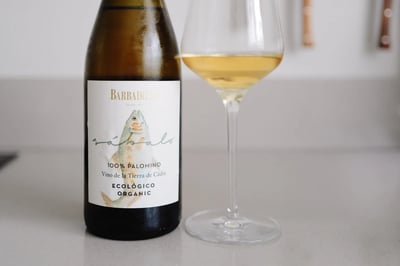
Barbadillo Sábalo: Organic Palomino Without Flor
Organic Palomino Sábalo from Barbadillo: no flor, salt from albariza soil. Chamomile, apple, sea. €17.95 at Granada Wijnen, with discount code.
Read on →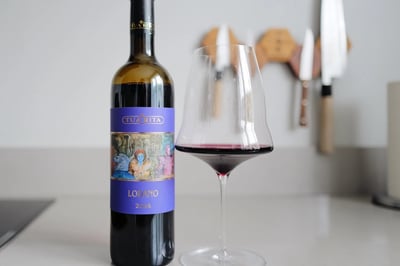
Tua Rita Lodano Rosso 2024: Petit Verdot Leads
A €50.95 Super Tuscan built on 60 percent Petit Verdot and 18 months of barrique. Why I chill it, decant it and never drink it without food.
Read on →