

Vignamaggio Monna Lisa 2018: Where Art Meets Terroir
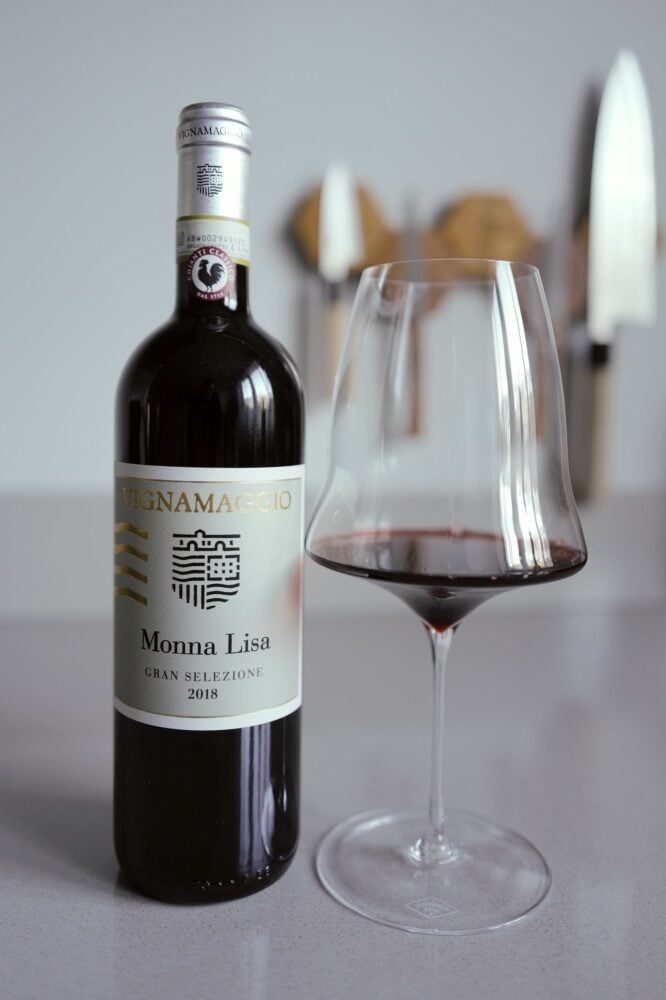
Vignamaggio Monna Lisa Gran Selezione 2018: 95% Sangiovese from Panzano, organic, 18 months French oak. Chianti Classico at the peak.

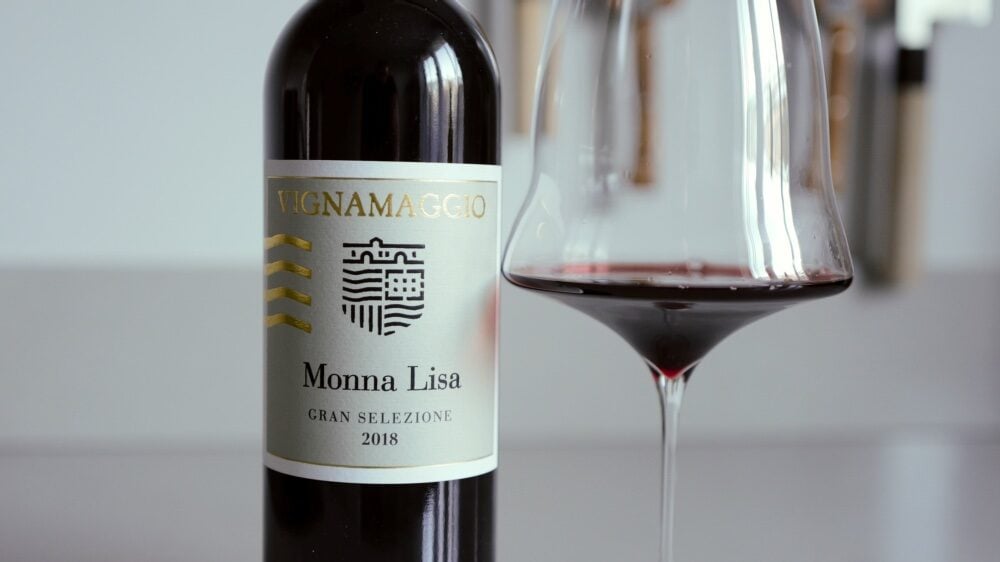
15,000 bottles, 33 hectolitres per hectare, 95% Sangiovese with 5% Cabernet Sauvignon. The label carries da Vinci’s portrait of Lisa Gherardini, born by tradition on the Vignamaggio estate in Greve in Chianti. The marketing story is nice; what’s in the bottle deserves separate attention. The Monna Lisa Chianti Classico Gran Selezione 2018 is evidence that Panzano earns its reputation as a top sub-zone.
Gran Selezione
Since 2014 the highest tier within Chianti Classico. Estate fruit only, full élevage at the winery, minimum 30 months aging including three on bottle. Stricter than Riserva, designed for single-vineyard or selection wines.
Panzano and the vineyards
The Monna Lisa comes from three parcels, Vitigliano, Prato and Querceto, on the left bank of the Greve in the Panzano sub-zone. Geologically, the vineyards sit on the Sillano formation: stone-rich, well-draining soils with less than 30% clay. Some parcels carry galestro, the schistose clay that defines the region and adds minerality.
The 2018 vintage was almost ideal: cold winter, rainy spring, dry sunny September with cool nights. Grapes came in ripe without losing acidity.
Vinification
Separate vinification per parcel in stainless steel, twelve days maceration. Full malolactic conversion. Eighteen to twenty months aging, part in French barriques and part in larger casks. Then minimum six months on bottle. The estate is organically certified.
In the glass
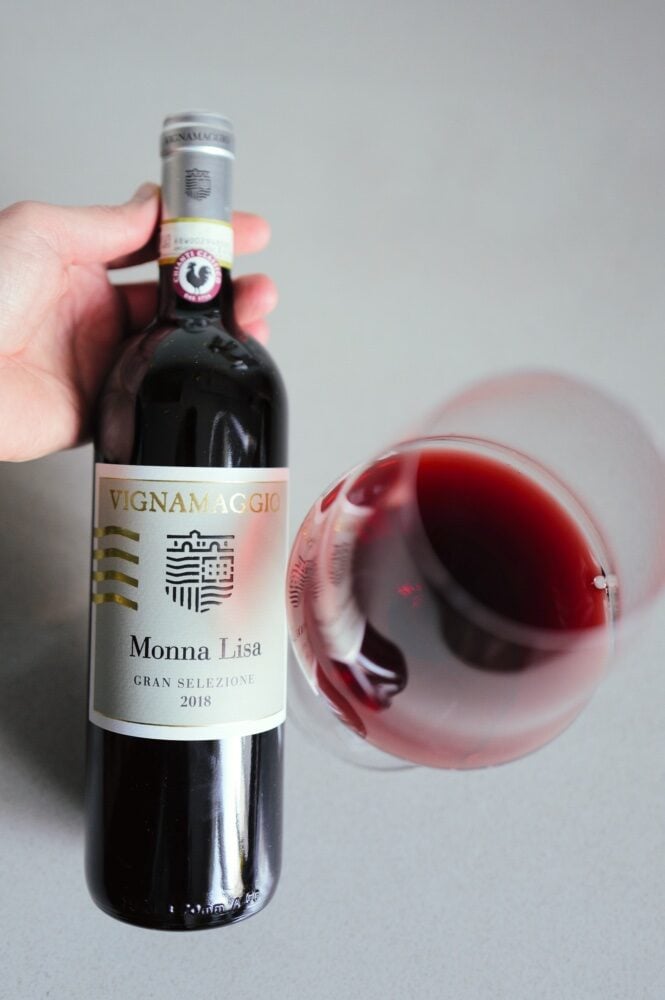
Garnet with brick rim; still young but visibly in motion. The nose is intense: red fruit up front, behind it tobacco, dark chocolate, cacao, espresso. Warm spices, nutmeg, cinnamon, cardamom, alongside the typical Italian kitchen herbs of sage, rosemary and oregano.
On the palate perfectly balanced at high flavour intensity. Tannins and acidity both medium-plus, in harmony. Fresh fruit (strawberry, raspberry, black cherry) runs into dried fruit tones, then tertiary development: mushroom, forest floor, wet leaves. 14.5% alcohol; decant for an hour or give it twenty minutes in the glass for the best result.
Critical
Needs aeration. Without decanting the nose stays closed and the alcohol can come forward, especially if served too warm. Pour at 16-18°C, no warmer.
At the table
Bistecca alla fiorentina is the textbook pairing, opportunity rare, but any hearty red-meat dish works. Game, slow-braised lamb, mushroom pasta with truffle, aged pecorino or parmigiano. The wine asks for fat and protein; skip lighter dishes.
Verdict
A Chianti Classico Gran Selezione that delivers what the classification promises: structure and elegance, evolution without losing character. The organic certification is a clear plus. Cellar potential: ten to fifteen years without issue.
Thanks to Vignamaggio for the bottle.
Sources
- Consorzio Vino Chianti Classico (DOCG): chianticlassico.com
- Italian DOC/DOCG regulation: politicheagricole.it
More on Wine Review
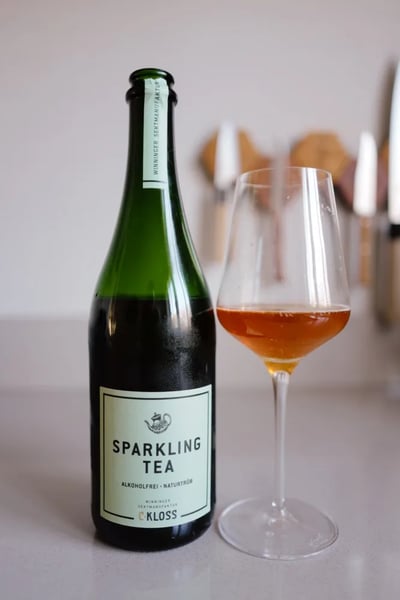
C. Kloss Sparkling Tea Weiss: Fermented Celery
Non-alcoholic sparkling tea Weiss from C. Kloss: linden blossom, nettle and fermented celery. Dry, 2.7 g sugar per 100 ml, €14.99 at Amavine.
Read on →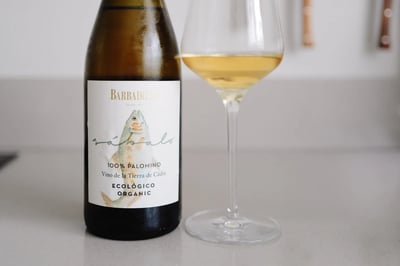
Barbadillo Sábalo: Organic Palomino Without Flor
Organic Palomino Sábalo from Barbadillo: no flor, salt from albariza soil. Chamomile, apple, sea. €17.95 at Granada Wijnen, with discount code.
Read on →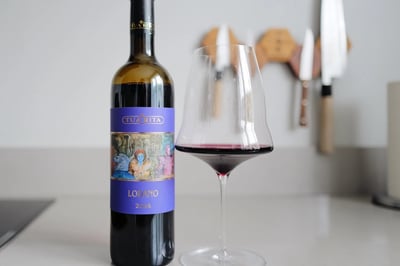
Tua Rita Lodano Rosso 2024: Petit Verdot Leads
A €50.95 Super Tuscan built on 60 percent Petit Verdot and 18 months of barrique. Why I chill it, decant it and never drink it without food.
Read on →