

MCMLV 2023: a white that sat three days on skins
Skin contact on sauvignon blanc, from vines planted in 1955. What those 48 to 72 hours do to colour, texture and the grip you feel on your tongue.

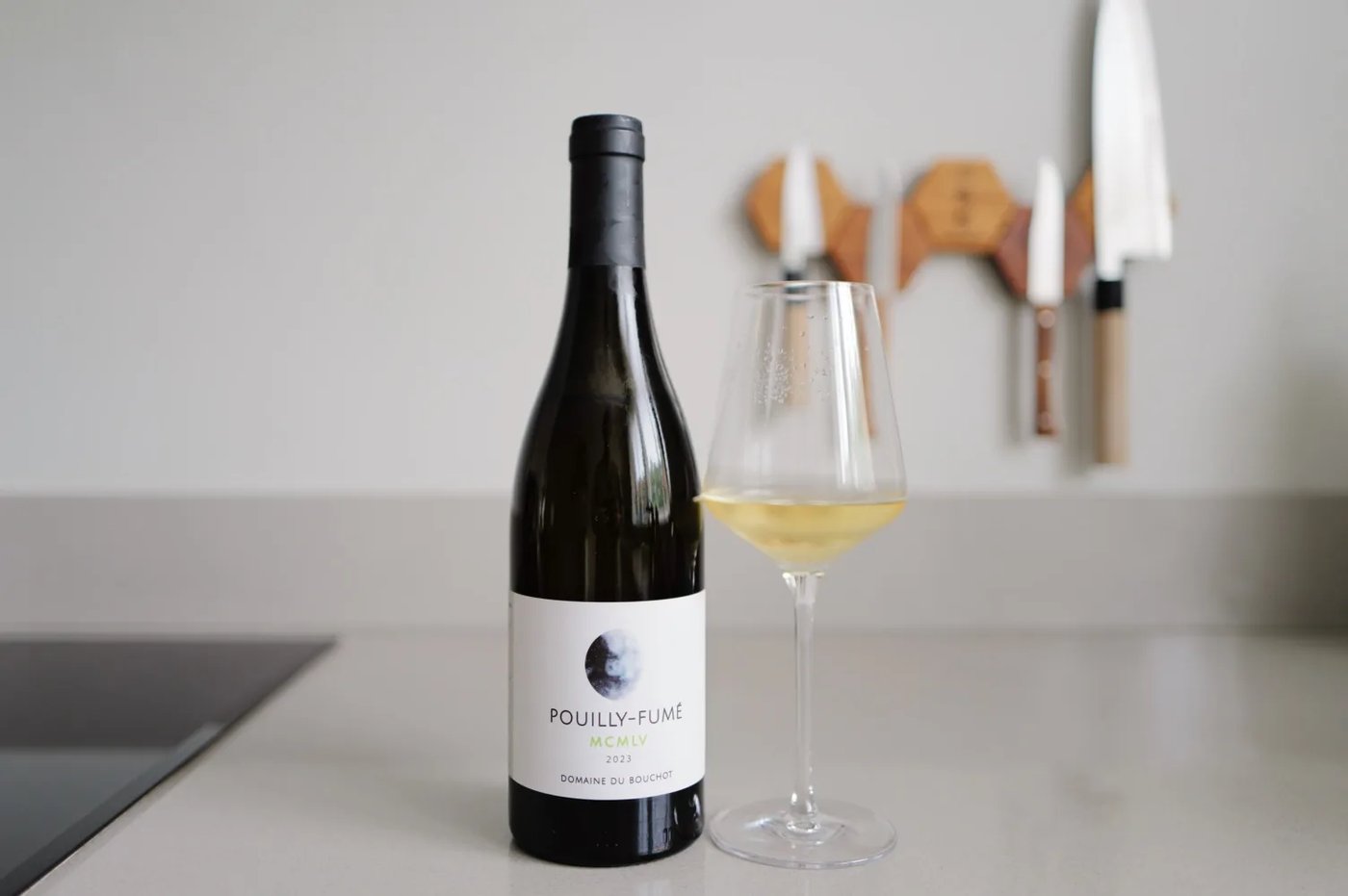
White wine is normally separated from its skins as fast as possible. Press, juice off, skins gone. Everything that follows comes out of the juice.
In this bottle the juice stayed on those skins for forty-eight to seventy-two hours. That is a decision rather than an oversight, and you can see it before you smell it.
On the record before we start: importer Qualivin sent me this bottle. No payment, and no agreement about what I write.
What skin contact does to a white wine
Almost everything that is not in the juice sits in the skin of a grape. Colouring matter, aromatic compounds, and phenolics: the same substances that give red wine its tannin.
Leave the juice sitting on that for a few days and some of it comes along. The wine turns darker, it picks up aromas you will not meet in a quickly pressed sauvignon, and it gains texture. Not tannin the way red has it, but something your tongue can hold on to.
That is exactly why this wine drinks differently from the estate’s other two cuvées. It is not an orange wine, for which three days is far too short. The estate makes one of those too, with six months of skin contact, and that is a different product. This sits in between.
Tasting Note
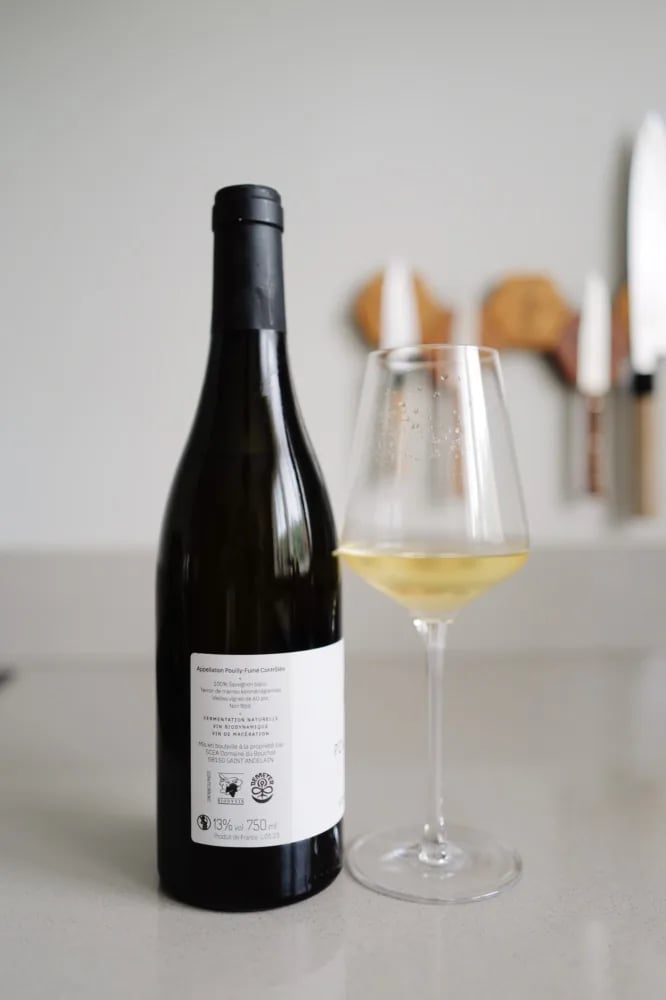
Appearance
Clearly darker than the other two cuvées, with a deeper yellow core. That is the skin contact you are looking at.
Nose
Orange peel first, a little lemon peel beside it. Dried chamomile and dried tea, pear leaning towards quince, and a gooseberry that joins in without shouting. Rich and round, and the longer you sit with it the more smokiness comes forward.
Palate
More concentrated and richer than the other two. Orange peel and citrus, apple, ripe pear and quince, with that dried chamomile character running underneath, which puts me in mind of Manzanilla. Grippy on the tongue, with a light bitterness at the close.
Finish
Long, saline and gently bitter, the chamomile lingering.
Quality
The most singular of the three. You taste the old vines.
Vines planted in 1955
MCMLV is Roman for the planting year. The parcel faces southeast on Kimmeridgian marl and holds the oldest vines on the property. The back label rounds it off to “vieilles vignes de 60 ans”, a tidier number than the calendar gives.
Old vines do two things. They carry less fruit, so the berries that do arrive are more concentrated. And their root system runs deeper, which softens the effect of a dry summer or a wet one. In a year like 2023, with mildew pressure from April into September and then a hot finish, that is no small thing.
- Producer
- Domaine du Bouchot, Saint-Andelain
- Wine
- Pouilly-Fumé MCMLV
- Vintage
- 2023
- Grape
- 100% sauvignon blanc
- Parcel
- Planted 1955, southeast facing, Kimmeridgian marl
- Skin contact
- 48 to 72 hours
- Winemaking
- Indigenous yeasts, natural fermentation, unfiltered
- Ageing
- 18 months in steel, no wood
- Alcohol
- 13%
- Importer
- Qualivin
What stands out: no wood is involved at all. Eighteen months in steel, and this is still the richest of the three. Everything you taste as weight comes from the skin and from the parcel, not from a barrel. The label calls it what it is: vin de macération.
Where this bottle falls short
This is the most opinionated of the three, which also makes it the hardest at the table. That grip on your tongue and the bitterness at the close ask for food with texture. Next to a plain white fish it takes over. Next to aged cheese, poultry with the skin on, or something herby out of the oven, it works.
And it is four euros dearer than the Caillottes. Do you get that back? In complexity yes, in easy drinking no. For a weeknight I would reach for the Caillottes. For a bottle you buy several of and put a couple away, this one.
Anyone after a classic, straight Pouilly-Fumé should simply stay with the entry cuvée. This is a wine that wants something from you.
Where to buy
Sources
- Primary source: the bottle’s back label, for grape, soil type, vine age, winemaking and alcohol
- Additional: Domaine du Bouchot, estate presentation supplied through importer Qualivin, for planting year, skin contact and ageing
- Additional: qualivin.nl, price and available formats, accessed 30 July 2026
More on Wine Review
Barbadillo Jopo de Lobo: Organic Pedro Ximénez
Jopo de Lobo from Barbadillo: organic Pedro Ximénez from sun-dried grapes. Coffee, dark fruit, blossom. €15.95 for a half bottle of 0.375 litres.
Read on →
Barbadillo Salicornia: Organic Manzanilla en Rama
Salicornia, Barbadillo's organic manzanilla en rama: flor, baked apple, salt and a brand-new solera. €25.95 at Granada Wijnen, with discount code.
Read on →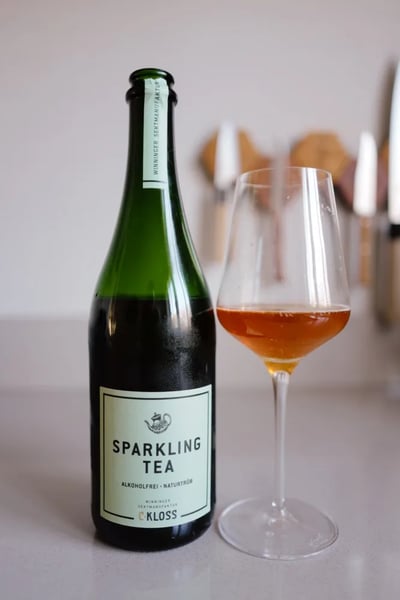
C. Kloss Sparkling Tea Weiss: Fermented Celery
Non-alcoholic sparkling tea Weiss from C. Kloss: linden blossom, nettle and fermented celery. Dry, 2.7 g sugar per 100 ml, €14.99 at Amavine.
Read on →