

Oxer Bastegieta: Revolutionizing Spanish Wine
Without formal training or family winemaking heritage, Oxer's journey to vinous acclaim has been anything but conventional.
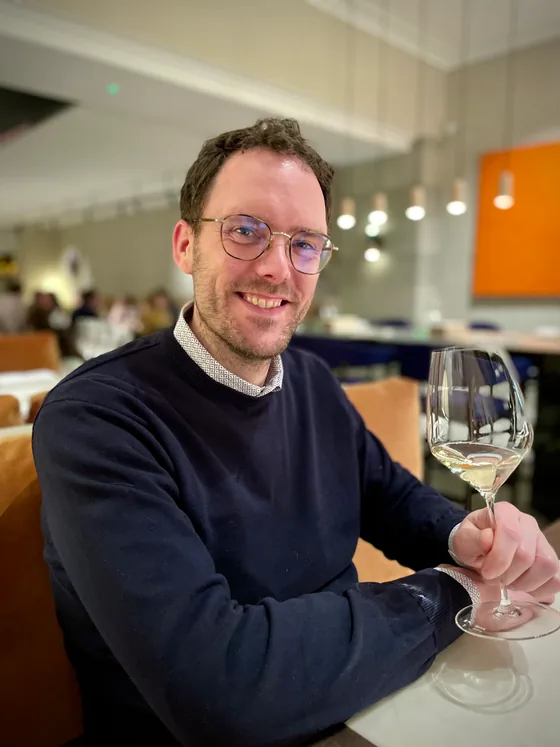
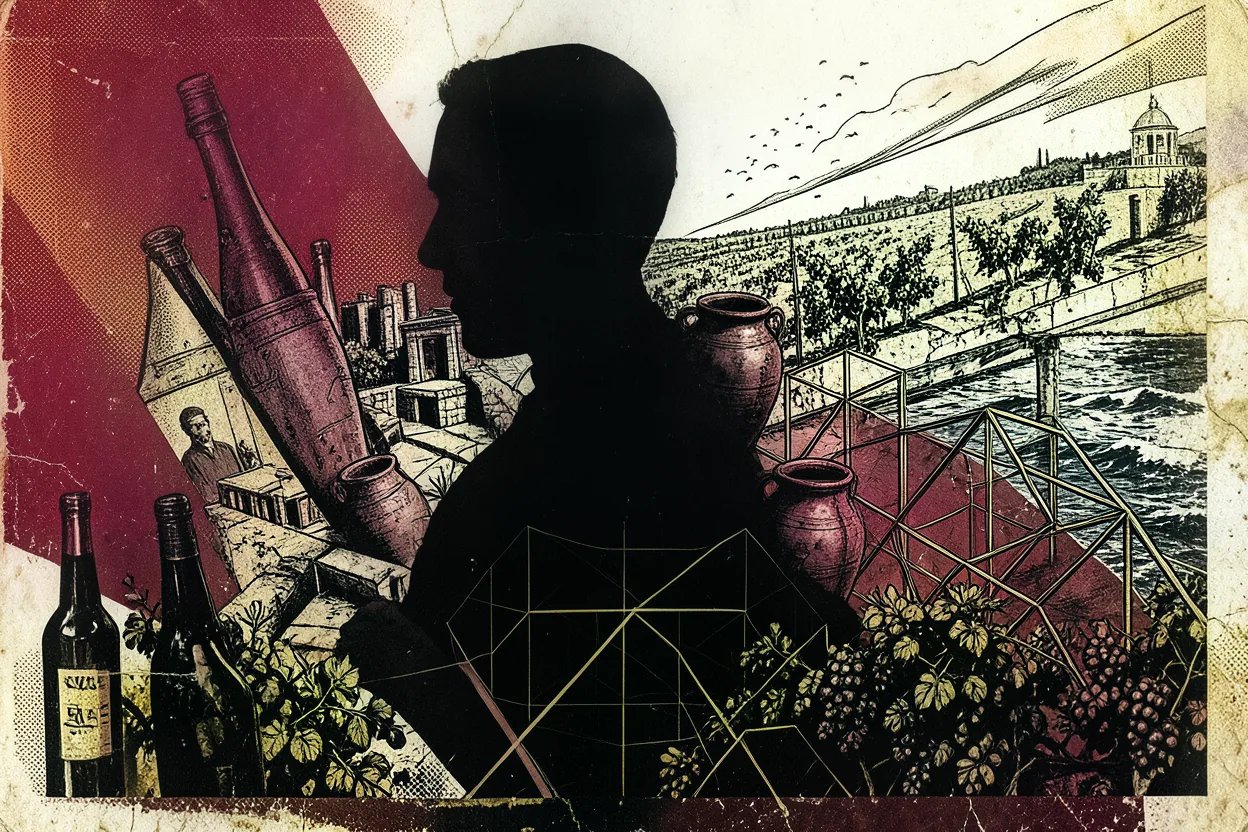
The Unlikely Path of Oxer Bastegieta
Oxer Bastegieta Rioja starts here: he made his first wine in 2009 without an oenology degree and without a family name in Rioja Alavesa. He had fallen for the old vineyards of Alavesa and poured every euro he earned into neglected parcels nobody else wanted.
I won’t forget my first taste of his Kalamity Red. The wine unfolded layer by layer in the glass; fruit, earth and time circling each other without any one element landing the knockout punch.
When Soil Comes Alive
“The best soil works only with balance in microbiology,” Oxer says. He treats vineyards as living ecosystems, not production units. Biodynamic farming halves his yields compared to neighbours, yet the wines gain intensity and character in return.
Through regenerative practices he brings century-old vines back into production and keeps Spanish viticultural heritage on its feet. Haven’t we lost too many ancient vineyards already to industrial farming? Oxer thinks so.
“Wine, Not Marmalade”: The Freshness Philosophy
Oxer’s harvest philosophy cuts against the Spanish cliché of overripe fruit. “I’m always the first to pick in Rioja,” he says, aiming for pH levels of 3.3 to 3.4 over maximum ripeness. “You must not forget we’re making wine, not marmalade,” he adds dryly.
The result: vibrant acids and elegant fruit instead of jammy concentration. Pour his wines next to a conventional Rioja and the difference hits your palate immediately; they dance where the others press down.
Spanish Terroir in a Bottle
From the maritime Basque coast to sun-baked Rioja and high-altitude Toro, Oxer’s wines bring three entirely different landscapes into the bottle. His Txakoli Gure Arbasoak smells of white blossom and wet stone, while Matalaz from Rioja charms with bright red fruit and silky texture.
With seafood, the cutting acidity of his whites does the work; briny oysters or grilled octopus get a counterweight that leaves no fat behind.
Minimal Intervention, Maximum Soul
In the cellar Oxer goes with spontaneous fermentation and as little intervention as possible. “I sleep with these grapes,” he says about his focus during fermentation. Sulphites are used sparingly, and only after malolactic fermentation.
The wines open up after contact with oxygen, “like a flower in bloom.” That’s why I always decant his reds; the transformation across an evening is part of the wine.
What Oxer makes is not a marketing story, it’s one winemaker’s refusal to move with the region. Limited production, stubborn choices, wines that demand patience. Track them down if you want to know how Spain tastes without the jam.
Sources
- Oxer Bastegieta (official): oxerbastegieta.com
- Consejo Regulador DOCa Rioja: riojawine.com
- Decanter / Tim Atkin Rioja Report, context for Spain’s single-vineyard movement: decanter.com
More on Winemaker
Fattoria La Valentina: Awards, No Dutch Importer
Fattoria La Valentina from Abruzzo won Tre Bicchieri again, plus high scores from Suckling and Vinous. I found no Dutch shop selling it. What I tasted.
Read on →
Michele Chiarlo at 70: From Barbera to Cerequio
Michele Chiarlo turns 70. What the house did for Barbera, Nizza and Barolo Cerequio, what a bottle costs, and what the anniversary press release leaves out.
Read on →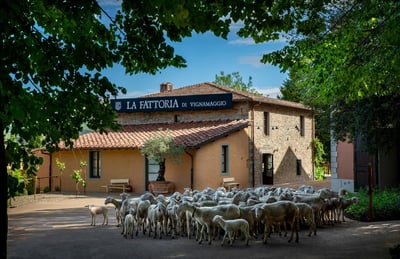
Vignamaggio Wine Estate: Wine as One Crop of Many
The Vignamaggio wine estate in Chianti Classico puts wine back among olives, grain, pigs and sheep. What the plan is, what a visit costs and where I doubt.
Read on →