

Villota Winery Review: Rioja Alavesa's Fresh New Voice
Villota Winery in Rioja Alavesa: a low-extraction style, tasting notes, and what sets this project apart from classic Rioja.

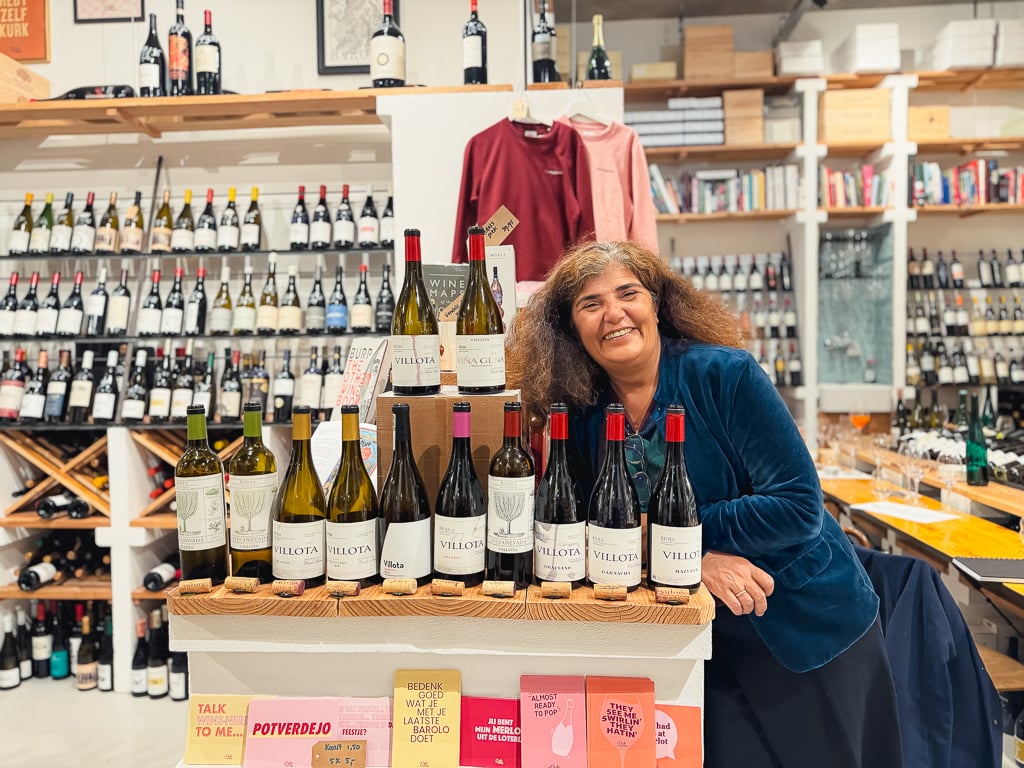
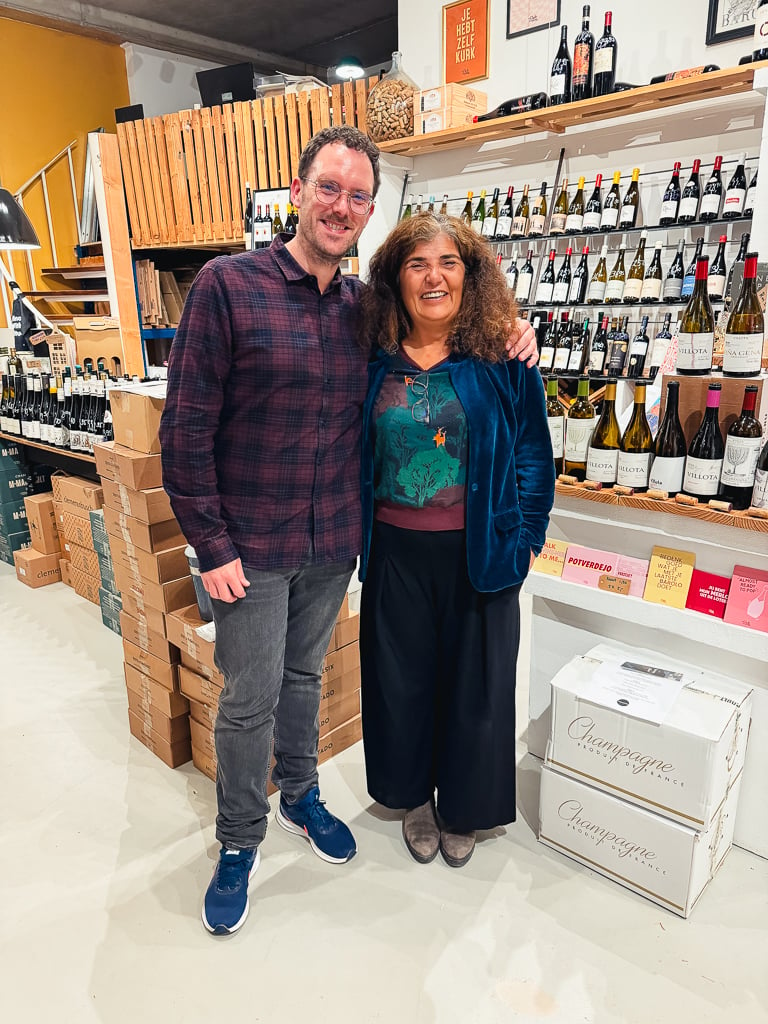
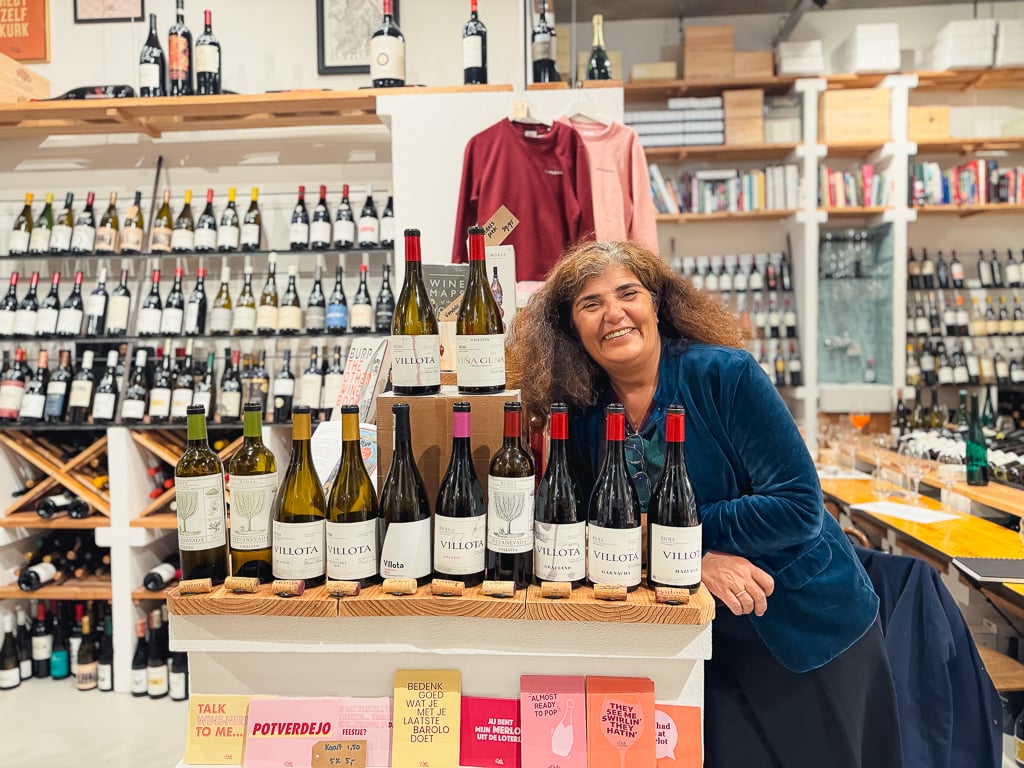
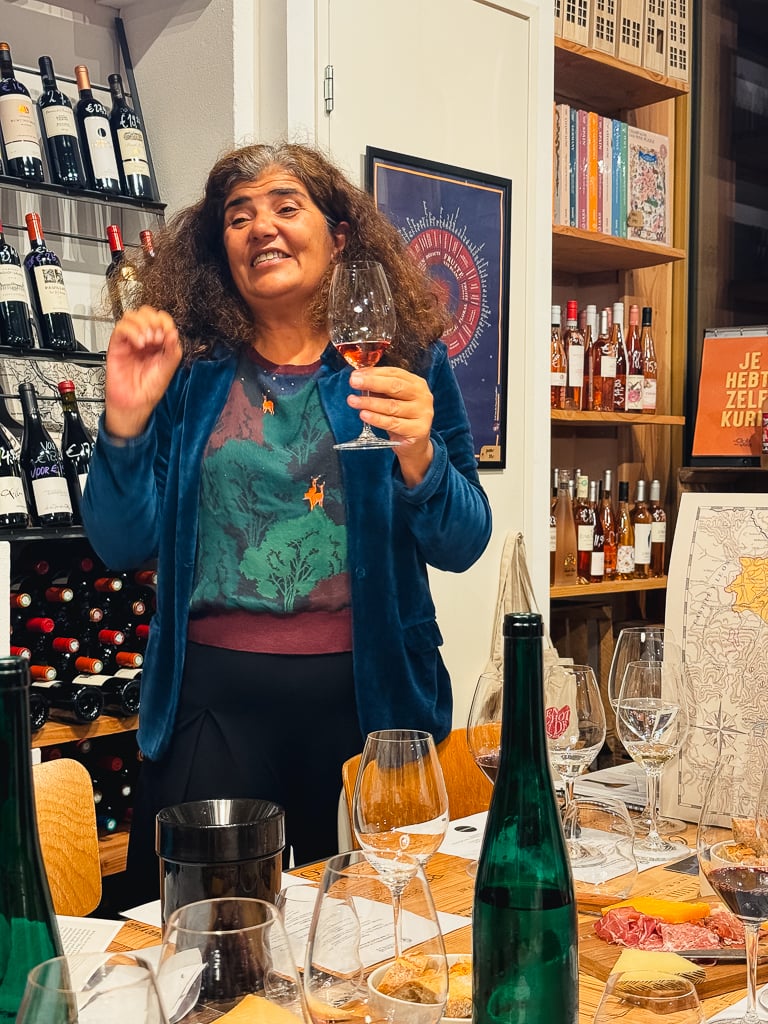
Vindict wine bar, Amsterdam, October 27, 2023. Carmen Pérez Garrigues pours her Selvanevada Blanco and Jan Jaap Altenburg is practically dancing before the glass hits the table. A masterclass on what they call “the new sound of Rioja,” led by the winemaker herself. The question I brought along: does this new wave have substance, or is it marketing with music stickers?
Carmen runs Villota in Rioja Alavesa. Four flights later I had my answer.
What is this new sound of Rioja?
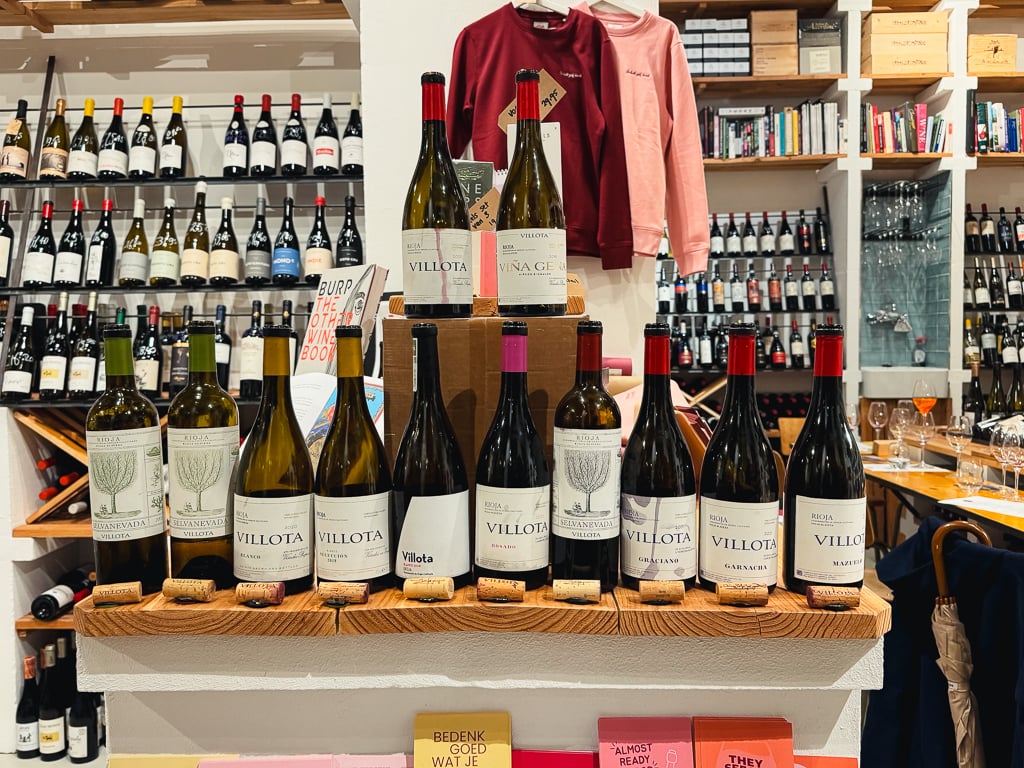
Short answer: more freshness, less dominant oak, elegance over power. No Reserva template where every wine ends up tasting of American vanilla.
The longer answer is about regulation. The classic Rioja pyramid (Crianza, Reserva, Gran Reserva) is built on aging time, not origin. The new wave pushes terroir forward, with the Viñedo Singular classification as its main weapon: single-vineyard, old vines, strict yields. Carmen blends differently every harvest, dialing in Garnacha, Graciano and Mazuela alongside the dominant Tempranillo. “Show the soil, let it speak in every wine,” she says. That isn’t a slogan; you taste it the moment you put the Selvanevada and the Viña Gena side by side.
What is so unique about Villota’s vineyards?
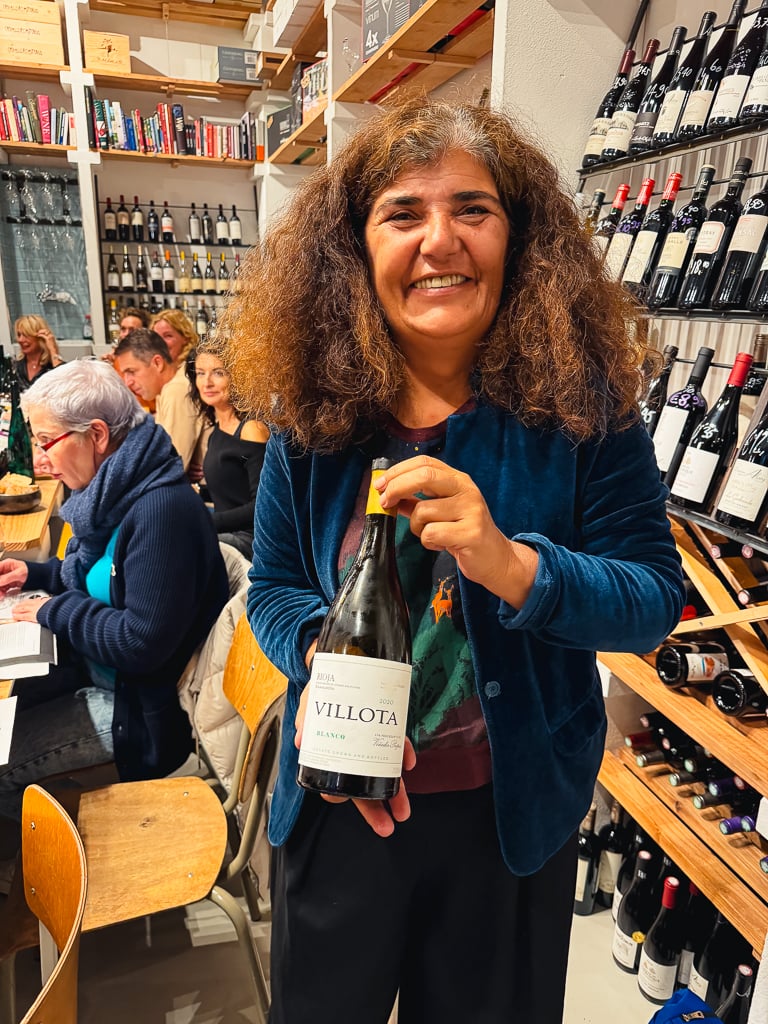
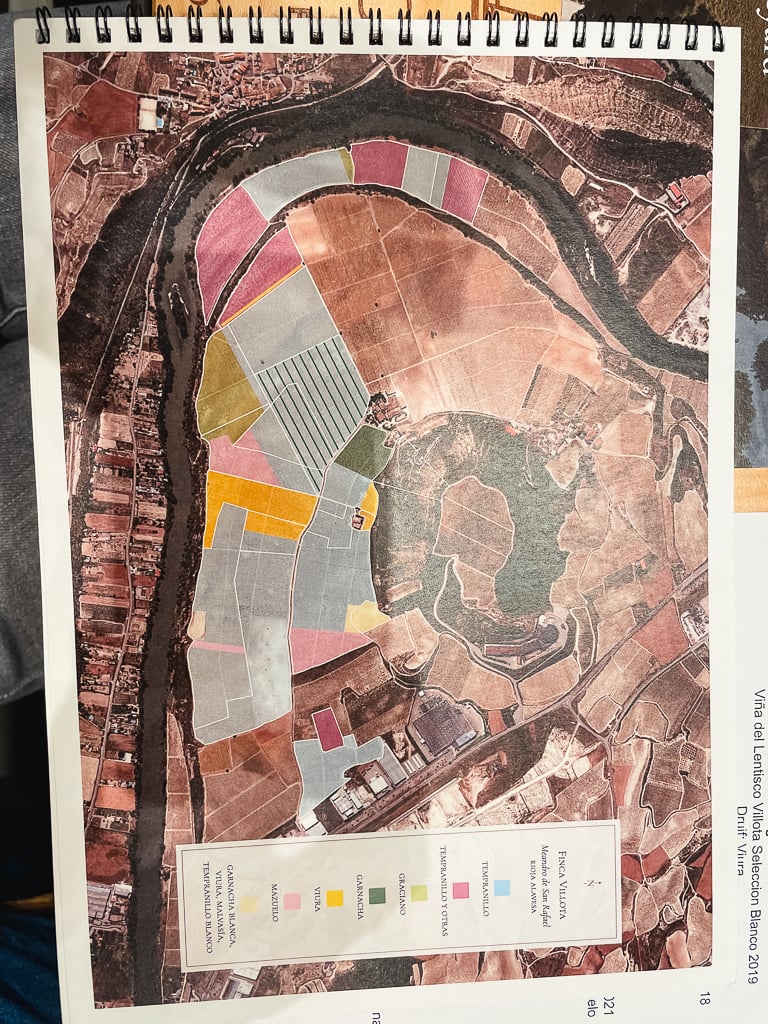
In 2013 the Pérez Villota family launched their own winery, using the old vineyards the family has owned since 1930 as their dowry. They work small and only with grapes from their own estate; no purchased fruit, no outside blending. Location does half the work: right by the Ebro in Rioja Alavesa, in a strip insiders call the ‘Côte d’Or’ of Rioja for its limestone-rich soils and southeast exposure.
Mostly Tempranillo, with parcels of Garnacha, Graciano and Mazuela on the red side, plus Viura, White Garnacha and (yes) white Tempranillo for the whites. More than half of the vines are over 35 years old, and you taste it in concentration and minerality. The vineyard work is deliberately lean: no herbicides, no unnecessary intervention, only what the vine needs to find its own balance. That is the foundation Viña del Lentisco builds on in the cellar.
Who is behind this wine?
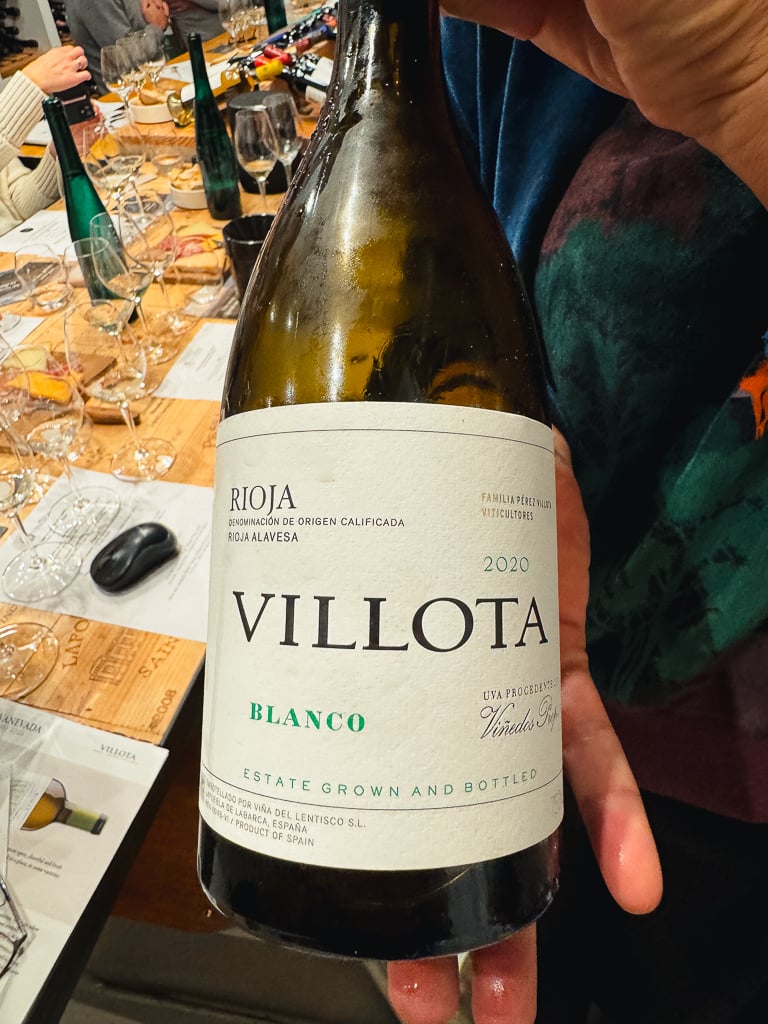
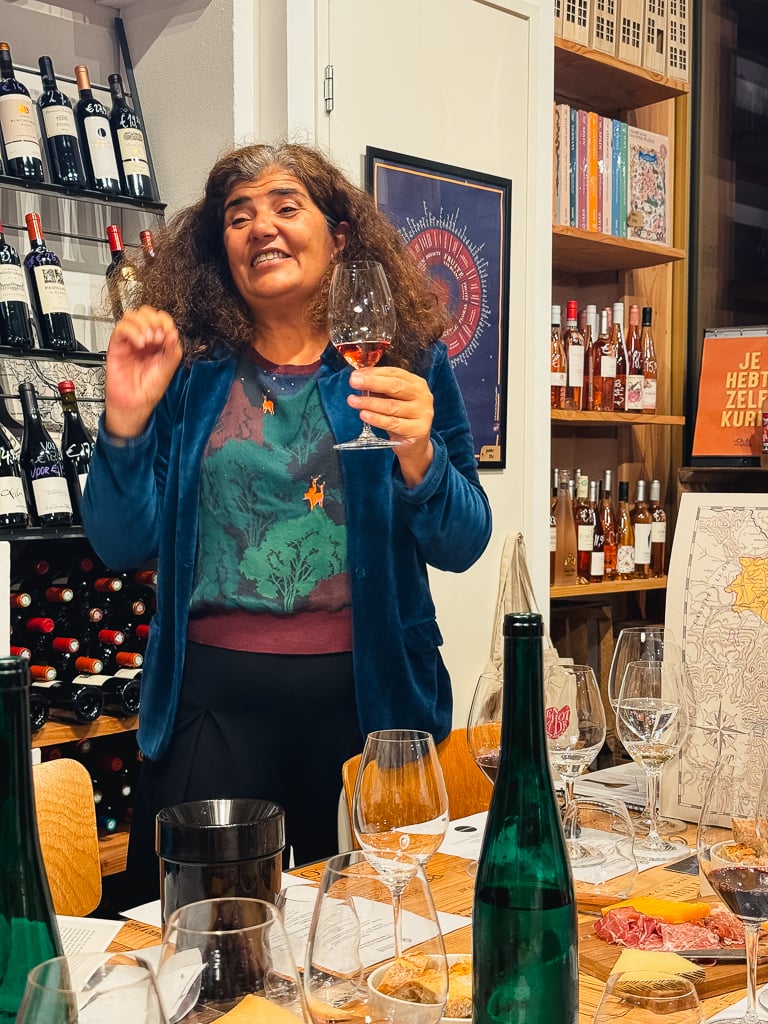
Viña del Lentisco is the winery; Villota is the wine brand. In the village of Laserna, right by a bend in the Ebro, the Pérez Villota family has been writing history for four generations. It started with Ricardo Pérez Pérez, who bought the estate in 1930 after returning from Chile. His son, agricultural engineer Ricardo Pérez Calvet, took over and restored the old vineyards.
In 1973 Calvet and his son Ricardo Pérez Villota teamed up with CVNE. The family managed the vineyards while CVNE handled sales and distribution. That partnership produced the famous Viñedos del Contino. After four decades CVNE bought the Contino estate outright; the family kept their own parcels separate. In 2013 Ricardo Pérez Villota and his daughter Carmen, both engineers, struck out on their own under the Villota label. Four generations of terroir knowledge, now without a corporate filter.
Personal tasting notes from the Masterclass
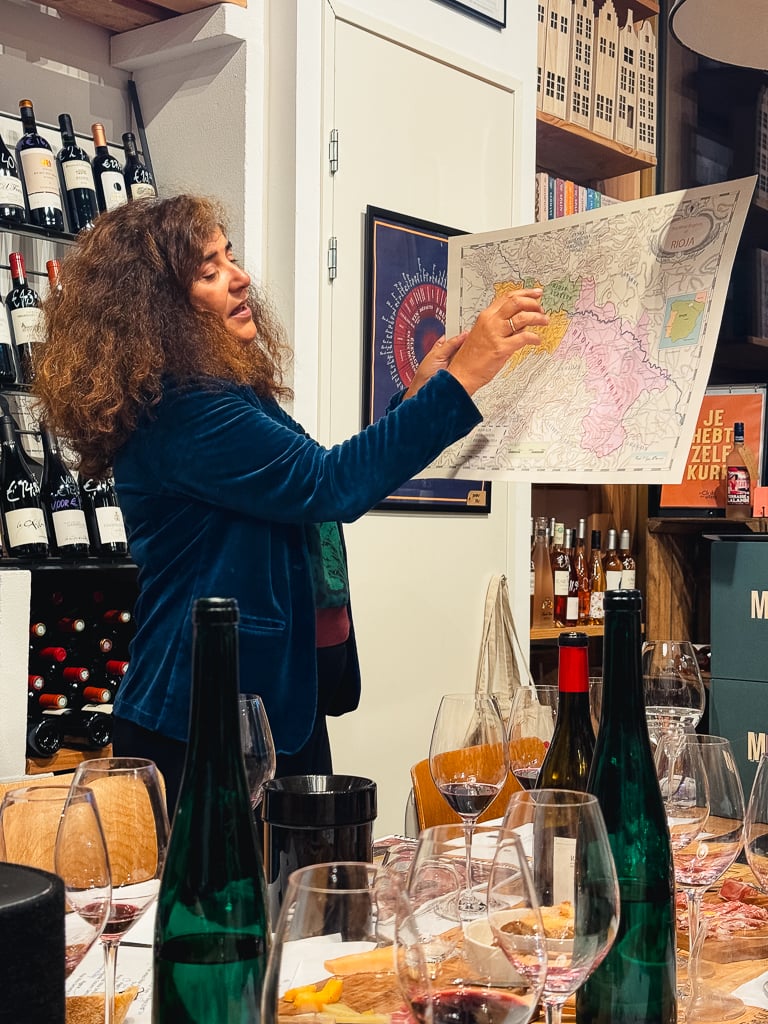
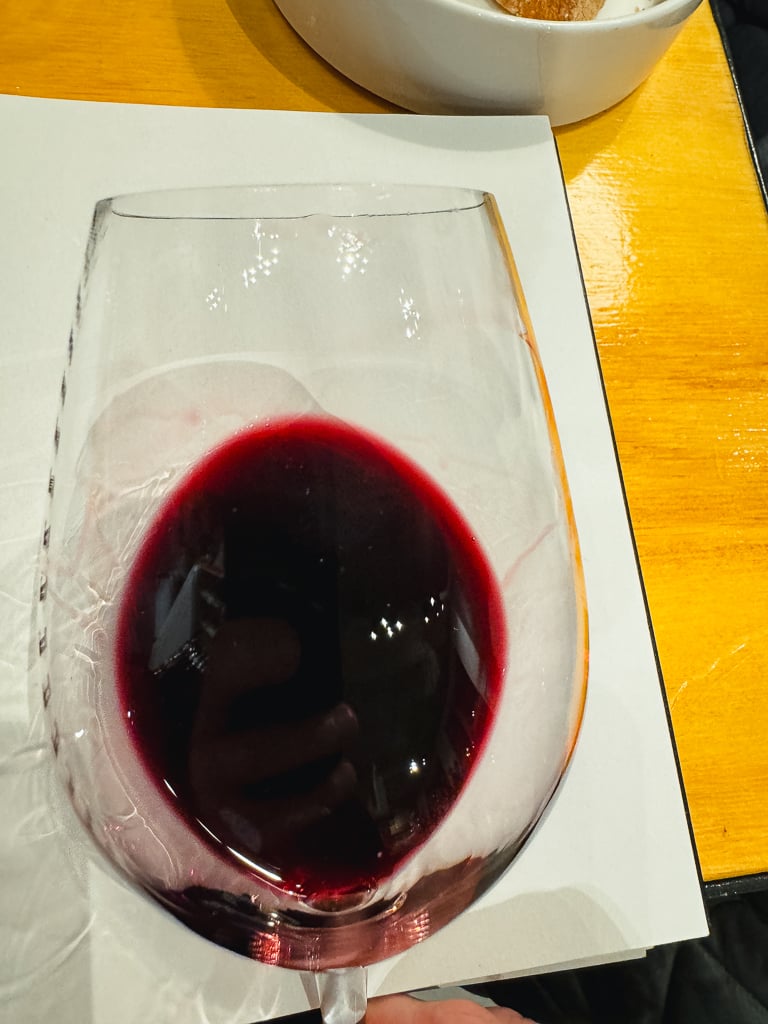
Five flights, building from entry-level white to single-vineyard red. Carmen introduced each wine, told us where the vines stood and how it was vinified; Jan Jaap couldn’t stand still. By bottle three I understood why.
Flight 1
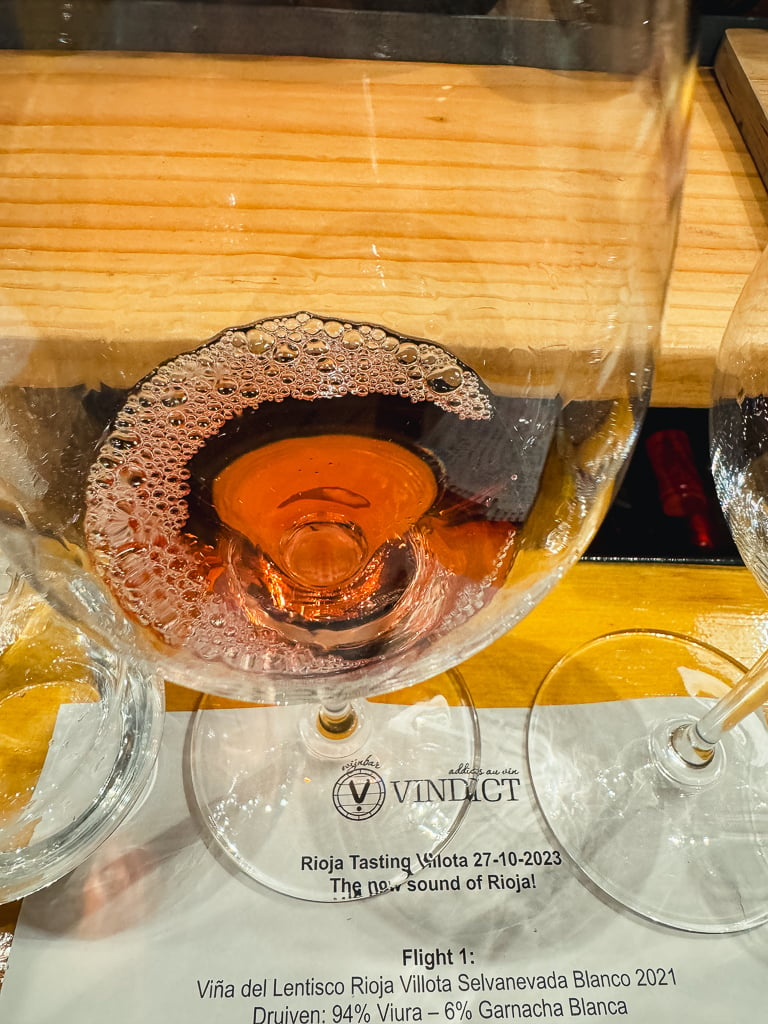
Viña del Lentisco Rioja Villota Selvanevada Blanco 2021
Grapes: 94% Viura - 6% White Garnacha
Carmen calls this her entry-level white, which sells the wine short. Creamy and round, with a crystalline acidity that pulls everything together: apple, pear, lemon zest, lime, peach and a hint of wet stone. Full body, fresh finish. For an entry-level white from Rioja Alavesa, the level here surprises me.
Viña del Lentisco Rioja Villota Selvanevada Blanco 2022
Grapes: 94% Viura - 6% White Garnacha
Same blend, different year, and you taste it instantly: the 2022 is fresher and more vibrant, with smoother acidity and more red-apple fruit alongside the usual yellow. The 2021 is fuller, the 2022 quicker on its feet. A wine that belongs in any cellar where you don’t want to think before opening a bottle.
Flight 2
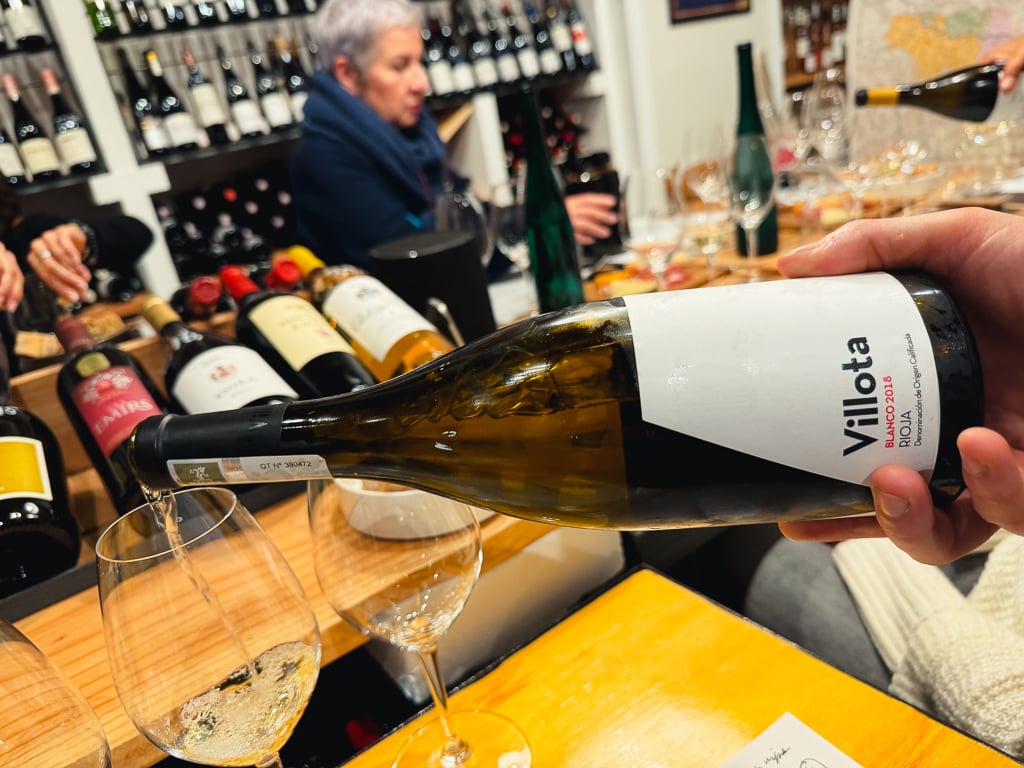
Viña del Lentisco Rioja Villota Selección Blanco 2019
Grape: Viura
First grape selection, and you feel the step up in complexity right away. Warm vanilla, ripe red apple, medium-crisp acidity, and a long finish where the terroir takes the lead. No exaggerated barrique; just a Viura showing what old vines can do.
Viña del Lentisco Rioja Villota Selección Blanco 2018
Grape: Viura
An extra year in bottle and the wine has settled in. Ripe apple, white pepper, eucalyptus, vanilla, wet stone, a flinty hint, light toast and acacia. Medium acidity, long finish, softer than the 2019 but with more layers. This is the kind of white you serve to someone who still thinks Rioja is always red.
Flight 3
Rioja Villota Rosado 2022
A serious rosé, not a poolside wine. Medium salmon-red, complex and earthy, with raspberry, strawberry, blackberry, black currant, rose, violet, rosemary and tart red berry. Medium (+) acidity, low tannins but real structure. Ripe strawberry wrapped in herbs, a spicy finish. Finally a rosé worth thinking about.
Viña del Lentisco Rioja Villota Selvanevada Tinto 2021
Grapes: Tempranillo, Graciano, Garnacha and Mazuelo
Ruby-red, full of fresh red cherry and strawberry, with a layer of earth underneath. It sits exactly between the heavy old-school Rioja and the loose, easy young style: medium (+) acidity, medium (+) tannins, a long finish that asks for a second sip. The entry point to the red house style, and a useful benchmark for what the monocépages do next.
Flight 4
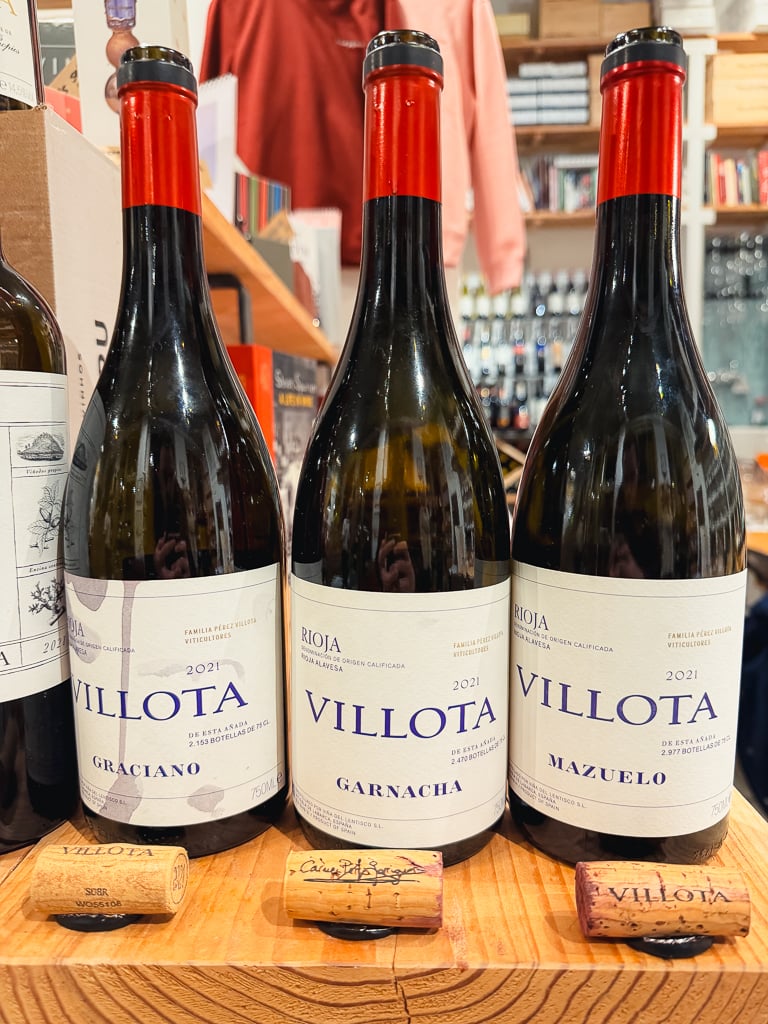
Single varieties now: one grape, one story, three very different characters.
Rioja Villota Garnacha 2021
Soft red fruit (strawberry, raspberry, blackberry), medium (+) acidity, approachable tannins. The cheerful one of the trio; it doesn’t ask for attention, it gives.
Rioja Villota Graciano 2021
Cocoa and ripe red fruit hit you straight in the nose, with medium-high acidity and firmer tannins. The rough brother of the Garnacha; less inviting, more convincing. A wine for people who like something to chew on.
Rioja Villota Mazuelo 2021
The winner of the trio for me. Medium (+) acidity and medium (+) tannins, plenty of elegance and reserved power; lots of red fruit, but held back. Let it warm in the glass and the acidity and tannins relax, the profile opens up. Mazuela rarely gets the lead role in Rioja, and this wine explains why that’s a missed opportunity.
Flight 5
From perfect balance to single-vineyard. We didn’t see this coming.
Viña del Lentisco Rioja Villota Tinto 2020
Grapes: Tempranillo, Graciano and Garnacha
Smooth, fruity, red cherry and vanilla, with a balance that makes you stop talking. Fresh and ripe red fruit, vanilla, wood, a touch of nutmeg. Acidity and tannins medium but unusually supple. Focus and you taste the individual grapes from flight 4 again. Vinification in 500-liter concrete tanks gives the wine room to relax, and you hear it.
Viña del Lentisco Rioja Villota Viñedo Singular Viña Gena 2018
Grapes: 100% Tempranillo
This is the bottle you came for. Single-vineyard from plots over 35 years old, classified as Viñedo Singular (Rioja’s strictest origin tier, comparable to a grand cru). Named after Carmen’s grandmother. Fresh, lively, elegant, spicy, fruity and flinty. A fantastic balance between nose and palate: strawberry, raspberry, blackberry, plum, black currant, blueberry, plus vanilla, nutmeg, wood, acacia, rosemary, bay leaf, cacao and chocolate. Medium (+) acidity and medium (+) tannins, already in balance. Jan Jaap (ASI sommelier) assured me a few years in bottle will take it further; I plan to test that myself. Decanter, air, patience.
For me, this is the real new sound of Rioja.
Conclusion
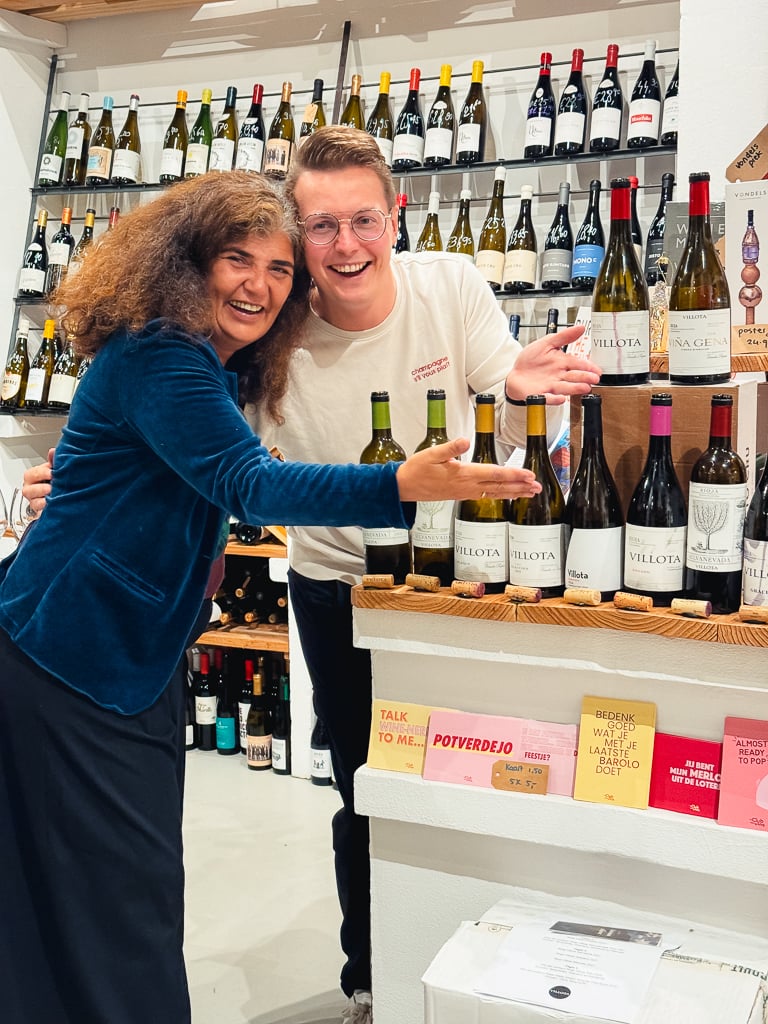
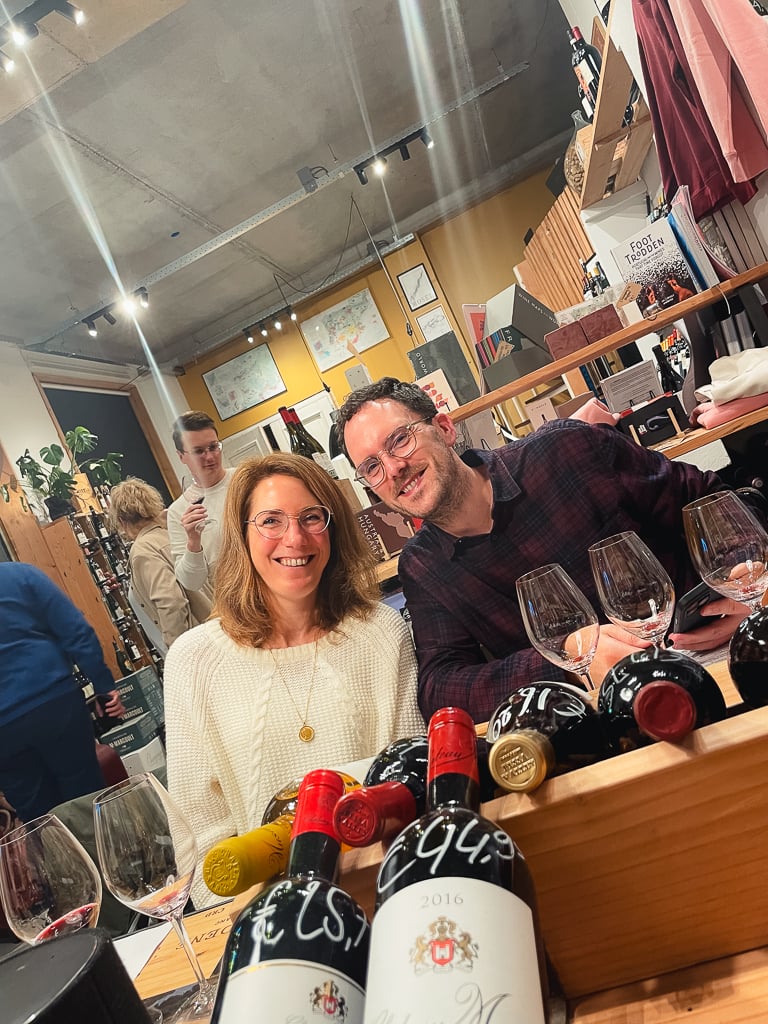
The concept holds up and the wines carry it. Villota isn’t making marketing bottles with a musical glaze; the Selvanevada shows what old Viura can do, the Mazuela 2021 rehabilitates an underrated grape, and the Viña Gena proves the Viñedo Singular classification is more than a sticker. Carmen works with minimal intervention, knows her parcels down to the vine, and helps other winemakers in the region move the same way. If you want to know where Rioja is heading, drink these wines.
Thanks again, Jan Jaap, for the invitation, and Carmen, for the stories. Vindict wine bar in Amsterdam pours Villota by the glass; if Amsterdam isn’t an option, ask your local wine merchant.
More information about Villota: https://www.vinovillota.com
More information about Vindict Winebar in Amsterdam: https://wijnbarvindict.nl/
Sources
- Bodegas Villota (official): bodegasvillota.com
- Consejo Regulador DOCa Rioja: riojawine.com
- Vindict Winebar (Amsterdam): wijnbarvindict.nl
More on Winemaker

Biodynamic tasting calendar: does the fruit day hold?
A reel from Ploder-Rosenberg says wine shows best on fruit and flower days. The biodynamic tasting calendar sounds logical. The blind tasting says otherwise.
Read on →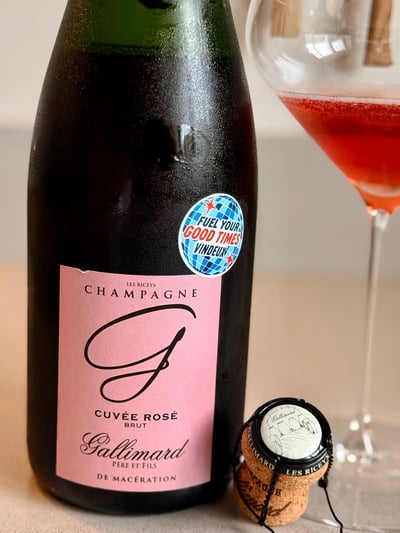
Champagne Gallimard: Six Generations in Les Riceys
Two Gallimard bottles from a July subscription box. A solera running 2009 to 2022, hand disgorgement, and a label code that says something the story doesn't.
Read on →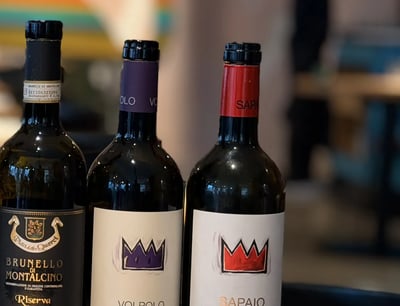
Podere Sapaio: Bordeaux on the Bolgheri coast
Podere Sapaio makes Bordeaux blends in Bolgheri, with time as its guiding principle and concrete beside wood in the cellar. A portrait after La Grande Bellezza.
Read on →