

Cool Climate Wines: Beyond Bordeaux's Sustainability
Sustainability rules for wine were written for warm climates. Why cool-climate growers need different measures, and where the current standards fall short.

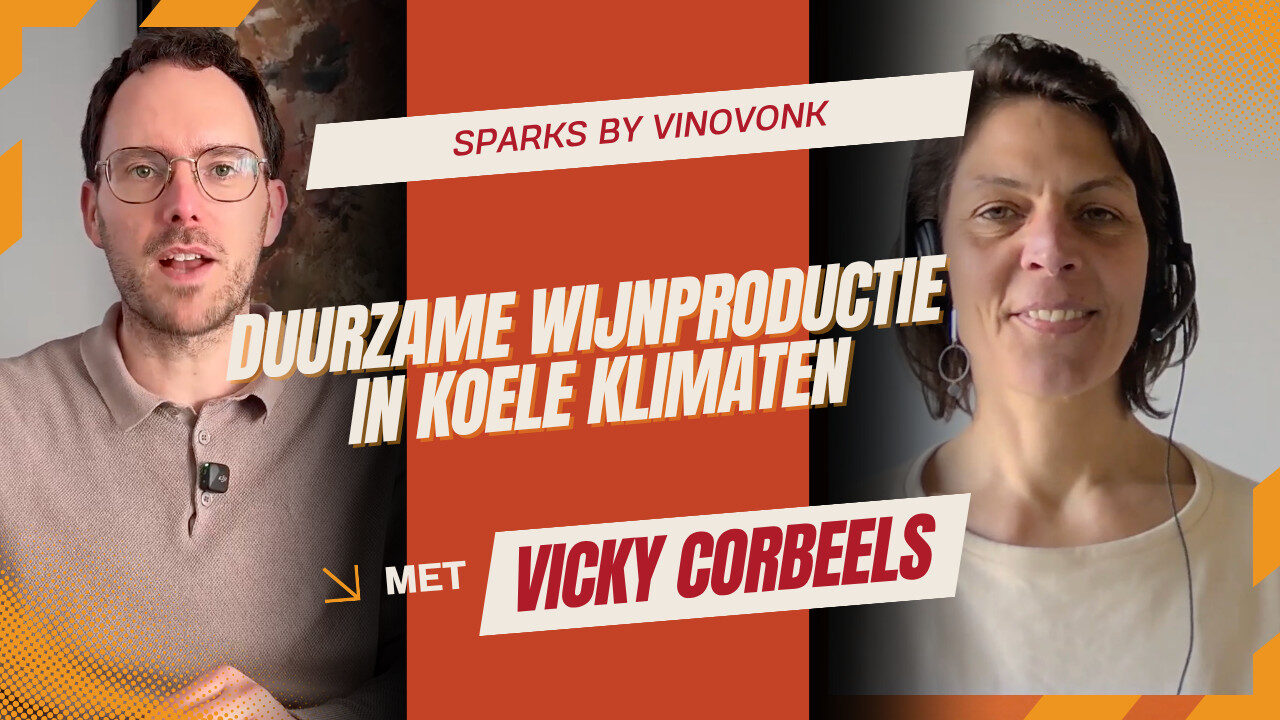
Vicky Corbeels poses an uncomfortable question: what if everything we think we know about sustainable winemaking comes from the wrong climate? The Belgian scientist and sommelier is doing PhD research on cool climate viticulture sustainability and pushing the wine world to drop its one-size-fits-all approach. The north has been copying what was written for the south for decades. That has to stop.
The Copy-Paste Problem
For decades, wine regions from Belgium to Denmark looked south to Bordeaux and other Mediterranean areas for guidance on sustainable practices. It makes sense: those traditional regions have the funding, the research infrastructure, and decades of data. But there’s a critical flaw. Cool-climate regions face fundamentally different challenges.
Belgium’s wine industry now produces 3.5 million liters annually under completely different conditions than its southern neighbors. Shorter days, higher humidity, intense fungal pressure, and different grape varieties mean sustainability solutions from warm climates simply don’t transfer. Worse, EU wine policy is written primarily for Mediterranean climates. Northern producers are being set up to fail.
The Modern Grape Revolution
Terminology matters here. The wine world has long called disease-resistant grape varieties “hybrids” or “interspecific crosses”, terms that carry a stigma suggesting something inferior or incomplete. Corbeels deliberately uses “modern varieties” instead, and there’s an argument behind it.
Grapes like Johanniter, Solaris, and Souvignier Gris aren’t compromise choices. They’re purpose-built for cool-climate success. Research shows these modern varieties need roughly half the pesticides and half the vineyard interventions of traditional grapes like Riesling or Chardonnay. In some regions the gap is sharper still: ten times fewer pesticides than conventional varieties.
But not everything about “sustainable” wine is as green as it looks. Corbeels’ research showed that some bio-certified producers use the most polluting frost protection methods, burning materials in vineyards to fight frost damage. Certification, she notes, should be a means toward sustainability, not an end in itself. That distinction often gets lost in marketing.
Research That Matters
Corbeels is pursuing her PhD at the University of Antwerp, focused on “vitiviniculture”, a term that covers both viticulture (grape growing) and vinification (winemaking). Those two phases are where cool-climate specificity really counts. Packaging and distribution work the same everywhere, but growing grapes and making wine in northern Europe needs its own approach.
Her methodology is collaborative. Through scenario exercises with 25 Belgian winemakers she’s mapping out what the industry could look like in 15 to 30 years. The recurring theme: increasing adoption of modern grape varieties. A comprehensive life-cycle analysis currently underway will identify environmental hotspots and provide data-driven alternatives.
The research faces typical funding challenges, though Corbeels notes growing interest from producers themselves. The wine industry requires enormous upfront investment, and sustainability is often viewed as an extra cost rather than a foundation. A shortsighted view that only gets more expensive over time.
What This Means for Wine Lovers
For consumers the message is clear: quality no longer equals age-ability. The outdated notion that great wines must age for decades doesn’t apply to modern cool-climate wines. These aren’t wines to cellar for your grandchildren. They’re wines to drink now, made with significantly lower environmental impact.
At the last Low Countries Wine Festival, 400 consumers tasted Dutch and Belgian wines, many made from these modern varieties. The openness and enthusiasm were notable, particularly toward unfamiliar grape names like Bacchus and Souvignier Gris.
Want more? Listen to the full conversation with Vicky Corbeels on the VinoVonk Sparks podcast, where she shares her research and vision for sustainable cool-climate viticulture.
The Path Forward
Cool-climate wine regions stand at a crossroads. They can keep following guidelines written for Mediterranean climates, or forge their own path based on rigorous, region-specific research. Belgium and the Netherlands are choosing the latter and positioning themselves as pioneers in truly sustainable viticulture.
The future of northern wine isn’t about catching up to traditional regions; it’s about leapfrogging them. When you reach for a bottle made with modern varieties from a cool-climate region, you’re not just trying something new. You’re backing a fundamental rethinking of what sustainable wine can be.
Sources
- Vicky Corbeels: KU Leuven research on cool-climate viticulture / PIWI: kuleuven.be
- PIWI International: fungus-resistant grape varieties: piwi-international.de
- Vereniging Nederlandse Wijnproducenten: nederlandsewijnproducenten.nl
More on Winemaker
Biodynamic tasting calendar: does the fruit day hold?
A reel from Ploder-Rosenberg says wine shows best on fruit and flower days. The biodynamic tasting calendar sounds logical. The blind tasting says otherwise.
Read on →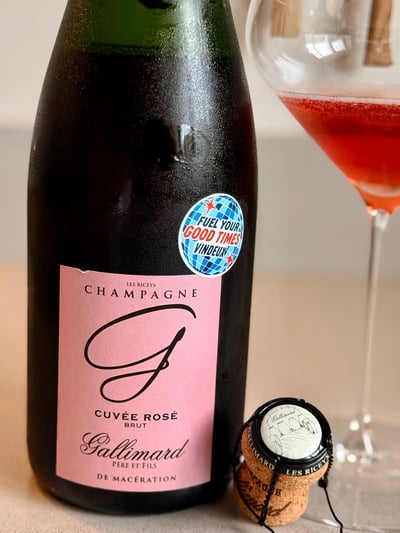
Champagne Gallimard: Six Generations in Les Riceys
Two Gallimard bottles from a July subscription box. A solera running 2009 to 2022, hand disgorgement, and a label code that says something the story doesn't.
Read on →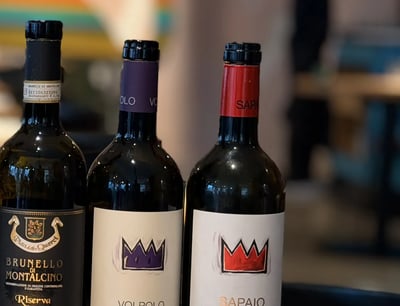
Podere Sapaio: Bordeaux on the Bolgheri coast
Podere Sapaio makes Bordeaux blends in Bolgheri, with time as its guiding principle and concrete beside wood in the cellar. A portrait after La Grande Bellezza.
Read on →