

The Right Wine Glass for Every Wine: A Practical Guide
You don't need a different glass for every grape. Here's what glass shape actually does to wine, and the three glasses worth buying.

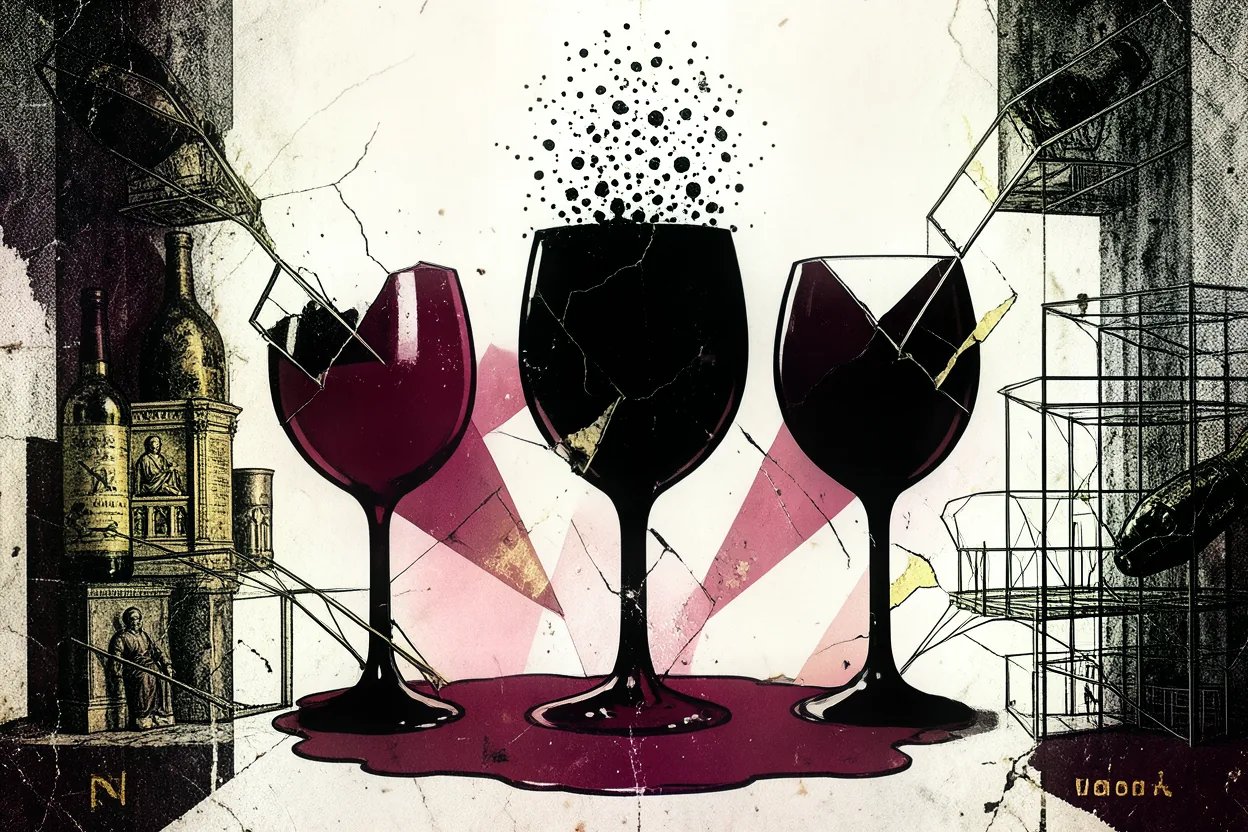
The wine glass industry has a vested interest in convincing you that you need a different glass for every grape variety. Riedel, the Austrian glass manufacturer that pioneered varietal-specific glassware, makes glasses for Pinot Noir, Nebbiolo, Cabernet, Syrah, Riesling, Grüner Veltliner, and dozens more. Some of these distinctions are genuinely meaningful. Many are not.
This guide cuts through the noise. You don’t need a different glass for every wine. But the principles behind glass design are worth knowing, because shape changes what you experience in the glass.
Why Glass Shape Matters
A wine glass doesn’t just hold wine. Its shape determines:
How much oxygen contacts the wine, a wider bowl means more aeration, which opens up tannins and aromatics in red wine
Where the aromas collect, the bowl concentrates volatile compounds; the rim directs them to your nose
Where the wine hits your palate first, the rim diameter and angle affects flow, influencing which taste receptors the wine reaches first
Temperature retention, larger bowls warm wine faster; narrower bowls retain temperature longer
The effects are real. But they don’t call for dozens of different glasses.
The Three Glasses You Actually Need
1. A Large Red Wine Glass (Bordeaux or Universal style)
A tall glass with a broad bowl, narrowing slightly at the rim. Capacity around 500–600ml, though you never fill it more than a third. This shape works for full-bodied reds, Cabernet Sauvignon, Merlot, Syrah, Malbec, Tempranillo, Sangiovese, where you want maximum aeration to soften tannins and open aromatics.
It also works as a general-purpose glass for most other reds. If you own only one type of glass, this is it.
2. A Burgundy / Pinot Noir Glass
Wider and rounder than a Bordeaux glass, with a more pronounced belly and slightly narrower rim. This shape is specifically designed for lighter, more delicate reds, Pinot Noir above all, but also Gamay, Nebbiolo, lighter Grenache. The wide bowl maximises aeration for wines that benefit from it, while the rim concentrates the more subtle, complex aromatics of these grapes.
This is the second glass worth owning if you drink a lot of Burgundy, Barolo, or Beaujolais. It also works as an excellent white wine glass for complex whites and for Champagne.
3. A White Wine Glass (tulip shape)
A narrower, more upright bowl with a tulip profile, wider in the middle, narrowing at the top. Holds around 350–450ml. This shape preserves the fresh, delicate aromatics of white wines and maintains a cooler temperature. It works for almost all white wines, from Sauvignon Blanc to Chardonnay to Riesling.
Also the correct glass for Champagne and other sparkling wines when tasting seriously (see below).
Wine-Specific Notes
Pinot Noir: Use the Burgundy glass. The wide bowl is essential for expressing the complex, often subtle aromatics of good Pinot. In a standard red glass, many of these notes are lost.
Cabernet Sauvignon / Bordeaux reds: The large Bordeaux-style glass. The tall bowl allows tannins to soften with exposure to air.
Riesling: A smaller, narrower white wine glass concentrates the floral and mineral aromatics. Some use a specific Riesling glass (taller and narrower than a standard white wine glass), though a good tulip works fine.
White Burgundy / Chardonnay: A white wine glass with a slightly wider bowl than for aromatic whites. Oaked Chardonnay benefits from more aeration, similar to a light red glass.
Champagne: A tulip-shaped white wine glass, not a flute. The wider bowl allows the full aromatic profile to express. For parties, flutes are fine. For serious Champagne, use a white wine glass.
Dessert and fortified wines: A smaller glass, 150–250ml capacity. Port, Sauternes, and Sherry glasses are smaller because you serve smaller pours. For Sherry specifically, the copita (a small tulip glass) is traditional and functionally excellent.
Rosé: A standard white wine glass works well. Some prefer a slightly wider bowl to capture the fruity aromatics.
Does Crystal vs Glass Matter?
Yes, at a practical level. Crystal (lead-free crystal, now the standard) is thinner, lighter, and has a slightly textured surface at the microscopic level that helps bubble nucleation in sparkling wine and provides a more tactile experience. The rim of a good crystal glass is noticeably thinner than standard glass, which affects how wine flows onto the palate.
You don’t need to spend a lot. Schott Zwiesel makes excellent machine-made crystal that’s dishwasher-safe and genuinely improves the experience versus basic glass. Riedel, Zalto, and Gabriel-Glas are the premium options.
Practical Buying Guide
If you’re building a glass collection from scratch:
Budget option (€5–10/glass): IKEA Storsint or Riedel Overture range, functional and decent
Mid-range (€10–25/glass): Schott Zwiesel Pure or Cru Classic range, the best value in wine glassware
Premium (€30–60/glass): Riedel Veritas, Zalto Universal, Gabriel-Glas StandArt, genuinely excellent, noticeably better
For most people, Schott Zwiesel in the mid-range is the right answer. Dishwasher-safe, durable, well-designed, and a clear step up from cheap glass without the babying that hand-blown crystal demands.
Care and Maintenance
A few things that matter more than people realise:
Rinse glasses immediately after use, dried wine leaves residue that affects subsequent tastings
Never use detergent for fine crystal, rinse with warm water only, or use minimal unscented detergent
Store glasses upright or hanging, storing rim-down can create a musty smell inside the bowl
Polish with a clean, lint-free cloth before serving, fingerprints and water spots affect both appearance and bubble formation in sparkling wine
Frequently asked questions
How many different wine glasses do you actually need?
Three. A large red glass in Bordeaux or universal shape at 500 to 600 millilitres, a wider Burgundy glass for delicate reds like Pinot Noir and Nebbiolo, and a tulip-shaped white glass at 350 to 450 millilitres. If you only own one, make it the large red: it handles nearly every red wine.
Does the shape of a wine glass really matter?
Yes, though less than the glassware industry suggests. Shape governs how much oxygen reaches the wine, where the aromas collect, how the wine meets your palate and how quickly it warms. Those effects are real, but they call for three glasses, not one per grape variety.
Is crystal better than ordinary glass?
In practical terms, yes. Lead-free crystal is thinner and lighter, and its rim is noticeably finer than standard glass, which changes how the wine runs onto your tongue. It need not be expensive: Schott Zwiesel in the 10 to 25 euro mid-range is dishwasher-safe and the right answer for most people.
Prices in this article date from June 2026. Check the current price with the seller.
More on Wine Guide

How to Spot Real Champagne: What Fakes It on the Shelf
Aviva at 9.29 euros, Piper-Heidsieck at 45.99, side by side on the shelf. Why only one may call itself champagne, and how to tell them apart.
Read on →
Is Austria really the top organic wine country?
Austria leads on organic wine by share, not by claims. Not 35 percent but 25.0 percent of its vineyards are certified organic. Here is what the figures say.
Read on →
The solera method in Champagne, explained
The solera method in Champagne: how a perpetual reserve works, why it is rare, and how Monmarthe ages 100% Meunier in one. Borrowed from sherry in Jerez.
Read on →