

Daxivin: Loire biodynamic wine importer
Daxivin brings Loire biodynamics to the Netherlands. La Grange Tiphaine, the pétillant originel charter, and Marnix and Niels' curation.
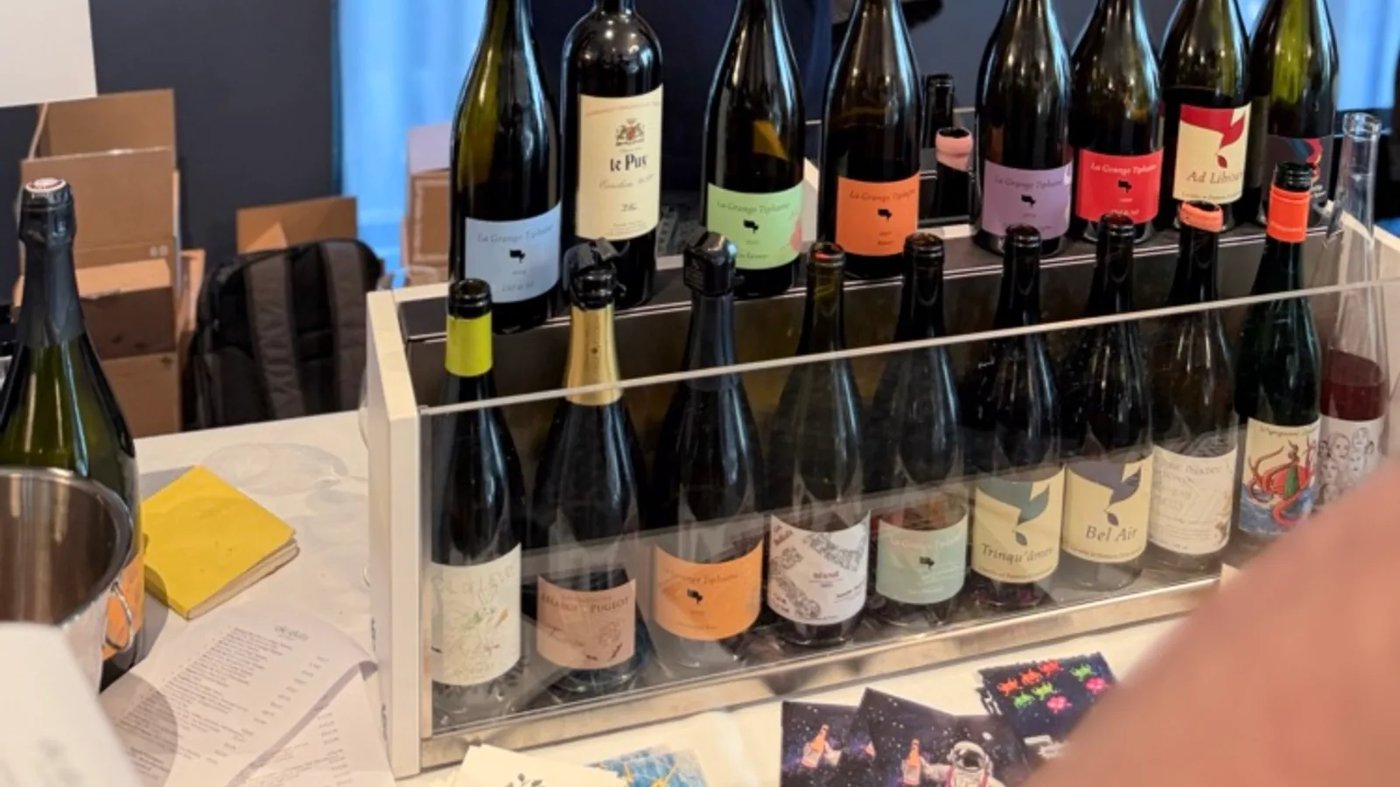
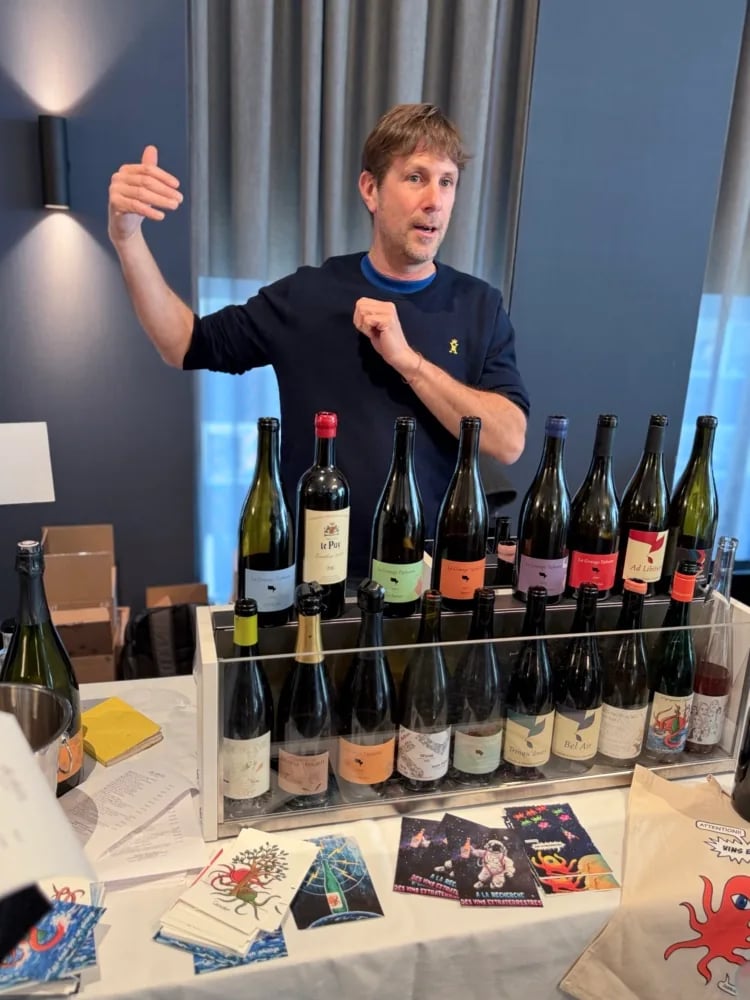
“Probably the hardest thing I’m doing in the winery.” Damien Delecheneau lifted a bottle of pétillant originel. The masterclass was almost over. Marnix Rombaut stood at the back of the room, nodding. Daxivin had flown him in from New York for this tasting. Twelve wines, three hours, one winemaker who swallowed his fatigue between every pour and kept going.
Marnix Rombaut runs Daxivin together with his cousin Niels Huijbregts. Loire and natural wine importer, small in scale, sharp in selection. They bring biodynamic winemakers to the Netherlands who would not have visibility here without them. La Grange Tiphaine is the crown jewel.
Daxivin is not new. Friend Dagmar, nickname Daxi, started it in 2005 as importer of South African biodynamic Reyneke. Marnix became first a customer, then an ambassador, and in 2009 a partner. Since 2013 Niels and Marnix run the operation with two hands. Vin Vivant is their motto: living wine from healthy organic grapes, without chemical shortcuts.
Why the Loire matters
The Loire valley is France’s longest wine region. From the Atlantic coast to central France. Sparkling wine, dry whites, sweet whites, rosé and red, all sharing one through-line: freshness and elegance.
Chenin blanc from the Loire is one of the most underrated categories in wine. It ages for decades. It shows terroir with transparency. The range runs from bone-dry to lusciously sweet. Sauvignon blanc from Sancerre and Pouilly-Fumé sets the global benchmark for the variety. Cabernet franc from Chinon, Bourgueil and Saumur-Champigny produces reds with finesse and cellaring potential.
Outside France, the Loire stays niche. Bordeaux owns the red conversation. Burgundy holds white wine prestige. Champagne claims sparkling. The Loire sits in the shadow, underpriced and underused. For buyers, that is an opening. For Marnix and Niels, it is a daily mission.
La Grange Tiphaine
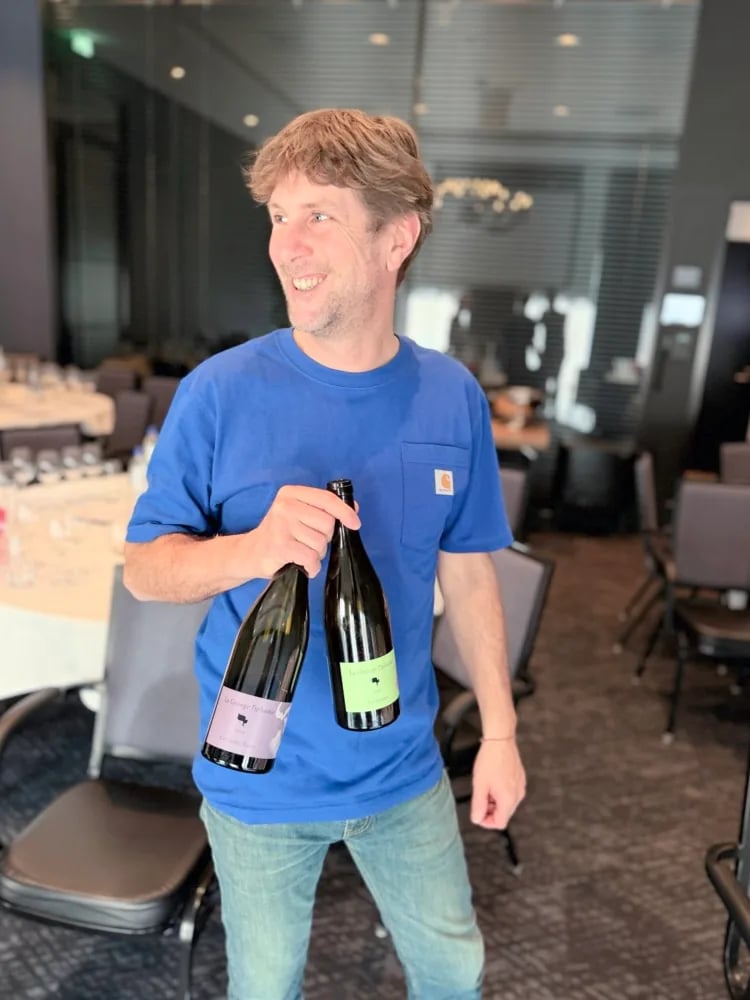
Damien Delecheneau took over the family domaine in 2007. Started organic. Switched to biodynamics in 2010. The reasoning: “The organic style was not exactly the idea of making wine with healthy vines.”
Soil health became his obsession. “If you want good grapes, good bunches, they need to eat well. The soil needs to work.” Since 2018 he has seen the result: vines that handle extreme vintages without alcohol spikes.
His role as president of AOC Montlouis-sur-Loire has changed France’s wine map in concrete terms. In 2018, under his leadership, the herbicide ban went through for the entire appellation. One of the first regions in France to do it. Independent sources put organic certification across the appellation at around 35 percent, exceptionally high for a French AOC.
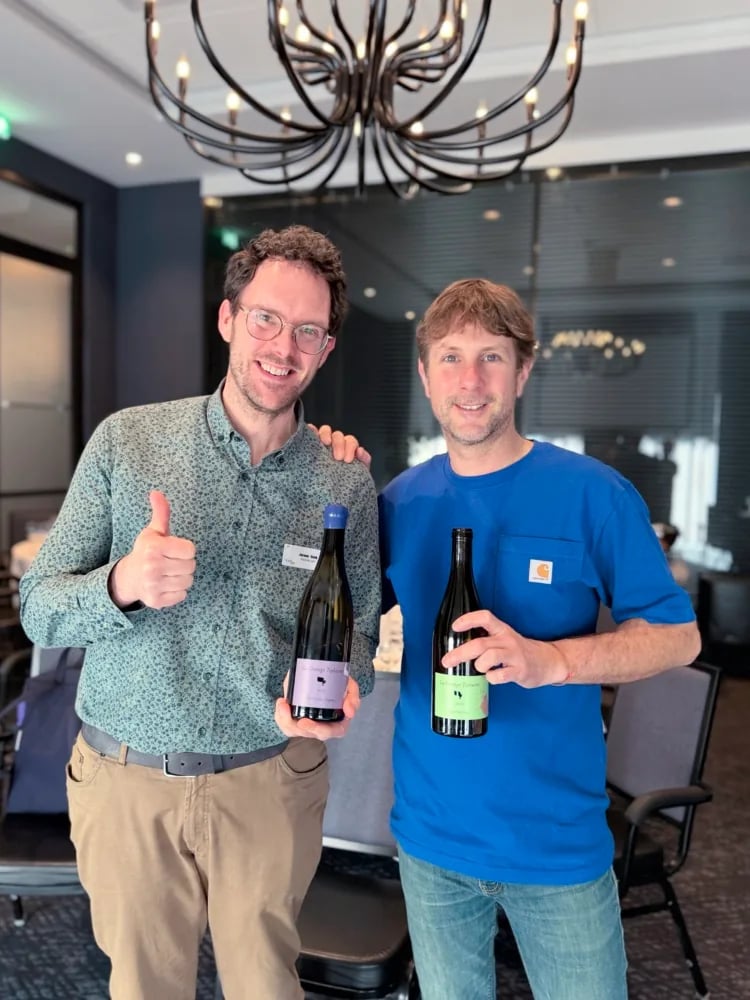
Four hands, thirteen years
Two wines summarise Damien’s work.
Quatre Mains 2022, a sauvignon blanc nobody saw coming. Aromatic, full, round, with honey and a whisper of smoke. One year in old large oak transformed a classic Loire grape into something layered. The name is not a marketing concept. Coraline joined as a full partner in 2009. “It was the first wine we made together.” Four hands. Two people, one vineyard.
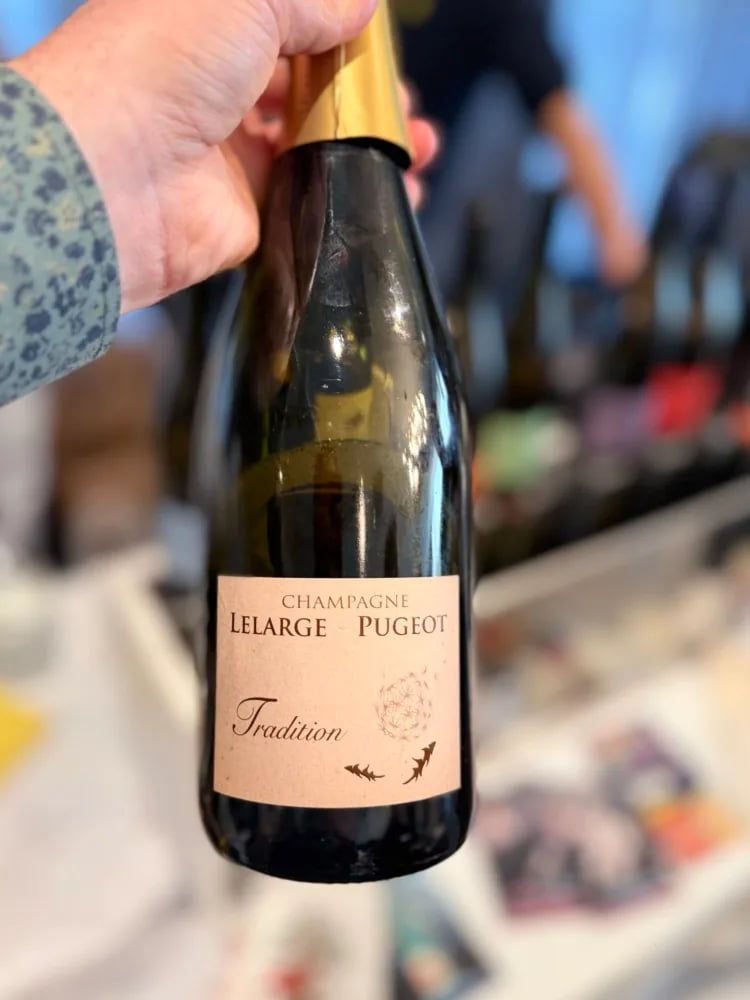
And then the pét-nat. The quality charter that gave pétillant originel an official place inside Montlouis was a collective fight by the appellation’s vignerons. It received legal status in 2007. Damien was deeply involved. “We struggled for 13 years, but we did it.” Montlouis was the first appellation in France to give pétillant originel a formal home. He does not make cloudy, funky pét-nat. He makes clear, precise, terroir-driven sparkling wine via the méthode ancestrale.
Their selection
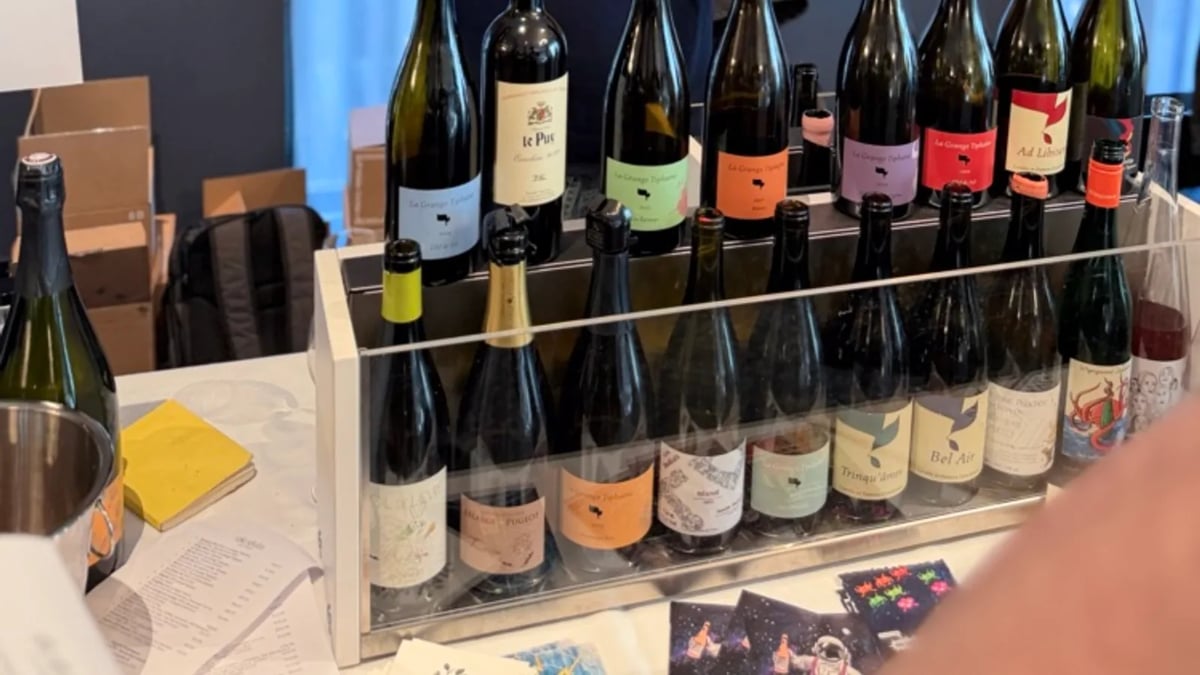
Daxivin is not a glutton. Marnix and Niels pick. Producers working sustainably, with minimal intervention, focused on expression over manipulation. The portfolio leans natural: biodynamic certification, organic farming, spontaneous yeast, low sulphur. But “natural” is not a style. It is a stance.
What that means in the glass: clean, stable, delicious. No funk excuses, no cloudy defence. As polished as conventional top wine, just with a lighter hand. The distinction matters. The natural category has a reputation problem, partly earned, partly not. Too many wines hide faults behind the label. Daxivin’s selection shows how it can be done: purity without pretension, energy without instability.
For anyone exploring the Loire route past Sancerre clichés, the Daxivin portfolio sits well next to what Château Font Barrièle does in Costières de Nîmes. Both producers fit inside the broader biodynamic line at ViniBio 2026.
The verdict
Marnix and Niels are the bridge between Loire biodynamics and the Dutch market. La Grange Tiphaine for the chenin lover, smaller natural producers for those who go further. Not a volume importer. People who know the producers personally, visit the vineyards, understand the winemaking.
Buying from Daxivin is not buying a list. It is buying curation, expertise and relationships. For a Loire biodynamic wine importer, that is the entire difference.
Contact: Marnix Rombaut & Niels Huijbregts Website: daxivin.nl
Sources
- La Grange Tiphaine: Official site (Damien & Coraline Delecheneau)
- La Grange Tiphaine: Quatre Mains (sauvignon blanc)
- The Wine Doctor: Montlouis pétillant originel (2007 charter)
- Daxivin: About (Marnix Rombaut & Niels Huijbregts, founded 2005)
Tasted at ViniBio 2026, the Dutch trade fair for organic wine, on 2 March in Amsterdam. No partnership with the imported producers.
More on Winemaker
Biodynamic tasting calendar: does the fruit day hold?
A reel from Ploder-Rosenberg says wine shows best on fruit and flower days. The biodynamic tasting calendar sounds logical. The blind tasting says otherwise.
Read on →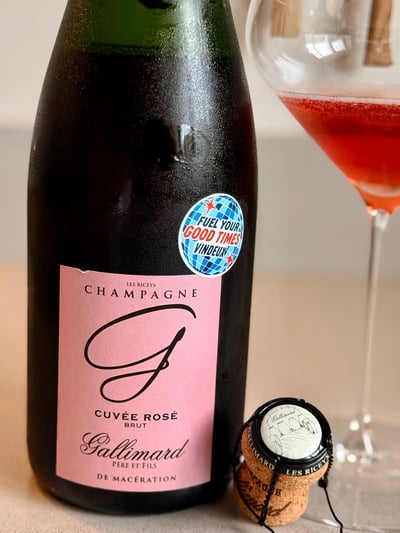
Champagne Gallimard: Six Generations in Les Riceys
Two Gallimard bottles from a July subscription box. A solera running 2009 to 2022, hand disgorgement, and a label code that says something the story doesn't.
Read on →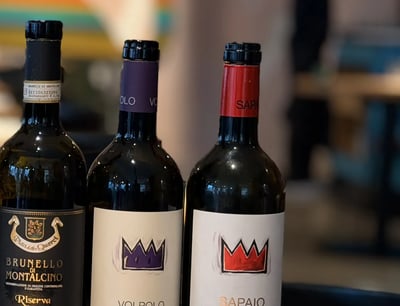
Podere Sapaio: Bordeaux on the Bolgheri coast
Podere Sapaio makes Bordeaux blends in Bolgheri, with time as its guiding principle and concrete beside wood in the cellar. A portrait after La Grande Bellezza.
Read on →