

Barbadillo reopens its Despacho de Vinos in Sanlúcar
Barbadillo revives the old despacho tradition in Sanlúcar: manzanilla and sherry on tap from the cask, plus a new label, Manzanilla 1821.

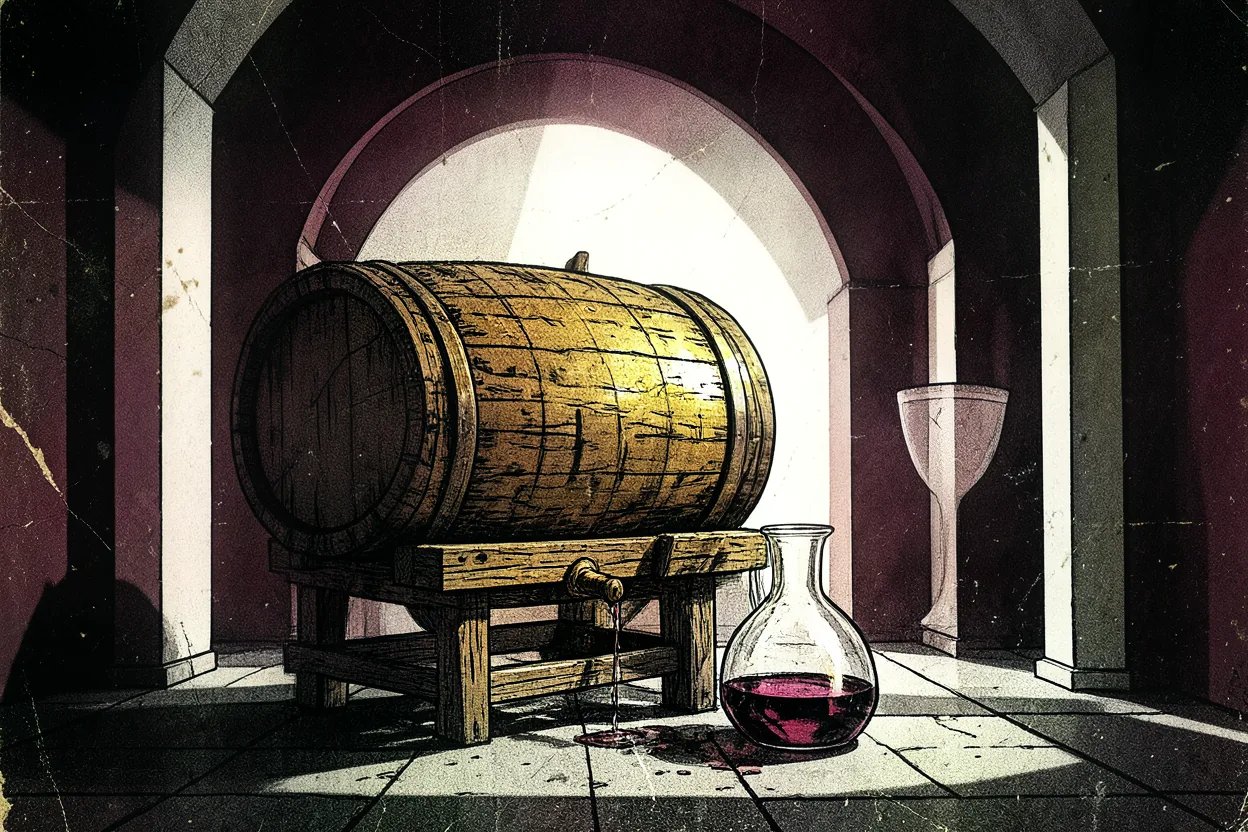
For generations, the people of Sanlúcar walked to the bodega with an empty garrafa to buy wine straight from the cask. That ritual is back. Bodegas Barbadillo has reopened its Despacho de Vinos in Sanlúcar de Barrameda, a room devoted to selling and tasting manzanilla and sherry on tap, poured directly from the bota. The house, founded in 1821 and the largest manzanilla producer in the Marco de Jerez, has placed the new despacho beside the Tienda Barbadillo and the Museo de la Manzanilla on the Plaza del Castillo de Santiago.
The garrafa tradition returns
The despacho occupies an old bodega restored for the occasion. Barbadillo keeps it deliberately bare: the silence, the half-light and the cask-soaked air of the place where locals once filled their jugs for decades. You buy several wines loose here, among them Manzanilla Fina, Oloroso, Amontillado, Palo Cortado and Cream, by the glass or the garrafa.
Víctor Vélez, Barbadillo’s general manager, frames it as civic memory. “The despacho is part of the everyday history of Sanlúcar and of Barbadillo’s own history. Bringing it back means reconnecting with a very authentic, close-up way of experiencing wine,” he told the regional outlet Cosas de Come.
Manzanilla 1821: a new label on old ground
The lead role goes to Manzanilla 1821, a brand created specifically for this concept. The name nods to the founding year, and the idea is plain: pour manzanilla the way it used to be served, straight from the chilling cask into the copa.
Something rubs here. Barbadillo already has Solear, an established manzanilla that carries the house story. A new brand built around a date is first of all a marketing choice, not a new style of wine. Whether Manzanilla 1821 has its own profile or simply repositions existing manzanilla is not clear from the announcement. For anyone who knows the house wines, that is the first question worth asking.
Wine from the cask: lovely, but fragile
The romance of the garrafa collides with the nature of manzanilla. Manzanilla Fina is the most fragile wine in the Marco: it lives under a layer of flor and loses its freshness fast once that protection is gone. From the cask into a jug, the clock runs quickly. Anyone keeping a few litres of loose manzanilla at home will, within days, be drinking a duller, more oxidised wine than the one that came out of the bota.
The fortified styles behave differently. Oloroso, Amontillado and Palo Cortado are already oxidatively aged and hold up far longer in a well-sealed bottle. So the on-tap format suits those wines better than the fina that fronts the concept. Worth knowing before you walk out with a full garrafa.
Tradition or tourist product?
The original despacho was useful and ordinary: neighbours filled their bottles cheaply. The reopened version sits in a restored room, right next to the museum shop, inside the house’s wine-tourism offer. That is not a complaint, but it is a difference. The folk tradition becomes a thing you visit.
Vélez acknowledges the shift himself. Today’s visitor wants “authentic and different experiences,” he says, and this despacho answers that. The question that travels along: how much of the old, unpolished practice survives once it is reshaped into a curated experience? The real despacho was about a litre of wine for little money, not a story you take home.
Practical
The Despacho de Vinos is on the Plaza del Castillo de Santiago in Sanlúcar de Barrameda, next to the Tienda Barbadillo and the Museo de la Manzanilla. According to the official site it is open Monday to Saturday, from 10:00 to 14:30. Bookings and information via [email protected] or by phone on +34 956 385 521.
It pairs well with a visit to the museum and the bicentenary bodega. If you came for the fina, drink it fresh on the spot. Take the garrafa home for the oloroso.
Sources
- Cosas de Come Cádiz: Barbadillo recupera su histórico Despacho de Vinos (announcement, Víctor Vélez quotes)
- Bodegas Barbadillo: Despacho de Vinos and visitor information (opening hours, contact, on-tap range)
- Bodegas Barbadillo: company background, founded 1821, manzanilla market share barbadillo.com
More on News

Sherry exports to the Netherlands fall 38 percent
Sherry exports to the Netherlands dropped from 2.55 to under 1.6 million litres in a year. Jerez blames private label. What the figures do and don't show.
Read on →
Arctic Barolo: Rivetto Ages Barolo Under the Sea
Arctic Barolo spent a year 34 metres down off northern Norway. What Rivetto and Hurtigruten did, what the taster found, and why I am not convinced yet.
Read on →
Champagne 2026: the same picking plan as 1959
Roederer put its 2026 picking plan beside 1959 and found only the date had moved. What the first vins clairs suggest, and what they cannot prove.
Read on →