

300-Year Time Machine: World's Oldest Sherry
Some discoveries happen by accident, a dusty barrel in a forgotten corner, a casual conversation about heritage, and suddenly, history reveals itself.

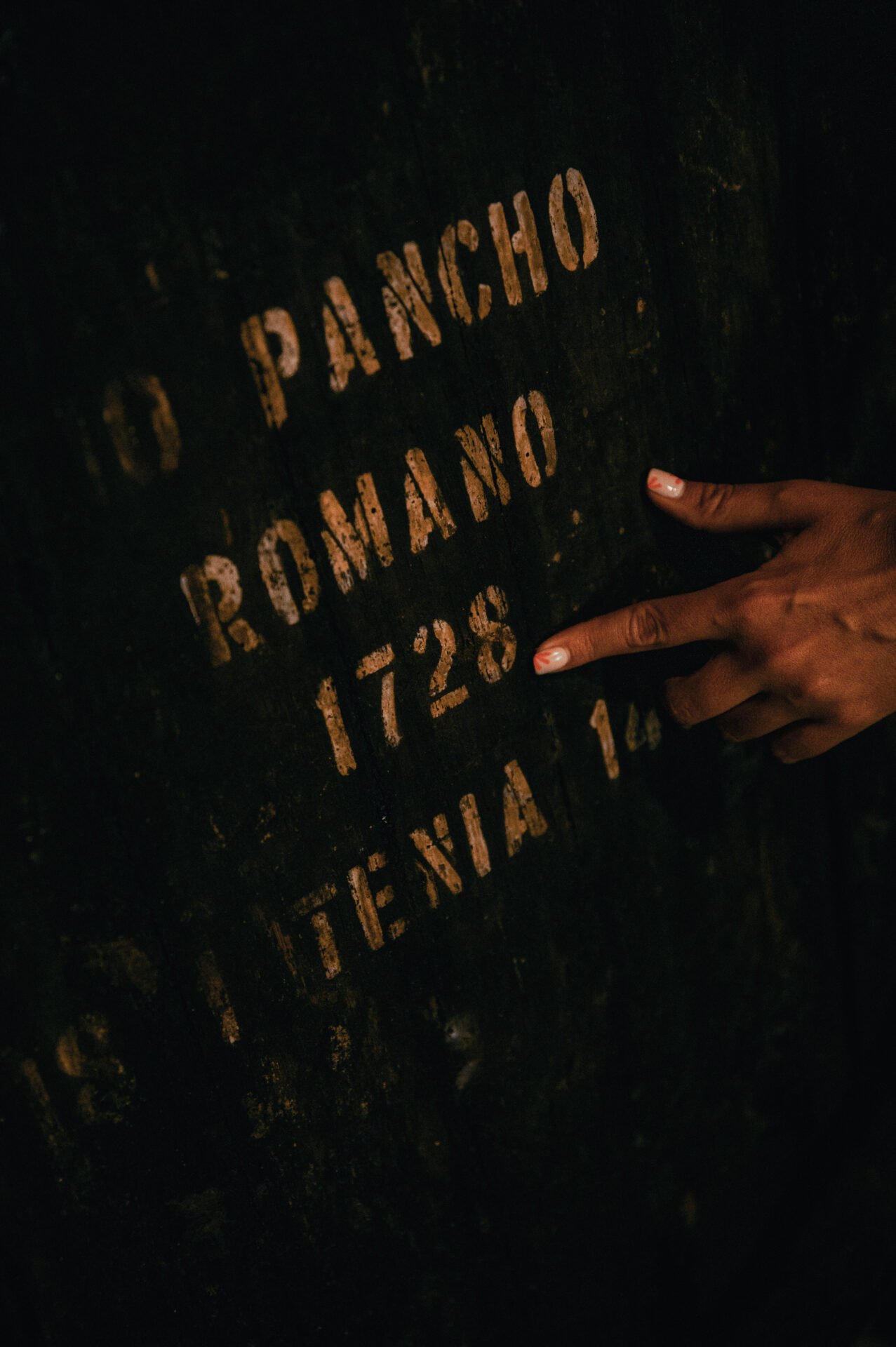
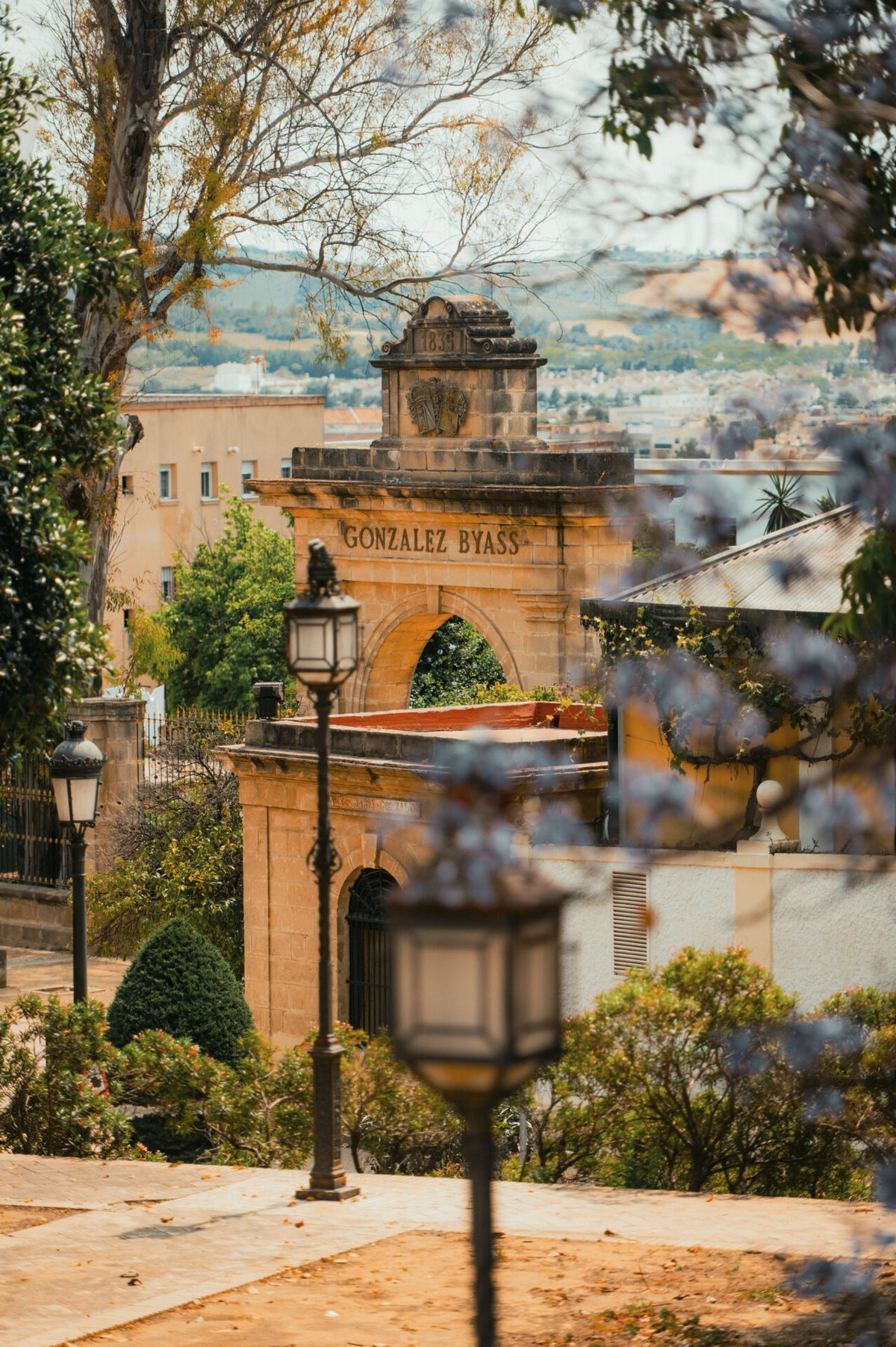
In a forgotten corner of the González Byass bodega in Jerez de la Frontera stood a barrel nobody could date. That changed when The Secret Sherry Society stopped by for a conversation with Silvia Flores, third-generation winemaker and future masterblender of the house. A passing remark about old wines, some detective work in the archives, and suddenly a world record was on the table: a sherry from 1728. The oldest known.
The accidental discovery
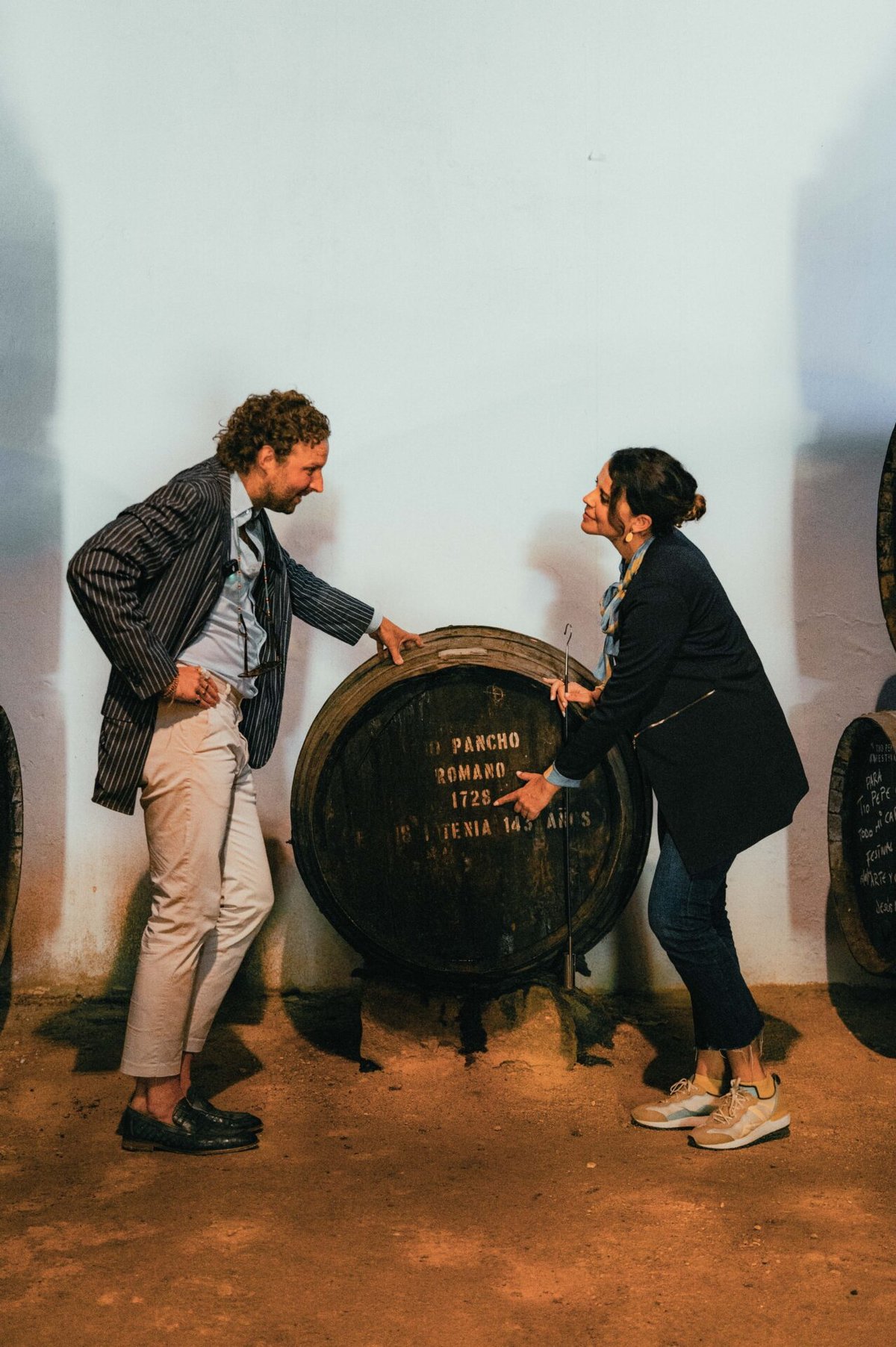
Flores mentioned something intriguing during the conversation about time and the magic of old sherries. Somewhere deep in the bodega stood a mysterious barrel that nobody could accurately date. After some detective work deciphering weathered inscriptions, the puzzle pieces clicked into place. The barrel had been purchased in 1871, but the wine inside was already 143 years old at that point. The math is staggering. This liquid time capsule dates back to 1728.
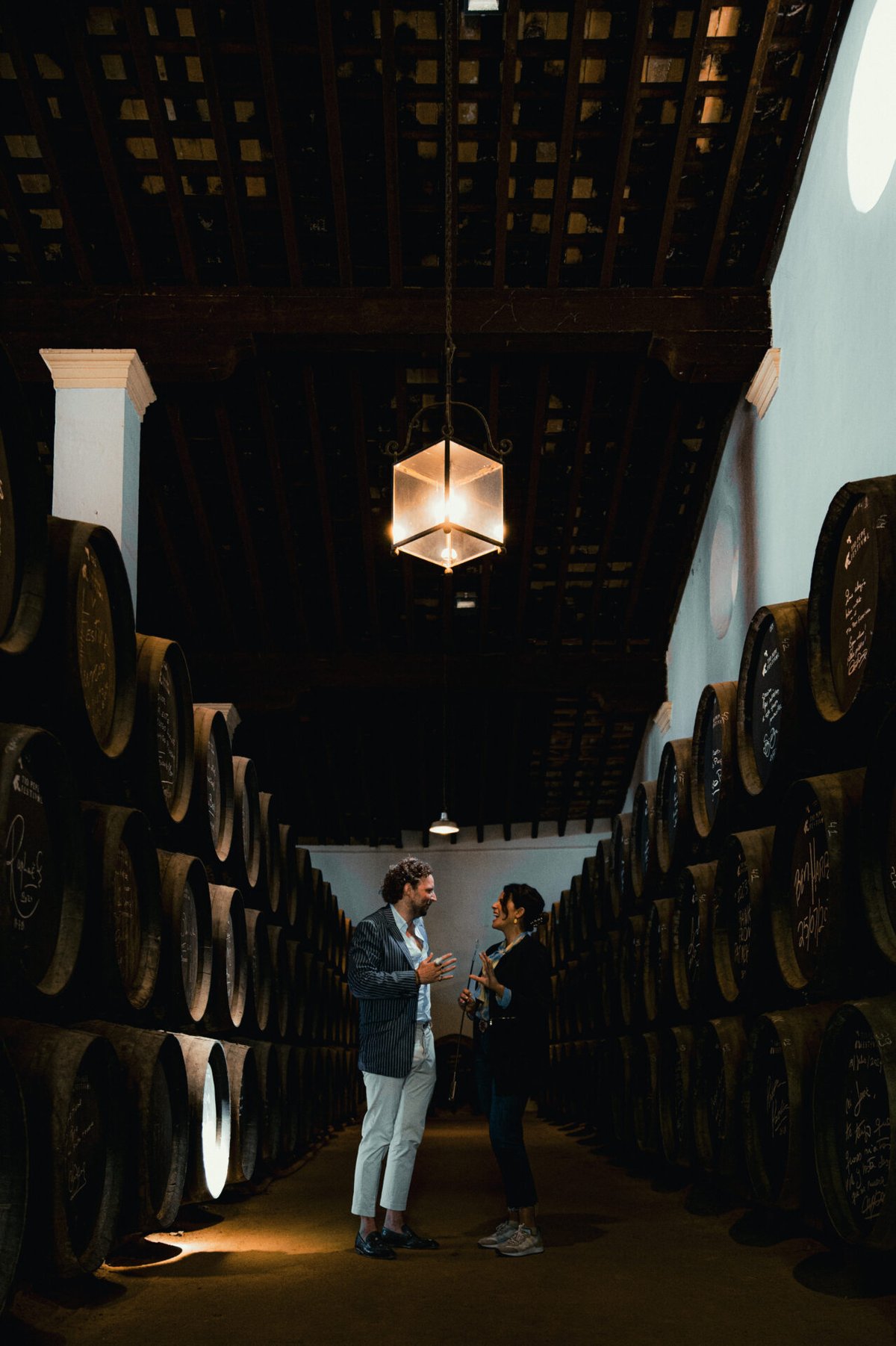
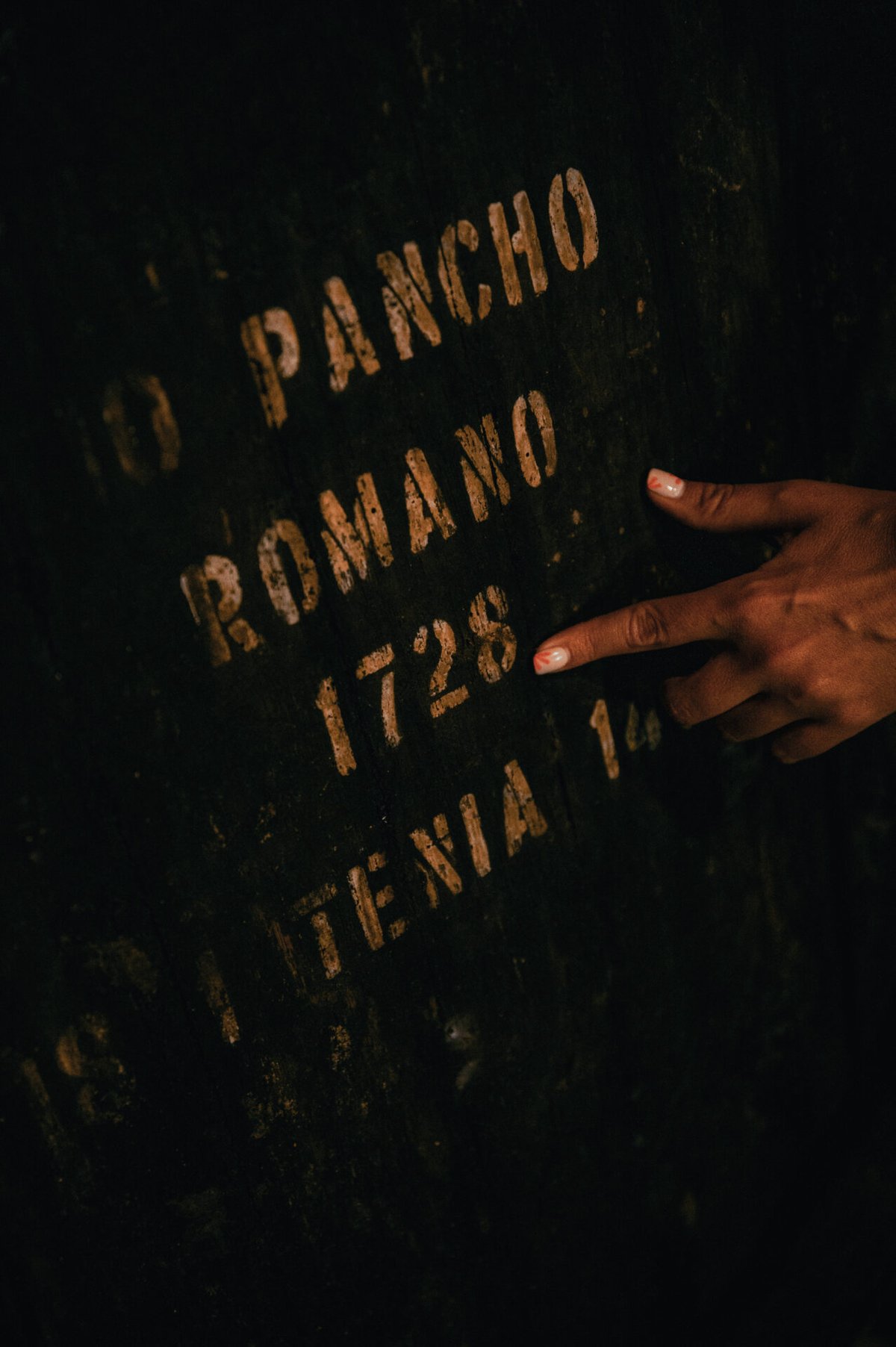
To put that in perspective, this Sherry predates Mozart, Napoleon, Beethoven, and the American Declaration of Independence. It has survived the French Revolution, the Industrial Revolution, and both World Wars. Every drop tells a story that spans three centuries.
What three centuries look like in a glass
When the barrel was finally opened after almost 300 years, the moment was historic. The wine had undergone an extraordinary transformation through oxidation, that natural exposure to oxygen that fundamentally changes a wine’s character. Add to that the “angel’s share”, the poetic term for gradual evaporation during aging.
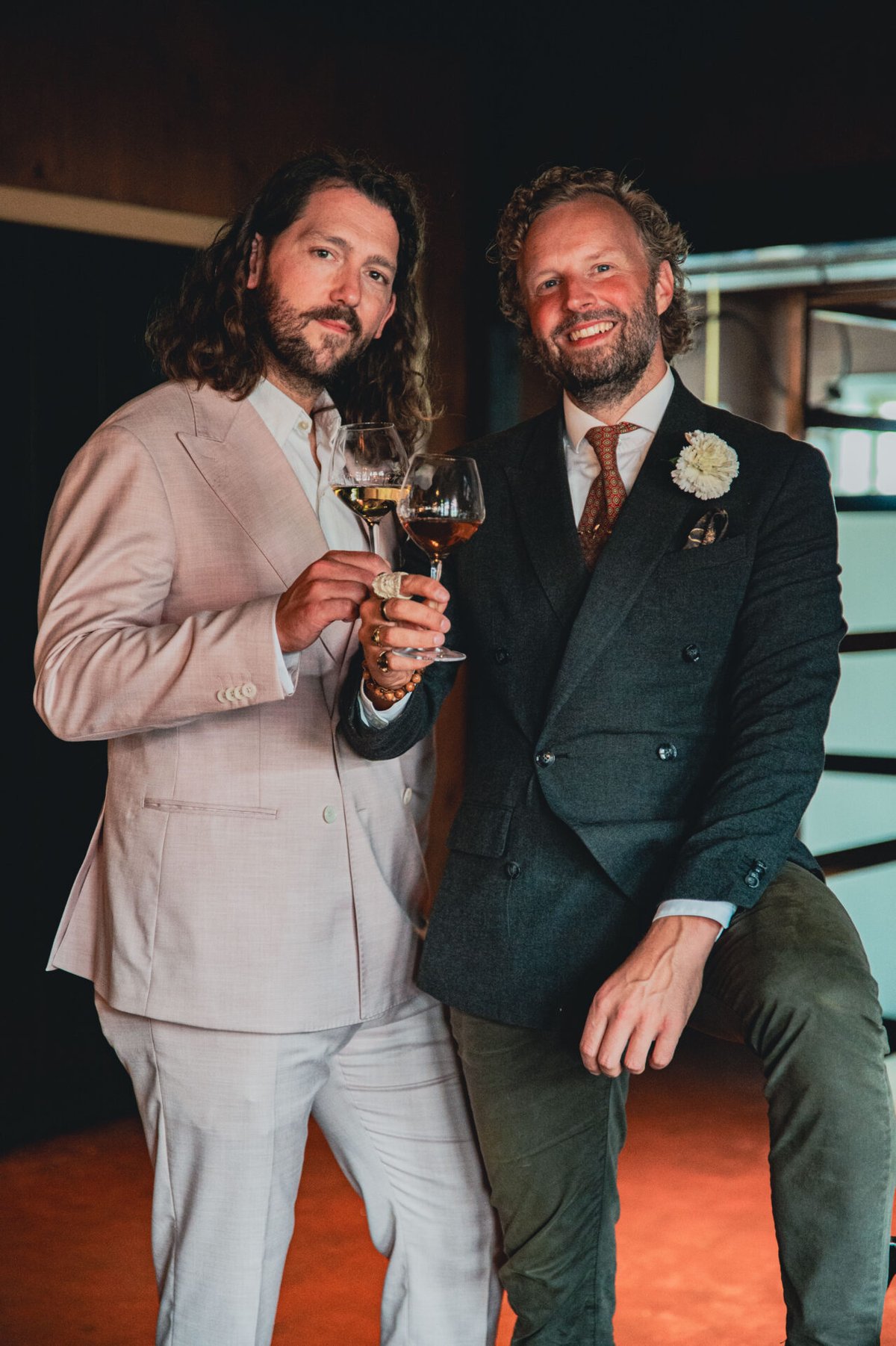
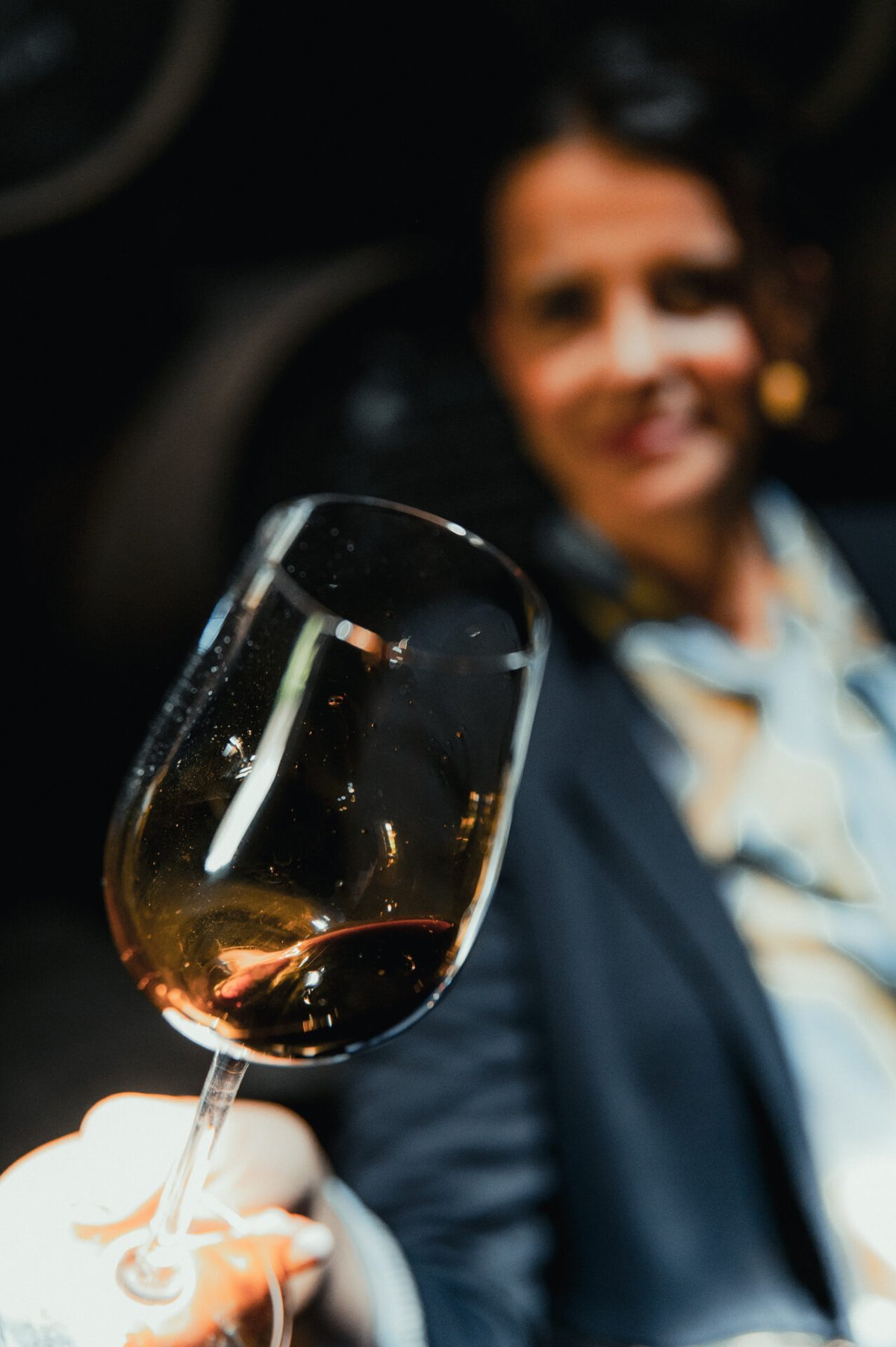
The result is a wine of almost incomprehensible intensity. The color is deep, dark, almost syrupy black. The texture resembles liquid amber, thick and viscous. Poured into three small copitas (traditional sherry glasses), the aroma reveals nuts, spices, dried figs, wood, coffee, and leather. So complex it is hard to take it all in.
Antonio Flores, the bodega’s master blender, sums it up powerfully: “I usually say it’s as black as night and as sweet as love.” The sugar level sits above 600 grams per litre, three to six times that of an average sweet wine. The alcohol has largely evaporated; what remains is concentrated sweetness, acidity, and salinity. That is exactly what kept the wine alive across three centuries.
The grape variety is not known for certain. González Byass keeps three candidates open: Pedro Ximénez, Moscatel, or Palomino vinified as a sweet wine. This is the first critical gap in the discovery. Without the exact grape variety we are missing a piece of the puzzle that could explain how the wine reached such remarkable longevity.
A record by half a century
Until now, the oldest known sherry was produced in 1775 by Massandra in Crimea. A single bottle sold at Sotheby’s London in 2001 for $43,500. More recent rare sherries, such as Barbadillo’s Versos 1891 series (just over 130 years old), launched at £8,000 (around €9,400) per bottle, with only 100 bottles released worldwide; premium retailers now ask more than €11,000.
This 1728 discovery pushes the previous record back by almost half a century. This is not about breaking a record. It rewrites wine history and could well earn a place in the Guinness Book of Records.
The preservation dilemma
Here lies the second issue: what now? The Secret Sherry Society calls this “world heritage”, not merely wine. They are talking with the Flores family about protection, documentation, and potentially sharing. But “potentially” is the key word. There is no clear plan for public access or tastings at this point.
That raises uncomfortable questions. Is keeping this wine locked away truly honoring it, or does world heritage deserve to be tasted, even if only by a few? The tension between preservation and sharing remains unresolved, and the ambiguity feels like a missed opportunity.
History in liquid form
Despite those concerns, this accidental discovery shows what patience, craftsmanship, and the right conditions can produce. As Karel Klosse of The Secret Sherry Society puts it: “This is a time machine in a glass, proof that wine sometimes leaves its humble origins behind and becomes something almost timeless.”
The question now is not just what we have found, but what we are willing to do to preserve it, and whether keeping history locked away honors it more than sharing ever could.
More information: http://www.thesecretsherrysociety.com/
Photo credits: Nicky Regelink
Sources
- The Secret Sherry Society: thesecretsherrysociety.com (Karel Klosse, Marten Meijboom)
- González Byass: gonzalezbyass.com
- Wine-Searcher: Sherry brings Zorro to tears (Dec 2025, Antonio Flores on the 1728 cask, sugar level, Banderas tasting)
- VinoEnology / Sotheby’s: 1775 Massandra sherry, $43,500 in 2001
- Decanter: Barbadillo Versos 1891 launch at £8,000/bottle
- Jancis Robinson: Silvia Flores Cintado interview
More on News
Champagne Can Now Buy In 15 Percent. Or Can It?
The champagne purchase derogation of 7 August triples the buying ceiling. It governs excise law, though, not what the label is allowed to say.
Read on →
Fino can now go to 14 percent: what changed in Jerez
The new sherry rules drop the minimum for Fino and Pale Cream to 14 percent, tighten the yield threshold and add three pagos to the register.
Read on →
Champagne Harvest 2026: Less Wine, Better Acidity
The champagne harvest 2026 opened on 6 August, the earliest on record. Less wine than the quota allows, and acidity that held better than feared.
Read on →