

Rioja Vega 1882 Rosado: Spanish Rosé, Modern Edge
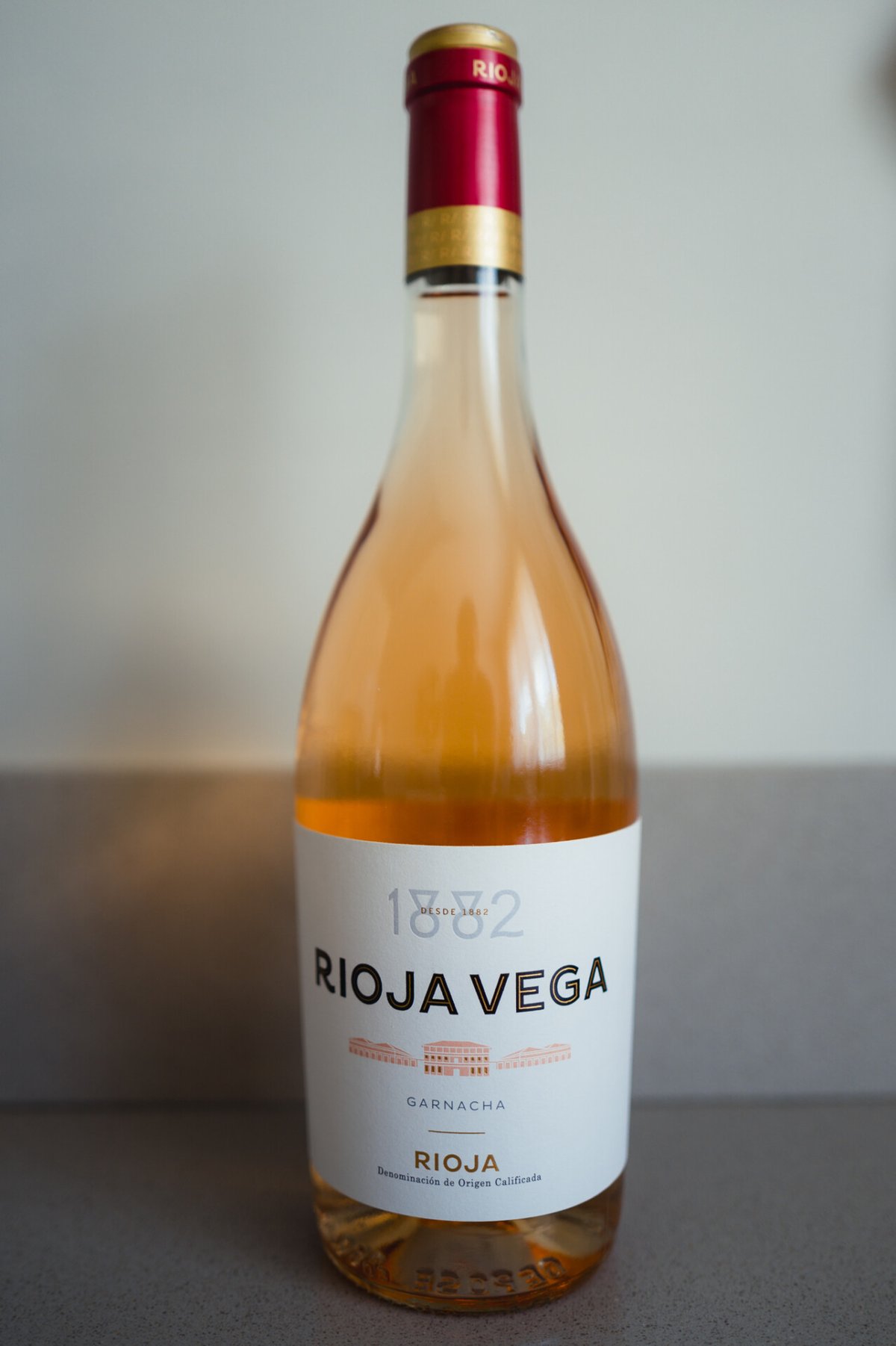
Rioja Vega's 1882 Rosado is Garnacha from Finca La Real at 370m altitude. A refined rosé that runs salmon-pink and stays herbal.
Not the Spanish rosé you’d expect. That was my first reaction.
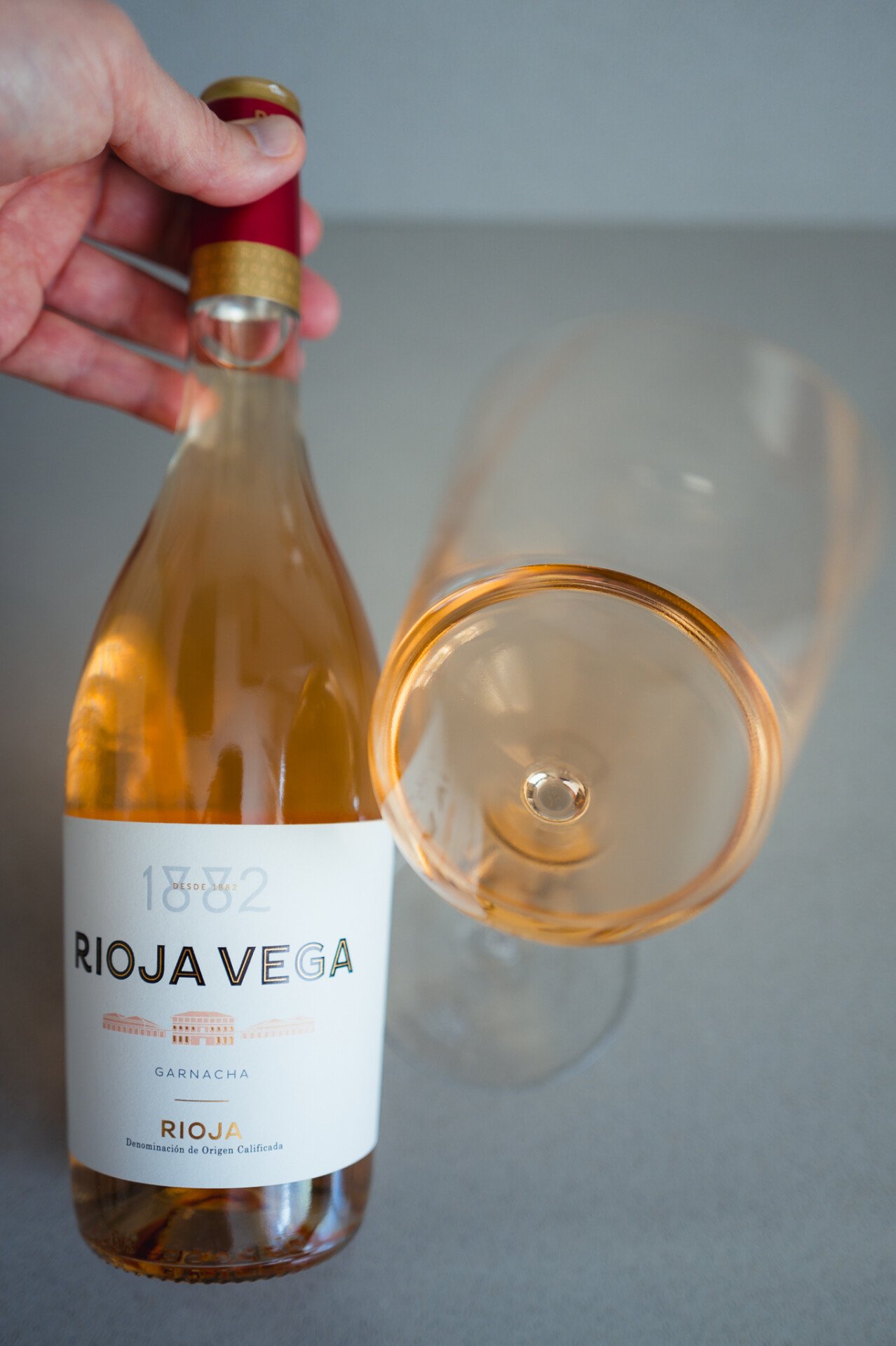
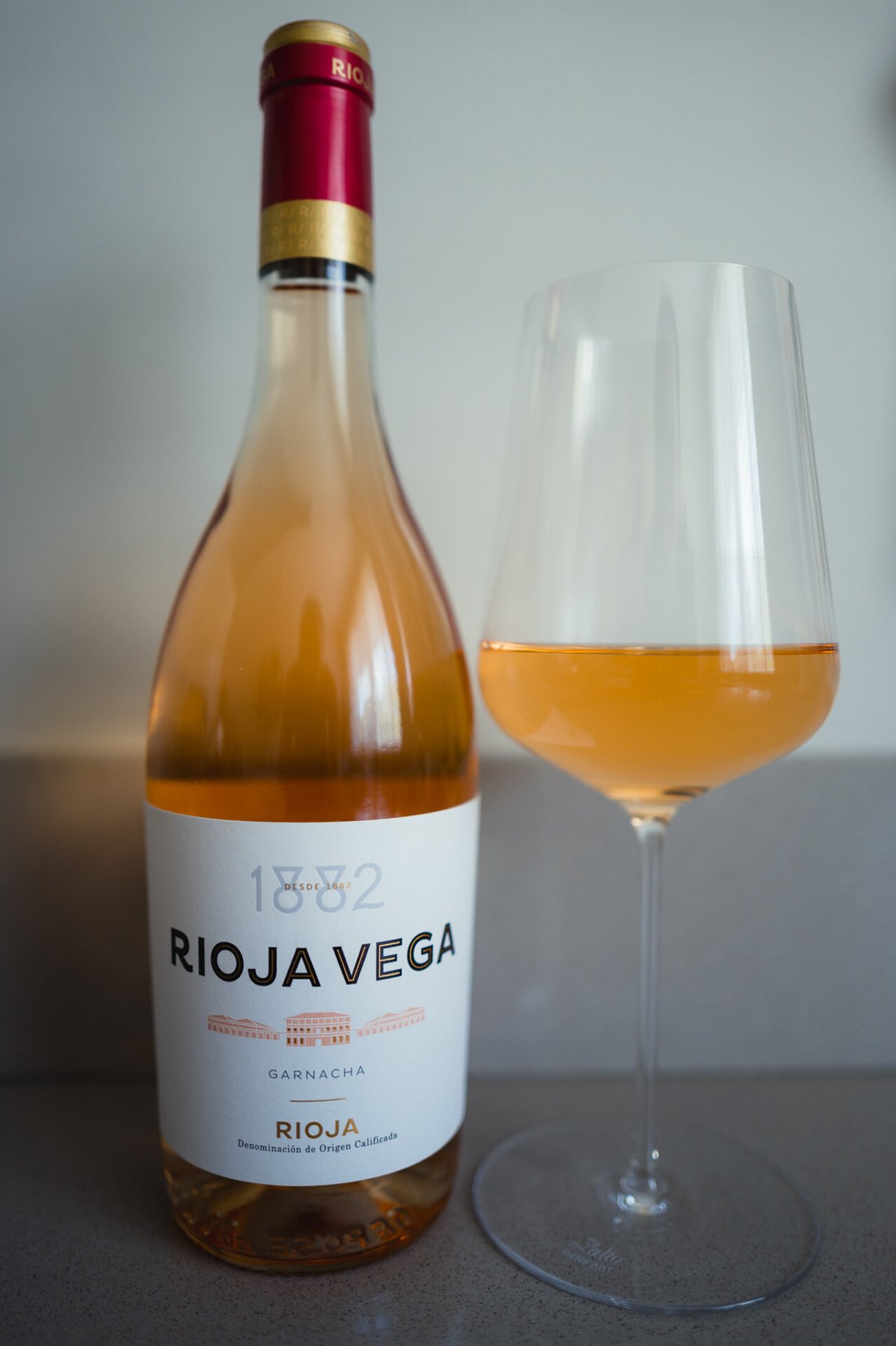
The deep-ruby, fruit-forward rosado from Rioja is what most drinkers know, dark pink, full-bodied, with the tannins of a light red wine. The Rioja Vega 1882 Rosado takes a different route. Pale salmon in the glass, white flowers on the nose, round, fresh and herbal on the palate. This is Rioja Moderna, and it works.
Bodegas Rioja Vega sent me a bottle to taste. Here’s why this style deserves attention.
The Bottle in Numbers
The wine is 100% Garnacha from Finca La Real, a 2.6-hectare plot at 370 metres altitude. The vines are 25 years old, planted on loam to sandy-loam soils. That altitude and soil are decisive: they produce grapes with natural acidity and aromatic refinement, rather than the heavy fruit lower-altitude Garnacha tends to give.
Harvested in the early morning to bring the grapes into the cellar cool. The must runs free from the grapes, the so-called drainage technique, with minimal skin contact. No press, no pressure, just gravity. Static clarification at low temperature, then three weeks of fermentation at 15°C. Light filtration, bottled 27 February 2024.
This is essentially how a modern Provence-style rosé is made, and it reflects how Rioja rosé has shifted since the 2017 regulatory change that allowed pale rosé within the DOCa.
In the Glass
Pale salmon with bright edges. Not the deep pink of traditional rosado, not as pale as some Provence styles. An in-between colour that says: I’m myself.
Nose, White flowers open the wine, with acacia blossom as the clearest signal. Anise and fennel come forward alongside, the herbal tone that gives this wine its character. Strawberry and raspberry sit underneath, with a touch of blackberry adding depth. No overwhelming fruit, no candied bonbon nose.
Palate, Full and fresh at the same time. The acidity is medium and well placed; not the cutting Sancerre tension, but enough to keep the wine in line. No tannins to speak of. Raspberry and strawberry alternate with cinnamon, anise, fennel and a faint vanilla-acacia thread. The finish is long for the style, with that herbal note hanging on.
What Makes This Work
Three things together.
One: Garnacha at altitude. Lower-altitude Garnacha tends toward heavy, alcoholic wines with pushy red fruit. At 370 metres, natural acidity is preserved and the aromatic profile develops refinement instead of overripeness.
Two: drainage rather than pressing. By using only free-run must, the wine avoids the phenolic roughness pressing introduces. The result is silky rather than bitter at the close.
Three: old vines. 25 years is enough for root systems to go deep, giving concentration without the heavy extraction that often comes with it.
Food Pairing
This rosé doesn’t want to be just an aperitif, it can carry a light meal. Served at 8–10°C, it works with smoked salmon and dill, a simple summer salad with goat’s cheese and peach, herbed grilled chicken, or paella by the sea. For a more herbal direction: Asian dishes with basil and lime, or Moroccan tagine with chicken and preserved lemon.
Avoid: heavy red meat dishes or rich cream sauces. This wine isn’t built to fight.
The Verdict
The 1882 Rosado is what Rioja Moderna means to me in one bottle. A traditional house (founded in 1882) making a contemporary rosé without losing its anchor. The Garnacha base stays Spanish in character, but the style speaks to a contemporary audience that prefers refinement over volume.
For a rosé that wants to be more than a terrace colour, and for anyone who knows Rioja but hasn’t tasted its modern side, this is an excellent introduction.
With thanks to Rioja Vega for the bottle. My assessment is entirely independent.
More about the winery: riojavega.com
Sources
- Consejo Regulador DOCa Rioja: riojawine.com
More on Wine Review
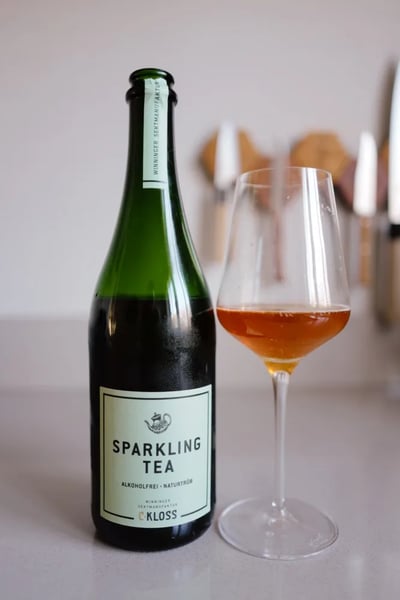
C. Kloss Sparkling Tea Weiss: Fermented Celery
Non-alcoholic sparkling tea Weiss from C. Kloss: linden blossom, nettle and fermented celery. Dry, 2.7 g sugar per 100 ml, €14.99 at Amavine.
Read on →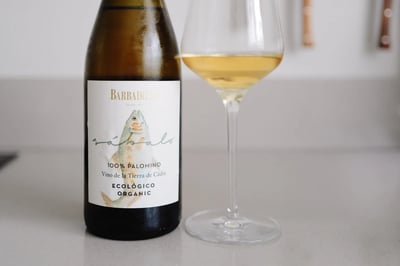
Barbadillo Sábalo: Organic Palomino Without Flor
Organic Palomino Sábalo from Barbadillo: no flor, salt from albariza soil. Chamomile, apple, sea. €17.95 at Granada Wijnen, with discount code.
Read on →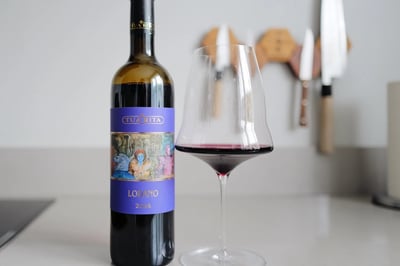
Tua Rita Lodano Rosso 2024: Petit Verdot Leads
A €50.95 Super Tuscan built on 60 percent Petit Verdot and 18 months of barrique. Why I chill it, decant it and never drink it without food.
Read on →