

Guglielmini in San Colombano, Three Generations Deep
Hey, wine lovers! Let me take you on a delightful journey to discover the wonderful world of Guglielmini wines.
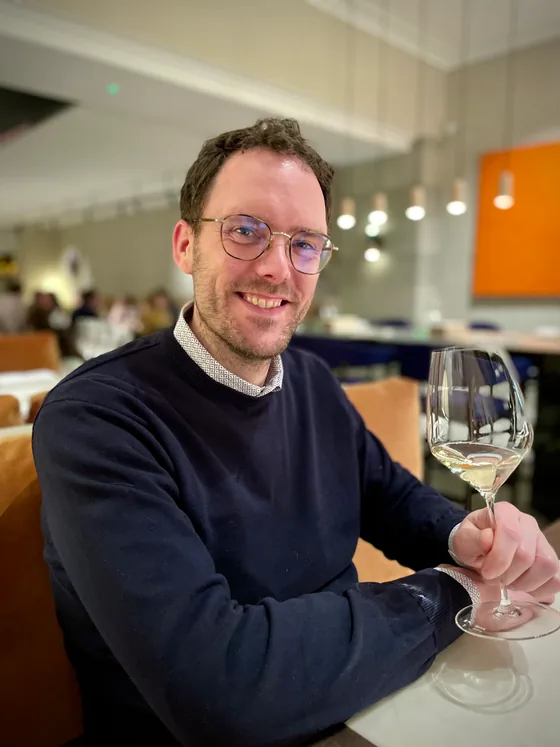
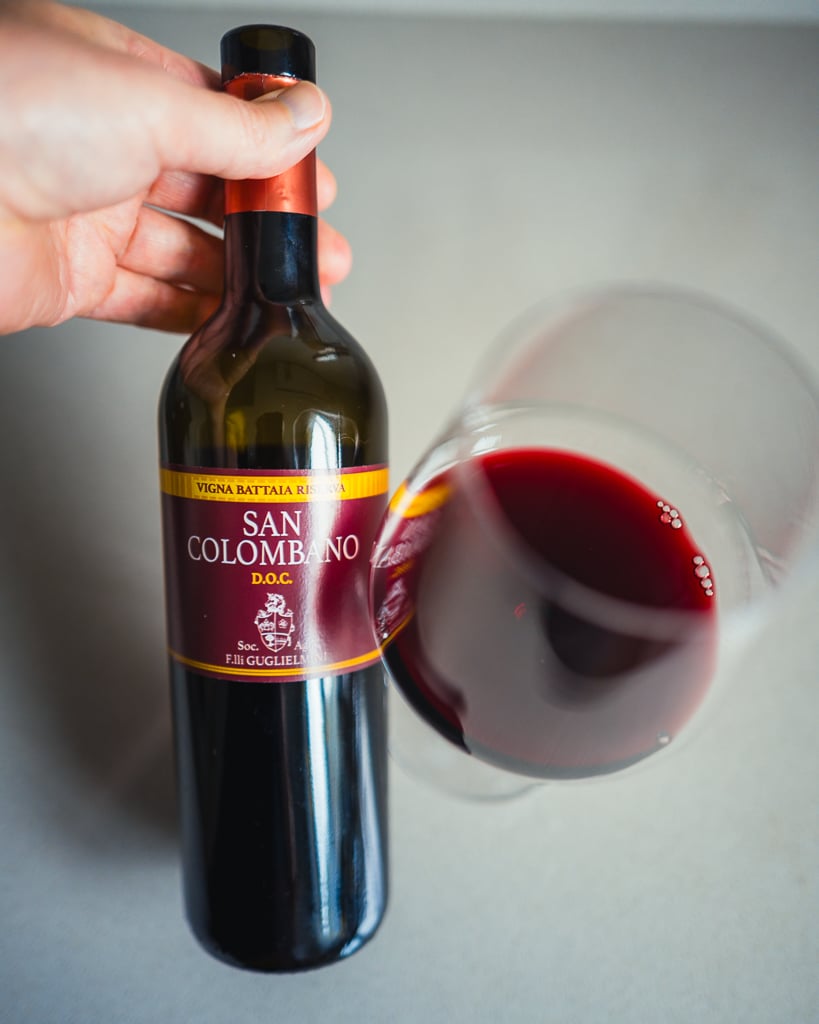
Guglielmini San Colombano sits in Miradolo Terme: where the provinces of Pavia, Milan and Lodi meet. The Guglielmini family has made wine here since 1949, three generations deep. The microclimate at this three-province junction gives their wines a recognizable signature.
Science and tradition
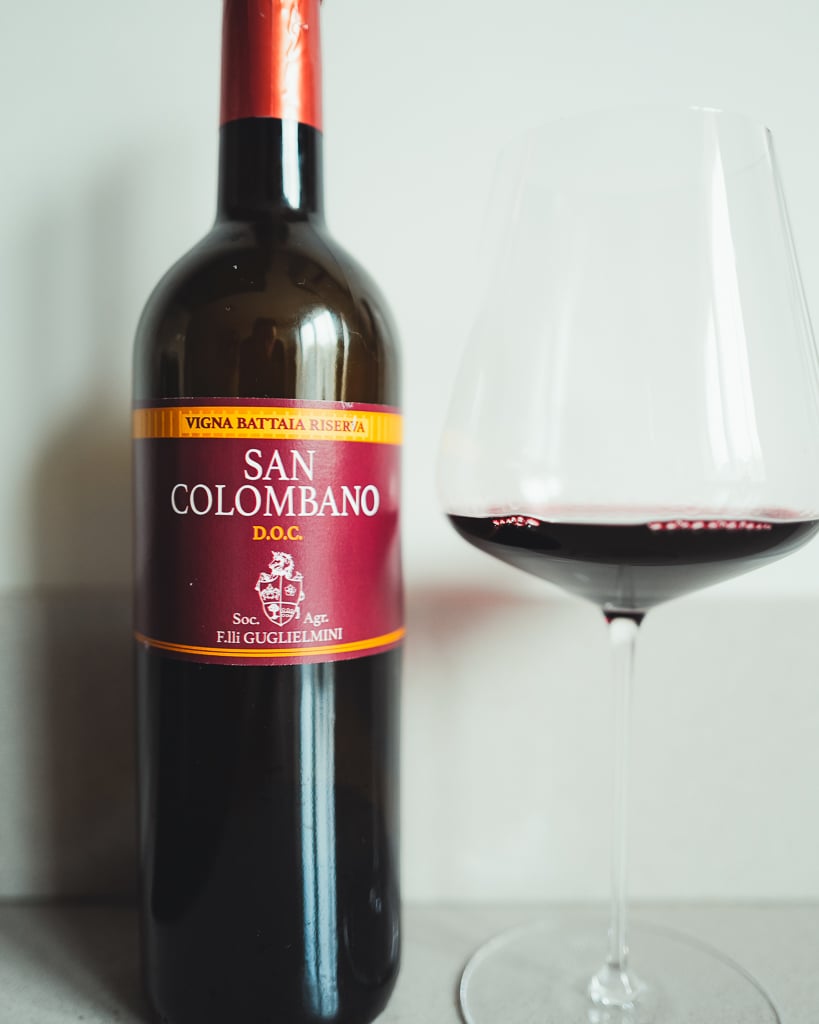
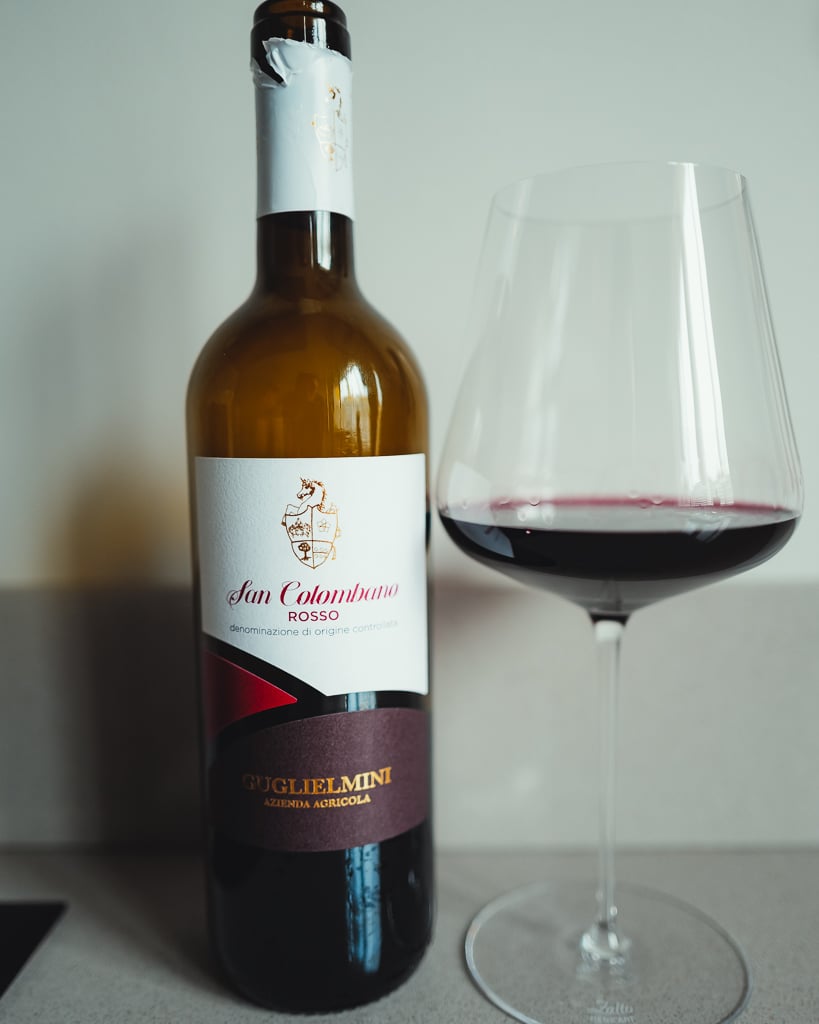
Joseph Guglielmini runs the scientific side and works with the University of Milan’s Faculty of Agriculture. Not a marketing handshake; that partnership has actually reshaped vineyard management and cellar work.
Paging through their tech sheets, what stands out is the minimal intervention. Whether it’s an entry-level wine or a single vineyard named after a family patriarch. Same line throughout: stay out of the way.
The terroir
The plots sit between 110 and 160 meters elevation, on south and southeast-facing slopes. Clay mixed with limestone; good drainage for both reds and whites.
For each plot they pick the training system that fits the grape and microclimate. Sometimes Guyot, sometimes Pergola Alta. Not random, just decades of experience.
The wines
Six bottles on the table; from entry-level to single vineyard. Each captures a different corner of the estate. My tasting notes:
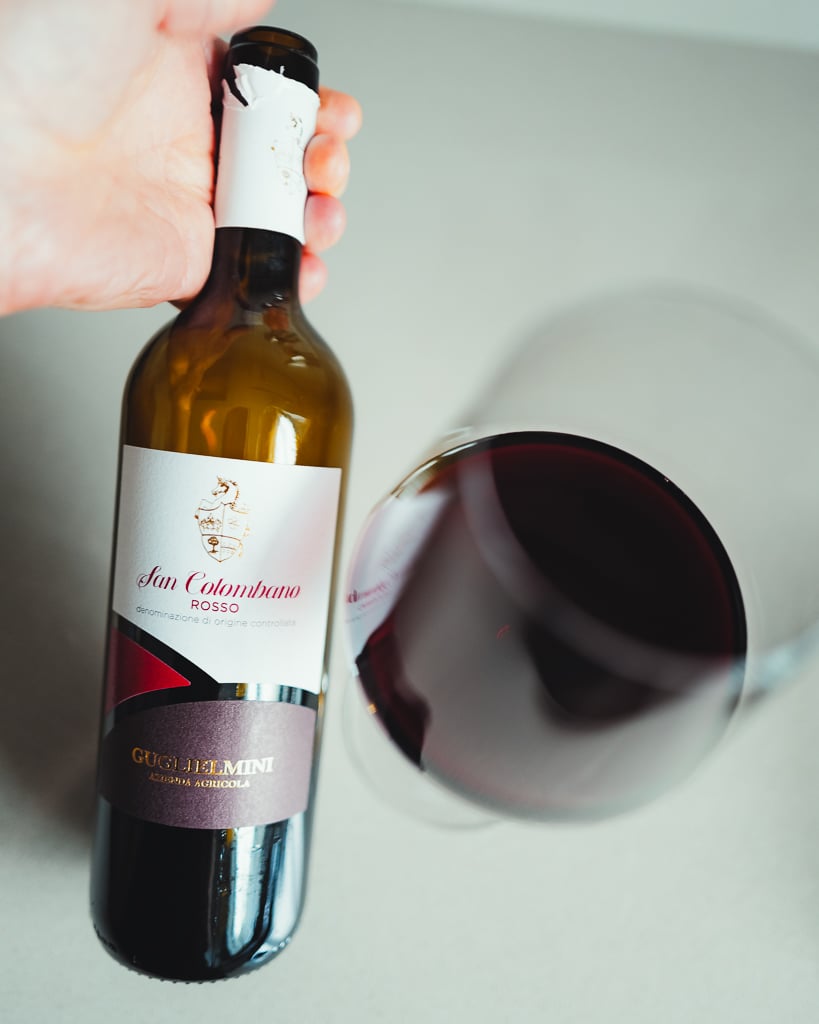
San Colombano DOC Rosso 2022
The current release showcases the estate’s modern approach to traditional winemaking. A blend of Croatina (30-45%), Barbera (25-40%), and Uva Rara (5-15%), this wine undergoes 15-20 days of maceration with pumping over in stainless steel tanks.
Deep ruby in the glass, with purple highlights at the rim. Fresh red fruit comes through first, trailed by a touch of spice. The body sits at medium-plus, the tannins stay fine-grained and the acidity keeps everything lifted. It carries the warmth of the vintage without losing its freshness. Pairs well with rich pasta, roasted meats and aged cheeses.
Production: 20,000 bottles annually
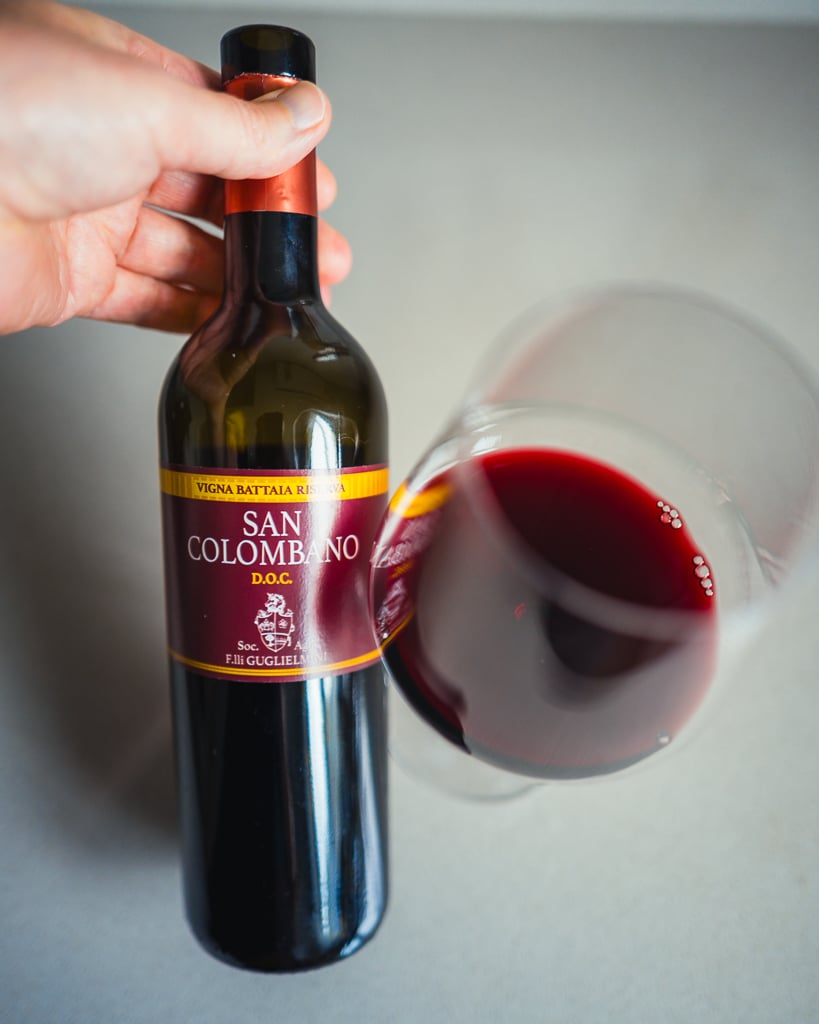
San Colombano DOC Rosso 2016
This library release demonstrates how these wines can age. The same blend as the 2022, with additional bottle age, has developed more complexity.
Deep ruby now showing garnet at the edges. The aromas have developed toward dried fruit, leather and a little spice. Dry on the palate, with fully integrated tannins and mature fruit, closing on a long finish that carries tertiary complexity. A good match for aged cheeses and braised meats.
Siro
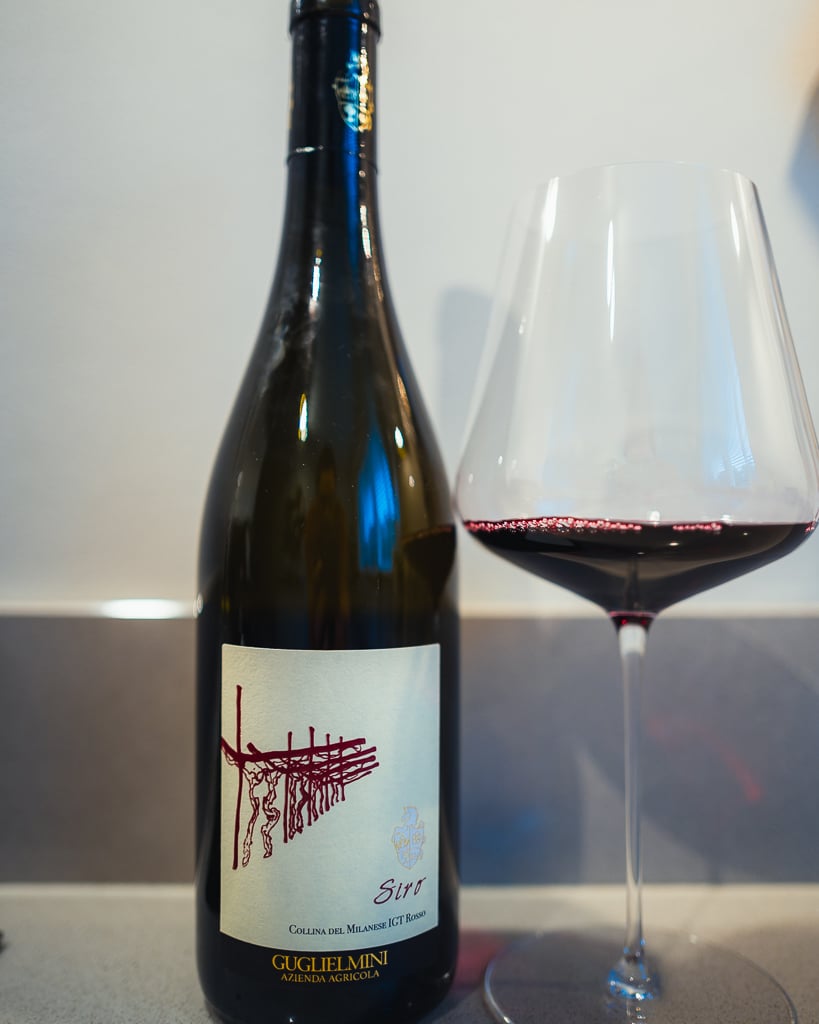
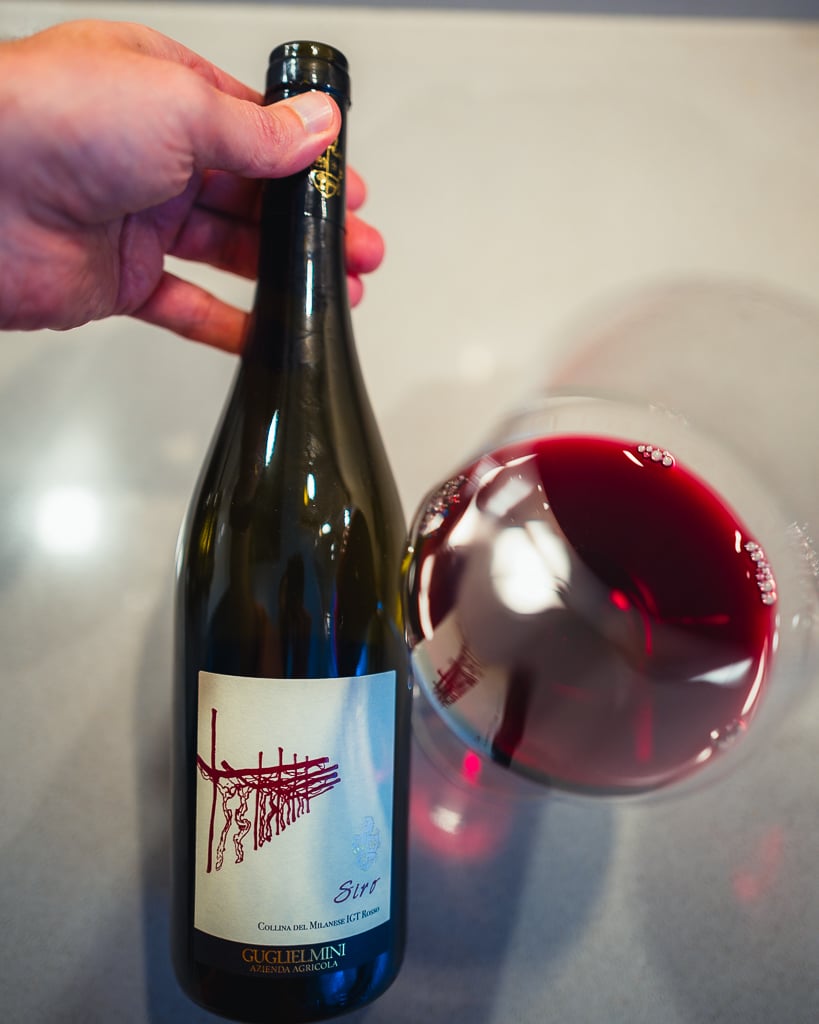
Named after the family’s great-grandfather, this wine comes from their oldest and sunniest vineyard. Made from 80% Croatina and 20% Barbera, it represents their connection to tradition.
Intense garnet with brick reflections. The bouquet runs deep: dried cherries, fresh fruit with floral undertones, leather and sweet spice. Full-bodied, with medium-plus velvety tannins and a fresh medium-plus acidity that balances against them. The structure holds, and the finish stays medium-plus with fruit that lingers. This is their fullest expression of traditional winemaking. It stands up to game, aged cheeses and truffle dishes.
Production: 2,000 bottles annually
Il Gheppio
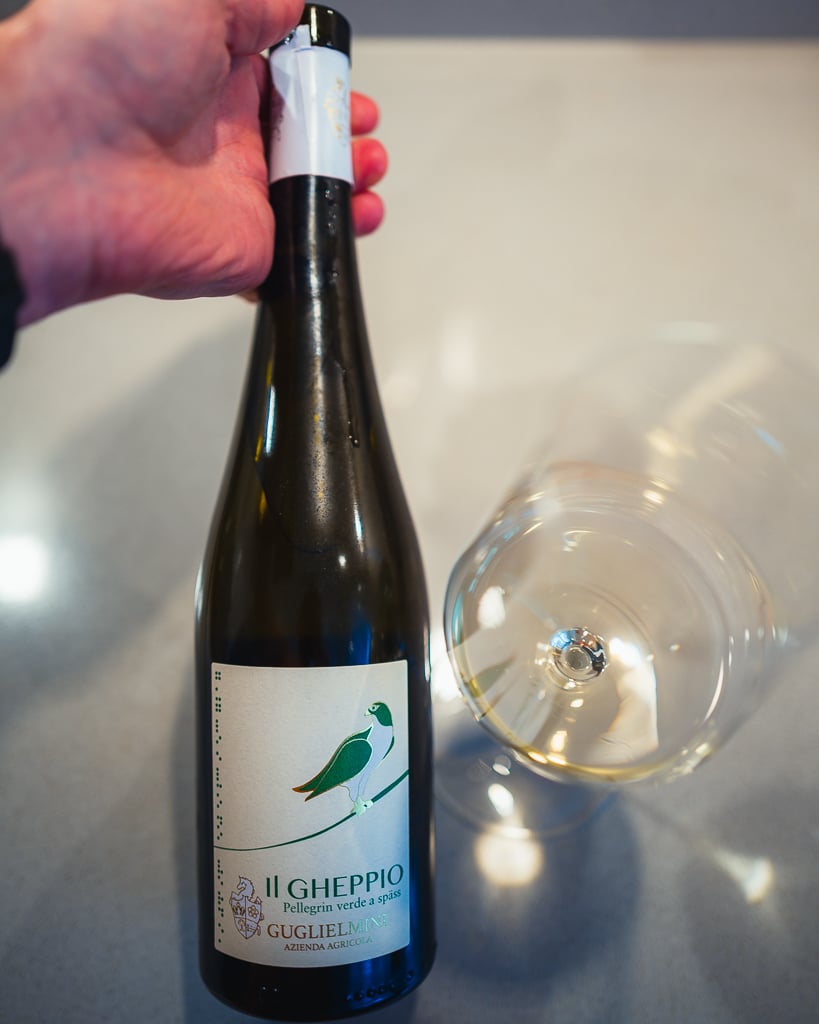
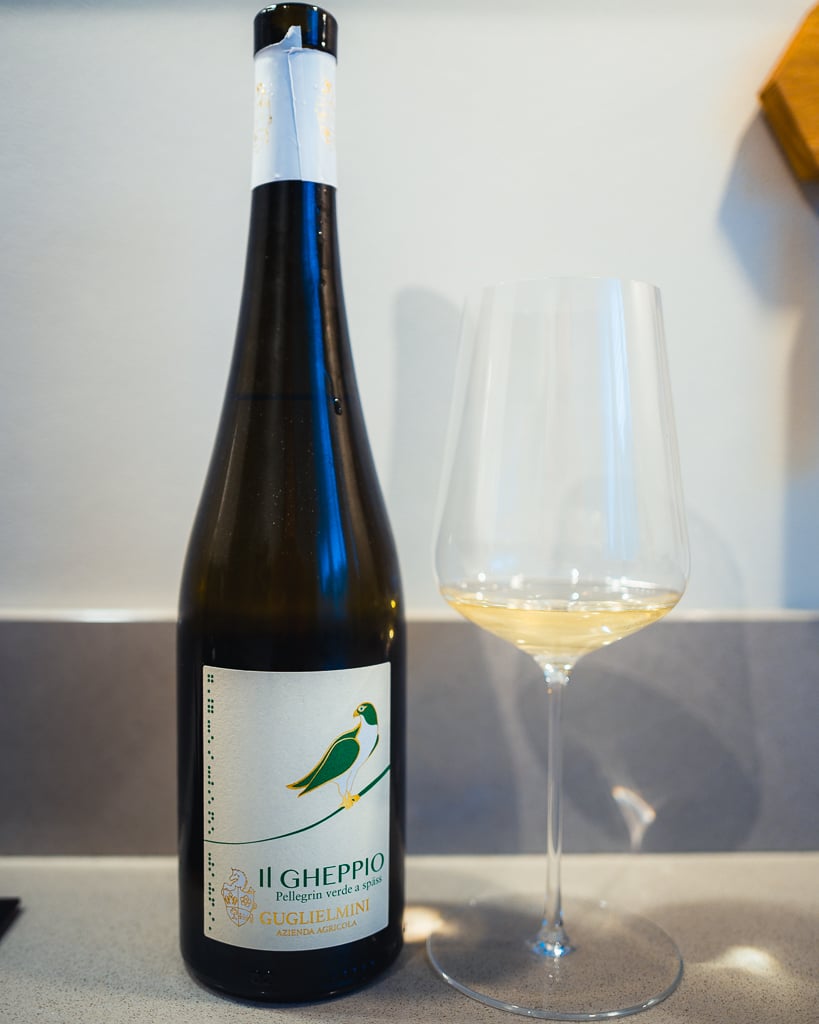 This wine is made from the indigenous Verdea grape and showcases their commitment to preserving local varieties.
Pale gold with bright reflections. The nose is delicate: white peach, herbs and almond, with subtle floral notes. Crisp and mineral-driven on the palate, high acidity, and a character that reads as distinctly local. The finish runs medium with a pleasant saline edge. An uncommon look at an indigenous variety, and it works with local fish, light appetizers and white meats.
Production: 1,500 bottles annually
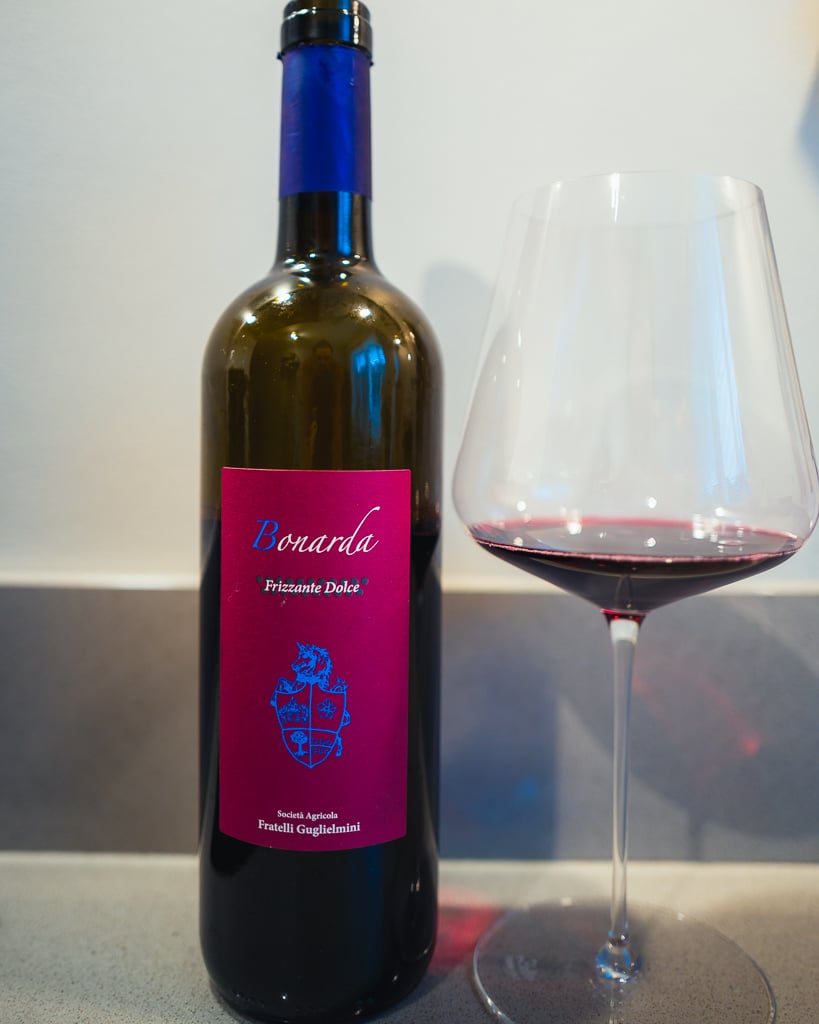
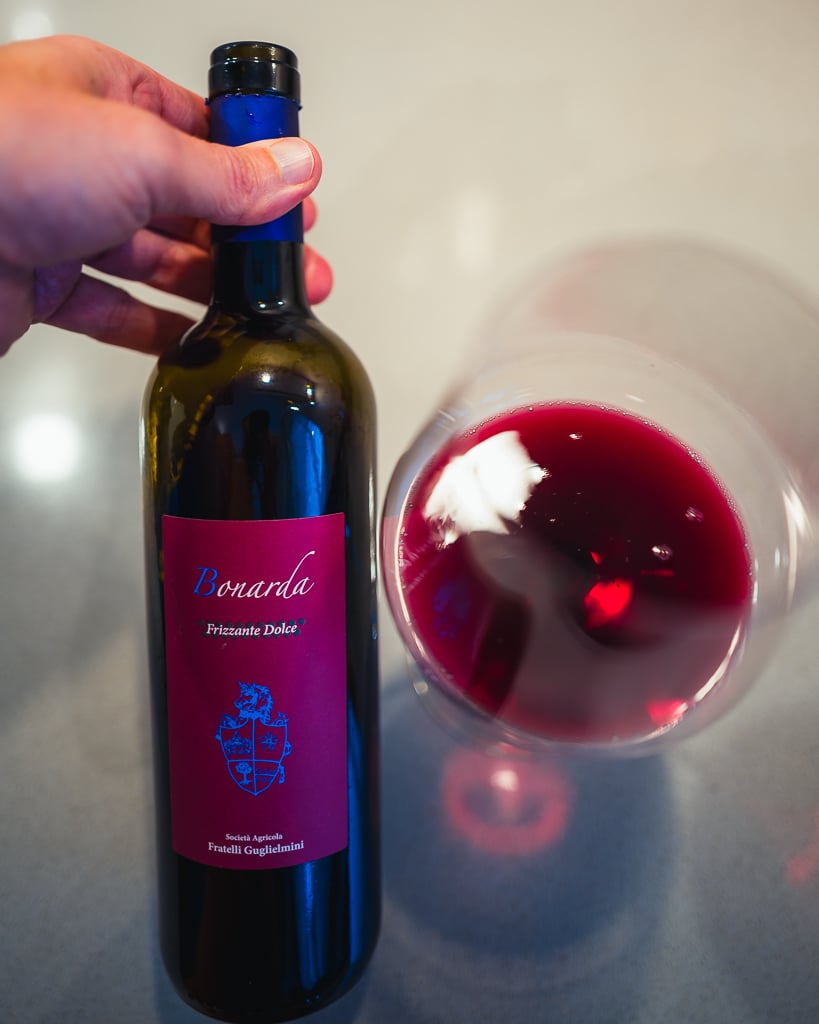
Bonarda Frizzante DOC
 This wine is a traditional sweet sparkling red made from 100% Croatina, representing the region’s historical style.
Vibrant purple with a persistent creamy foam. Fresh red berries, sweet cherry and floral notes lead the nose, with a vinous depth underneath. Semi-sweet and medium-bodied, the bubbles keep it fresh and the tannins stay soft. The finish is medium, with fruit that holds. An honest take on a local tradition, good with desserts or spicy food.
Production: 5,000 bottles annually
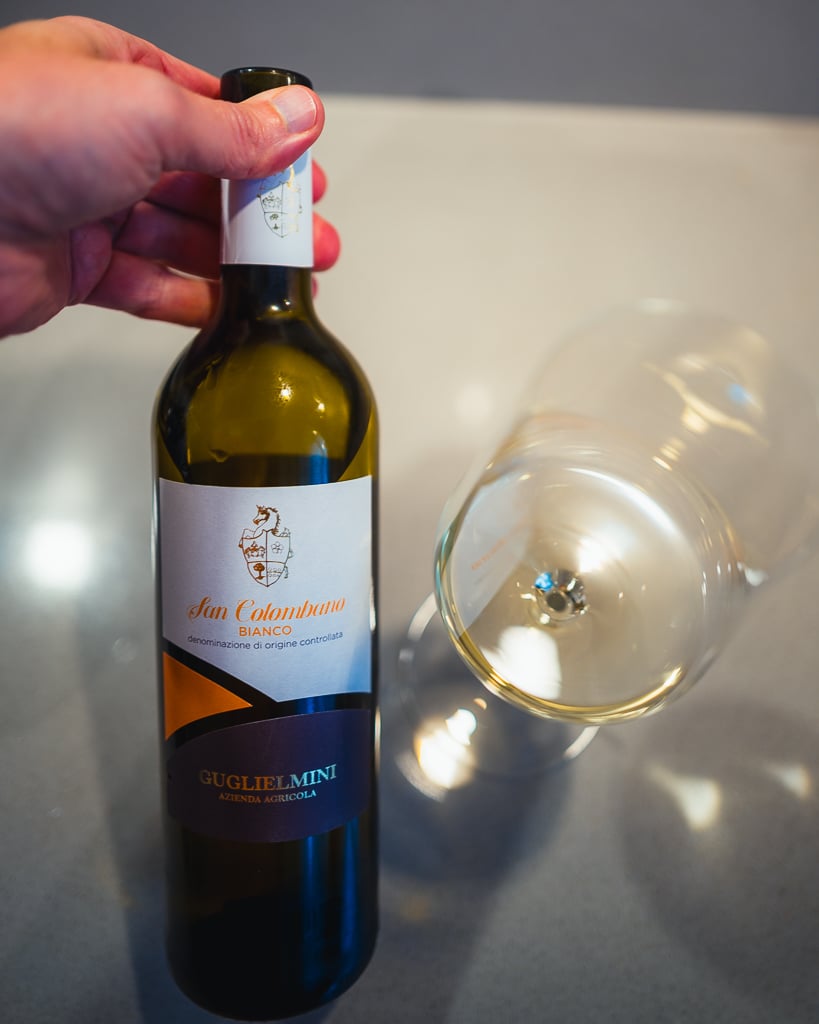
San Colombano DOC Bianco
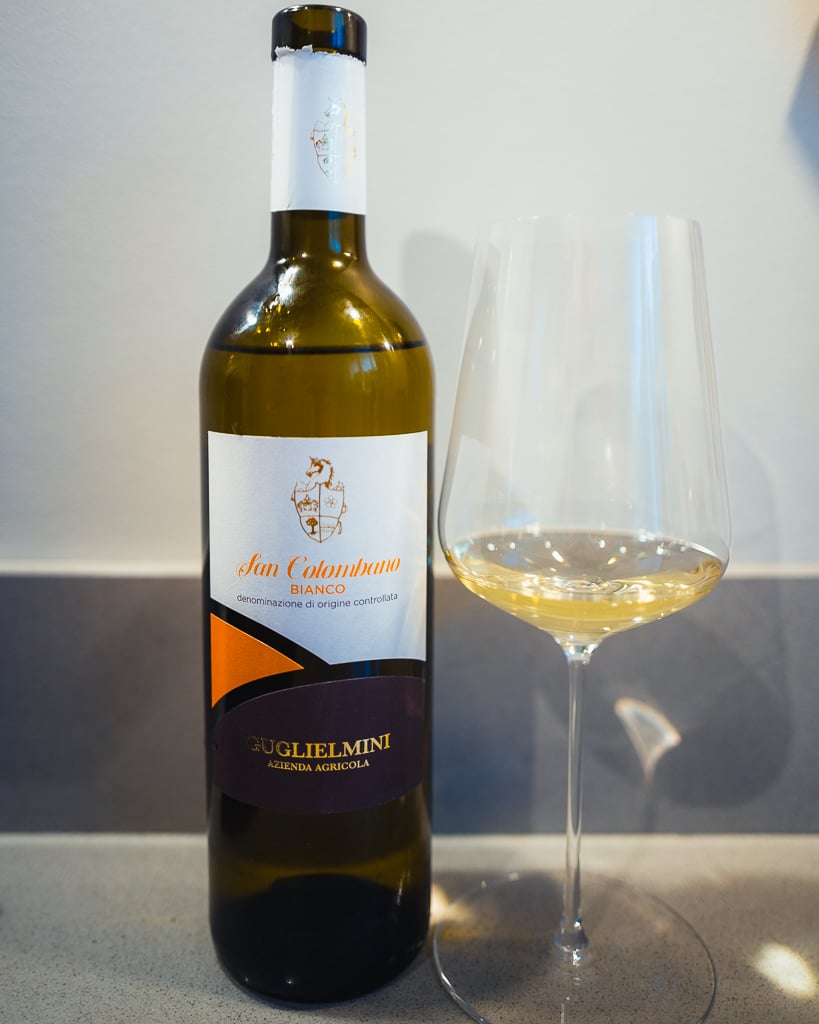
 Added to their portfolio in 2003, this wine showcases their ability to innovate within the DOC framework. It is made from the Chardonnay Musqué grape.
Bright straw yellow with green highlights. White flowers, ripe apple and citrus on the nose, with a subtle mineral edge. Fresh and balanced on the palate, crisp acidity, decent texture and that same mineral note carried through. The finish is medium and clean. It shows what white wine can do in this region, and pairs with fish, light pastas and fresh cheeses.
Production: 8,000 bottles annually
Recent steps
The estate recently launched a new sparkling line using the Charmat method. The shift into white wine, started in 2003, has paid off: the San Colombano DOC Bianco is a local favorite.
On top of that, a sustainability certification for their farming practices. Refreshing to see a historic estate take that step.
Final thoughts
Three generations without the estate turning inward. That’s the achievement. They stick with indigenous grapes like Croatina, Uva Rara and Verdea, and build scientific research and modern viticulture around them.
San Colombano DOC isn’t a name you see often on a wine list. For anyone who likes Italian curios with character, Guglielmini is a find. The Siro and the older vintage of the Rosso show these grapes age perfectly well.
Great wine is about more than what’s in the glass; it’s about choosing to stay with your grapes while everyone around you plants Cabernet. Guglielmini has done that for 75 years.
Thanks again for sending me these bottles!
More information about the winery: https://www.viniguglielmini.com/
Buy these wines at: https://mantegazzavini.com/search?ss360Query=Guglielmini
Sources
- Guglielmini (official, San Colombano al Lambro): guglielminivini.it
- DOC San Colombano al Lambro regulation: politicheagricole.it
More on Winemaker
Biodynamic tasting calendar: does the fruit day hold?
A reel from Ploder-Rosenberg says wine shows best on fruit and flower days. The biodynamic tasting calendar sounds logical. The blind tasting says otherwise.
Read on →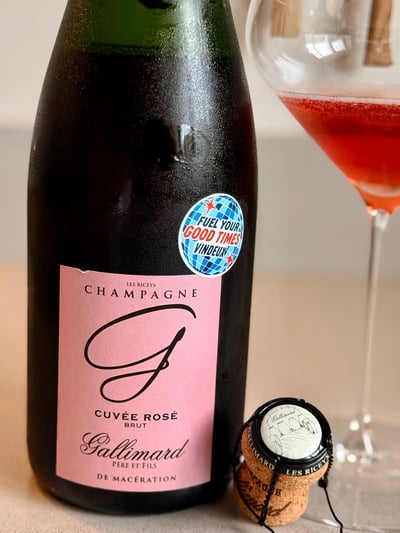
Champagne Gallimard: Six Generations in Les Riceys
Two Gallimard bottles from a July subscription box. A solera running 2009 to 2022, hand disgorgement, and a label code that says something the story doesn't.
Read on →
Podere Sapaio: Bordeaux on the Bolgheri coast
Podere Sapaio makes Bordeaux blends in Bolgheri, with time as its guiding principle and concrete beside wood in the cellar. A portrait after La Grande Bellezza.
Read on →