

Domein Holset Rosé Brut 2023: Limburg Sparkler
Domein Holset releases its Rosé Brut 2023: 100% pinot noir, méthode traditionnelle, 5,500 bottles. What the new vintage promises, and the questions it raises.

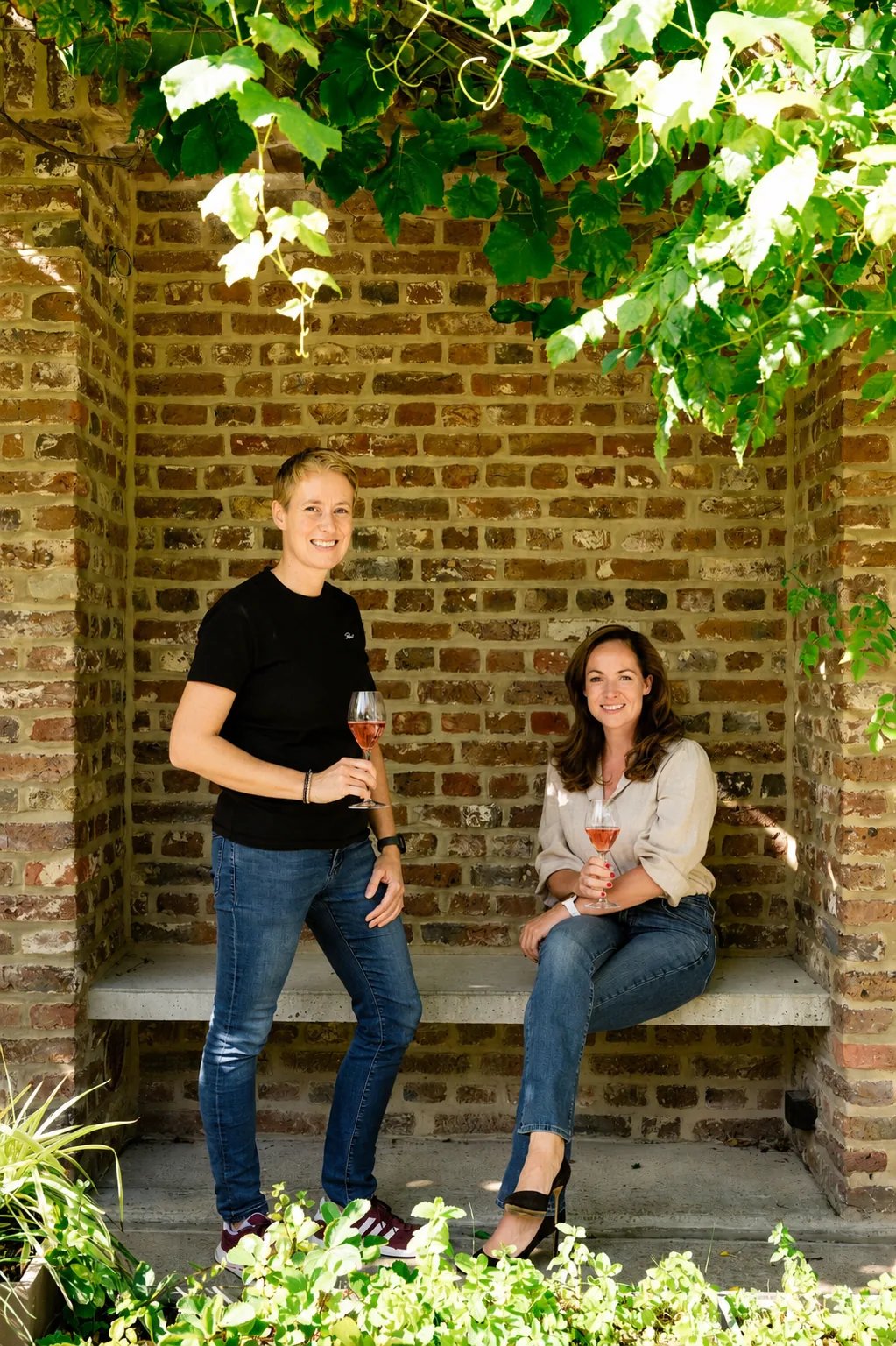
The previous vintage was gone by mid-May. Sold out before summer had properly started. That one detail tells you something about the appetite for Dutch sparkling wine, and it makes me curious about what comes next. Domein Holset is releasing its Rosé Brut 2023: a sparkling rosé made from 100% pinot noir by the méthode traditionnelle. I have not tasted it yet. But I want to, and I have reasons.
A winery that only makes bubbles
Holset sits in the very southern tip of Limburg, just below the Vaalserberg, near the German border. The estate has been working since 2008, and it does something unusual for a Dutch producer: it stakes almost everything on traditional-method sparkling wine. No still white on the side, no red to round out the range. Bubbles, grape to bottle, in-house, across roughly twelve hectares. In a country where three-quarters of all wine made is white, that is a deliberate bet.
Director and winemaker Kirsten Abels chooses vintage wine on purpose. “In tegenstelling tot Champagne, waar jaargangen vaak geassembleerd worden, kiezen wij meestal bewust voor vintage”, she says in the press release, meaning that where Champagne usually blends years to hold a house style, Holset does the reverse. One harvest, one character, no safety net.
What makes the 2023 vintage
2023 was a record year in the Netherlands. According to Nederlandse Wijninfo, the harvest came in at around 1.7 million bottles, well above the earlier records of 2018 and 2022. The season started cool and wet, then a long warm summer and a good autumn followed. In a cool climate that gives you what sparkling base wine needs: ripe but healthy grapes, with acidity that holds up.
The estate describes the wine as bright salmon-pink with copper accents, showing cherry, wild strawberry, rose petal and a touch of white pepper. On the palate, again in Holset’s words, full and powerful, with juicy red fruit, a hint of bramble and redcurrant, and rounded acidity. Pinot noir gives a rosé some backbone, which makes a wine like this work better at the table than most terrace pinks.
The technique behind it matters. The wine aged 24 months on the lees and was disgorged in March 2026. That long lees ageing builds the fine mousse and a bready note. The dosage is 6 grams per litre, which makes it officially brut: dry, with just enough sugar to keep the acidity in balance. Alcohol stays at 11.5% and the pH at 3.4, so the tension you taste leans towards the fresh side. One detail in the technical sheet caught my eye: 15% of the wine aged in French oak, the rest in stainless steel. The oak was not in the press release, and it is exactly the kind of choice that can add a little cream and depth to a rosé without making it woody.
The marl comparison, with a caveat
The grapes come from the Raarberg vineyard near Meerssen, close to Maastricht. The soil is chalky marl, and the estate draws the line to Champagne. That comparison is partly right. The south of Limburg sits on chalk and marl from the same Late Cretaceous formation that runs under northern France. Chalky, free-draining, good for fresh base wine.
But soil is not climate. The south of Limburg lies further north than Champagne, with a shorter growing season, less accumulated heat and more rain. The ground resembles Champagne; the weather does not. Anyone tasting this wine should judge it on what Limburg is, not on what it imitates. That is no criticism of the wine, only of the easy line you hear everywhere.
Small, and gone fast
There are 5,500 bottles. That is not much. Pair that with a previous vintage that sold out by mid-May, and the conclusion writes itself: if you want this wine, be early. It fits the wider story of top Dutch sparkling. Total wine consumption in the Netherlands has been shrinking for years, but sparkling is the exception that grows, by around 5% a year according to IWSR figures. Within that growth, Dutch bubbles are gaining ground, though from a very small base. A few hundred thousand bottles of Dutch sparkling sit against millions of bottles of imported prosecco, cava and champagne.
That makes a bottle like this more of a find than a given. Not a wine you will spot on every shelf all year, but one that says something about where Limburg wine is heading.
The Rosé Brut 2023 goes on my list. Not because a press release won me over, but because 100% pinot noir, two years on the lees and a serious vintage promise enough to want to judge it myself. The moment I open a bottle, you will read here what is actually in the glass.
This piece is based on the press release and technical sheet from Domein Holset. I have not tasted the wine yet; the flavour descriptions are the estate’s, not my own verdict.
Frequently asked questions
What is Domein Holset Rosé Brut 2023?
A sparkling rosé made from 100% pinot noir in the south of Limburg, the Netherlands, by the traditional method. It aged 24 months on the lees, was disgorged in March 2026 with a dosage of 6 grams per litre, and sits at 11.5% alcohol. Production is 5,500 bottles.
Where do the grapes come from?
From the Raarberg vineyard near Meerssen, close to Maastricht. The soil is chalky marl, geologically related to the chalk of Champagne. The winery itself sits in Holset, near Vaals.
Where can you buy it?
Through Domein Holset’s own webshop and wine shop. The previous vintage sold out by mid-May, so it pays to be quick. You can also taste it during tours and tastings at the estate.
Sources
- Primary source: Press release and technical sheet, Domein Holset Rosé Brut 2023 (received 2 June 2026)
- Additional: Nederlandse Wijninfo, wine production figures; Domein Holset; sparkling market figures via IWSR, summarised by Winecastr
More on News
Sherry exports to the Netherlands fall 38 percent
Sherry exports to the Netherlands dropped from 2.55 to under 1.6 million litres in a year. Jerez blames private label. What the figures do and don't show.
Read on →
Arctic Barolo: Rivetto Ages Barolo Under the Sea
Arctic Barolo spent a year 34 metres down off northern Norway. What Rivetto and Hurtigruten did, what the taster found, and why I am not convinced yet.
Read on →
Champagne 2026: the same picking plan as 1959
Roederer put its 2026 picking plan beside 1959 and found only the date had moved. What the first vins clairs suggest, and what they cannot prove.
Read on →