

Bodegas Vivanco: the Rioja house that built a museum
Bodegas Vivanco in Briones makes Rioja and runs a serious wine museum. What that says about their wine, and where the bottle ends and marketing begins.

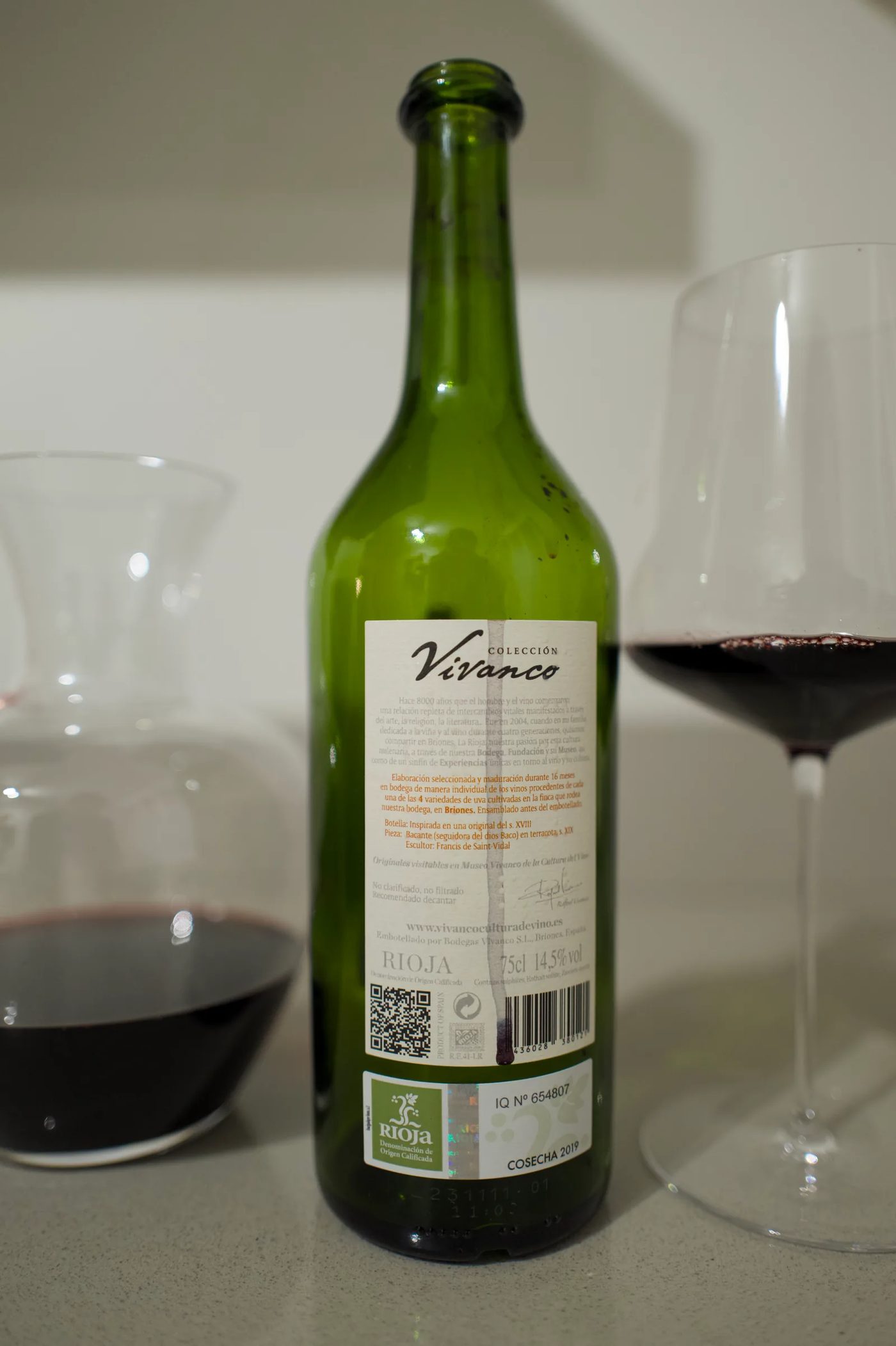
Most wineries build a tasting room. Bodegas Vivanco built a museum. In Briones, a hill town above the Ebro in Rioja Alta, the vineyards sit next to one of the more serious wine museums in Europe. Not a tourist trap with a few old barrels, but a real collection: presses, amphorae, art, and a hoard of corkscrews that collectors treat as a reference point.
That tells you something about how this family sees wine before you have opened a single bottle.
The family behind the bottles
Vivanco is a family business in the literal sense. Several generations have worked the same land, and the current one runs both the bodega and the foundation behind the museum. The name on the more expensive bottles, Colección Vivanco, is not a marketing label but a nod to that same collector’s instinct: numbered runs, carefully designed bottles, wine as object as much as drink.
The logic is clear. Rioja is a region where many houses run on volume and recognition, with the classic Crianza-Reserva-Gran Reserva pyramid as the sales model. Vivanco tries to lift itself above that by attaching culture and context to the wine. You don’t buy a bottle, you buy a story with a museum underneath it.
What that does to the wine
At its best, the approach delivers a rich, considered style. The Colección 4 Varietales, with Tempranillo, Graciano, Garnacha and Mazuelo blended together, shows what the four classic Rioja grapes can do side by side: layered, generous, with the spicy Graciano freshness holding it all up. This is wine that asks for a decanter and for your attention.
But here are the caveats, and they are worth stating.
First: the museum can overshadow the wine. A house that leans this hard on experience and collection risks visitors treating the bodega as a day out and the bottle as a souvenir. The wines then have to work harder to be taken seriously on their own, separate from the spectacle around them.
Second: the collector’s packaging flirts with form over substance. A numbered bottle with a terracotta bust on the label is handsome, but you are paying for the object as much as for what’s inside. At the Colección price level you compete with terroir-driven Rioja and single-vineyard bottles that put every euro into the wine. Buy rationally, and compare before you pay for presentation.
Who Bodegas Vivanco is for
Vivanco is a good entry point if you want to get to know Rioja without diving straight into the niche, and if you enjoy a story attached to your glass. The broad entry range is widely available and does what it promises. The Colección tier is for those after something special for the table who value the presentation.
If you want the sharpest, most idiosyncratic Rioja, look to the new wave of terroir makers instead. But if one house can let you taste, smell and see the whole culture of Rioja in a single visit, it’s Vivanco. That is no small achievement.
Bottle received as a press sample from Vivanco. No payment, independent assessment.
Sources
- Bodegas Vivanco (official): vivancoculturadevino.es
- Consejo Regulador DOCa Rioja: riojawine.com
More on Winemaker
Pian delle Querci: Four Generations of Brunello
Pian delle Querci makes Brunello di Montalcino with no added yeast, across four generations. A family estate built for longevity in Tuscany.
Read on →
Cantina Tramin: Alpine Precision from Alto Adige
Cantina Tramin makes precise white wines in Alto Adige. A cooperative of 160 families and a winemaker who has known every vineyard for thirty years.
Read on →
Zeno: the alcohol-free wine brand from Spain
Zeno makes alcohol-free wine from Spain, from Viura to bubbles. A portrait of the brand, where it's strong and where it hits the limit of the genre.
Read on →