

Amsteltuin Johannes I 2021: Dutch Sparkling Wine
Amsteltuin's first traditional-method sparkling wine: 100% Johanniter from Amstelveen, vinified at Sint Martinus winery. Dutch experiment, €30.

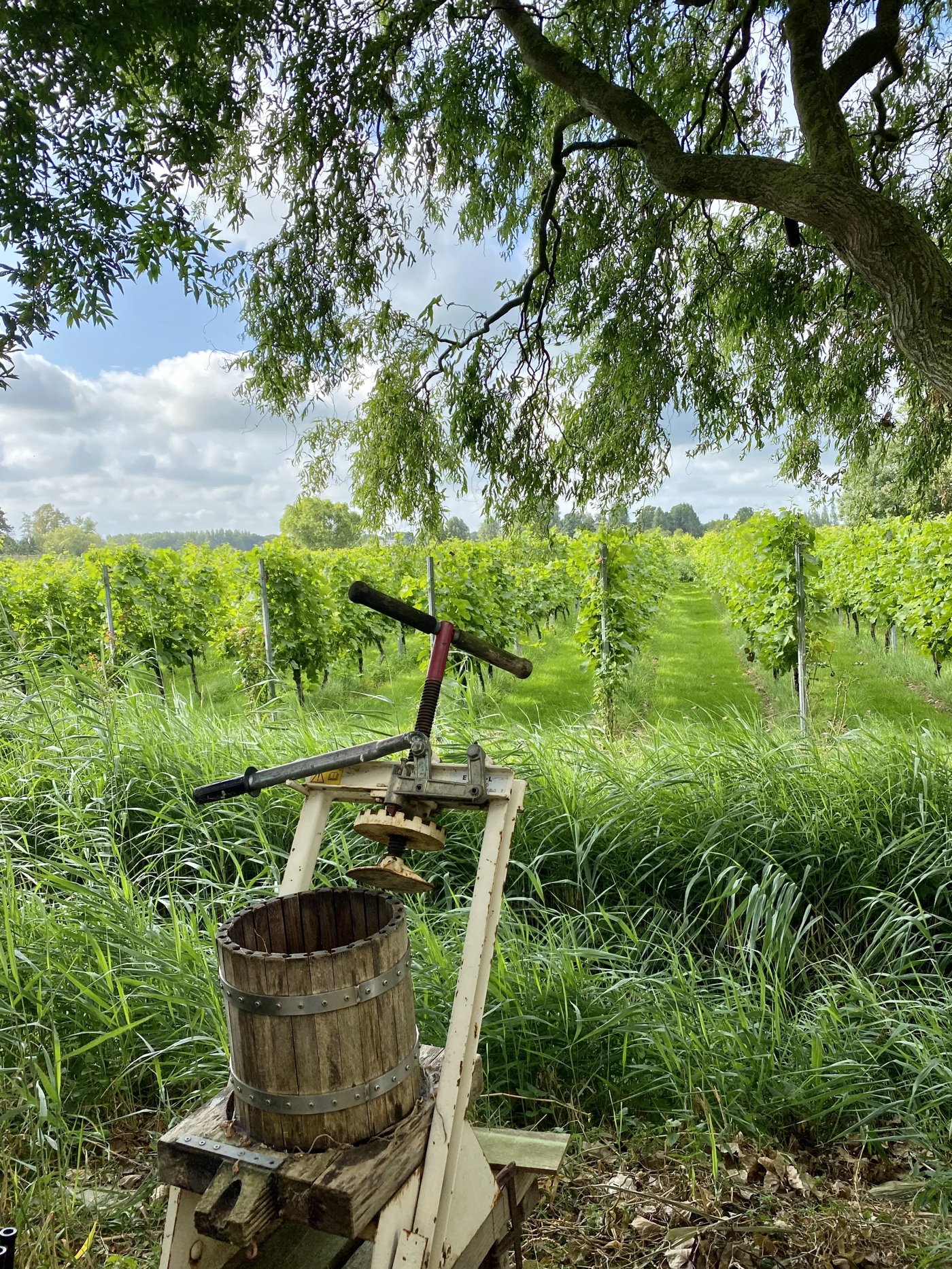
100% Johanniter from a one-hectare vineyard in Amstelveen. First traditional-method sparkling wine from De Amsteltuin, vinified at Sint Martinus winery, which has the equipment for proper bottle fermentation. To celebrate the launch of Vinovonk.com a bottle from my own neighbourhood seemed logical, and how local can you get than a vineyard you can reach by scooter? Two bottles bought, one open immediately and one for the cellar.
The Brut Johannes I
First bottle, fresh from launch: light mousse in the glass. Pleasant aromas of apple, pear, a hint of apricot, but the nose stayed cautious. The palate showed the same notes with medium acidity and 11.5% alcohol. Soft, approachable, no overwhelming complexity. More potential than performance, you might say.
After a few months of rest
The second bottle told a different story. After months of rest the wine had loosened, become livelier, more balanced. Aromas worked deeper, the palate gained profile. Drank well solo and was excellent with French cheese.
The Amsteltuin terroir
One hectare, 3,500 vines, five grape varieties. Solaris, Johanniter, Souvignier Gris, Pinotin and Cabernet Cortis; hybrid varieties that ripen with less sun and resist downy mildew. The soil is loam, a mix of clay and sand, despite the name “Amstelveen” suggesting peat. Lean soil forces deeper rooting and more mineral character. Winemaker Douwe Woudstra knows the craft.
Tasting notes Amsteltuin Brut Johannes I 2021
Light yellow in the glass with a fine, subtle mousse. The aromas lean on red apple and pear with a hint of apricot, pleasant without showing off any complexity. On the palate it stays dry and low in extract, carried by medium acidity and 11.5% alcohol, with the same apple and pear plus a touch of citrus. The character is soft, and the finish could have run longer, though for a daily drinker that sits perfectly fine.
Grape: 100% Johanniter | Origin: Amstelveen, Netherlands | Price: ~€30
Visit the winery
Amsteltuin welcomes visitors by appointment for tours and tastings. Cycling from Amsterdam is no problem. A pleasant spot where you sense Dutch wine has reached the threshold of being taken seriously.
Website: amsteltuin.nl
Sources
- Vereniging Nederlandse Wijnproducenten: nederlandsewijnproducenten.nl
More on Wine Review
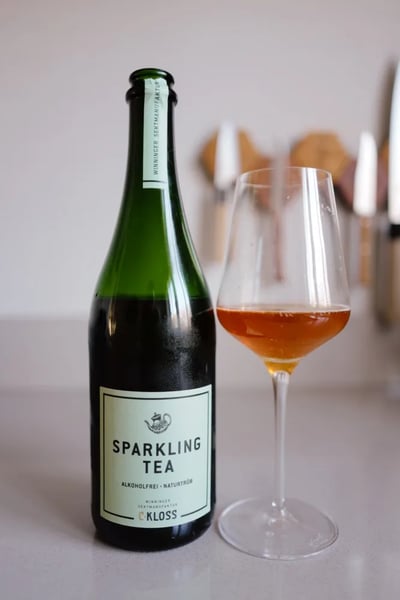
C. Kloss Sparkling Tea Weiss: Fermented Celery
Non-alcoholic sparkling tea Weiss from C. Kloss: linden blossom, nettle and fermented celery. Dry, 2.7 g sugar per 100 ml, €14.99 at Amavine.
Read on →
Barbadillo Sábalo: Organic Palomino Without Flor
Organic Palomino Sábalo from Barbadillo: no flor, salt from albariza soil. Chamomile, apple, sea. €17.95 at Granada Wijnen, with discount code.
Read on →
Tua Rita Lodano Rosso 2024: Petit Verdot Leads
A €50.95 Super Tuscan built on 60 percent Petit Verdot and 18 months of barrique. Why I chill it, decant it and never drink it without food.
Read on →