

Romanian Wines With MICU: What's Worth Trying
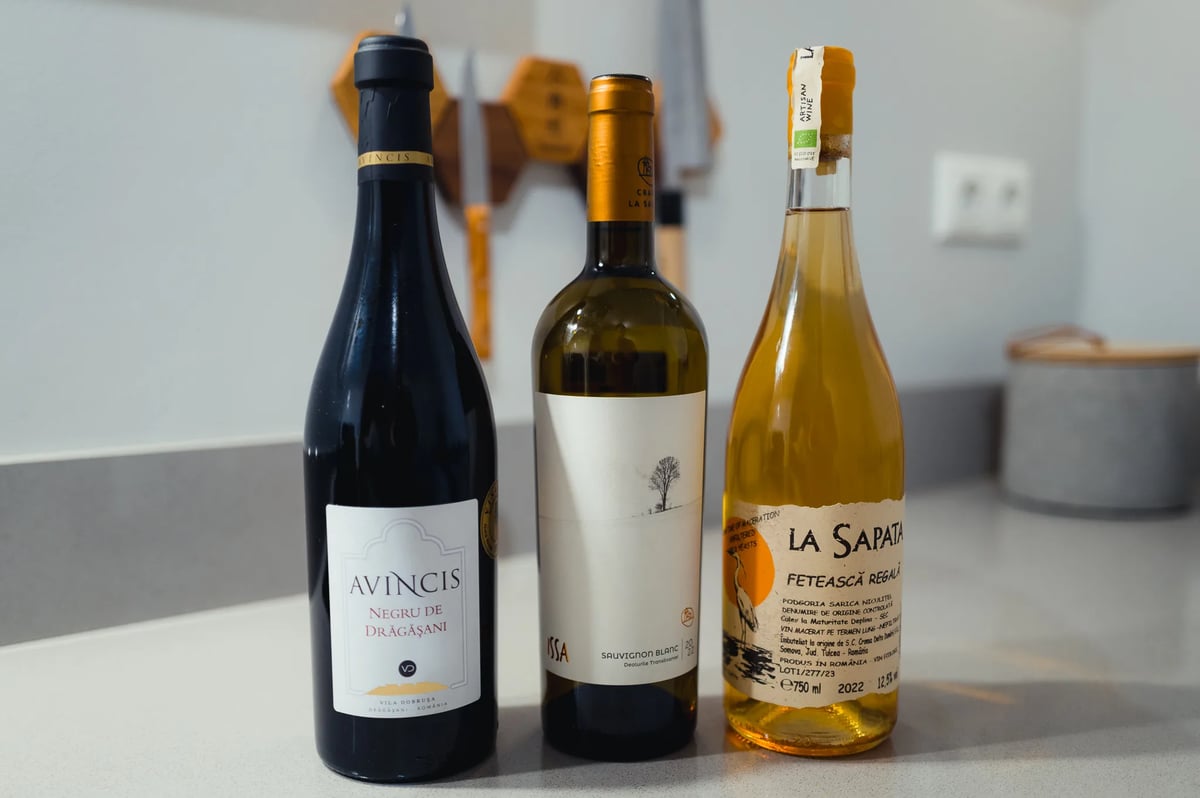
Three Romanian wines via importer MICU: La Salina Sauvignon Blanc, La Sapata Feteasca Regala orange, and Crama Avincis Negru de Dragasani.

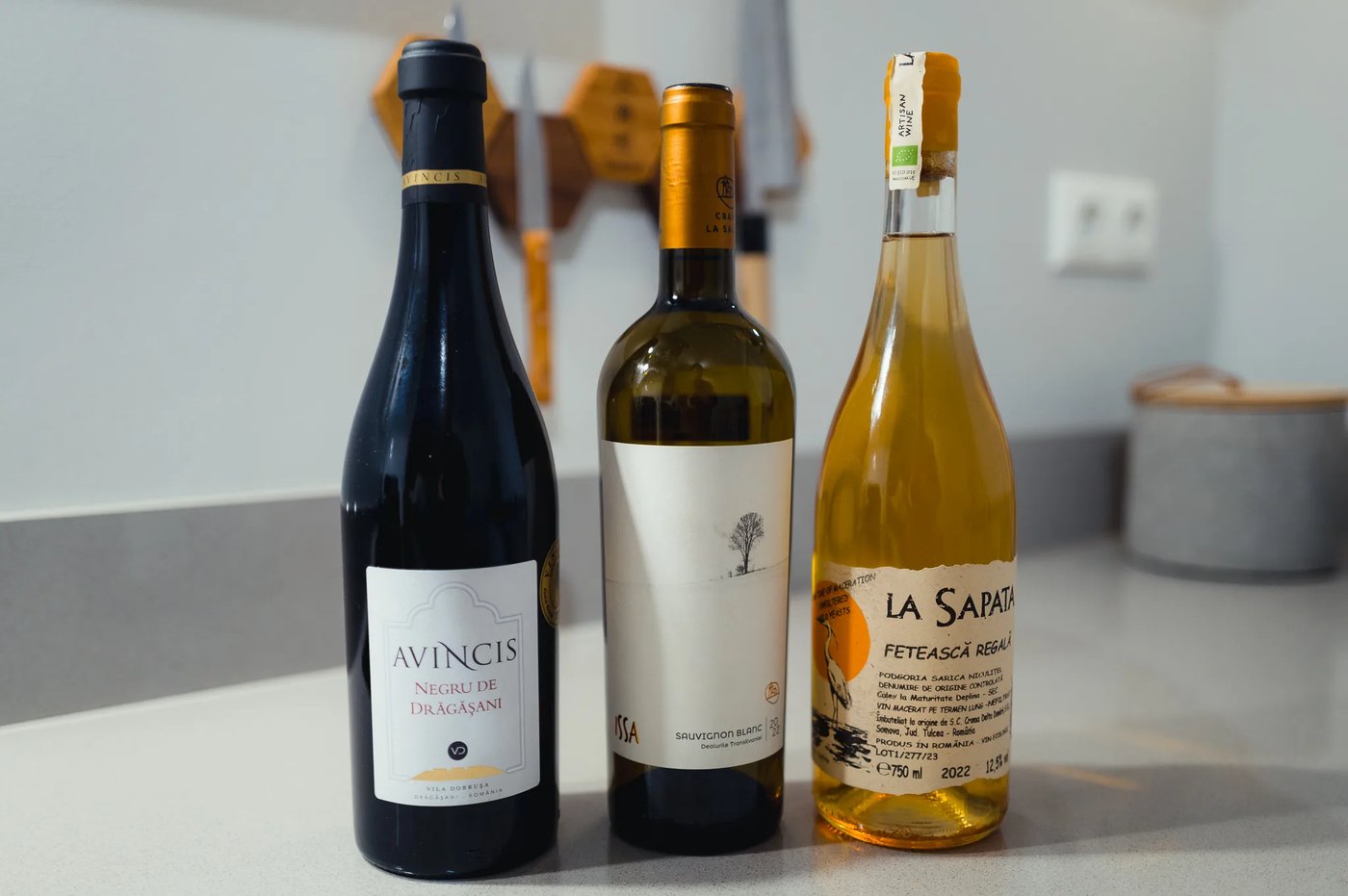
Just 45 hectares of Negru de Dragasani planted worldwide. One region in southern Romania, one descendant of Saperavi, almost no Dutch drinker who has ever heard the name. Tim Meems and Sinziana Ionescu of MICU Wines pushed three bottles from their selection my way, and the Negru made it instantly clear why they have built their import business around this corner of Europe.
Romanian wine history runs back to 5700 BC; almost shoulder to shoulder with Georgia. The reputation collapsed under the Eastern Bloc decades, when volume beat quality. Since EU accession in 2007 that has shifted fast. Foreign investment, generational change at producers, and strict EU-style wine law have rebuilt the top tier.
The country is geographically layered. Mountains that once sat under the sea give chalk soils close to Chablis and Champagne in feel. Wooded, truffle-rich hills echo Piemonte. Three wines from three corners spell out that range immediately.
Wine Laws of Romania
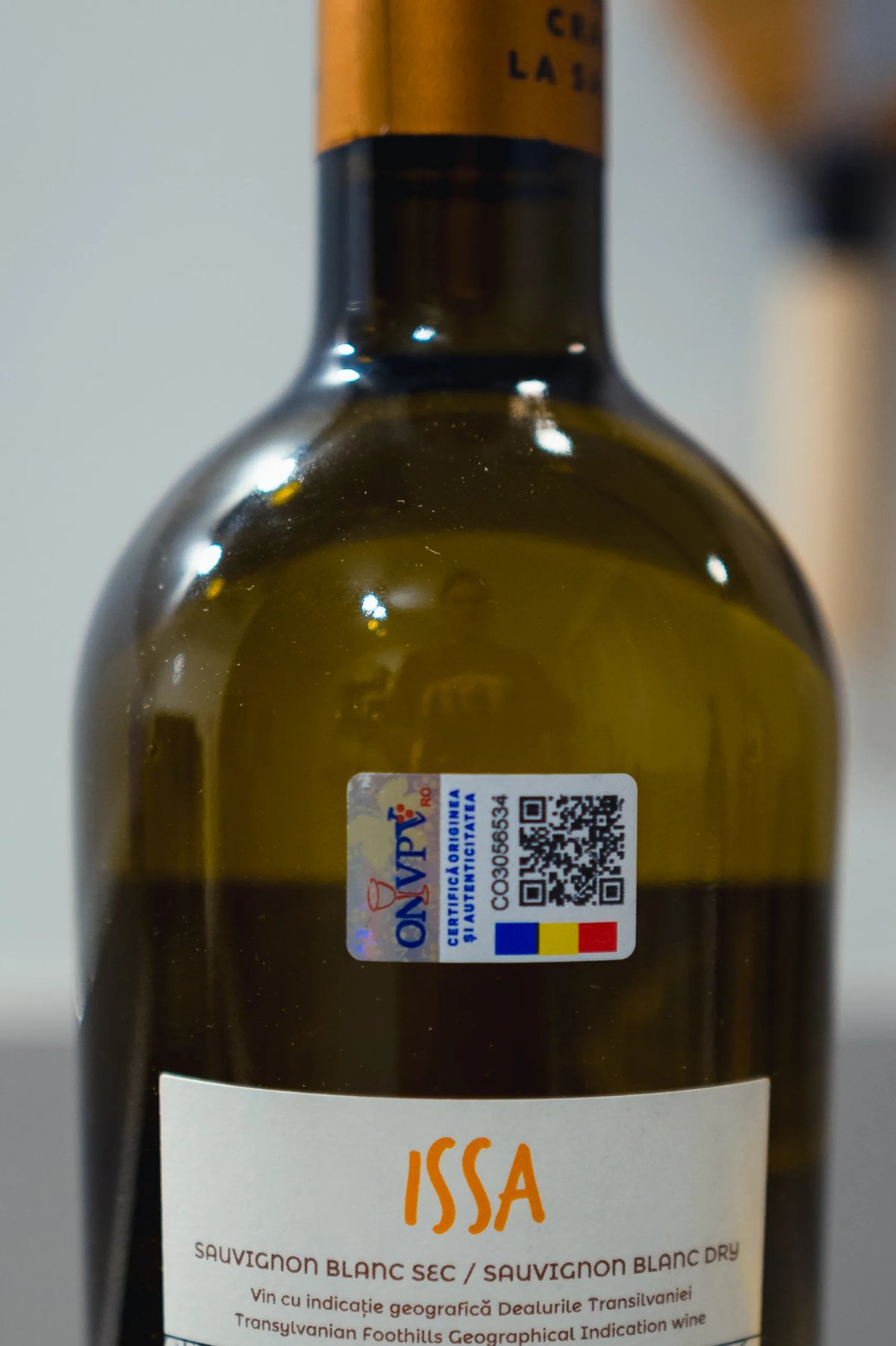
Romania’s wine laws, being strict, are shaped by its European Union (EU) membership. The regulatory system mirrors that of other European countries. It includes Table Wines, wines with Geographical Indication (IG), and Wines with Controlled Origin (DOC). Each bottle sports a unique QR code which provides further information.
Tasting Notes of the Romanian Wines
I had the opportunity to taste three different kinds of wines, including two local varieties: a white, an orange, and a red. Each pleasantly surprised me with its aroma, flavor, structure, and energy. While these wines may be comparable to those from France, Italy, or Georgia, they each possess their own unique identity and characteristics. As you familiarize yourself with Romanian wines, you’ll come to appreciate their unique traits and develop a fondness for them!
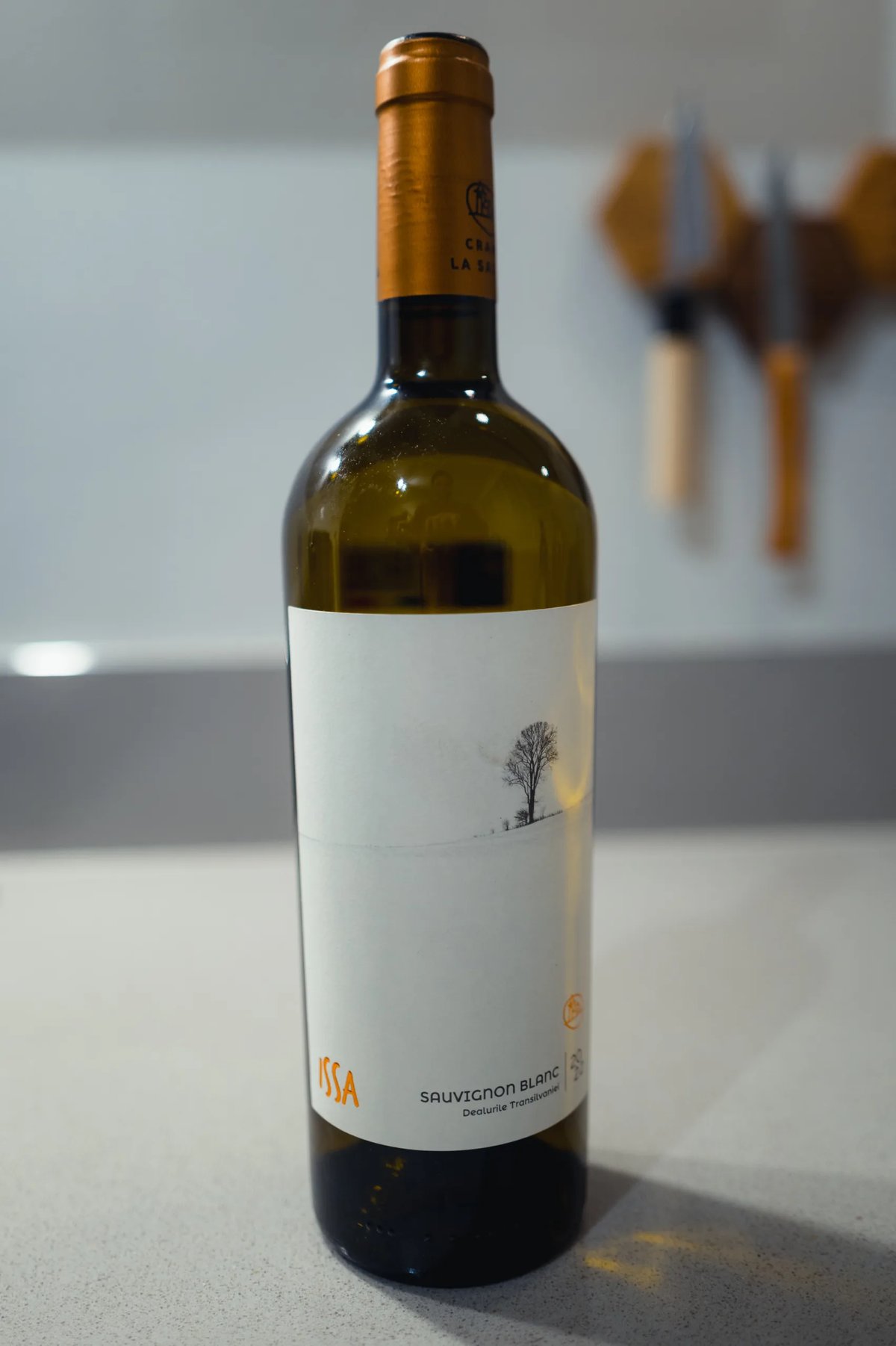
La Salina’s Sauvignon Blanc
La Salina’s Sauvignon Blanc, from Transylvania, Romania, benefits from its 200-300 meter altitude and dramatic temperature shifts, resulting in gradual ripening, high acidity, and freshness. The name “La Salinas” refers to the area’s salt mines, which also serve as a health retreat and wine storage.
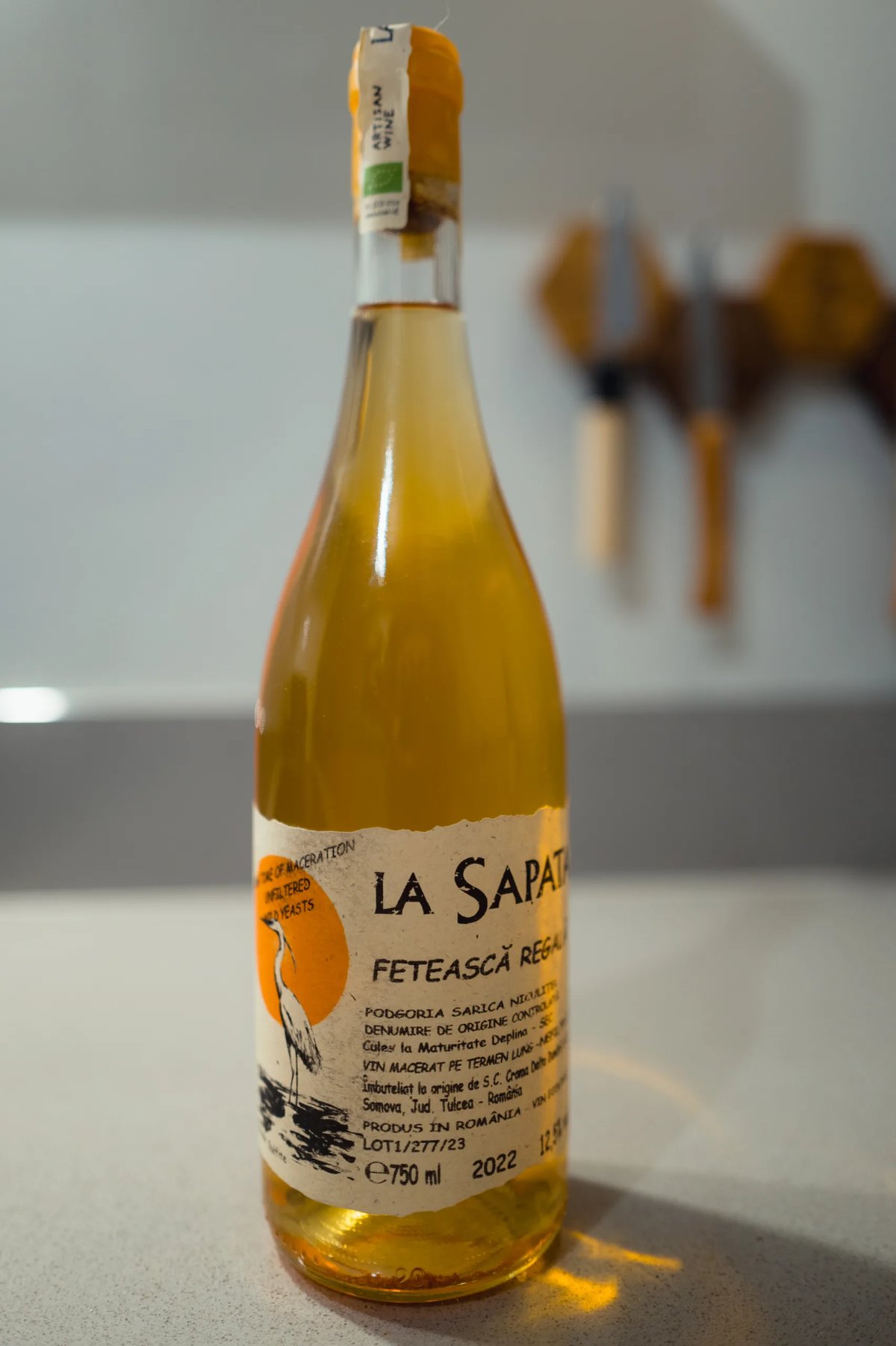
Brilliantly bright yellow
Aroma of grapefruit, peach, wet stone, salty sea air, mango, passionfruit, lychee, blossom, dried apricot, mushroom, wet wool, lemon, lemon peel, yeasty, bread dough, brioche
The taste is pleasantly dry with high acidity. It features notes of grapefruit, peach, wet stone, salty sea air, mango, passionfruit, lychee, blossom, dried apricot, mushroom, and wet wool. The aftertaste is long-lasting and very pleasing.
This is an excellent expression of Sauvignon Blanc that many people will recognize and appreciate. It’s not too dry, has high acidity, but in a very pleasant way.
La Sapata Feteasca Regala
La Sapata’s Feteasca Regala is from the east, near the Danube delta. Its ground has fossil shell layers and it’s surrounded by protected natural areas. La Sapata is all about local and organic, using wild yeast and sulfites for stability. This fresh orange wine is made from 100% local ‘feteasca regala’ grapes, with a hint of bitterness and notes of orange peel.
A lovely medium amber color
The aroma is packed with apricots, nectarines, peaches, peach candies, rosemary, sage, acacia, blossoms, wet stone, wet wool, wet leaves, magnolia, lemon, lemon peel, lime juice, doughy bread, yeasty, brioche, and cream. It’s super interesting and appealing.
The taste is dry, with medium (+) acidity. It bursts with flavors of apricots, nectarines, peaches, peach candies, rosemary, sage, acacia, blossoms, wet stone, wet wool, wet leaves, magnolia, lemon, lemon peel, lime juice, mango, dried kiwi, dried apricot. It’s got a medium body and a high taste intensity, ending with a medium finish.
This is an exceptional wine that captivates you from the start, beginning with its intriguing color. The moment you take a whiff, you’re struck by its cool and delightful aroma. Despite its complexity, it remains easily drinkable. It’s simply pure and clean with a balanced blend of fruit and acidity. Sounds inviting, doesn’t it?
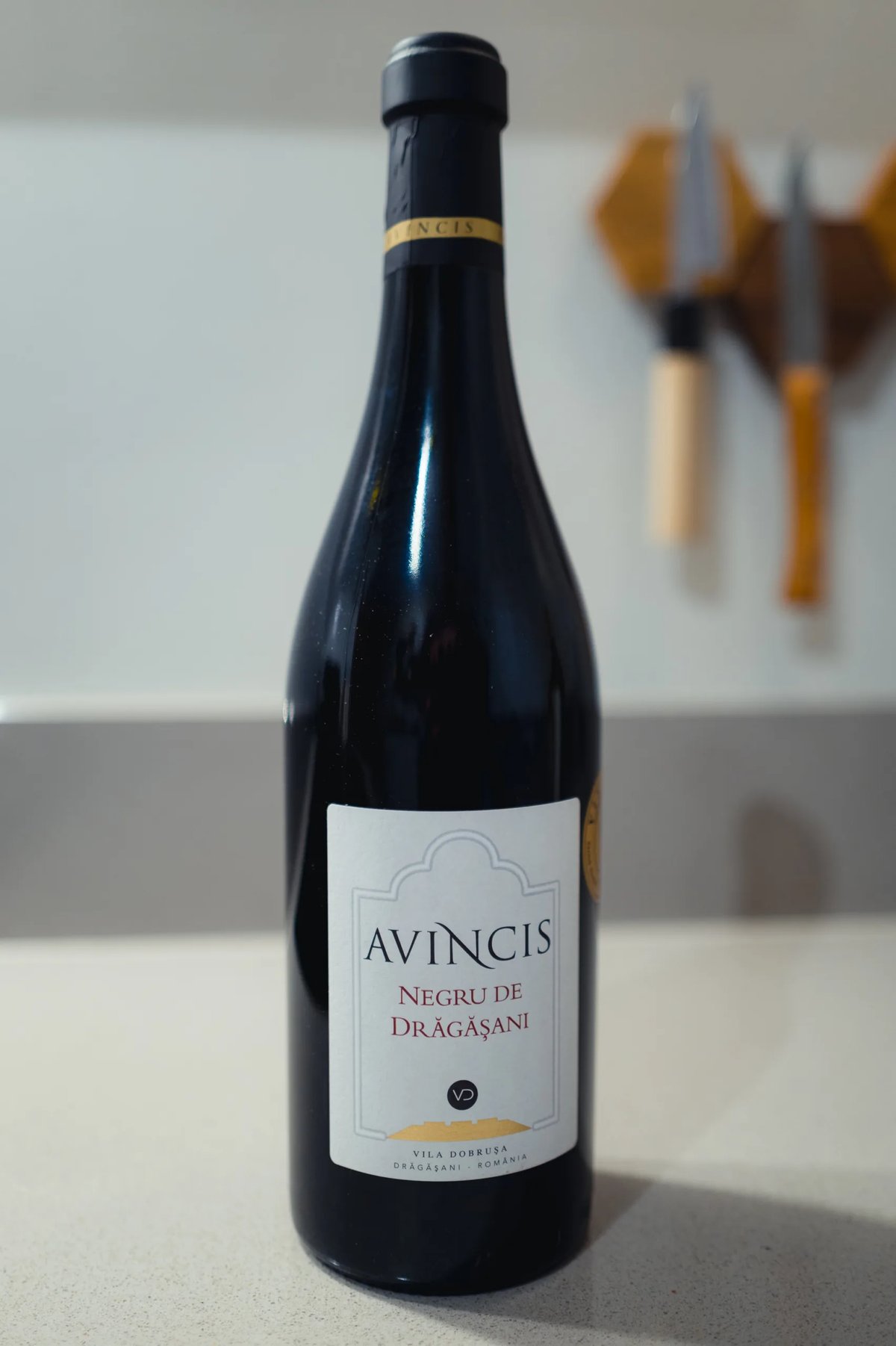
Crama Avincis Negru de Dragasani
The Negru de Dragasani from Crama Avincis hails from southern Romania’s wine region, comparable to Bordeaux. This rare variety, a Saperavi grape offshoot, is exclusive to the Dragasani region. With just 45 hectares planted globally, it offers black fruit hints, woody undertones, and a black pepper finish. Best enjoyed after an hour of breathing.

The color is remarkably clear with intense depth, presenting a striking garnet red.
On the nose, it’s powerful. with red cherries, black cherries, blackberries, blueberries, plums, tobacco, wet leaves, leather, cocoa, wet stone, clay, rosemary, thyme, sage, violets, roses, rose hip, rose water, dried plums, dried cherries, dried herbs, and dried flowers. The complex aroma continues to evolve.
On the palate, it’s dry and mouthwatering. It has medium (+) acidity and high tannins with a wide range of fruit, herbs, and earthy notes. The flavor intensity is quite powerful, the balance is perfect with a medium (+) body and long finish.
It’s a wine with a plethora of flavors, a substantial body, and a strong intensity. A really excellent and very elegant wine that is deliciously juicy with beautiful structures, complex presence without being complicated, does cry out for something to eat with it. Really give it time to breathe and open up, you wont regret it.
About MICU Wines
Tim Meems and Sinziana Ionescu import Romanian premium wine into the Netherlands from Rotterdam. Sales run through hospitality, retail, and a quarterly tasting box direct to private customers (six bottles, technical flyer, no subscription). Sinziana brings the Romanian network and wine knowledge, Tim the Dutch market access.
Verdict
Three bottles, three completely different styles, no weak link. The Negru de Dragasani from Crama Avincis is the most striking, simply because the grape exists nowhere else. The Sapata Feteasca Regala shows orange wine can be elegant; the La Salina Sauvignon Blanc proves classic varieties stay surprisingly cool-climate in Transylvania.
Romania belongs on the wine list, not as a curiosity but on quality. MICU is the fastest route there in the Netherlands today.
Order or contact: micu-wines.com
Sources
More on Wine Review
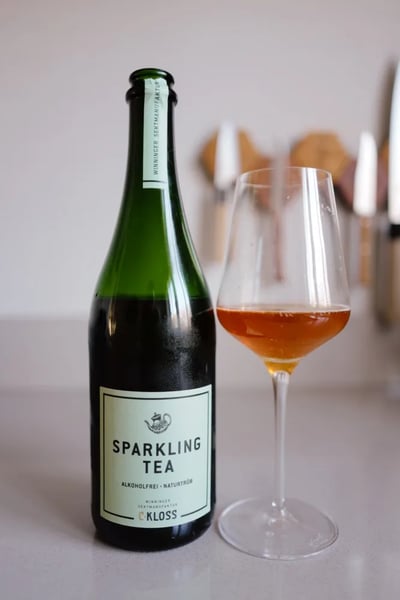
C. Kloss Sparkling Tea Weiss: Fermented Celery
Non-alcoholic sparkling tea Weiss from C. Kloss: linden blossom, nettle and fermented celery. Dry, 2.7 g sugar per 100 ml, €14.99 at Amavine.
Read on →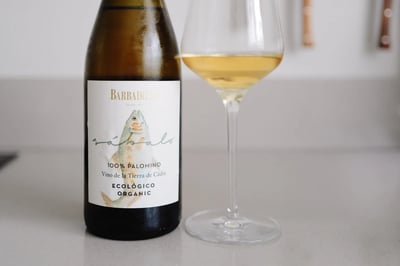
Barbadillo Sábalo: Organic Palomino Without Flor
Organic Palomino Sábalo from Barbadillo: no flor, salt from albariza soil. Chamomile, apple, sea. €17.95 at Granada Wijnen, with discount code.
Read on →
Tua Rita Lodano Rosso 2024: Petit Verdot Leads
A €50.95 Super Tuscan built on 60 percent Petit Verdot and 18 months of barrique. Why I chill it, decant it and never drink it without food.
Read on →