

Marimar Torres at Coulisse: Sustainable Winemaking
As I delve into viticulture, 'sustainable winemaking' emerges as a guiding light, embodying not just environmental stewardship but also economic and social.
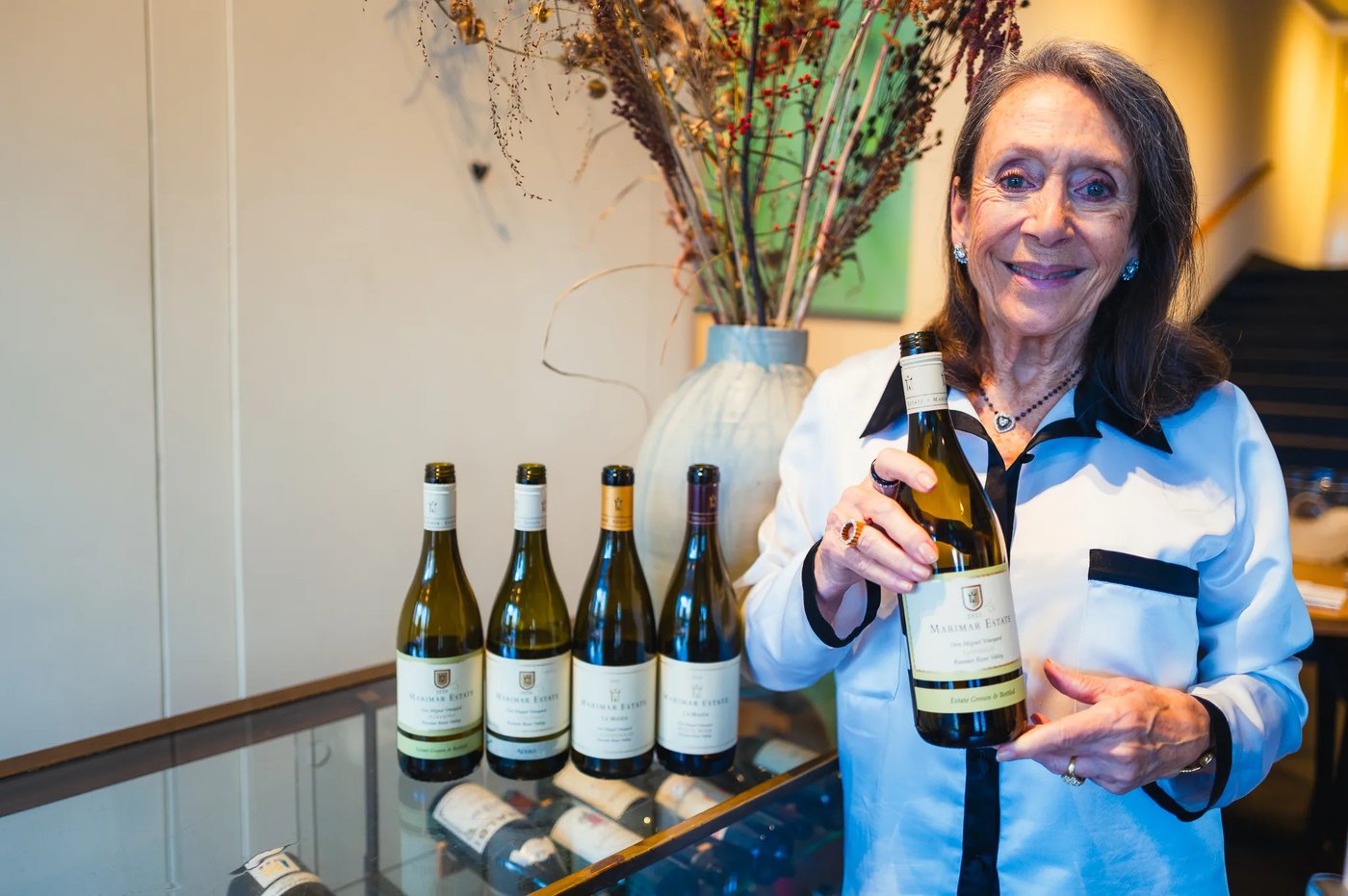
Marimar Torres pours. Not just wine, conviction. Her estate in Sonoma County has run on solar energy, organic farming, and closed-loop systems for years, not because regulations required it, but because it was the right call. Sustainable winemaking at Marimar Estate is not a selling point; it is the starting premise behind every decision, from water management to carbon emissions.
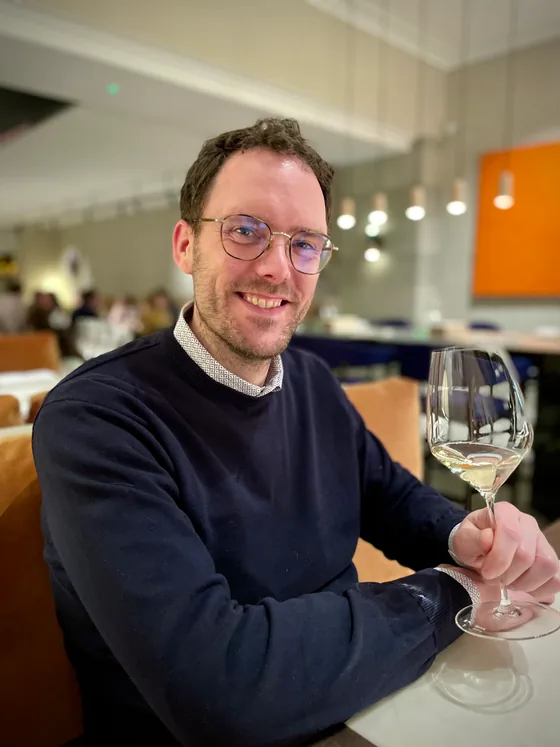
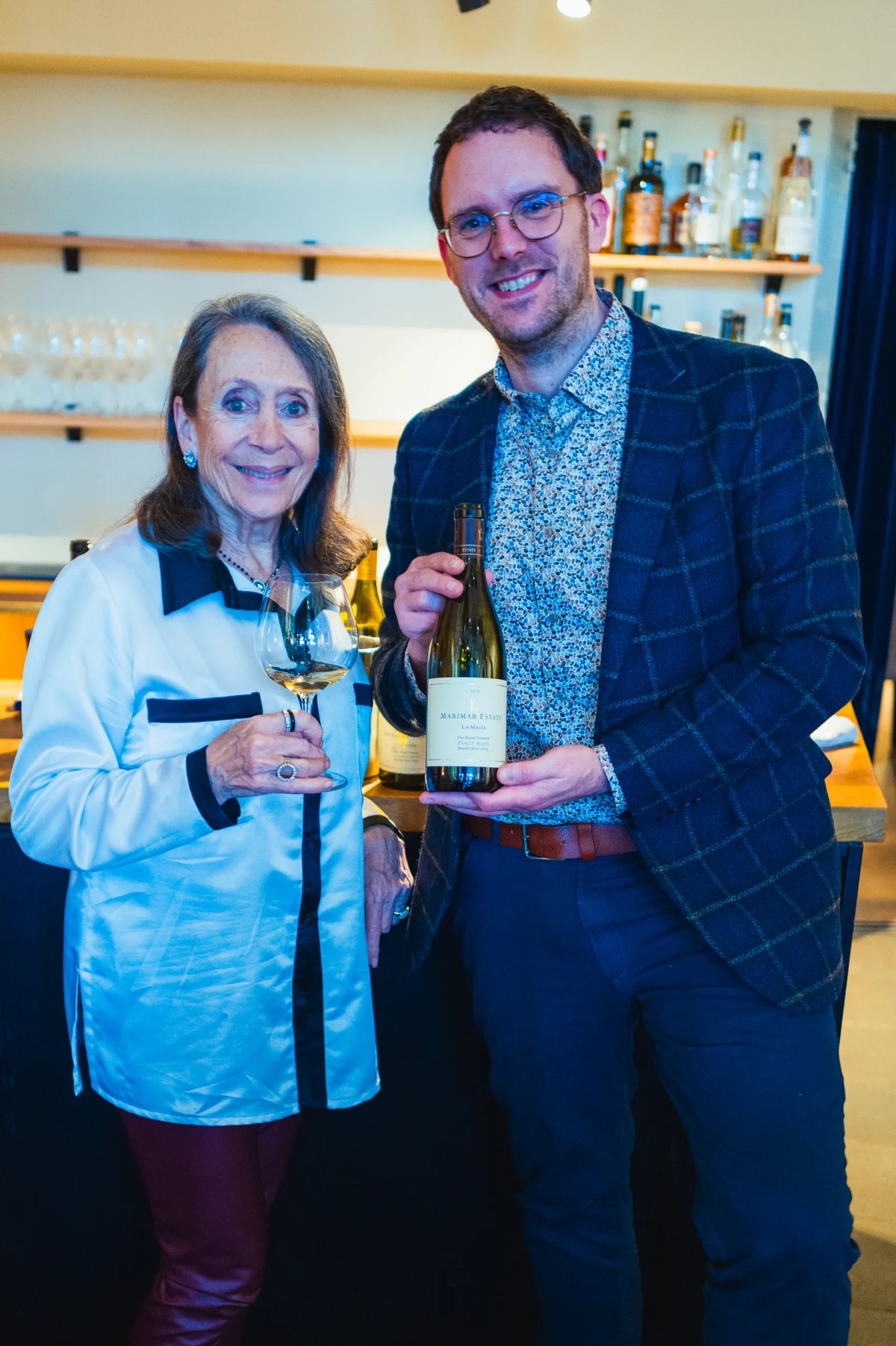
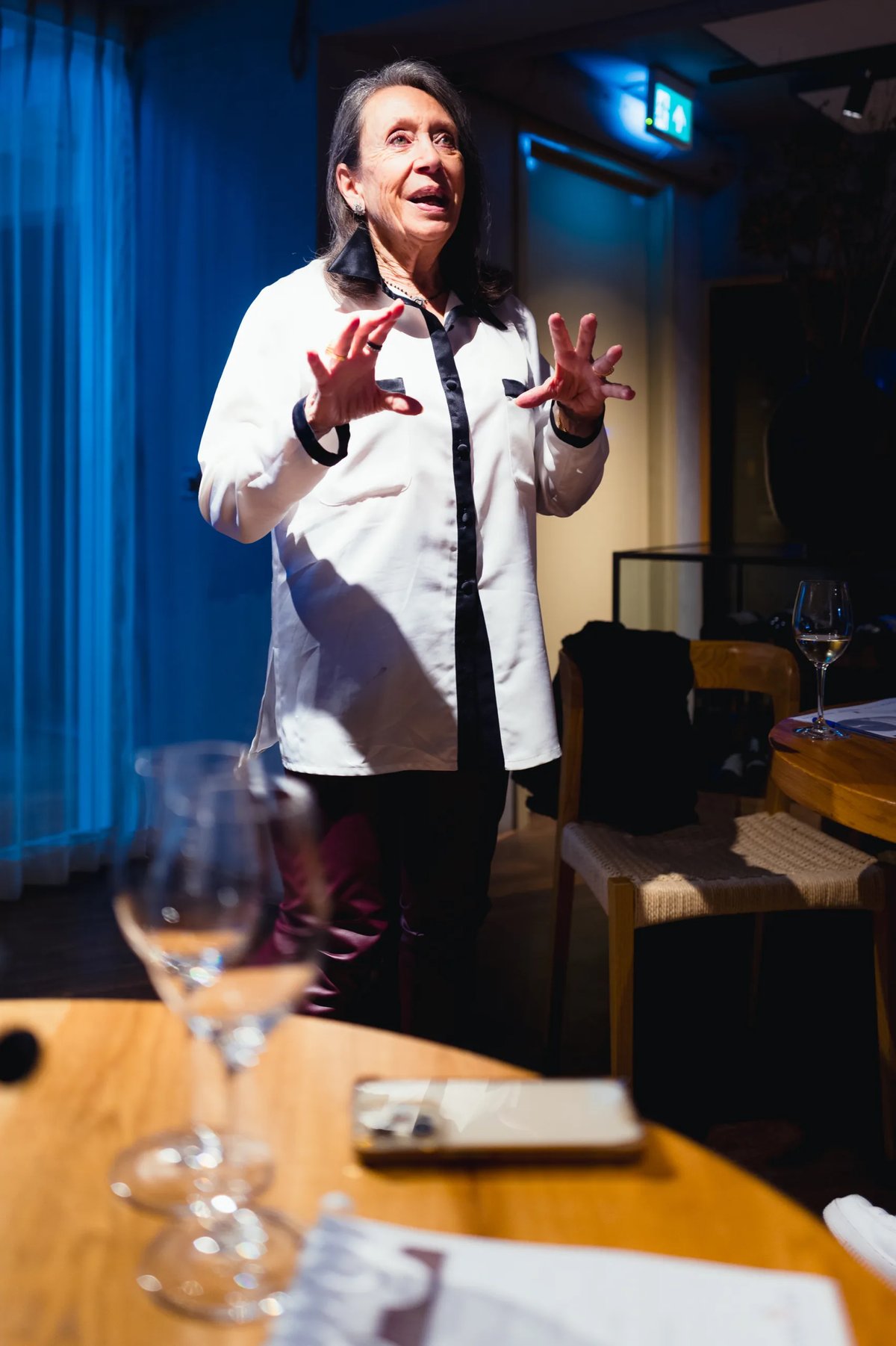
I attended a wine tasting at Coulisse restaurant in Amsterdam, organized by Walraven Sax and PitchPR. I had the opportunity to taste wines with Marimar Torres, gaining insight into her experiences and savoring the wines over a satisfying lunch. Thank you very much for the lovely interview, Marimar. I really appreciate you taking the time.
Marimar Estate: A Sustainable Winery
 Marimar Torres sets herself apart in the wine industry through her exceptional winemaking skills and as a leading female winemaker, guiding the Torres family’s European heritage towards new horizons with her pioneering spirit. Marimar Estate, following in the footsteps of her father, Miguel Torres, who led Bodegas Torres for six decades, she has honored the family’s winemaking legacy with a steadfast commitment to sustainable farming and the cherished Torres family traditions, ensuring a green future for their vineyards.
Spread across 20 hectares, the estate is famous for its excellent Chardonnay and Pinot Noir. It also pays tribute to Spanish heritage by cultivating Albariño, Godello, and Tempranillo. The high-density planting, underscores Marimar’s dedication to quality, yielding wines of greater flavor and elegance from their single vineyard and estate vineyards.
Sustainability as a key factor
Sustainability is woven into the fabric of Marimar Estate, as evidenced by its sustainability certification in 2017. The winery adopts a holistic approach to sustainability, focusing on environmental, economic, and social aspects to ensure a sustainable future for viticulture.
Renewable Energy: The winery and residences on the property operate on 100% solar energy, a choice that speaks for itself.
Waste Management: Grape pomace and horse manure are composted and returned to the vineyard, enriching the soil and closing the loop on waste. The result is healthier ground and less going to landfill.
Biodiversity: Cover crops and insectaries support beneficial insects and birds across the estate, creating a working ecosystem rather than a chemically managed monoculture. Owl boxes, beehives, and chickens for pest control are part of the same logic.
The different vineyards around the Marimar Estate
Located in the Green Valley, the estate’s vineyards are named after Marimar’s grandparents, Don Lorenzo and Doña Rosa. Sandy loam soils and a cool climate make the area ideal for Chardonnay and Pinot Noir. Organic certification came in 2006, and the estate has since moved further into biodynamic and eco-friendly practices, treating the land as a whole system rather than a set of inputs to manage. Marimar draws on methods from Torres wineries in Chile and Spain and works closely with organisations including the California Sustainable Winegrowing Alliance. Chickens, owl boxes, and beehives are not decorative; they are part of the pest-management strategy.
Tasting Notes and Highlights winetasting together with Marimar
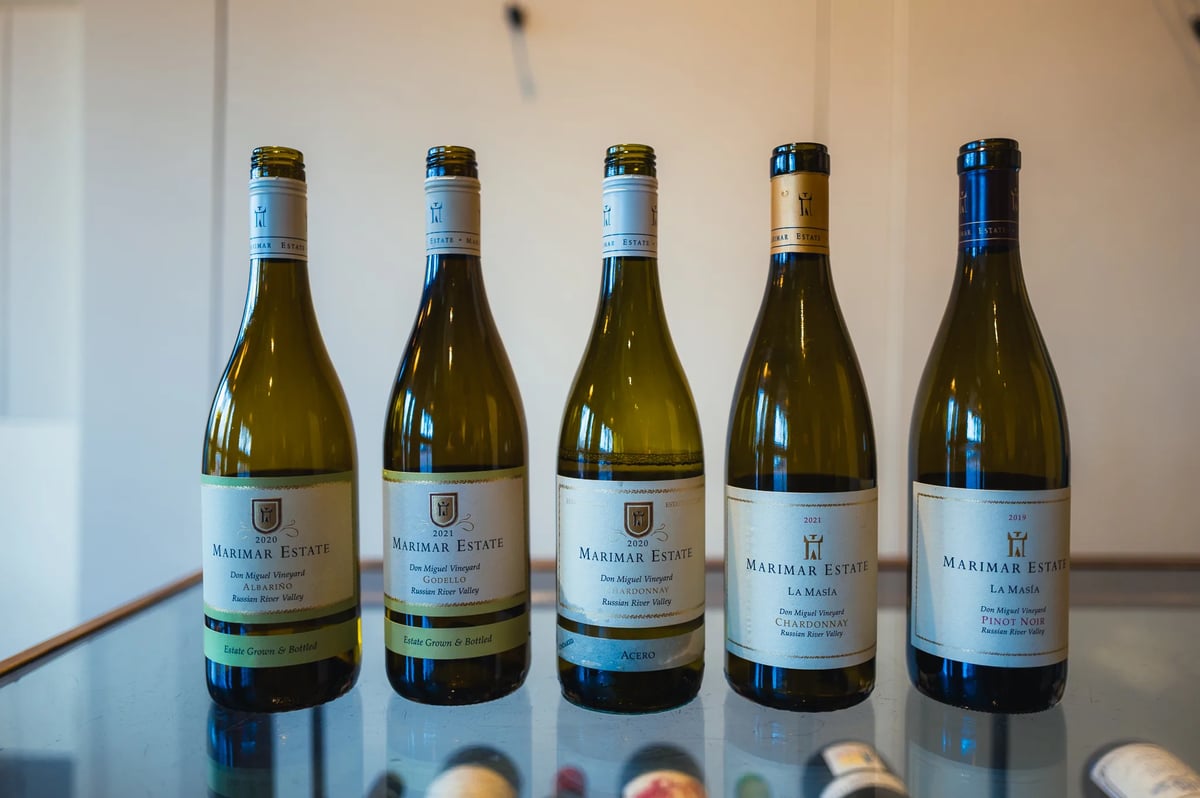
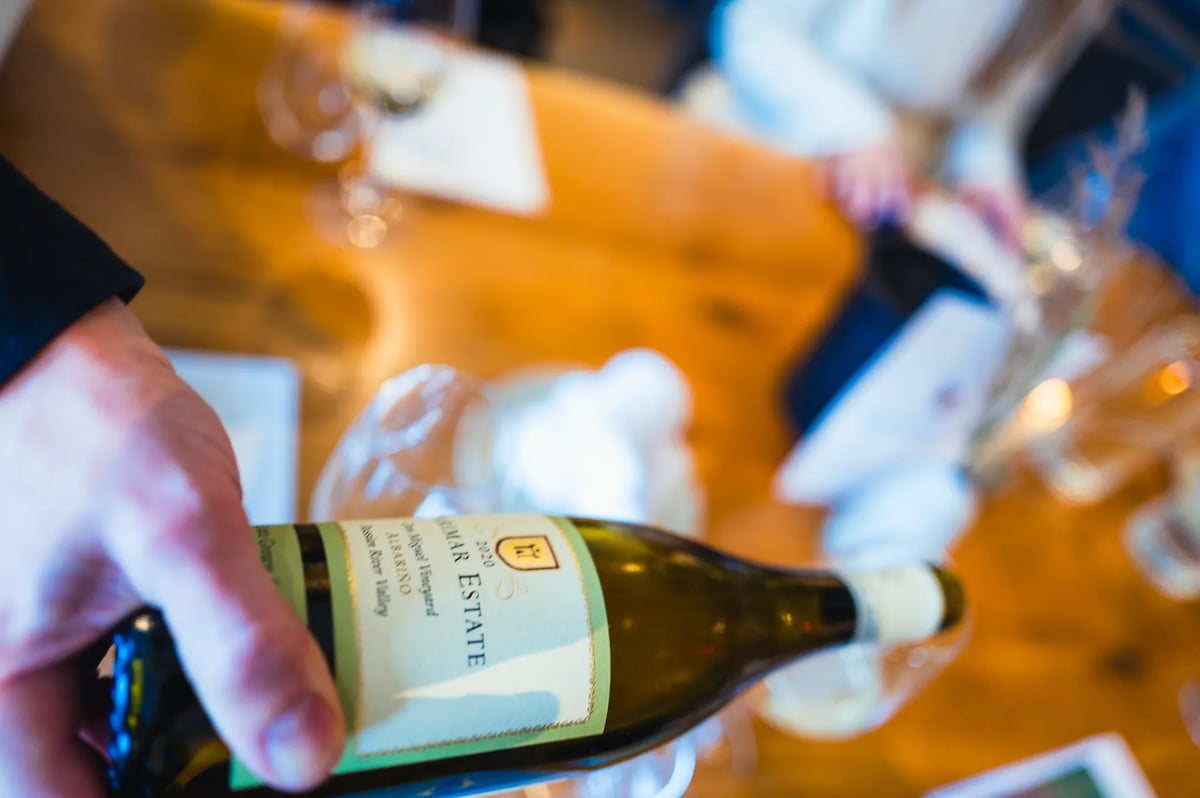 Marimar herself led us through the tasting. Several wines stood out.
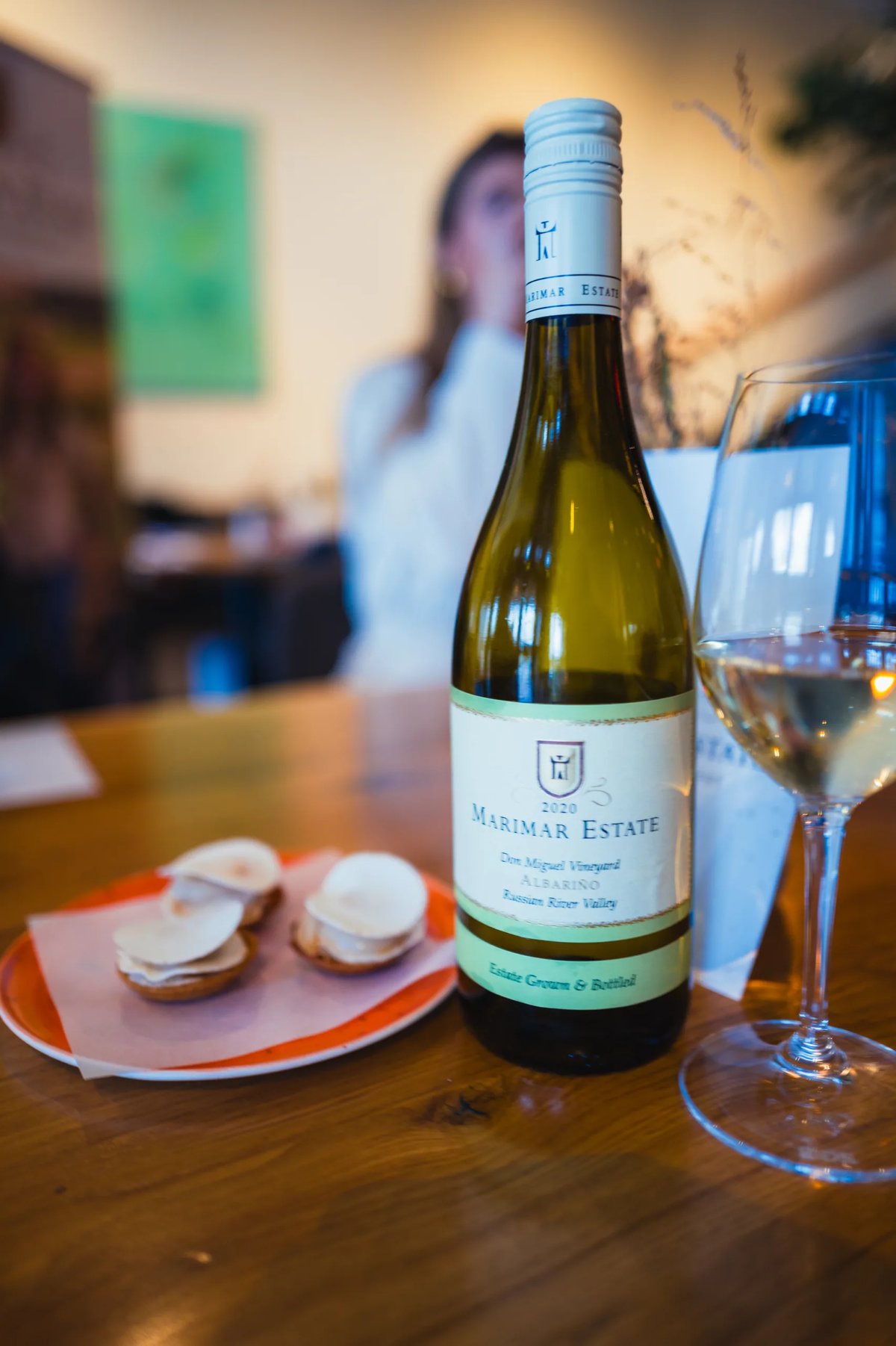
Marimar Estate, Albariño 2020
This vibrant wine greets the senses with tropical aromas and minerality. It boasts ripe fruit notes of yellow nectarines, apricots, and pineapple, leading to a zesty and aromatic experience on the palate. The result is a clean, crisp finish that is both refreshing and rich. It’s reminiscent of a Spanish Albariño in expression but stands apart with its distinct tropical fruits and strong minerality.
Marimar Estate, Acero Chardonnay Unoaked 2020
This unoaked Chardonnay is a full, round, and pleasing wine with fresh, floral aromas. It features notes of white flowers, apple blossoms, and citrus, paired with stone fruits for a savory and lively taste. The roundness comes from the Malolactic fermentation (MLF) and is typical of the terroir, according to Marimar. Its acidity and refreshing minerality make it a standout in the Chardonnay category, culminating in a crisp finish. ‘Acero’ is the Spanish word for steel. Everything is made of stainless steel, with no wood involved.
Marimar Estate, Godello 2021
This typical Spanish grape variety is very popular in Bierzo, and this Godello from Marimar Estate is a very similar expression. It’s lively with subtle notes of flowers, gooseberries, apple, and pear. It’s full and creamy with an intense, yeasty, herbal, and spicy profile. Again, it has lots of minerality and medium acidity with a hint of BBQ bacon in the aftertaste.
Marimar Estate, La Masía Chardonnay 2021
This is a completely different expression of Chardonnay, another gem with abundant wood, vanilla, and coconut aromas. In my opinion, this is a typical US Chardonnay, full in every aspect. It has lots of vanilla, peach, apple, pear, apricot, and peach candy notes, accompanied by butter and cream. It’s high in acidity, full-bodied, and has a round mouthfeel with a deep, long aftertaste.
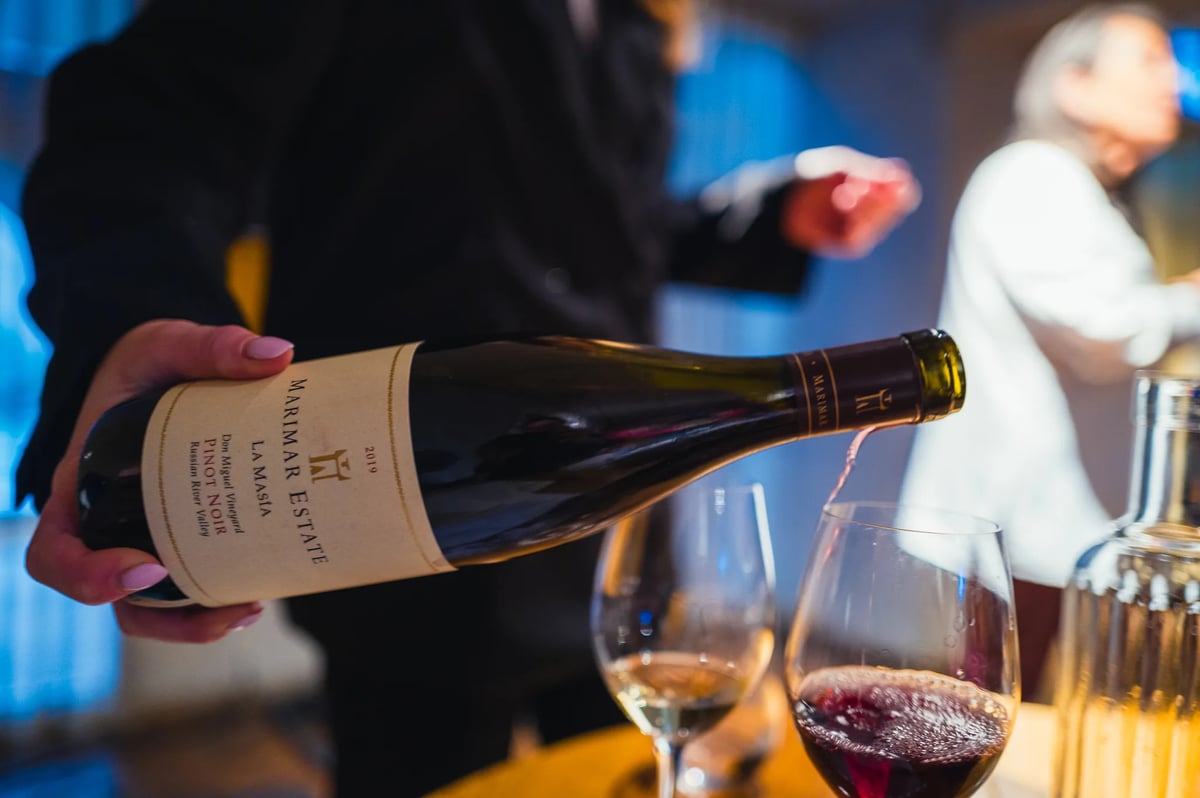
Marimar Estate, La Masía Pinot Noir 2019
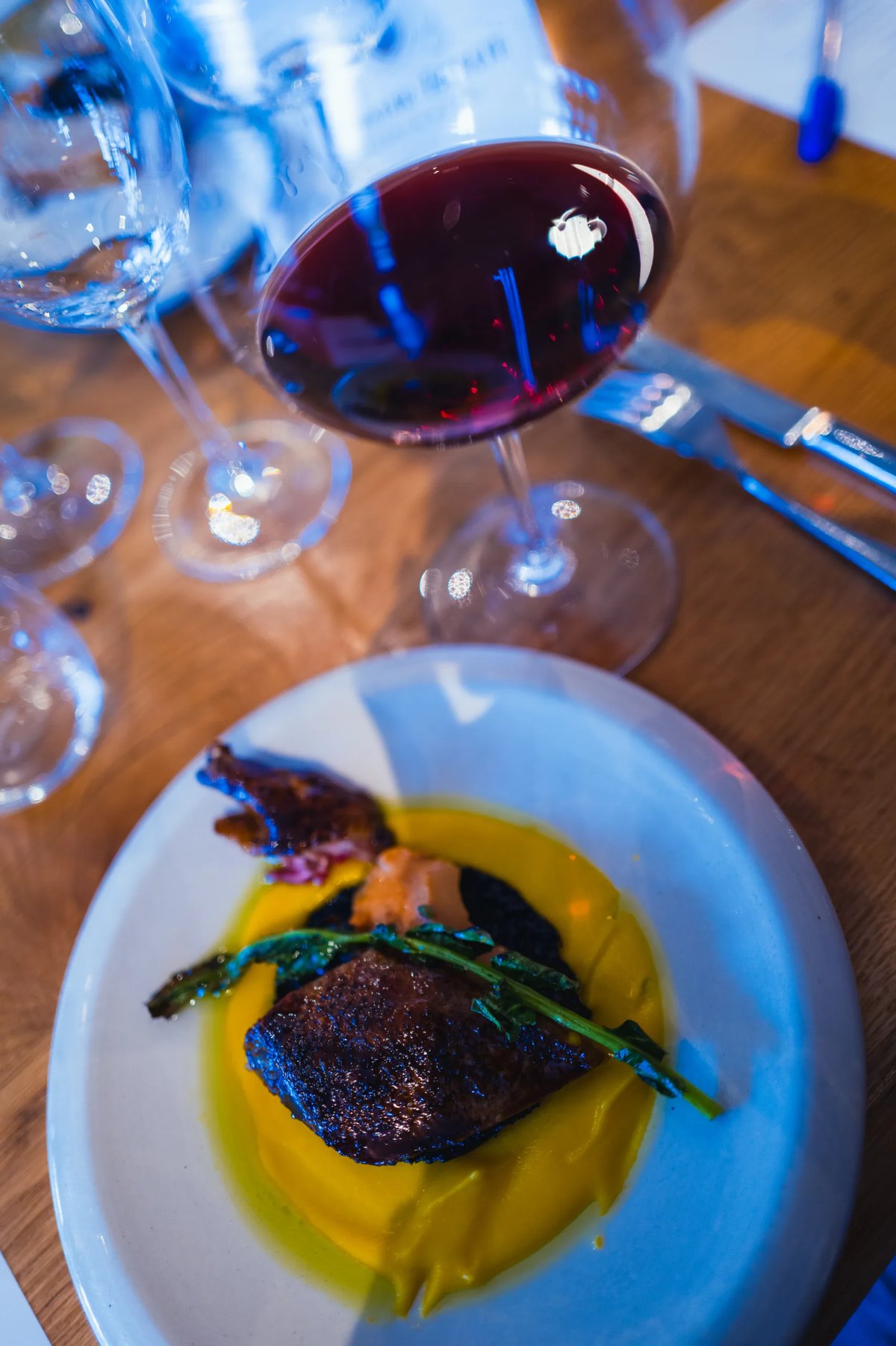
This is a great Pinot Noir with subtle notes of cherries, balsamic, tobacco, chocolate, and violet aromas. It has a beautiful palate with high tannins, high acidity, and flavors of cherries, chocolate, raspberries, strawberries, rosemary, eucalyptus, and a meaty BBQ bacon aftertaste. The finish is very long, and it continues to develop in the glass and the mouth, keeping you curious about what you’ll taste next. Truly a lovely wine!
The Winemaker’s Lunch Experience
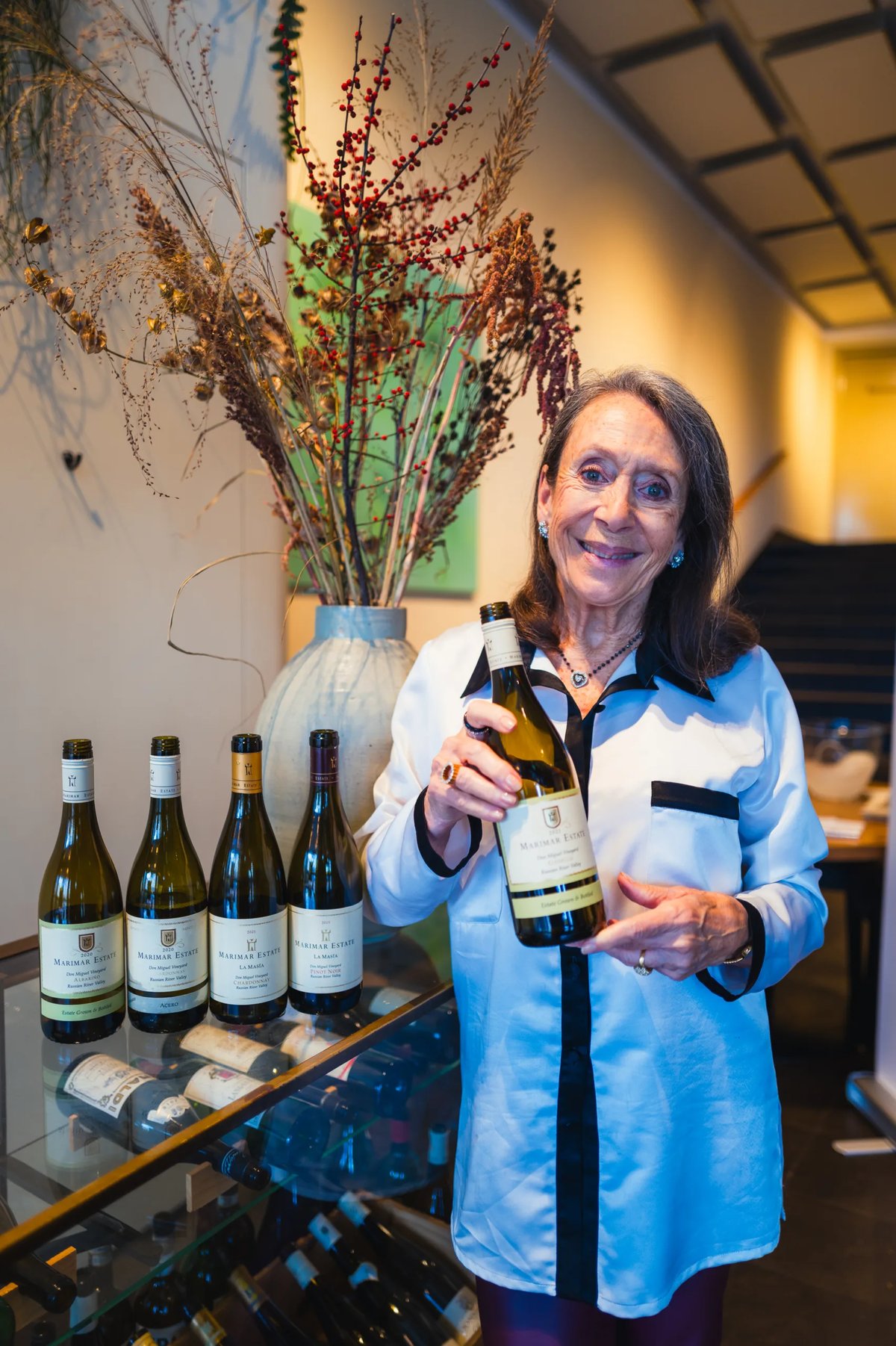
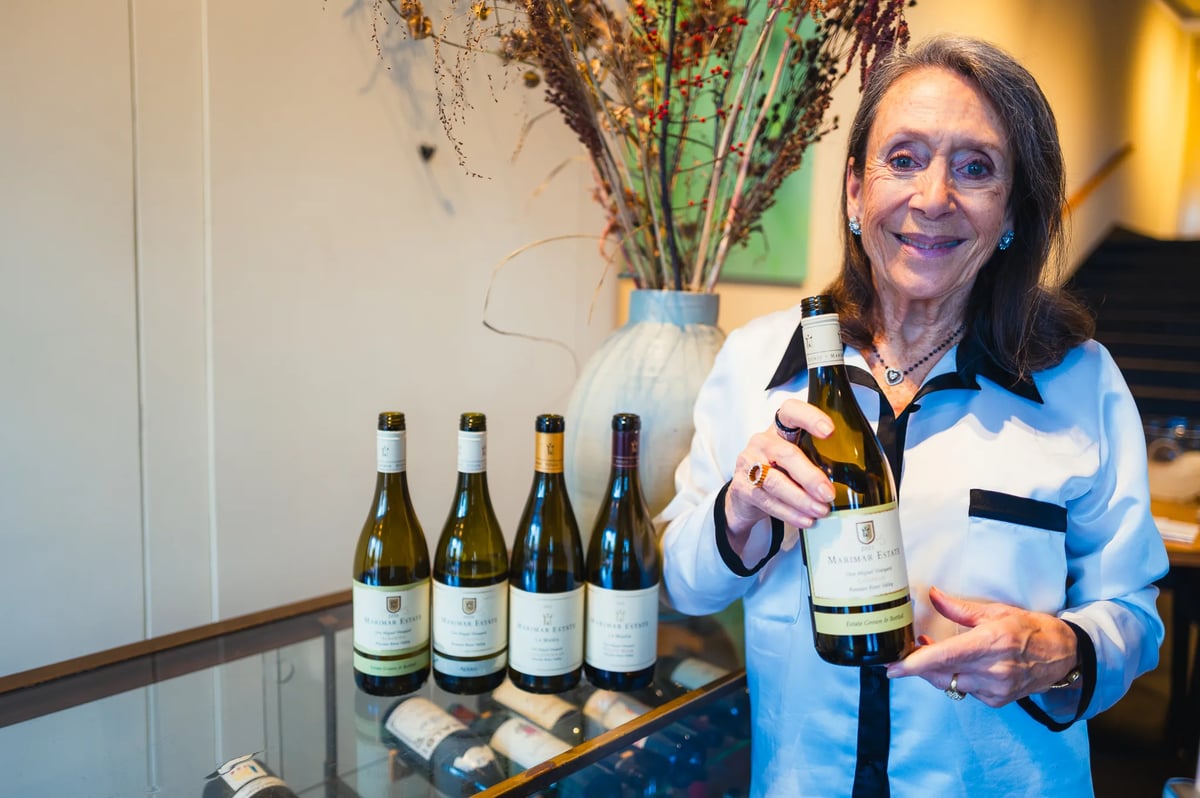 After the tasting, we continued with a delightful lunch paired with Marimar Estate wines. My trip to Coulisse in Amsterdam for The Winemaker’s Lunch was a much-anticipated event, filled with exclusive opportunities and unforgettable moments.
The room felt nothing like a press event. Marimar moved from table to table, taking time for real conversation, sharing the reasoning behind each wine and how it fitted the dish in front of us. Chefs Simon and Tim built the menu around seasonal, locally sourced ingredients, a quiet parallel to what Marimar does in the vineyard. The pairings held up. The lunch ran as follows:
Starter A little tartelette with a mushroom-scallop mille-feuille and shiso tempura with Castelfranco. We had it with Marimar Estate’s Acero Chardonnay Unoaked 2020.
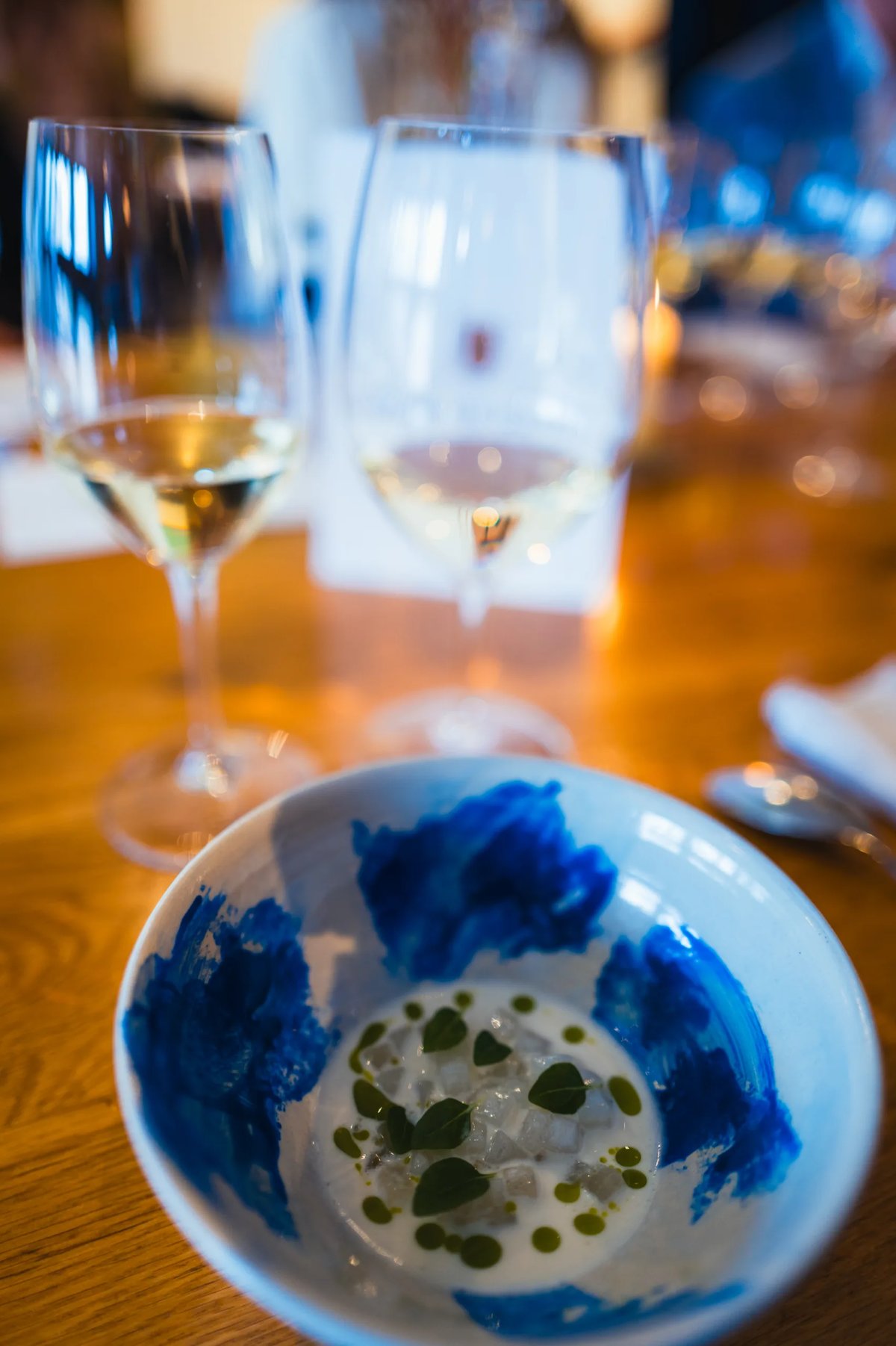
Appetizer We tucked into a tartare from Dutch squid, almond, and chamomile. We paired it up with Marimar Estate’s Albariño 2020 and Godello 2021.
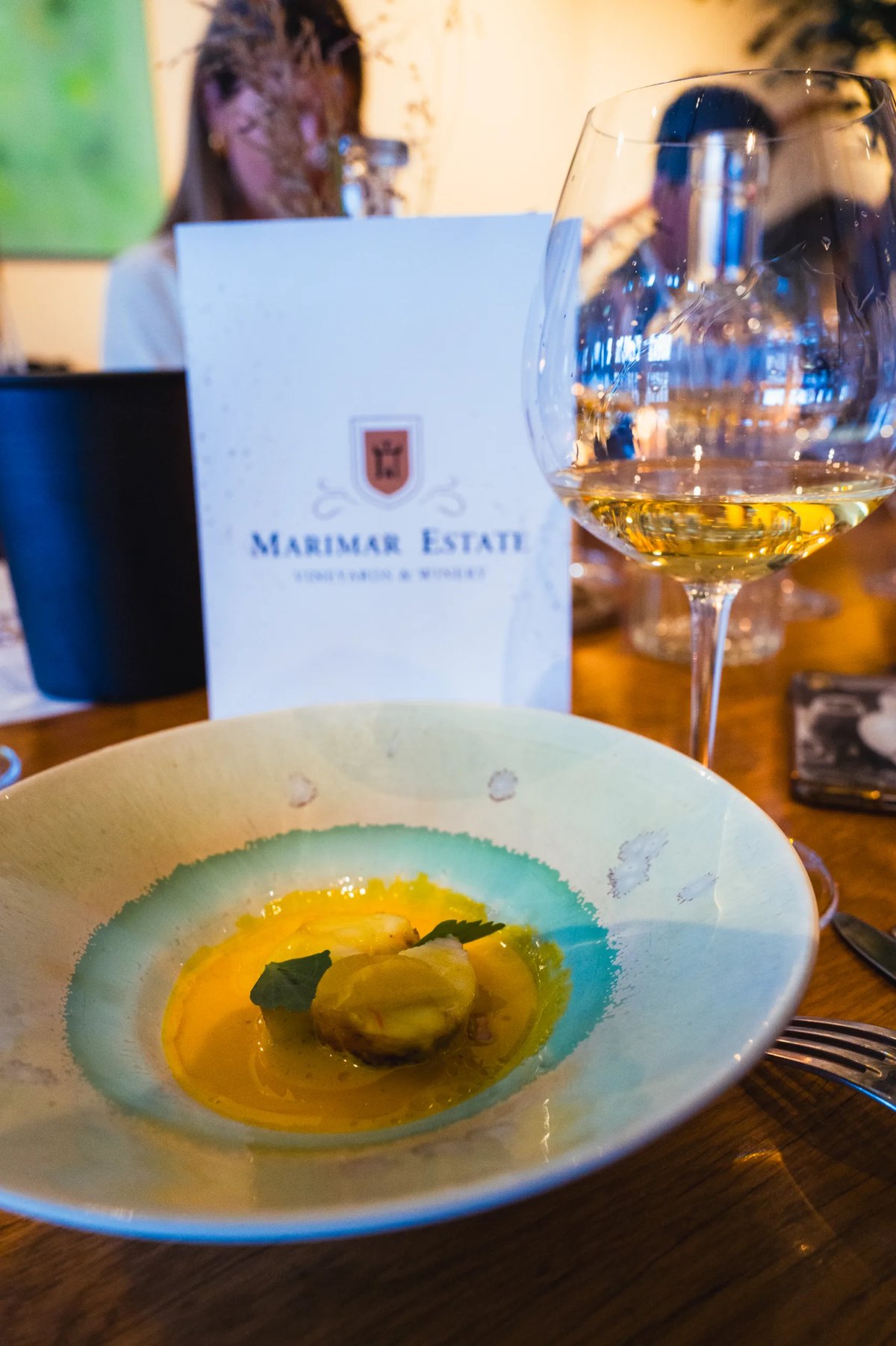
Mid-Course Next up, we had monkfish with saffron and pine nuts, and we washed it down with Marimar Estate’s La Masía Chardonnay 2021.
Main Course For the main event, we savored grilled Anjou pigeon with Ushi Kuri pumpkin and Savoy cabbage. This was nicely paired with Marimar Estate’s La Masía Pinot Noir 2019. Yum!
Behind the Scenes with Marimar
 Marimar Torres built her place in the wine industry through passion, education, and a willingness to innovate. Her academic background in economics, with degrees from the University of Barcelona and the Stanford Executive Program, provided a solid foundation for her business acumen. This knowledge was instrumental in her success in introducing Torres Wines to the United States market, leaving a lasting impact on the wine business.
In 1981, her vision led her to convince her father to invest in 56 acres in the Russian River/Green Valley area of Sonoma, which flourished into the renowned Don Miguel Vineyard at Marimar Estate Winery. This strategic decision capitalized on the region’s ideal climate for cultivating their signature grape varieties, marking a significant milestone in the Sonoma Coast AVA vineyards and winery landscape.
Marimar’s dedication to winemaking deepened when she pursued studies in viticulture and enology at the University of California, Davis, in 1988. Her debut Chardonnay, produced in collaboration with another winery, marked the beginning of her hands-on approach to winemaking. By 1992, with her family’s support, Marimar Estate Winery opened its doors.
The Future of Marima Estate
 The winemaking legacy of the family is carried forward by Cristina Torres, Marimar’s daughter. After her education, she enthusiastically took on the role of general manager in 2023. Cristina has been crucial in incorporating new technologies and Vintools into the winery’s framework, steering it towards sustainable practices, and attracting a younger demographic through innovative events.
The female-led legacy at Marimar Estate goes beyond just being a story, transforming into a dynamic force. Marimar and Cristina Torres, with unwavering pride, continue their family’s winemaking tradition. They place a strong emphasis on sustainability, ensuring that their estate wines are exceptional in taste and made with the highest regard for the environment.
Conclusion
 Marimar Estate’s viticulture practices, led by Marimar Torres, uniquely blend sustainable farming with innovative techniques to produce premium wines. The winery’s dedication to organic farming and respect for the land distinguishes it within the industry, striking a notable balance between environmental stewardship and exceptional winemaking.
Marimar Estate sets higher industry standards with its commitment to sustainability certification, and it deepens our understanding of the connection between the earth and the vine. It is a leader in promoting sustainability within the wine industry and encourages us to become part of an eco-conscious community of wine enthusiasts. Here, we can savor carefully crafted wines and participate in events that honor sustainability.
Marimar Estate is more than a winery. It is a benchmark for sustainability, innovation, and deep respect for the land, and a compass for the future of wine.
Previously published on thestoryofmywine.com
Sources
- Marimar Estate Vineyards & Winery (official, Sonoma): marimarestate.com
- Family Torres (family business): torres.es
- California Sustainable Winegrowing Alliance: sustainablewinegrowing.org
More on Events
Dutch Vineyard Open Days 2026: 36 Vineyards Open
36 Dutch vineyards open their gates this September. Every participant, date and opening time, plus what the official calendar leaves out.
Read on →
A sherry course in the Netherlands, four nights
A dedicated sherry course in the Netherlands, taught by certified Sherry Educator Nadien de Visser. Four sessions, 28 wines, 290 euros. What it covers.
Read on →
La Grande Bellezza 2026: Italian Wines in Amsterdam
La Grande Bellezza 2026 brought eight top Italian wines to Amsterdam. My day across Alto Adige and Tuscany, with two Brunello 2021s side by side.
Read on →