

Rouge Clair Review: M. Chapoutier's Chilled Rhône Red
M. Chapoutier Rouge Clair 2023 reviewed: 80% Grenache, 20% Syrah from the Rhône, built to be served chilled. Vin de France, biodynamic, 12.5%.

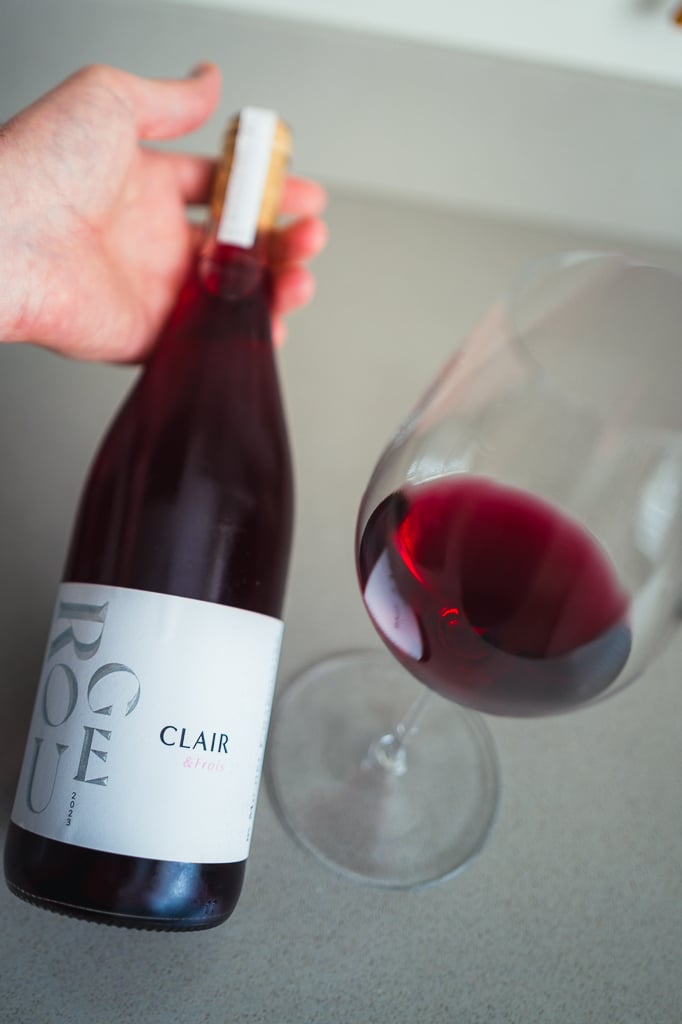
Serving a red wine at ten degrees. Still unnatural for most drinkers, since 2023 the entire premise for M. Chapoutier. Rouge Clair is built to be chilled. 80% Grenache noir with 20% Syrah from clay-limestone terraces in the foothills of the Montagne Noir, harvested at night to bring fruit in fresh and slightly underripe. Vinification under Vin de France, for the freedom appellation rules don’t allow.
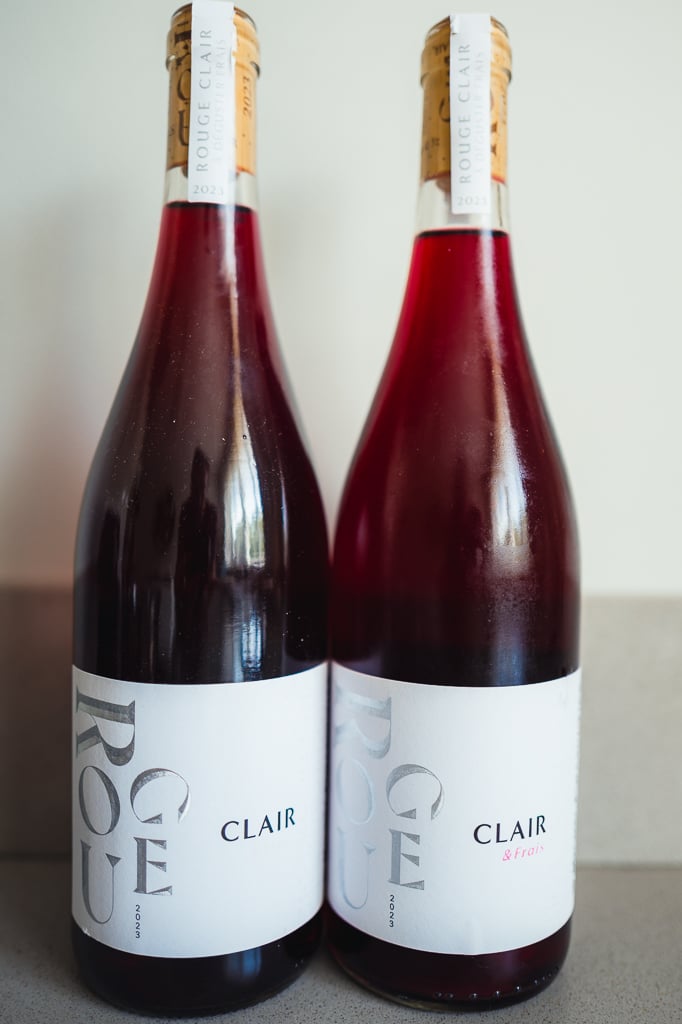
Vinification
After destemming, 72 hours cold soak, fermentation at 20°C, three months of élevage in stainless steel. 12.5% alcohol; deliberately low for the style. No heavy tannin extraction, no barrique. The approach delivers a red wine with rosé suppleness but more structure and more weight on the palate.
Sustainability detail: sugar-cane stopper instead of traditional cork, no capsule but an innovative “bandule.” The label is thermochromic, “Frais” appears below 12°C. Not a marketing gimmick but a serving-temperature indicator. Label also in Braille; standard at Chapoutier since 1996.
Tasting notes
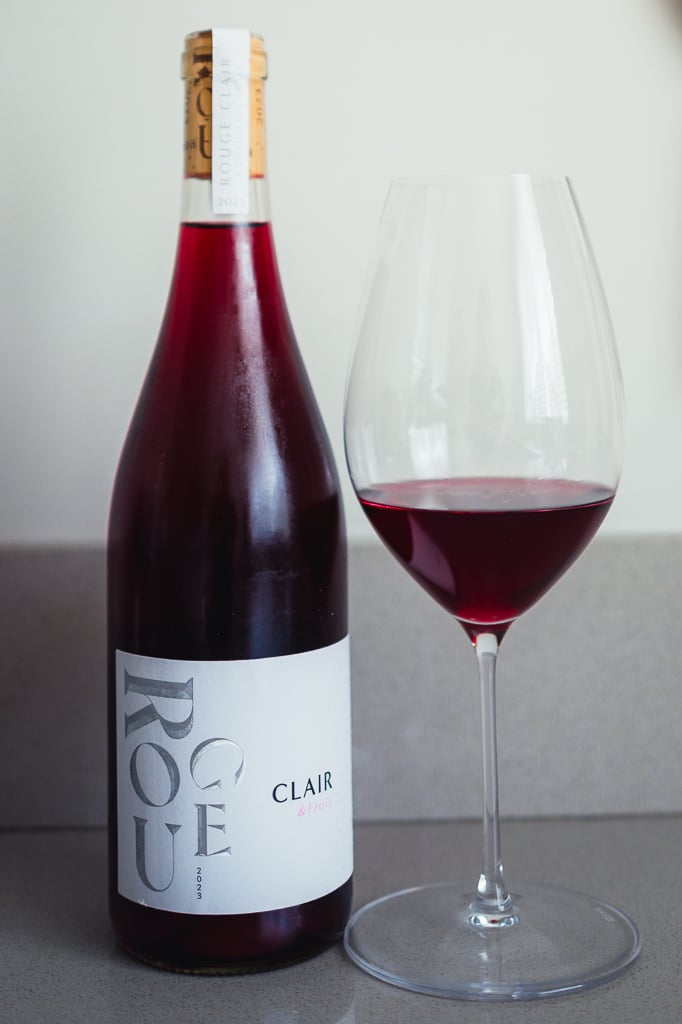
Ruby with raspberry tint. In the glass strawberry, raspberry, blueberry, plum, behind a herbal range of thyme, sage, mint, rosemary, with cedar and acacia blossom. The palate is fresh and clear, lots of red fruit with a touch of black, the same herbs back, soft tannins, long pleasant finish.
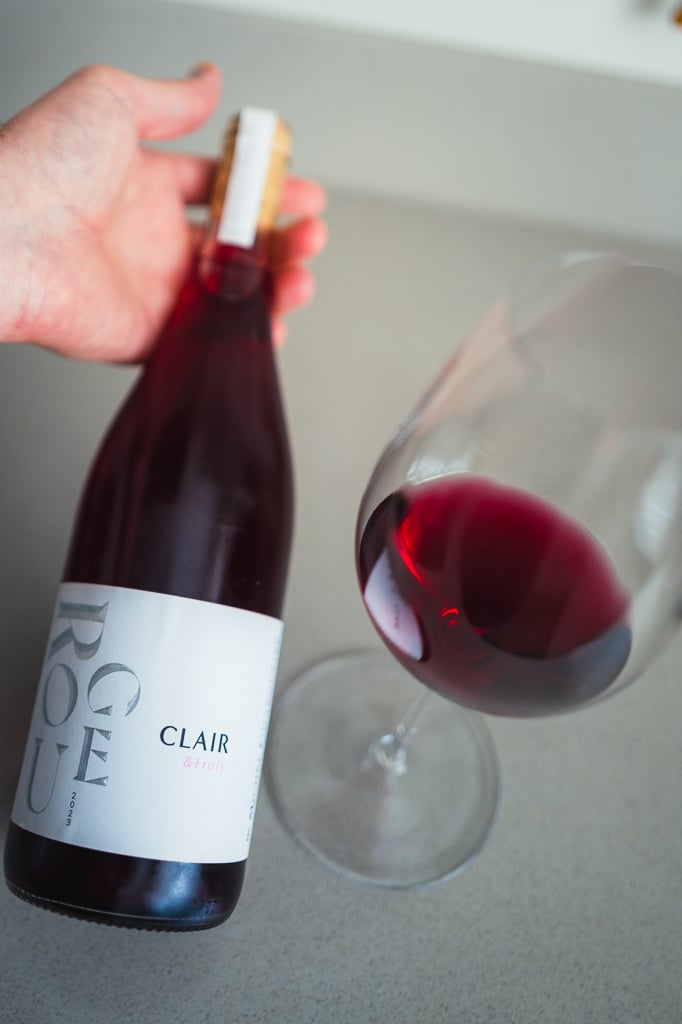
At 10°C the “Frais” label lights up; if the label stays dark, the wine is still too warm. Pour at that temperature, no warmer.
At the table
Asian chicken with peanut sauce, grilled tuna, smoked salmon, pâté en croûte, charcuterie, grilled vegetables. Works where rosé doesn’t fit by colour and a classic red is too heavy. Across Tain-l’Hermitage you can now order it on virtually every terrace (note from Monique Dassen, July 2024).
Verdict
Not a classic Rhône approach, and that’s exactly the point. Vin de France gives Chapoutier the freedom appellation rules would block here, and Rouge Clair fits modern eating and drinking without the stylistic boxes of rosé.
The condition is the temperature. Chapoutier built this wine around ten degrees and put a thermochromic label on the bottle to enforce it. Above twelve you are no longer drinking what the producer intended, which makes it the wrong bottle for a long warm afternoon with the bottle sitting out of the cooler.
More information: chapoutier.com. Thanks to Michel Chapoutier for the bottle and to Martin for the masterclass.
Sources
- Inter Rhône: vins-rhone.com
- INAO: inao.gouv.fr
More on Wine Review
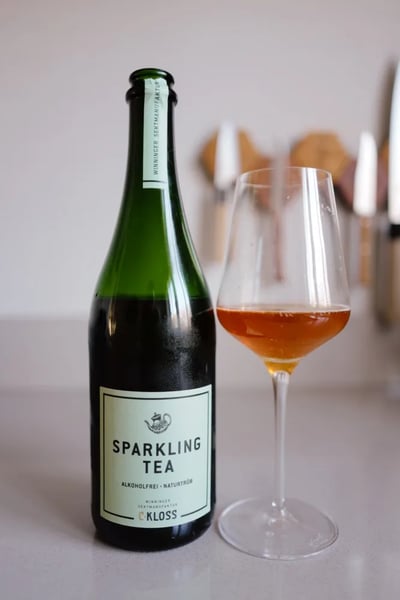
C. Kloss Sparkling Tea Weiss: Fermented Celery
Non-alcoholic sparkling tea Weiss from C. Kloss: linden blossom, nettle and fermented celery. Dry, 2.7 g sugar per 100 ml, €14.99 at Amavine.
Read on →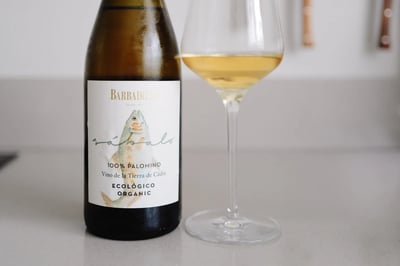
Barbadillo Sábalo: Organic Palomino Without Flor
Organic Palomino Sábalo from Barbadillo: no flor, salt from albariza soil. Chamomile, apple, sea. €17.95 at Granada Wijnen, with discount code.
Read on →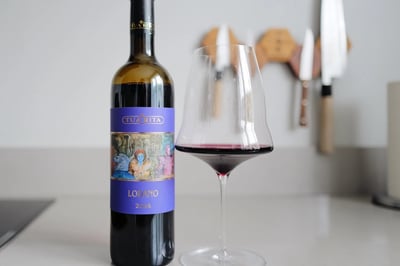
Tua Rita Lodano Rosso 2024: Petit Verdot Leads
A €50.95 Super Tuscan built on 60 percent Petit Verdot and 18 months of barrique. Why I chill it, decant it and never drink it without food.
Read on →