

Chapoutier Braille Hermitage: Wine For All Senses
M. Chapoutier honours two centuries of Braille with a special Hermitage 2022. A wine you read with eyes or fingertips, and taste with conviction.

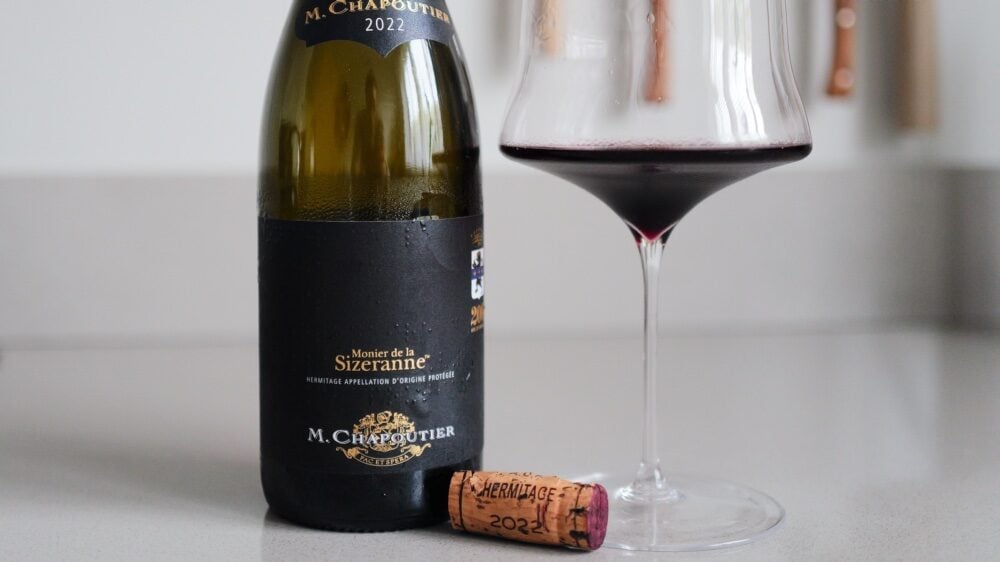
My fingers ran across the dots on the label before my eyes read it. That was the whole point.
The Monier de la Sizeranne 200 Years of Braille edition from M. Chapoutier isn’t a regular Hermitage. It’s a bottle that tells two stories at once: that of a Northern Rhône house that has put Braille on every label since 1996, and that of Maurice Monier de la Sizeranne, the blind French pioneer who helped popularise the French Braille system around the turn of the twentieth century. This 2022 celebrates two hundred years of Braille and pays him tribute.
This bottle was sent to me by M. Chapoutier. I thank the house for the gesture and for the chance to taste this special edition. What follows is my independent assessment.
Accessibility in a Visual Industry
Wine is almost obsessively visual. Label design, colour assessment, decanter light, glass shape, everything is about what you see. Chapoutier has been out of step with that picture for nearly thirty years. Since 1996, every bottle from the house carries a Braille indication of the wine region and the cuvée. Not a marketing stunt, just standard practice.
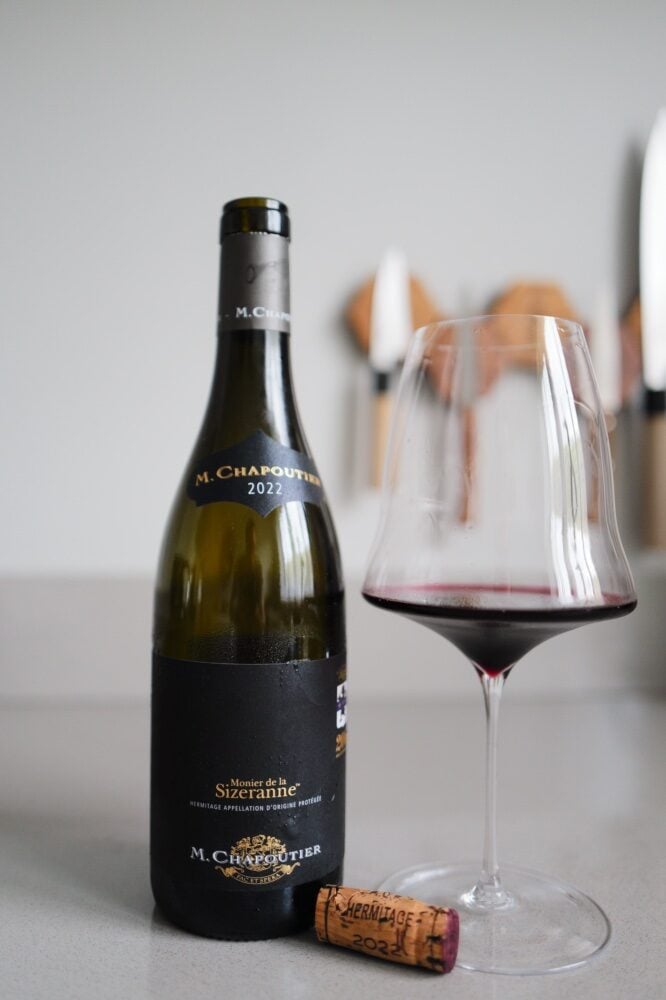
For this special edition the gesture goes further. The Monier de la Sizeranne is a prestige cuvée within Chapoutier’s Hermitage portfolio, and the 2022 is a tribute to two centuries of Braille. The question that matters to me: does the wine itself stand up? Access to a mediocre bottle has its own meaning, but it isn’t necessarily a reason to buy.
Three Sectors, One Glass
The wine is 100% Syrah from three sectors within Hermitage: Les Bessards, Le Méal and Les Greffieux. Each sector has its own geological signature. Bessards is decomposed granite and provides structure. Méal adds loess and alluvium and delivers fruit. Greffieux contributes poudingue, a conglomerate rock of rounded pebbles, and brings elegance and length.
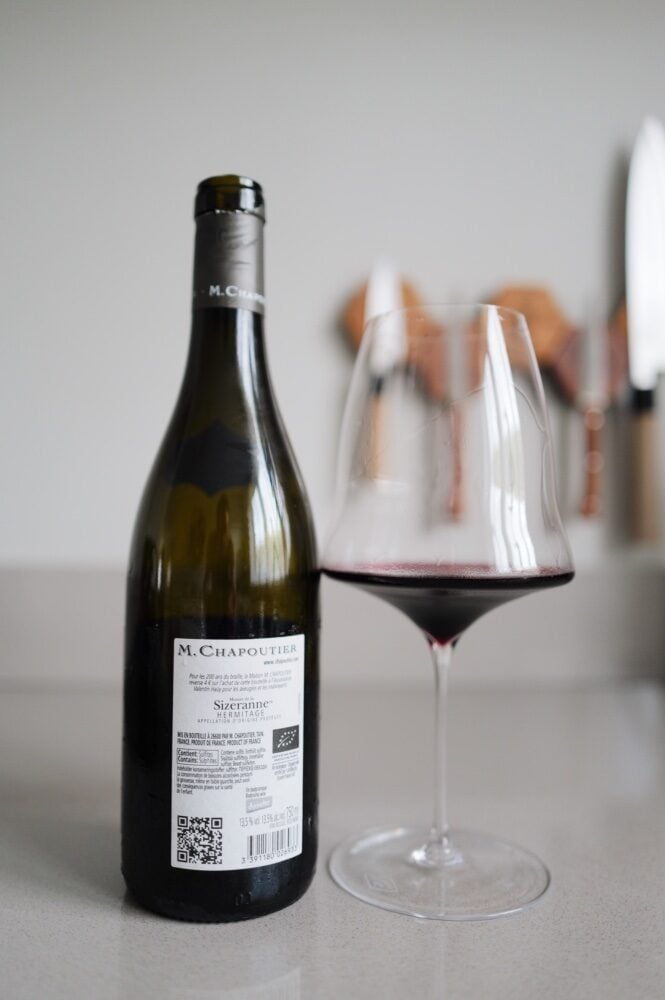
This kind of cross-parcel assemblage is characteristic of the Monier de la Sizeranne cuvée. It produces a rounder, more balanced wine than a single parcel. It costs something in terroir expression: you get a composite picture rather than the pure stamp of one soil type.
From Vine to Bottle
Hand-harvested at optimal maturity, destemmed, fermented in small concrete vats with indigenous yeasts. Three to four weeks of maceration for colour and tannin, then around eighteen months of ageing in a mix of wooden casks and barrels. Fifteen percent new oak. Sulphur use stays restrained.
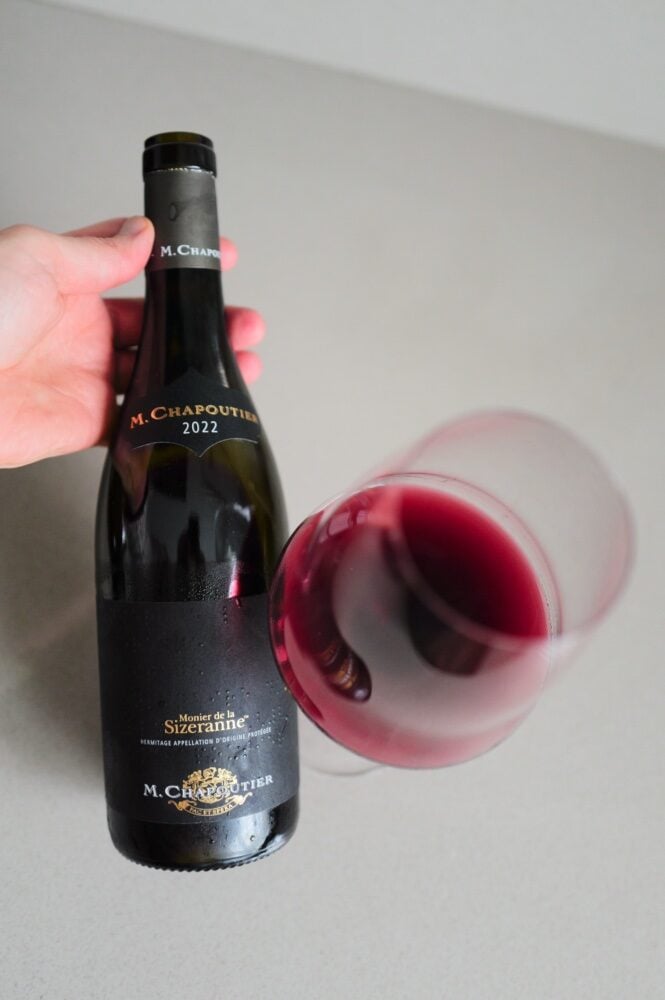
This is classic Chapoutier work. Not labelled biodynamic on this specific cuvée, but the house has farmed biodynamically since 1996. The approach is consistent: let the terroir speak, intervene as little as possible, respect what the vineyard delivers.
In the Glass
Deep garnet in the glass. The nose opens with bright red fruit, raspberry, redcurrant, a touch of blackcurrant, and a subtle liquorice note. As the wine opens, white pepper appears alongside a thin layer of that characteristic Northern Rhône meaty quality.
On the palate: round attack, full but polished tannins, fresh acidity holding everything in line. Fifteen percent new oak is noticeable without dominating. The mid-palate is ripe and meaty with good definition.
To be honest: the finish is moderate in length for a Hermitage at this price point. Pleasant with blackcurrant, raspberry and pepper spice, but not the very long finish you’d expect from a top-cru Hermitage. Anyone familiar with single-parcel Hermitages such as La Chapelle or Chapoutier’s own Le Pavillon will find less concentration and less ageing potential here. That’s the cost of the assemblage format.
What it does deliver: a drinkable, balanced Hermitage that’s already good and will probably develop for another five to eight years. Not a wine for the twenty-year cellar, but a strong table wine for substantial dishes.
Food Pairing
Chapoutier’s own suggestion: grilled beef flank with creamy pepper sauce and roasted sweet potatoes. That works, the fruit concentration and pepper spice in the wine reinforce the dish without overwhelming it.
My additions: aged duck with cherry, slow-cooked lamb shoulder with rosemary, or a simple steak frites if you want the wine front and centre. Avoid lighter fish or subtle cheeses, those lose against the Syrah’s structure.
Serve at 16–18°C. Decant 30 minutes before serving; this wine opens noticeably with air.
The Verdict
The Monier de la Sizeranne 200 Years of Braille edition 2022 does two things at once. As a wine it is well made, balanced, classic Hermitage in accessible form, without demanding a decade of cellaring. As a statement it reminds us that fine wine is a luxury that ought to be readable by everyone, literally.
It doesn’t reach the heights of Chapoutier’s single-parcel cuvées, and it doesn’t need to. For a drinkable, classically built Hermitage with a thoughtful extra layer, it delivers what it promises.
Whether you read this label with your fingertips or your eyes, you encounter a wine that stands for the conviction that great wine should not be a visual luxury.
This bottle was sent to me by M. Chapoutier. With thanks to the house for the gesture and the opportunity to taste this edition. My assessment is entirely independent.
Sources
- Inter Rhône: vins-rhone.com
- INAO: inao.gouv.fr
More on Wine Review
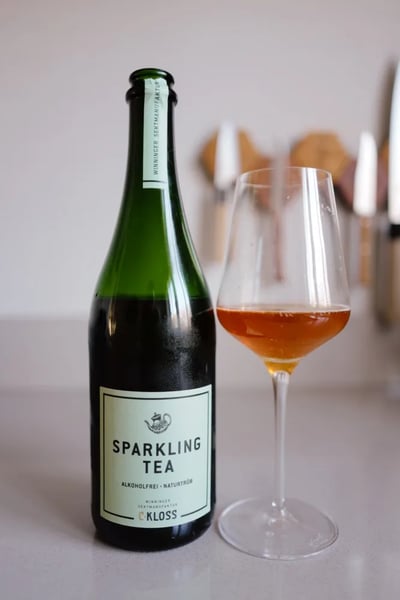
C. Kloss Sparkling Tea Weiss: Fermented Celery
Non-alcoholic sparkling tea Weiss from C. Kloss: linden blossom, nettle and fermented celery. Dry, 2.7 g sugar per 100 ml, €14.99 at Amavine.
Read on →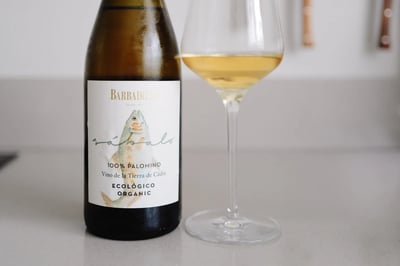
Barbadillo Sábalo: Organic Palomino Without Flor
Organic Palomino Sábalo from Barbadillo: no flor, salt from albariza soil. Chamomile, apple, sea. €17.95 at Granada Wijnen, with discount code.
Read on →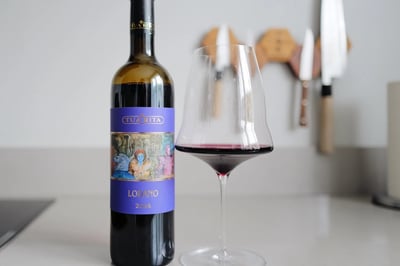
Tua Rita Lodano Rosso 2024: Petit Verdot Leads
A €50.95 Super Tuscan built on 60 percent Petit Verdot and 18 months of barrique. Why I chill it, decant it and never drink it without food.
Read on →