

Montepulciano Riserva Spelt 2020: Elegance Meets Power
La Valentina's Spelt Riserva 2020 scores 92+ at Vinous, 93 at Suckling. A Montepulciano that pairs power with restraint.

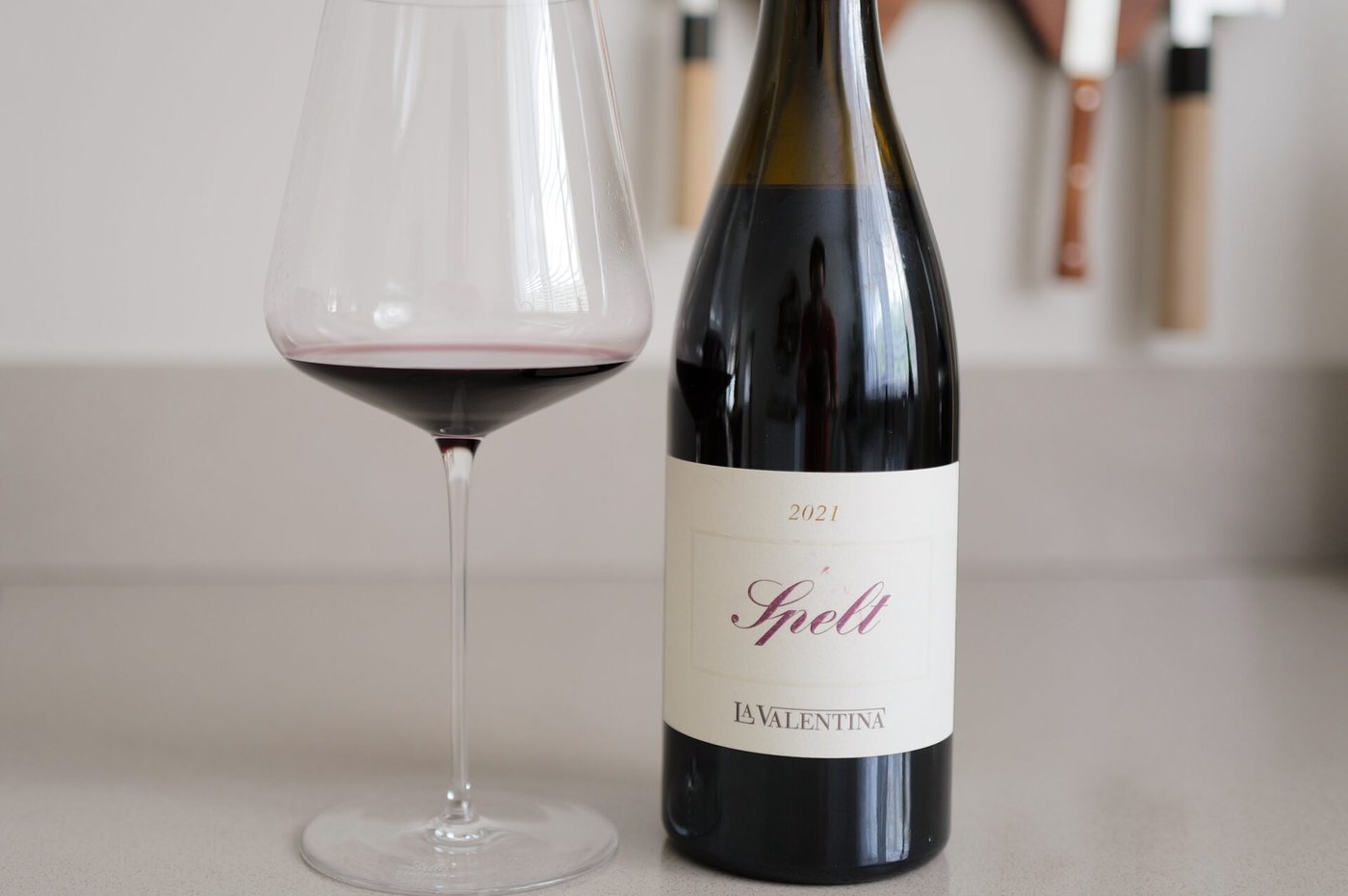
A vineyard of just 20 hectares, yields cut to half of what the DOC allows, vines up to 47 years old. That’s the starting point for La Valentina’s Spelt Riserva, and it explains why critics keep giving it 92+. The 2020 picked up 93 from James Suckling, 92+ from Vinous and 93 from Falstaff.
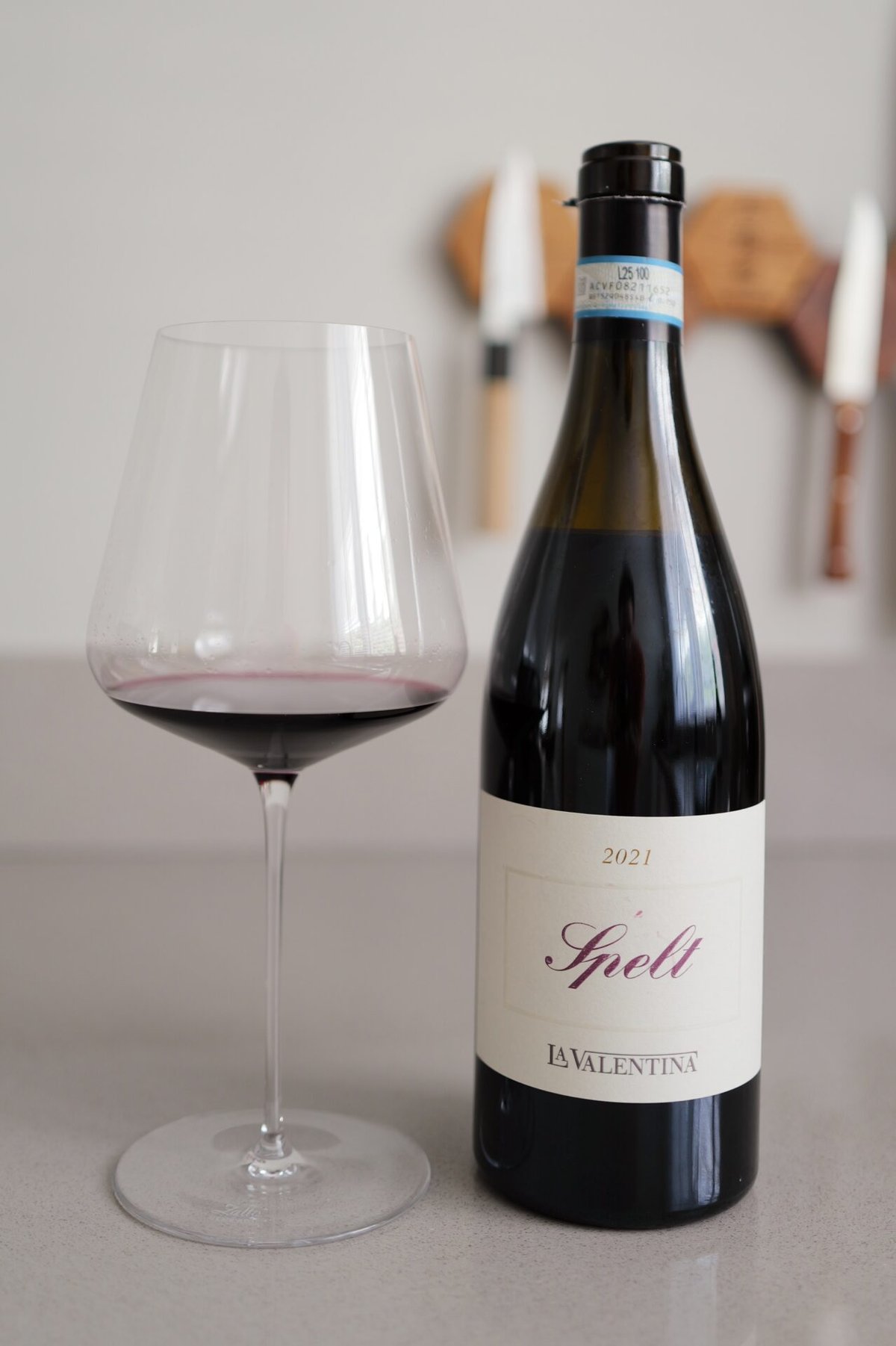
The name comes from spelt, the ancient grain that thrives in the Abruzzo hills. La Valentina’s data sheet gives 1987 as the first vintage. The estate itself says it started in 1990, so I can’t tell which year is right.
The vineyards
The parcels sit across Spoltore, San Valentino and Scafa, between 150 and 400 metres above sea level. Vines range from 10 to 47 years old. Fifty hectolitres per hectare; the DOC allows a hundred. Hand harvest in late September or early October, picking on phenolic ripeness rather than sugar alone.
Winemaking
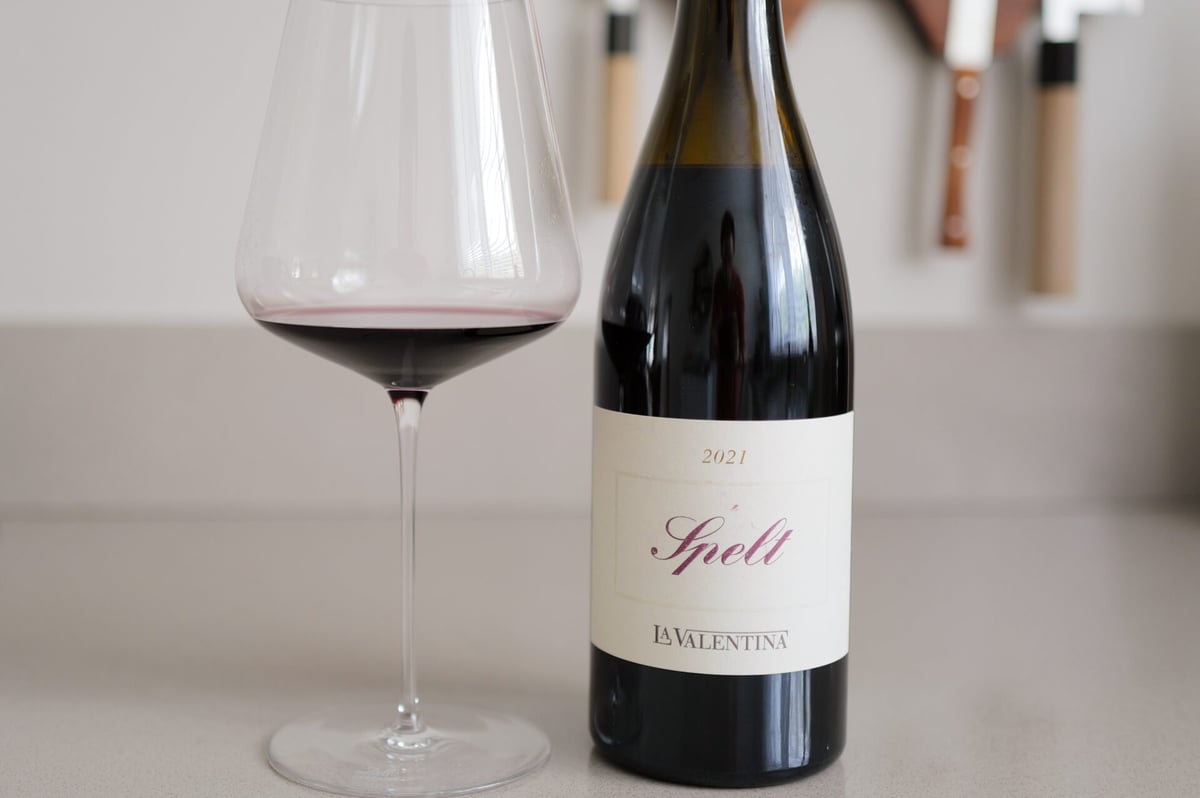
Three weeks fermentation in stainless steel with extended maceration. Then 16 months élevage in a mix of 25-hectolitre Slavonian botti, barriques and tonneaux, both new and second use. Final rest in large oak, then a minimum six months in bottle before release. Production: 65,000 bottles, including magnum, double magnum and jéroboam.
Tasting the 2020
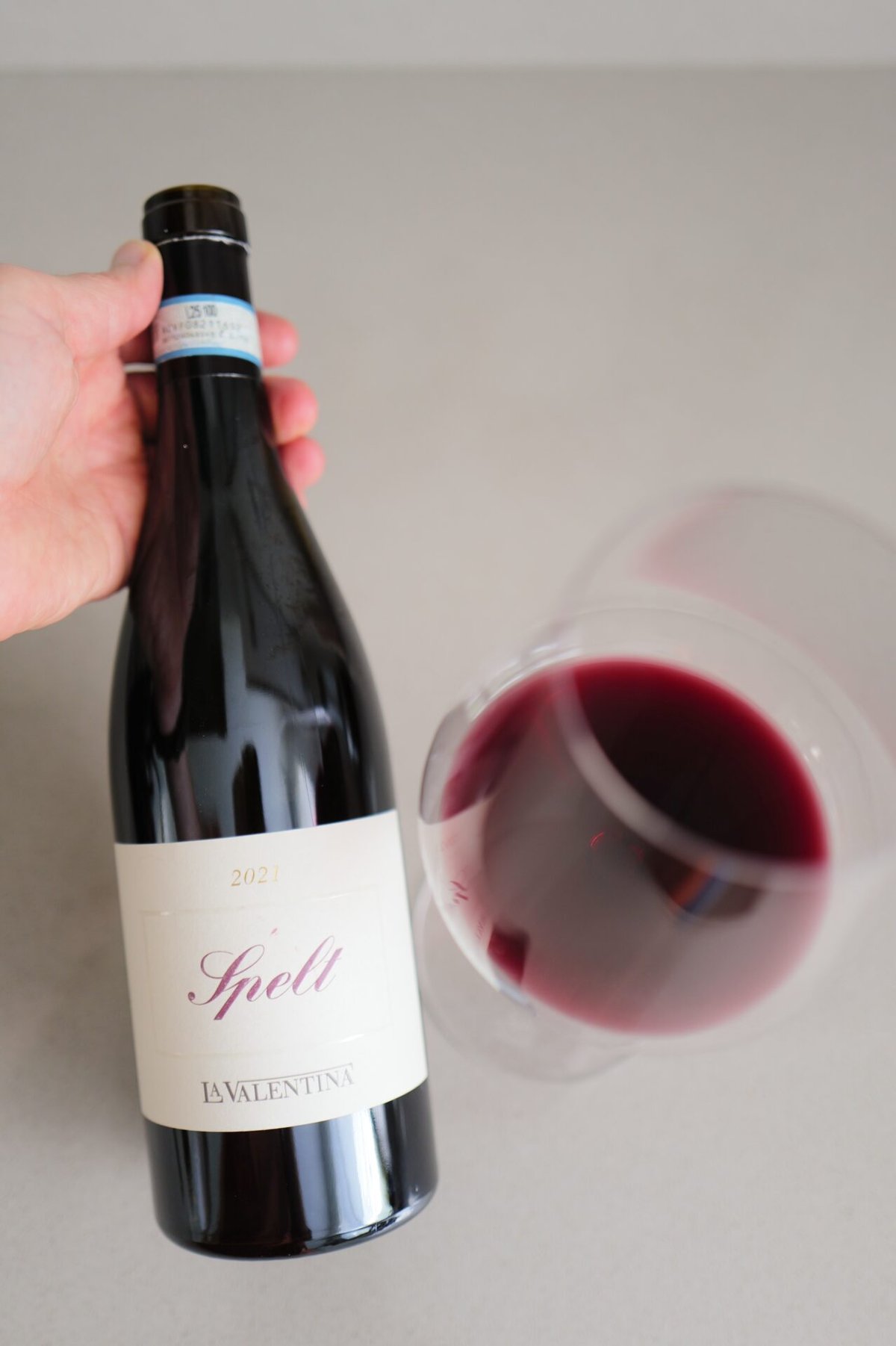
Deep ruby with the first garnet reflections you’d expect after four years. The nose carries dark cherry and plum, leather, tobacco and a herbal underlay of bay and black pepper. No oak overload; the wood sits beneath the fruit instead of on top.
The palate is velvet. Tannins are ripe, supportive rather than pushy. Blackberry and cherry weave into earth, herbs and a subtle cocoa note. Acidity stands tall, which is unusual for warm vintages in Montepulciano. The finish runs long, clean, with a saline bite that pulls you back for the next sip.
At the table
Roast lamb with rosemary. Brasato al Montepulciano. Local arrosticini. Pasta with wild boar ragù, or a truffle pasta with butter and parmesan. For cheese: aged Pecorino di Farindola, mature Parmigiano, or an Abruzzese caciotta. Skip lighter dishes; this wine needs fat and salt to shine.
Cellar potential
The 2020 drinks beautifully now and will keep developing for another decade. Earlier vintages (2017, 2015) confirm the structure holds up over time. At €25-30 on the Italian market, it’s one of the best value-per-bottle picks in the Abruzzo top tier.
Sources
- Consorzio Tutela Vini d’Abruzzo: vinidabruzzo.it
More on Wine Review
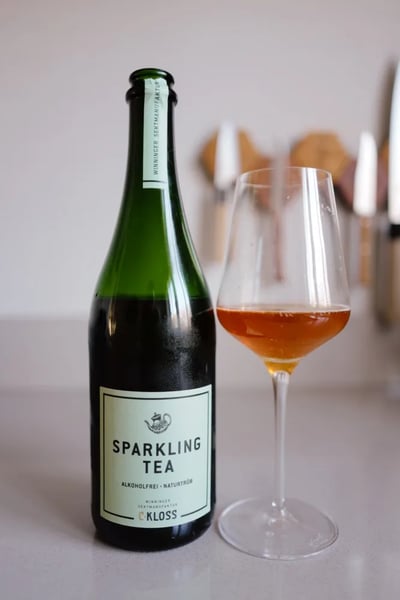
C. Kloss Sparkling Tea Weiss: Fermented Celery
Non-alcoholic sparkling tea Weiss from C. Kloss: linden blossom, nettle and fermented celery. Dry, 2.7 g sugar per 100 ml, €14.99 at Amavine.
Read on →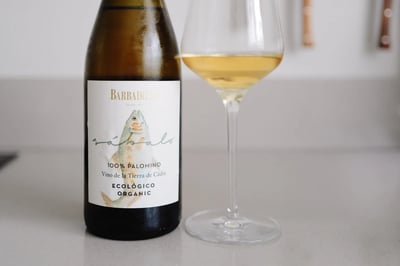
Barbadillo Sábalo: Organic Palomino Without Flor
Organic Palomino Sábalo from Barbadillo: no flor, salt from albariza soil. Chamomile, apple, sea. €17.95 at Granada Wijnen, with discount code.
Read on →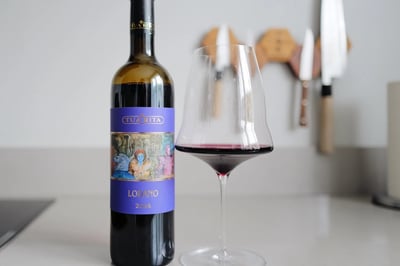
Tua Rita Lodano Rosso 2024: Petit Verdot Leads
A €50.95 Super Tuscan built on 60 percent Petit Verdot and 18 months of barrique. Why I chill it, decant it and never drink it without food.
Read on →