

Les Jardins En-Chantants: Biodynamic Alsace Wines
Three bottles from Les Jardins En-Chantants in Alsace tasted: biodynamic approach, artistic labels, and what sets these wines apart.
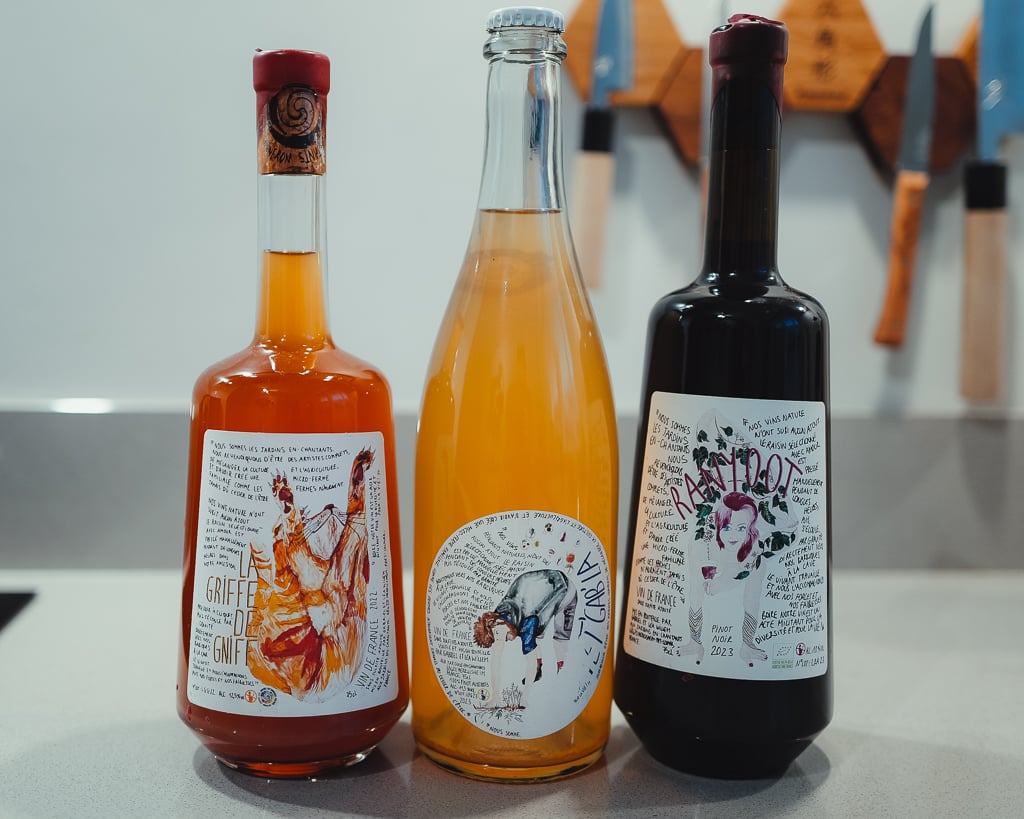
Three bottles from Alsace land on my tasting table, and within an hour my picture of the region has shifted. Les Jardins En-Chantants is a small estate near Colmar, run by Léa and Gabriel Willem, who position themselves as artists who happen to make wine. That is a claim worth pressure-testing in the glass. When a producer leans this hard on the art-meets-agriculture framing, the only honest question is whether the wine stands up without the concept attached.
A natural approach to winemaking
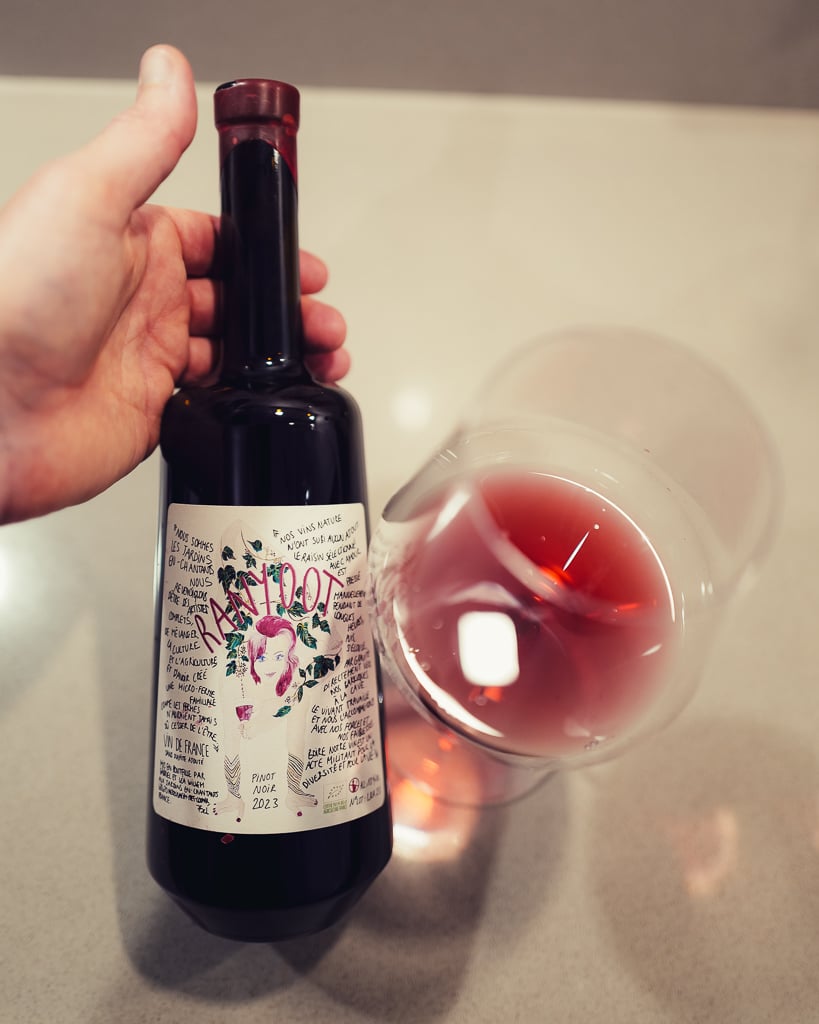
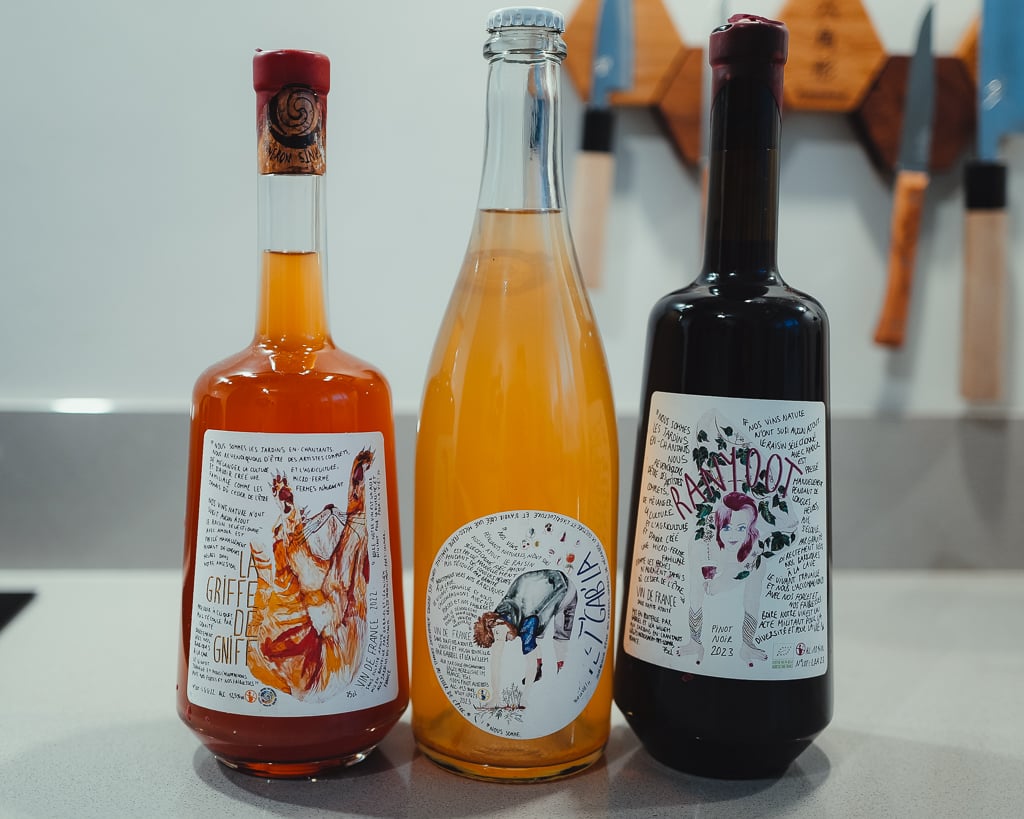
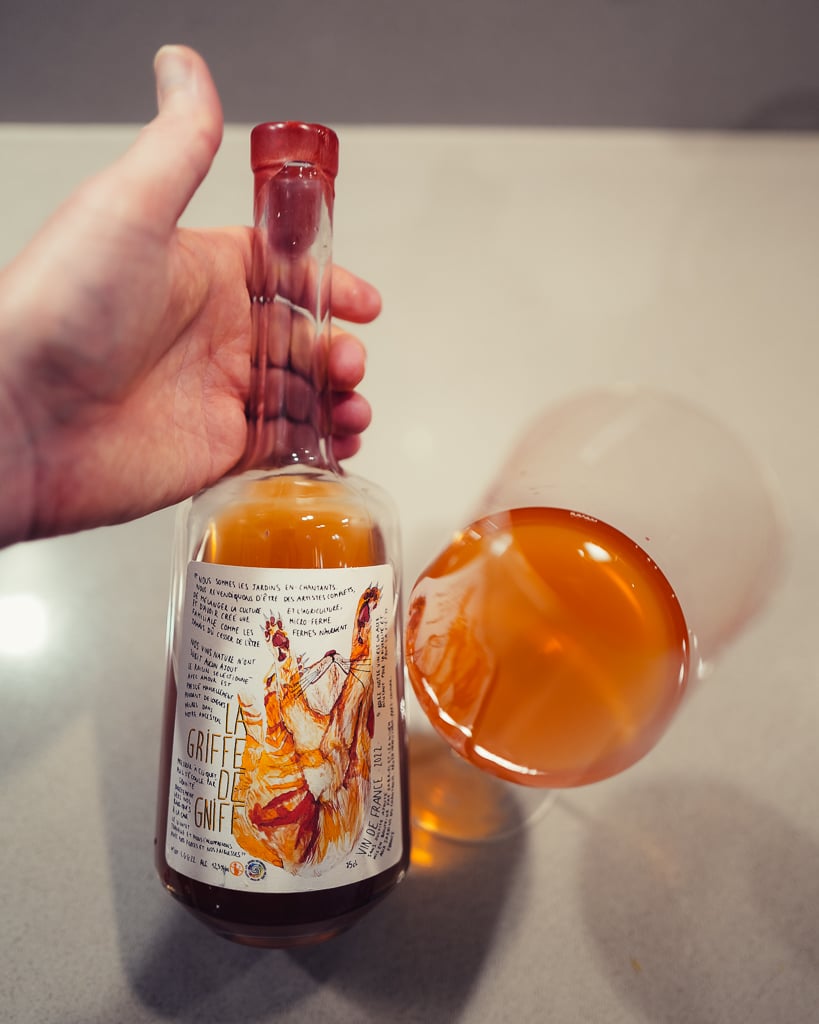
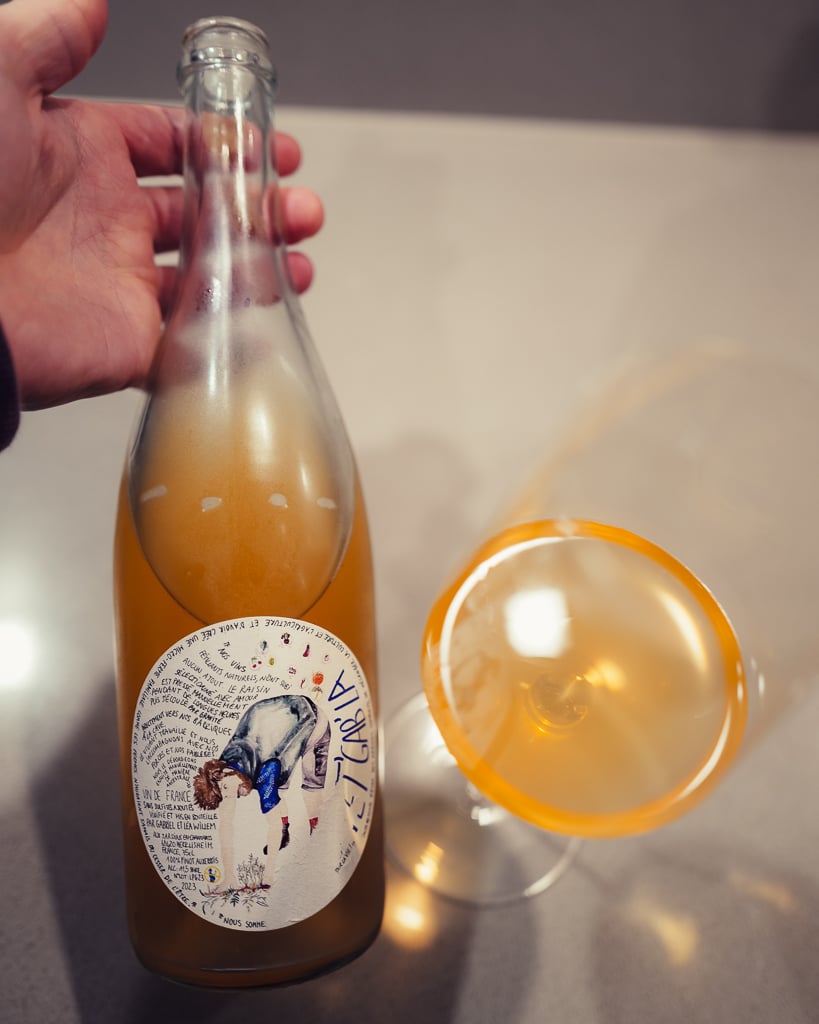
The three bottles in front of me show how far the estate goes with hands-off winemaking. Their orange wine La Griffe de Gniff 2022 blends Muscat, Gewurztraminer, Pinot Blanc and Pinot Gris. The Pet’Gab’La 2023 is a pétillant naturel from 100% Pinot Auxerrois, and the Ranyoot 2023 is a red made from pure Pinot Noir using semi-carbonic maceration. No sulfites, no filtering, no fining.
They press by hand on an old ratchet press, working it for hours. The juice flows by gravity straight into the cellar. Maceration varies per cuvée: 21 days for La Griffe de Gniff, 29 days of semi-carbonic for the Ranyoot.
The artist-farmers’ philosophy
“We claim to be complete artists, mixing culture and agriculture,” the Willems say. It reads like a tagline, but you can taste it in the choices: a micro family farm, small parcels, no machines where they don’t have to be. Their natural-wine commitment is not a technical preference but a position on biodiversity and soil life.
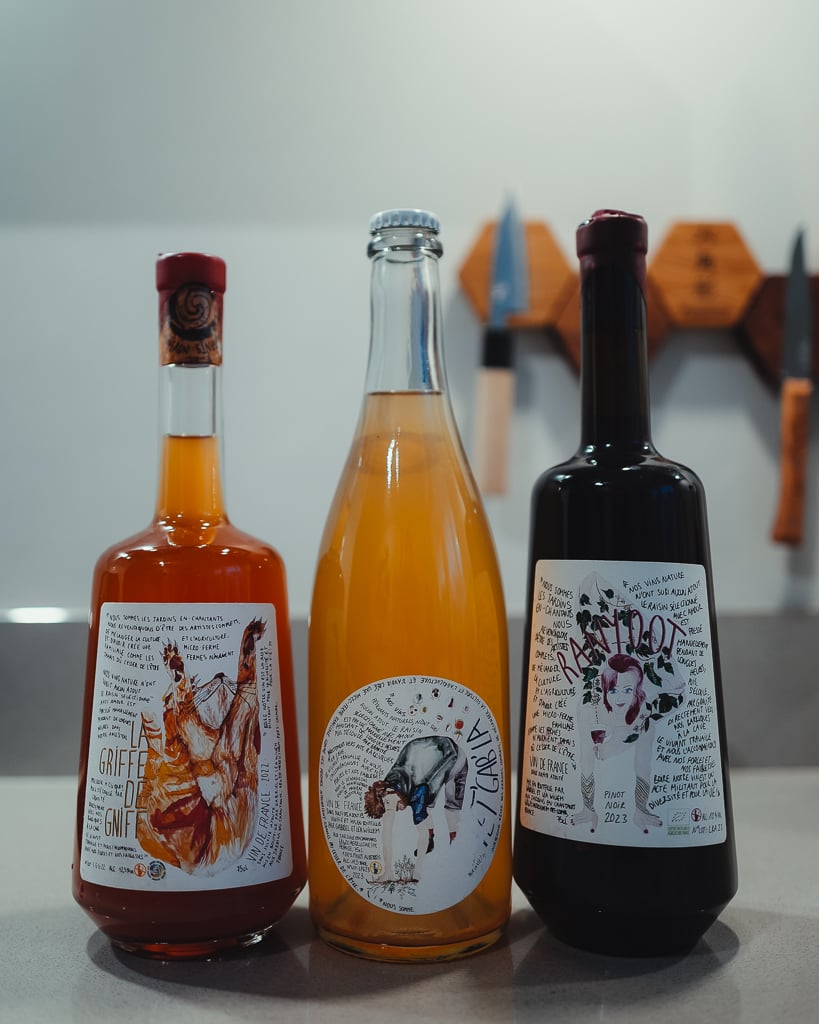
As neo-vignerons, Léa and Gabriel had to fight for ground in a Colmar region where every usable parcel is already spoken for. They started from zero and built a patchwork piece by piece, some plots 300 kilometers away, others closer to home. Slopes that bigger producers walked away from because mechanization is impossible, they took those on.
The vineyards: a mosaic of terroirs
The parcels for La Griffe de Gniff sit across Zellenberg, Nothalten, Winzenheim, Blienschwiller and Rouffach, with soils ranging from limestone to clay and loam. That spread comes through in the wine. Their newer venture in Quincié-en-Beaujolais, at 450 meters altitude, adds Gamay to the lineup.
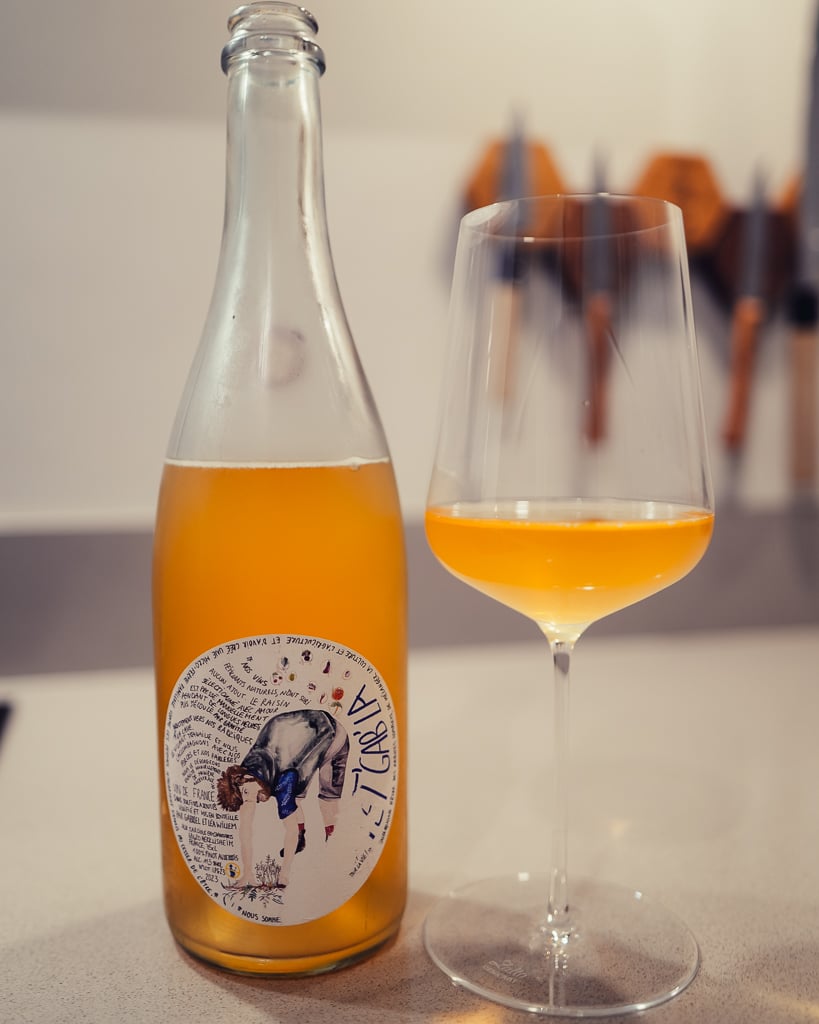
For the Ranyoot Pinot Noir they picked parcels with older vines that give depth without weight. The Pet’Gab’La comes from Nothalten’s Sommerain lieu-dit, where sandy-limestone soils give the Pinot Auxerrois a saline tension.
Tasting notes
With these three wines in front of me, the orange wine pulled my eye first because of its color. The pét-nat was still ticking, so I braced for a gusher when I cracked it open. It behaved.
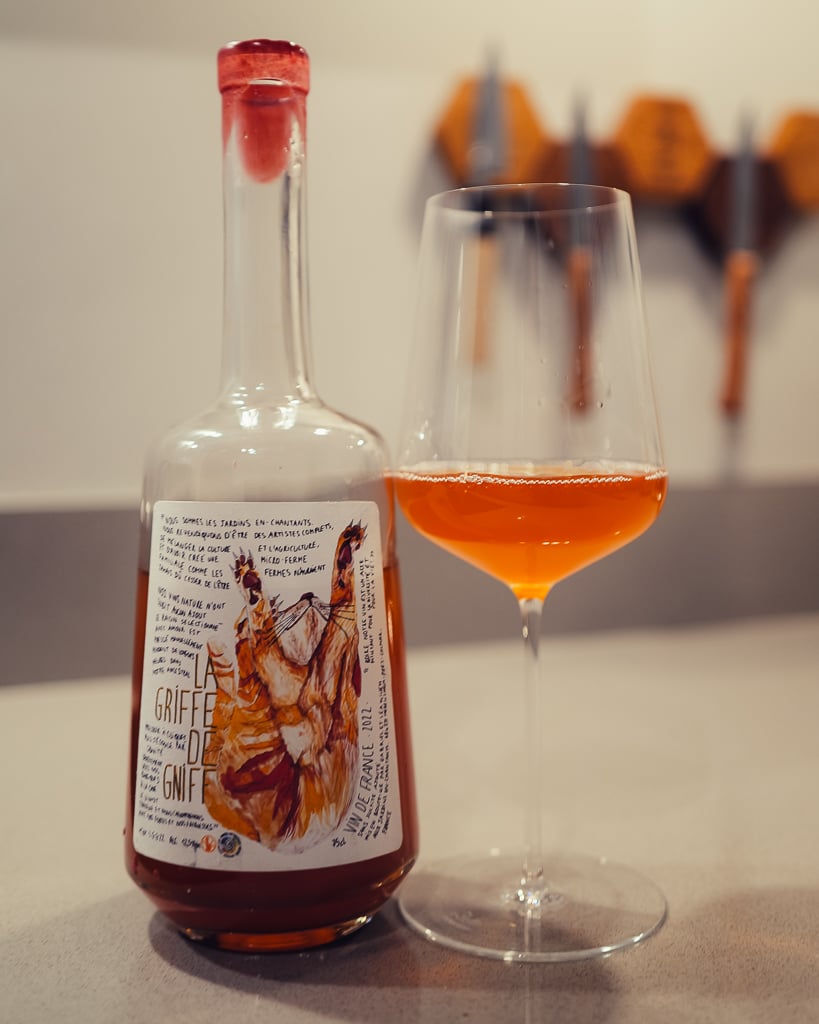
La Griffe de Gniff 2022 (orange wine)
A blend of Muscat, Gewurztraminer, Pinot Blanc and Pinot Gris, 21 days on the skins, no additives, unfiltered. Luminous amber-brown in the glass, with a complex bouquet of buttered toast and exotic fruit. The acidity plays nicely against bitter notes on the finish, and the integration between the four varieties is unusually tight. Pour it with lacto-fermented vegetables, kimchi above all. Twelve months on fine lees in pear-shaped barrels.
Pet’Gab’La 2023 (pétillant naturel)
100% Pinot Auxerrois, direct pressing, no additives, hand-disgorged. Deep yellow with a fine, persistent bead, and a nose of pear, pineapple and acacia flower. The attack is supple, the length impressive for a pét-nat. Six months on lees before disgorgement. Spring salads with nuts and edible flowers fit the bill.
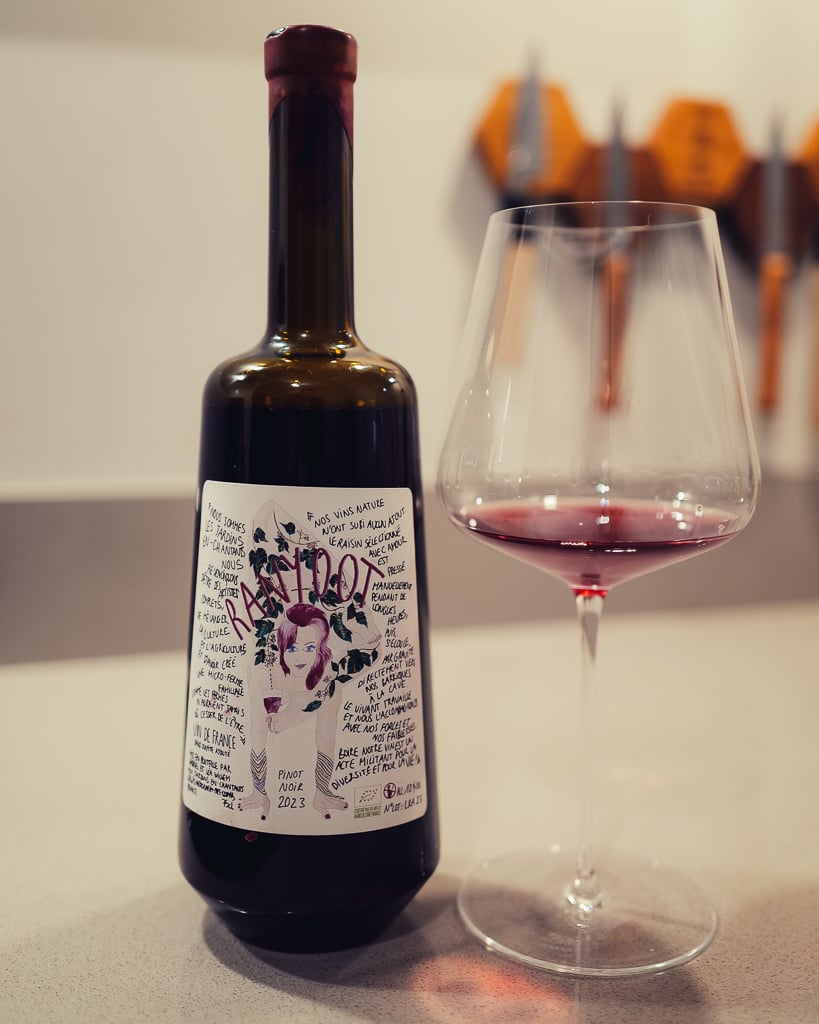
Ranyoot 2023 (red wine)
100% Pinot Noir, 29 days of semi-carbonic maceration, no additives. Deep ruby with violet highlights, and a clean nose of red berries with a subtle earthy underlayer. The semi-carbonic gives lift without stripping the variety’s elegance, which is the whole point here. Serve slightly chilled at 14-16°C with mushroom risotto or seared duck breast.
Recent developments
What started with parcels 300 kilometers out is gradually consolidating; some new pieces sit just ten kilometers from the estate. Their preference for abandoned plots that resist mechanization translates to more handwork and lower yields. The Ranyoot 2023 adds a serious red to a portfolio that until now leaned on whites, oranges and sparklers. That they pulled off pure Pinot Noir at this level suggests there is more coming.
Concluding thoughts
Three bottles in, the question I started with has answered itself. The wines stand up on their own, with or without the artist framing. Léa and Gabriel hold on to parcels others gave up on, and to a method that leaves no room for cosmetic fixes. For anyone hunting Alsatian wine that steps off the beaten path, this is an address worth remembering.
Thanks for sending me these bottles, Les Jardins En-Chantants!
More information about Les Jardins En-Chantants: https://www.lesjardinsenchantants.com
Sources
- Domaine Les Jardins En-Chantants (official, biodynamics, grapes, cuvées): lesjardinsenchantants.com
- CIVA: Conseil Interprofessionnel des Vins d’Alsace: vinsalsace.com
- Demeter International: biodynamic certification: demeter.net
More on Winemaker
Biodynamic tasting calendar: does the fruit day hold?
A reel from Ploder-Rosenberg says wine shows best on fruit and flower days. The biodynamic tasting calendar sounds logical. The blind tasting says otherwise.
Read on →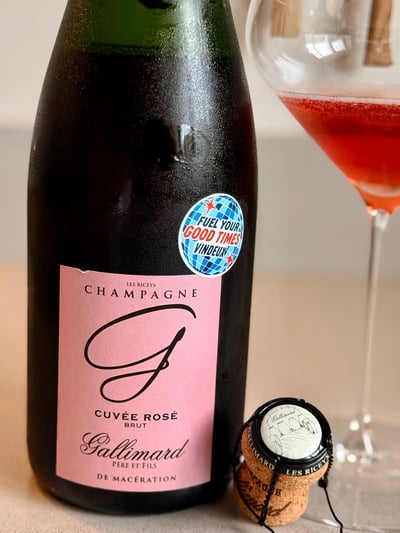
Champagne Gallimard: Six Generations in Les Riceys
Two Gallimard bottles from a July subscription box. A solera running 2009 to 2022, hand disgorgement, and a label code that says something the story doesn't.
Read on →
Podere Sapaio: Bordeaux on the Bolgheri coast
Podere Sapaio makes Bordeaux blends in Bolgheri, with time as its guiding principle and concrete beside wood in the cellar. A portrait after La Grande Bellezza.
Read on →