

Gusbourne and the Case for English Sparkling Wine
Gusbourne's Fifty One Degrees North reached number two on the Wine Enthusiast Top 100. Laura Rhys MS on Kent, Sussex, estate fruit and the four core wines.

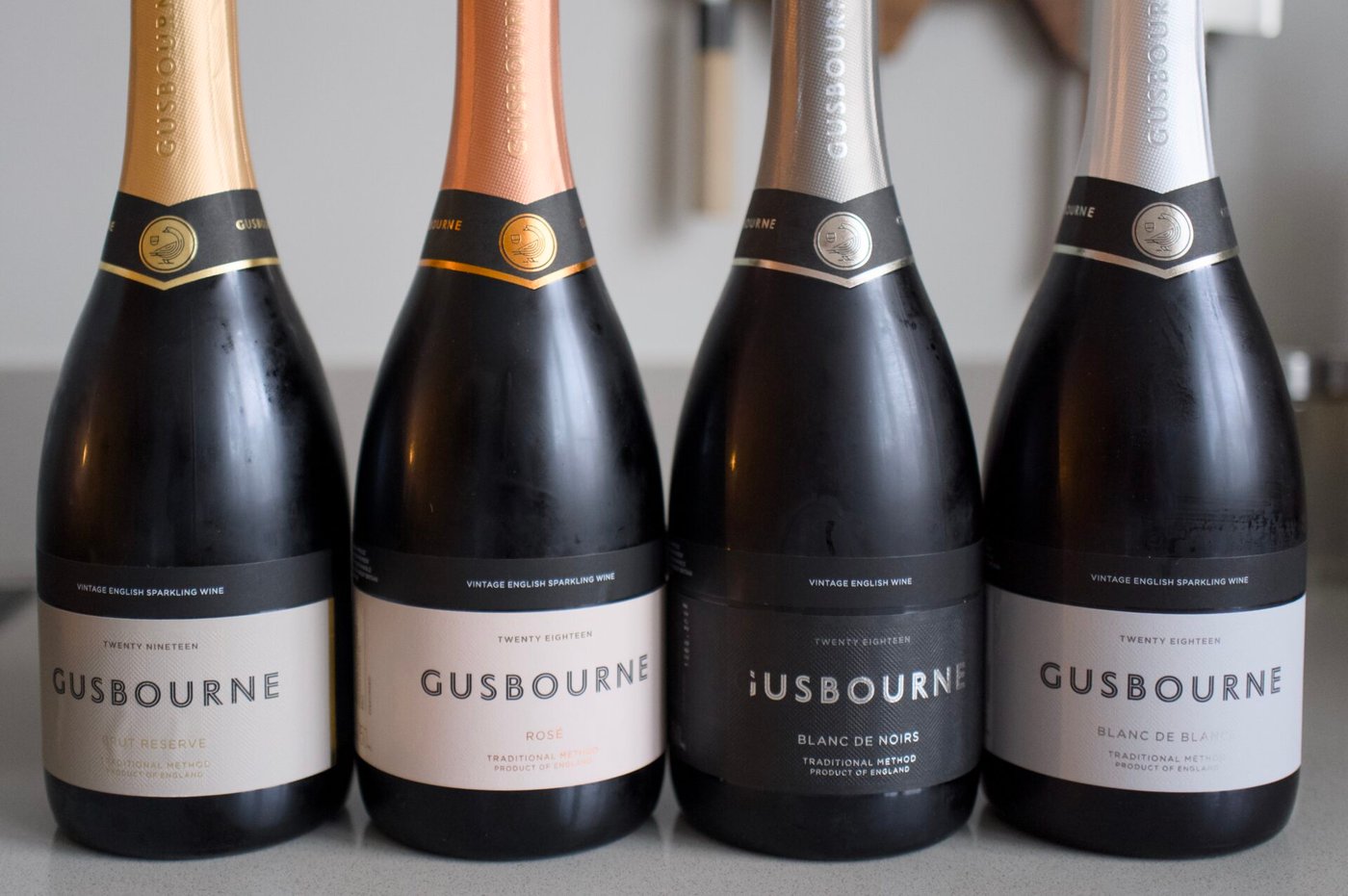
Wine Enthusiast put Gusbourne’s Fifty One Degrees North at number two on its annual Top 100, and according to Laura Rhys of Gusbourne it was also the highest-placed sparkling wine on the list. According to Laura, no English wine had made the Top 100 before. I spoke to Laura for Sparks by VinoVonk and tasted four bottles from the core range. Where Gusbourne describes itself here, the words are hers.
Estate fruit, vintage only
Andrew planted the first vines in 2004, aiming to make wine that could stand alongside the best in the world. The first vintage followed in 2006. Gusbourne buys no fruit and makes only vintage wine, with no non-vintage at all. Laura says that began out of necessity, as there was no wine to spare for reserves in the early years. They kept it up because they wanted every bottle to show their vineyards in a single year.
There are 60 hectares in Kent and 30 in Sussex. That sounds like a lot, but the vines are planted wide, two metres by one, so light and air can move between the rows. Yields are kept low on top of that.
Clay in Kent, chalk in Sussex
The Kent vineyards lie about six miles inland from the Channel, roughly 40 metres above sea level, in what Laura calls the warmest, driest corner of the country. The soils are clay and sand, and she credits them with the ripeness and weight that define the house style. In Sussex, taken on around ten years later, the vines sit higher and on chalk. That fruit brings racier acidity and more precision.
Both regions lie within the Paris Basin, as Champagne does. England is cooler and more maritime, though. Laura finds the fruit in English wine more lifted, and says the yeasty, autolytic notes can take longer to come through.
The vineyards hold around 40 clones, mostly Burgundian and Champagne. Each block is vinified separately, which gives about 200 base wines per vintage. Laura grades them with head winemaker Mary and two colleagues, no more than 15 a morning because the acidity is so high at that stage. The final blend is Mary’s decision.
The range
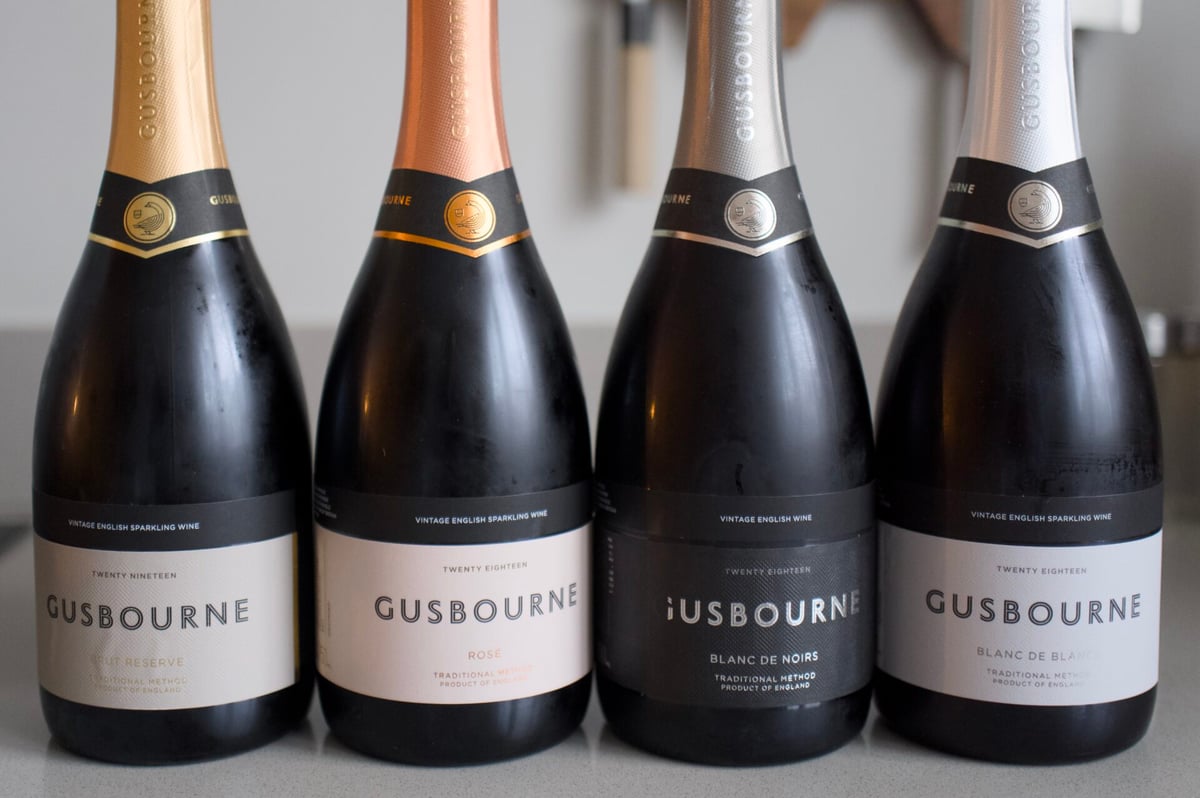
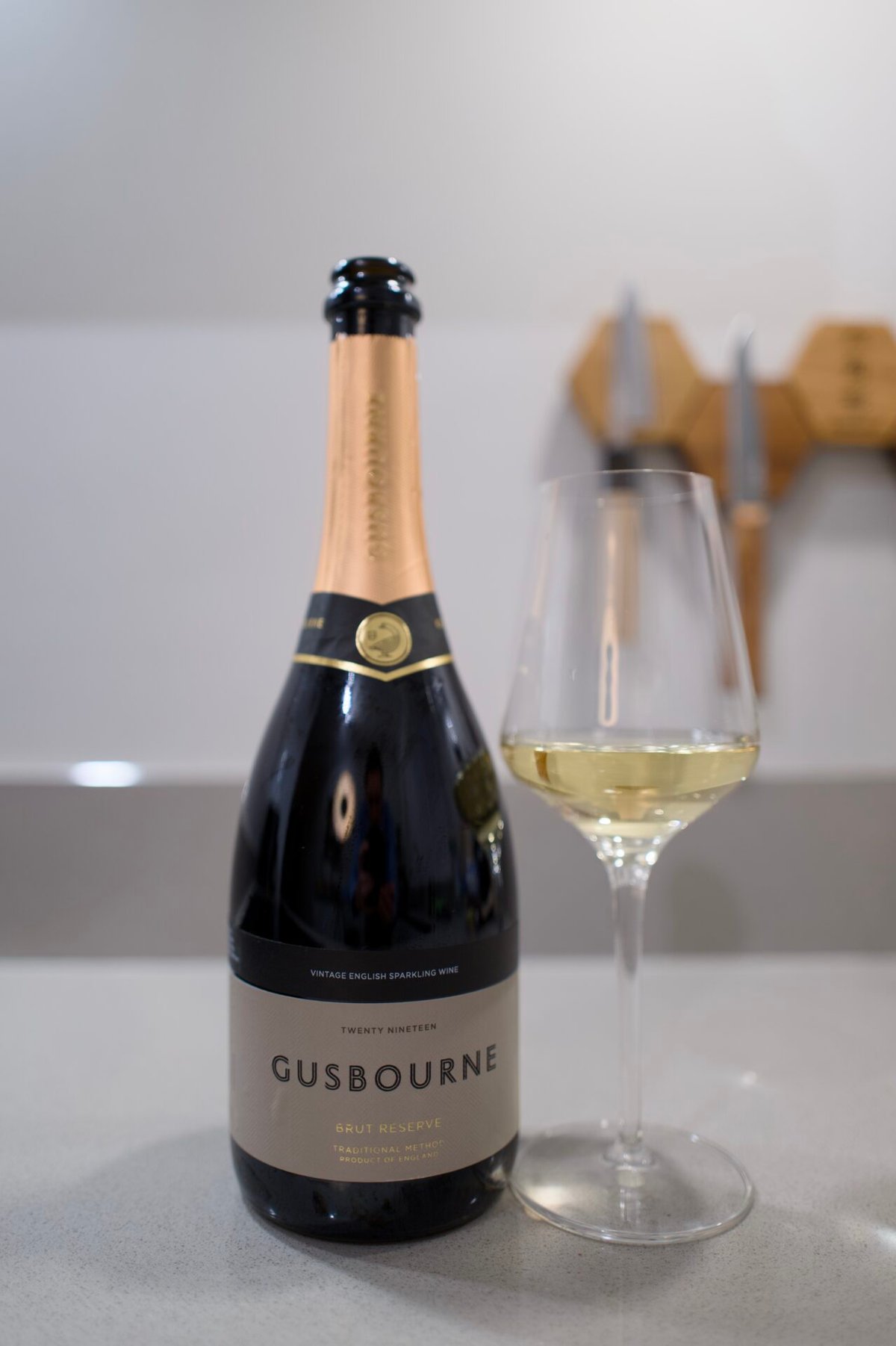
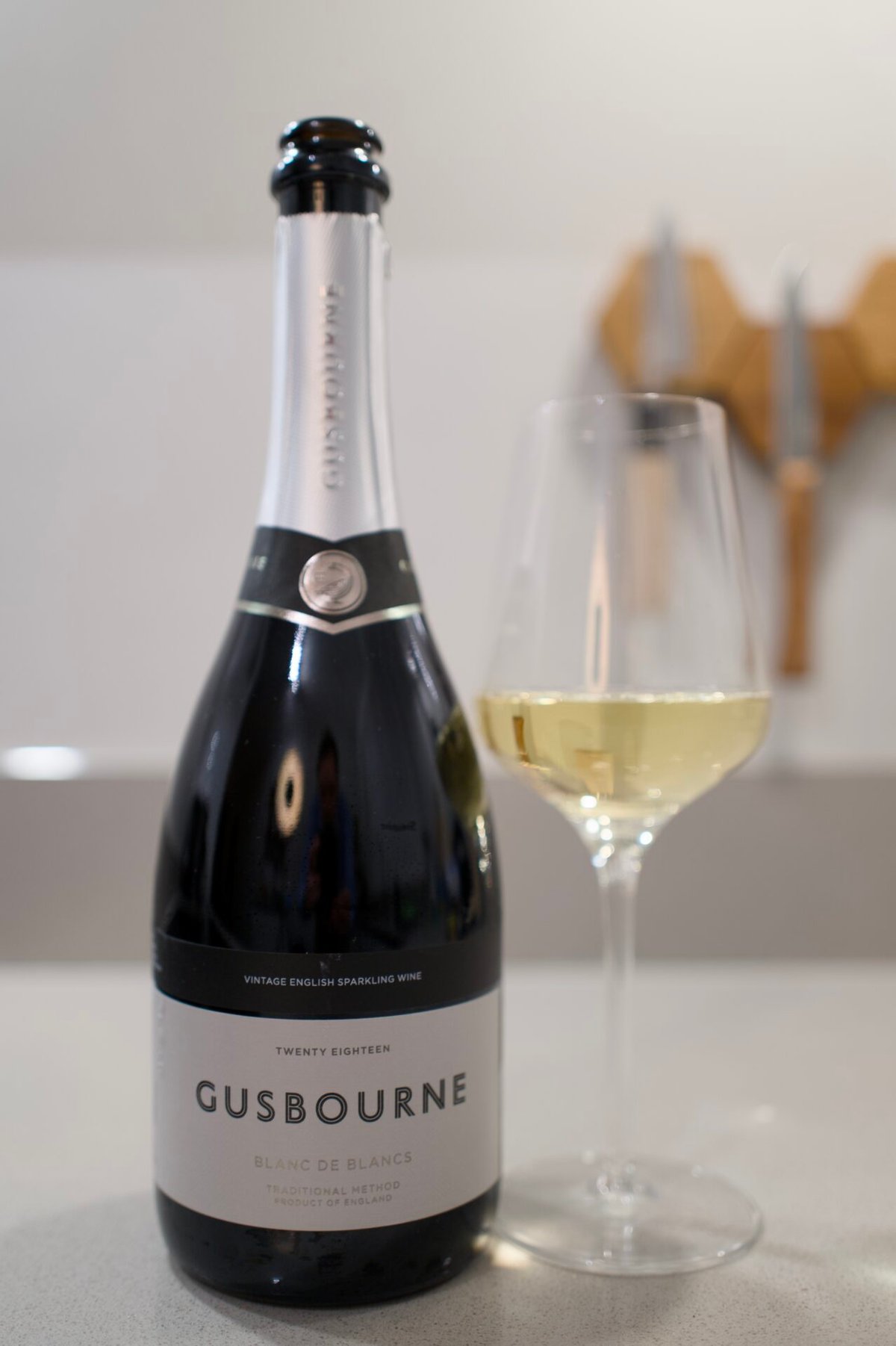
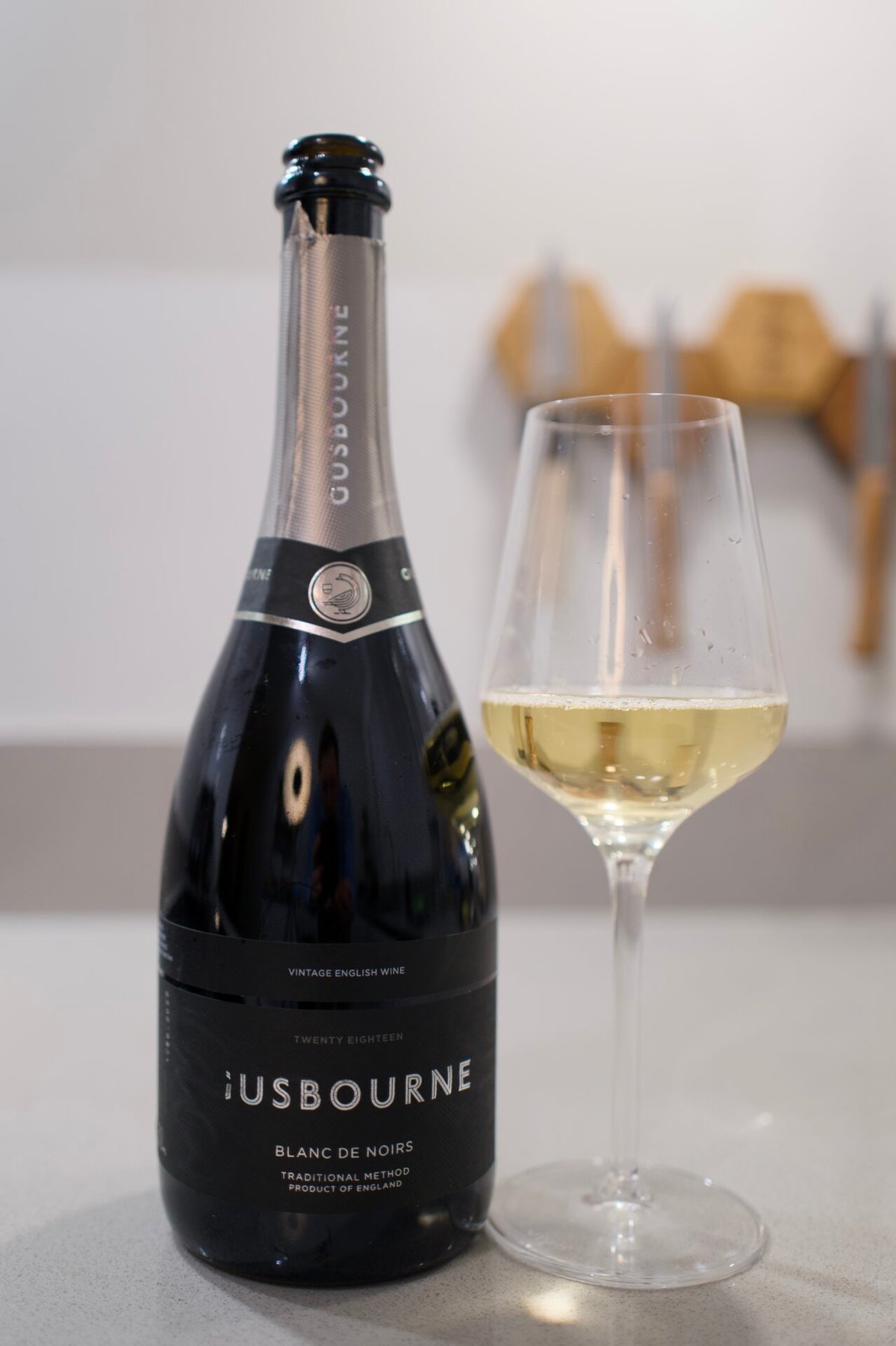
The Brut Reserve 2019 is 62 per cent Chardonnay, 28 per cent Pinot Noir and 10 per cent Pinot Meunier. Every blend includes 8 to 12 per cent oak-aged wine, often from old barrels, for texture. I found it rich and full, not very complex but very approachable, with layers of acidity cutting through the richness. The Blanc de Blancs 2018 is all Chardonnay. I got lemon curd with marzipan, a sea breeze and sweet spice, which Laura puts down to the warm 2018 vintage. The Blanc de Noirs 2018 is Pinot Noir only. On the nose the Blanc de Blancs is a biscuit factory to me, and the Blanc de Noirs a forest after rain.
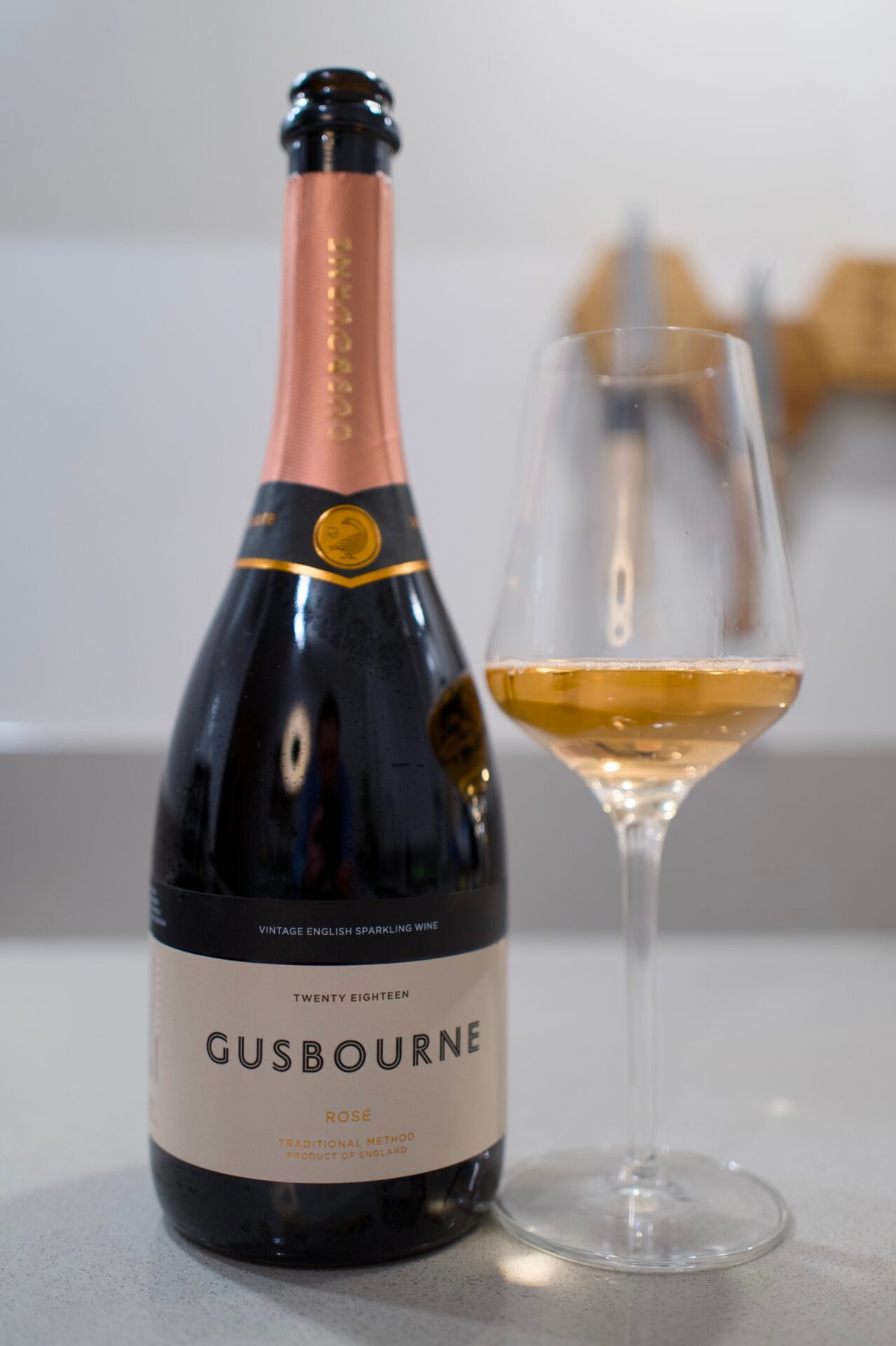
The Rosé 2018 is mostly Chardonnay, with 23 per cent Pinot Noir and 18 per cent Pinot Meunier. Its colour comes from four to five per cent of still red Pinot Noir aged in barrel. Laura pours the Brut Reserve with pan-seared scallops, the Blanc de Blancs with seafood in a lemon butter sauce, and the Blanc de Noirs with wagyu or roasted squash.
At the top sits Fifty One Degrees North, Chardonnay and Pinot Noir from the best blocks, made only in the best years. The current release is 2016. There is also a late-disgorged range, and Gusbourne recently released an Oak Reserve, a Blanc de Blancs made entirely in oak. I have tasted neither.
A Master Sommelier at the table
Laura Rhys is one of around 300 Master Sommeliers worldwide. She spent about twelve years as a sommelier, including a spell as head sommelier at a Michelin-starred restaurant in London, and joined Gusbourne in 2015.
“Winemakers and sommeliers taste in very different ways,” she told me when we recorded for Sparks by VinoVonk. “They come to it from a very different position.”
What I know and what I don’t
Part of what is written here is the producer’s reading. I tasted one bottle of each wine, not blind and not alongside Champagne, and prices did not come up in our conversation. Laura herself is cautious about long ageing: the Blanc de Blancs keeps longest and the others will manage five to ten years, but after twenty you get fewer bubbles and more nuttiness, which is not to everyone’s taste. Gusbourne is not organic; with so much moisture in England, Laura finds that too hard. Harvest is unpredictable as well. On average it is getting warmer, yet 2024 was not picked until late October. In the Netherlands, the wines are imported by Vinites.
More information about Gusbourne: https://www.gusbourne.com/
More details about Vinites: https://www.vinites.com/
Sources
- Gusbourne (official, Kent, England): gusbourne.com
- WineGB: Wines of Great Britain: winegb.co.uk
More on Winemaker

Biodynamic tasting calendar: does the fruit day hold?
A reel from Ploder-Rosenberg says wine shows best on fruit and flower days. The biodynamic tasting calendar sounds logical. The blind tasting says otherwise.
Read on →
Champagne Gallimard: Six Generations in Les Riceys
Two Gallimard bottles from a July subscription box. A solera running 2009 to 2022, hand disgorgement, and a label code that says something the story doesn't.
Read on →
Podere Sapaio: Bordeaux on the Bolgheri coast
Podere Sapaio makes Bordeaux blends in Bolgheri, with time as its guiding principle and concrete beside wood in the cellar. A portrait after La Grande Bellezza.
Read on →