

Gusbourne Rosé: Beyond Pink, Why This Wine Surprises
Gusbourne Rosé 2018: mostly Chardonnay, coloured with a dash of barrel-aged still Pinot Noir. Red fruit, real structure and a rosé for all seasons.

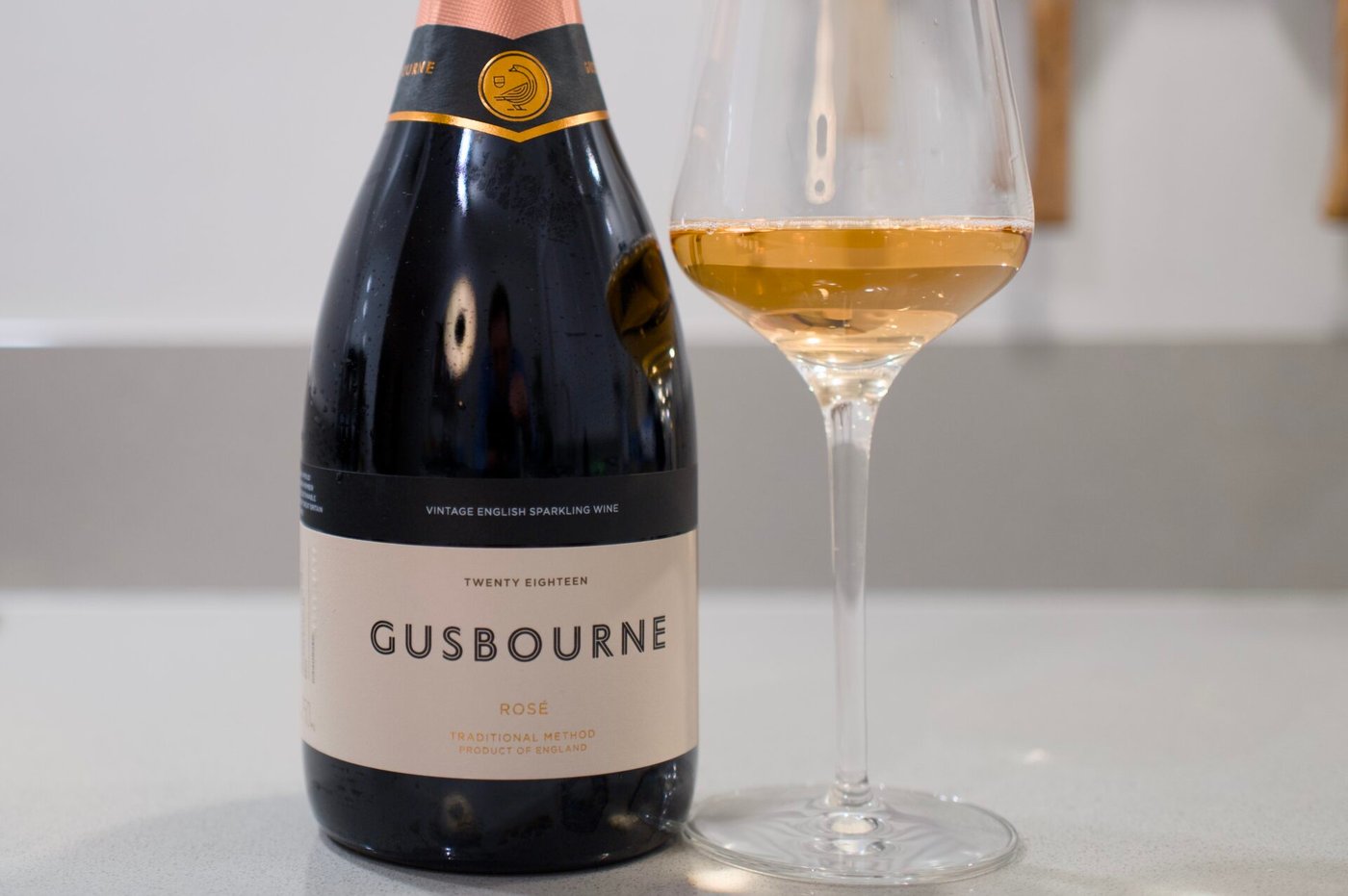
The Gusbourne Rosé I tasted on Sparks is a 2018, and most of it is Chardonnay. Master Sommelier Laura Rhys gave me the numbers for that year: 59% Chardonnay, 23% Pinot Noir and 18% Pinot Meunier. As with the Brut Reserve, the proportions shift from vintage to vintage depending on the base wines.
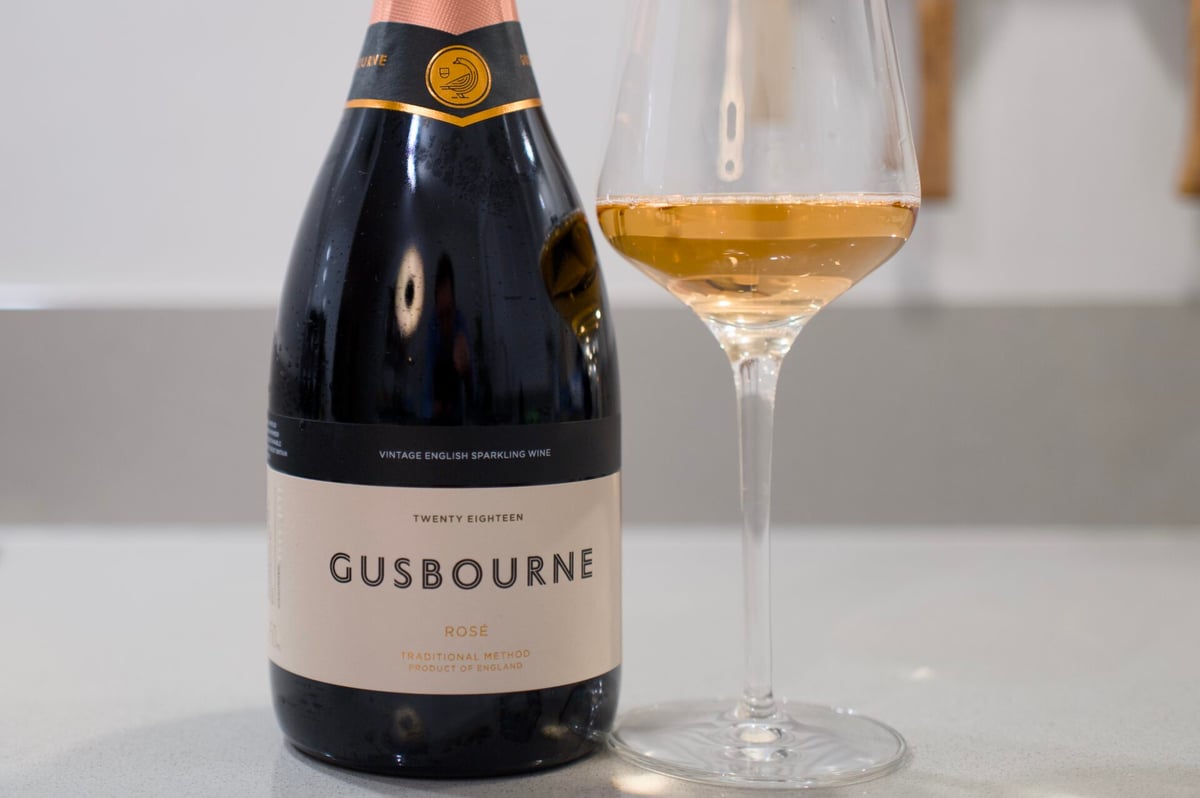
How the colour gets there
The colour comes from a small dose of still red Pinot Noir, around 4 to 5%, which Gusbourne sets aside for the rosé and ages in barrel. The team builds the core blend first, choosing base wines with a bit more fruit: red fruit, stone fruit or a slightly spicy orange-citrus note. Then the red wine goes in. Laura described it as a balancing act. The Pinot Noir brings colour, but also flavour and structure, and too much of it changes the wine too far. In the early years Gusbourne tried saignée, then settled on blending.
Tasting notes
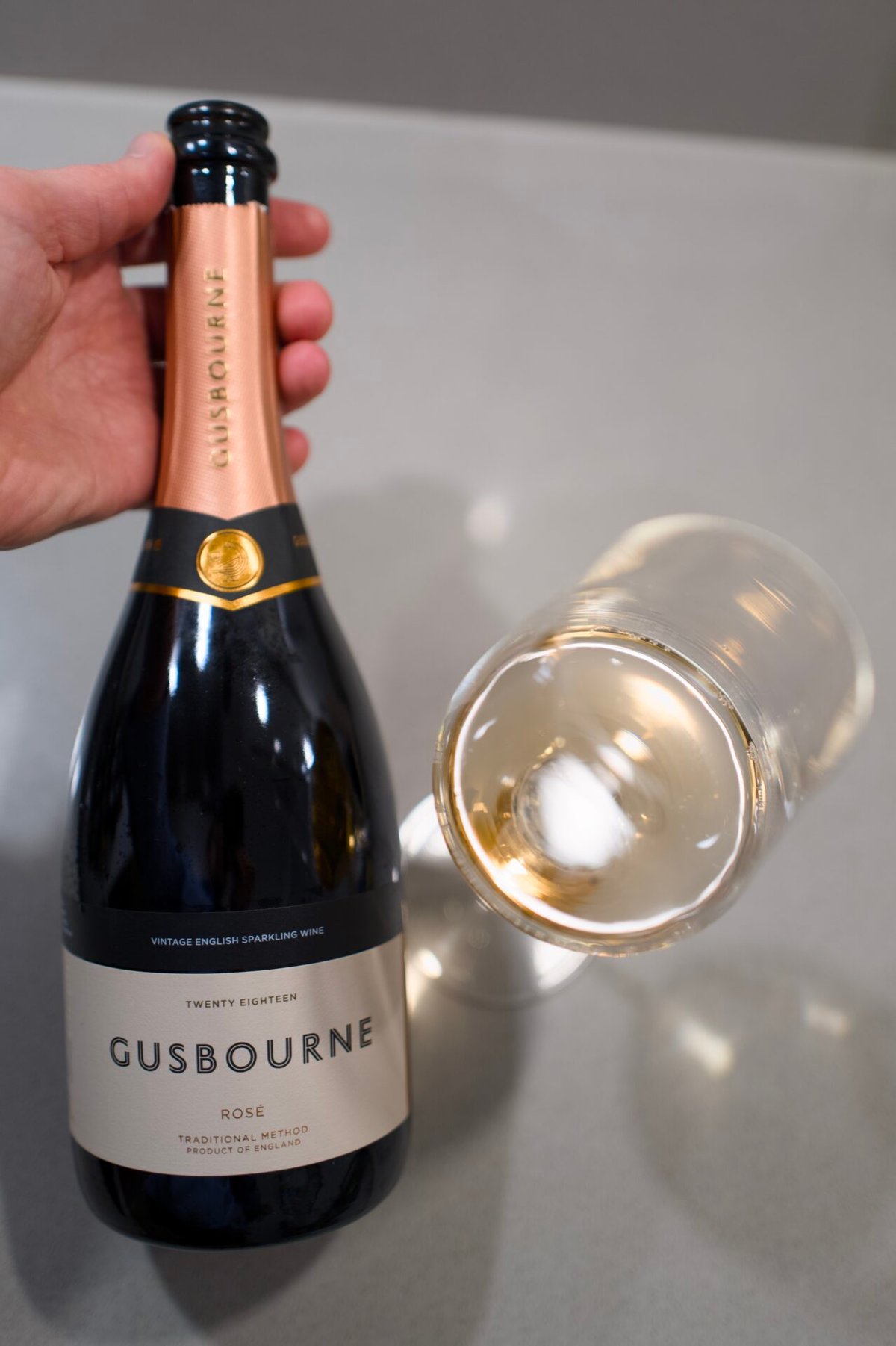
Another lovely colour. On the nose it struck me as a cross between the Blanc de Noirs and the Brut Reserve, with a hint of the biscuit factory I’d found in the Blanc de Blancs. Those few per cent of red wine bring some tannin, and with it tension on the nose and the palate. It gives the wine a more serious backbone, which made it a fine way to close the tasting. Saving the rosé for last was Laura’s suggestion, as it happens.
A rosé for all seasons
Plenty of people file rosé under summer. This one has enough structure that I’d pour it year-round. Laura called that an unintended consequence of what they set out to make. Young, she said, it has vibrant red fruit, weight and generosity, which makes it a great aperitif at a summer barbecue, and she warned that it can be rather dangerous there. With age it gets more serious: the Pinot in the blend turns savoury and a herbal note comes through.
At the table
Laura sees the rosé as very versatile. She mentioned a dessert that isn’t too sweet, something nutty, creamy or built on red fruit, as well as meat, vegetables and seafood.
Cellaring
Laura loves watching her rosés age. She thinks you could easily cellar this one for five to ten years, though of the four wines we tasted she expects the Blanc de Blancs to go the longest. Long ageing also means fewer bubbles and a deeper colour, which isn’t to everyone’s taste.
Critical
If you expect a sparkling rosé built on Pinot Noir or Meunier, this one is mostly Chardonnay; the black grapes and the red wine supply colour, structure and part of the fruit. The blend changes every year, so another vintage could taste noticeably different. Price never came up in our conversation, and I tasted one bottle.
Verdict
A rosé with a serious backbone that doesn’t need to wait for summer. If you want to see what a few per cent of red wine does to a Chardonnay-led blend, this 2018 is a good example.
The full conversation with Laura Rhys is in the Sparks episode.
Sources
- Sparks by VinoVonk, conversation with Laura Rhys MS: episode
- WineGB: Wines of Great Britain: winegb.co.uk
More on Wine Review
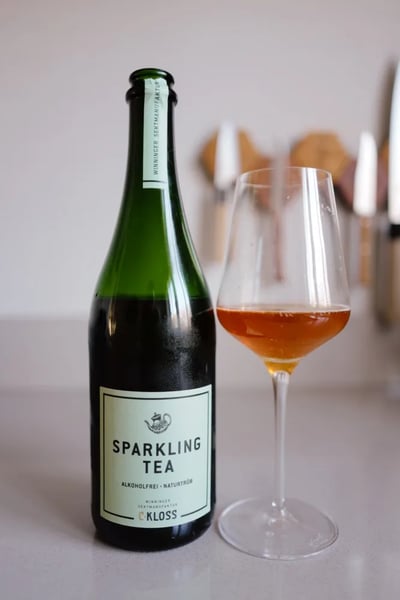
C. Kloss Sparkling Tea Weiss: Fermented Celery
Non-alcoholic sparkling tea Weiss from C. Kloss: linden blossom, nettle and fermented celery. Dry, 2.7 g sugar per 100 ml, €14.99 at Amavine.
Read on →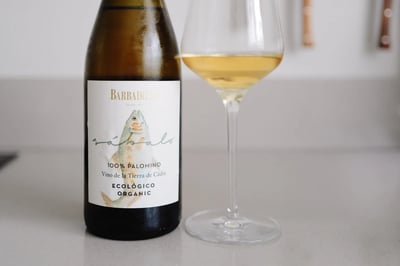
Barbadillo Sábalo: Organic Palomino Without Flor
Organic Palomino Sábalo from Barbadillo: no flor, salt from albariza soil. Chamomile, apple, sea. €17.95 at Granada Wijnen, with discount code.
Read on →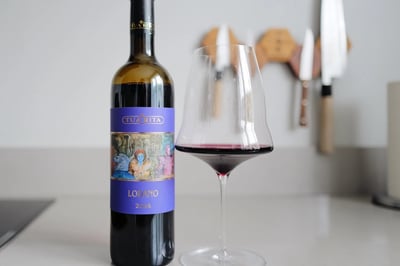
Tua Rita Lodano Rosso 2024: Petit Verdot Leads
A €50.95 Super Tuscan built on 60 percent Petit Verdot and 18 months of barrique. Why I chill it, decant it and never drink it without food.
Read on →