

Gusbourne Brut Reserve 2019: Entry Point
Gusbourne Brut Reserve 2019 from Kent: 62% Chardonnay, around three years on the lees and a touch of oak. Rich, approachable, with acidity that lifts it.

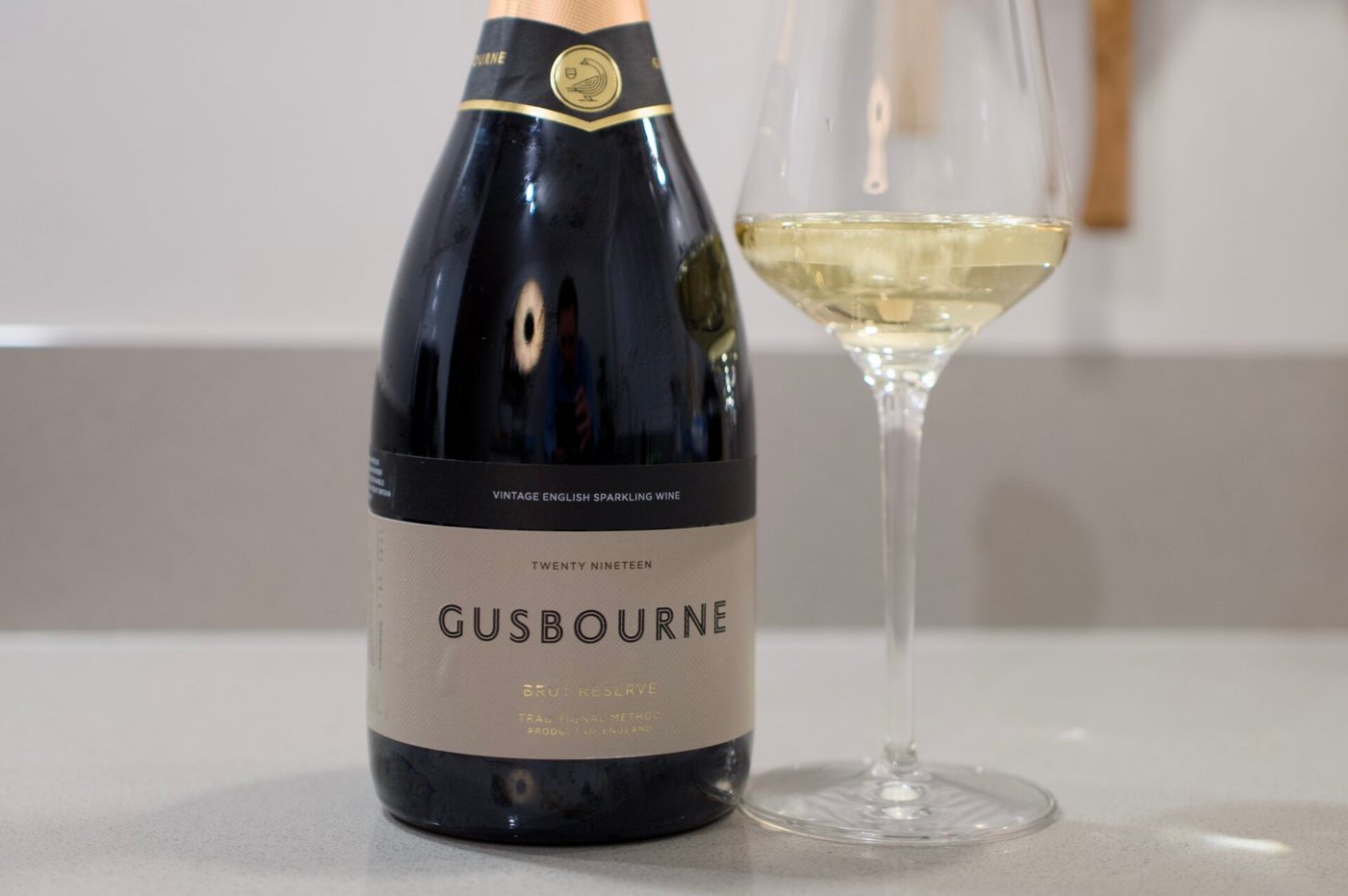
Gusbourne makes a Brut Reserve every year, and like everything from this Kent estate it carries a vintage. There is no non-vintage in the range and no bought-in fruit; every grape comes from their own vineyards in Kent and Sussex. I tasted the 2019 on Sparks with Laura Rhys, Master Sommelier and Gusbourne’s ambassador.
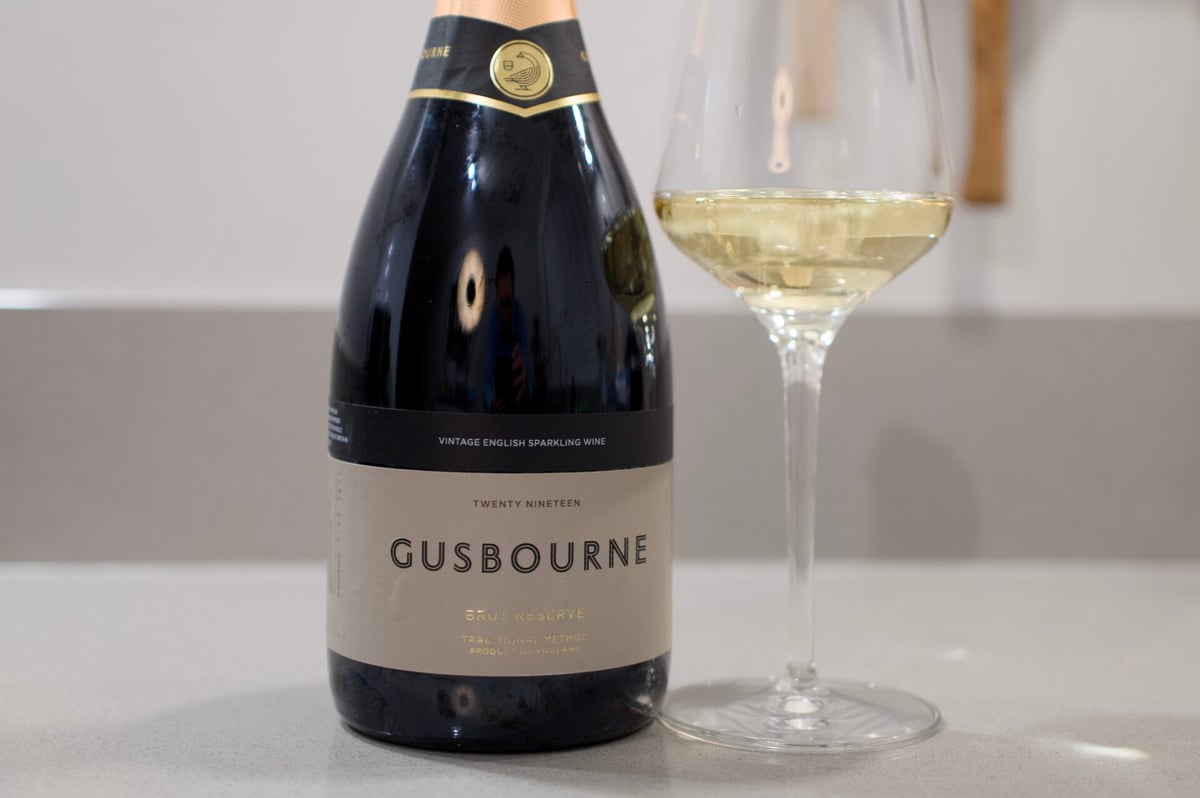
Laura gave me the 2019 blend: 62% Chardonnay, 28% Pinot Noir and 10% Pinot Meunier. The proportions move from year to year, because the base wines are never the same twice.
How it’s made
For the Brut Reserve the team looks for softer, rounder, more fruit-driven base wines, Laura said. Gusbourne vinifies its blocks and clones separately, which leaves them with roughly 200 base wines per vintage. Most of it ferments in stainless steel, but a little oak always goes in, usually 8 to 12% and often old barrels. The oak is there for mouthfeel more than flavour.
The 2019 had about three years on the lees. That isn’t fixed: some vintages of Brut Reserve go out at just under two and a half years, depending on when the wine is ready. Laura put the UK legal minimum at nine months. After disgorgement the bottles rest for at least another three months. The Brut Reserve also comes in half bottles and magnums.
In the glass
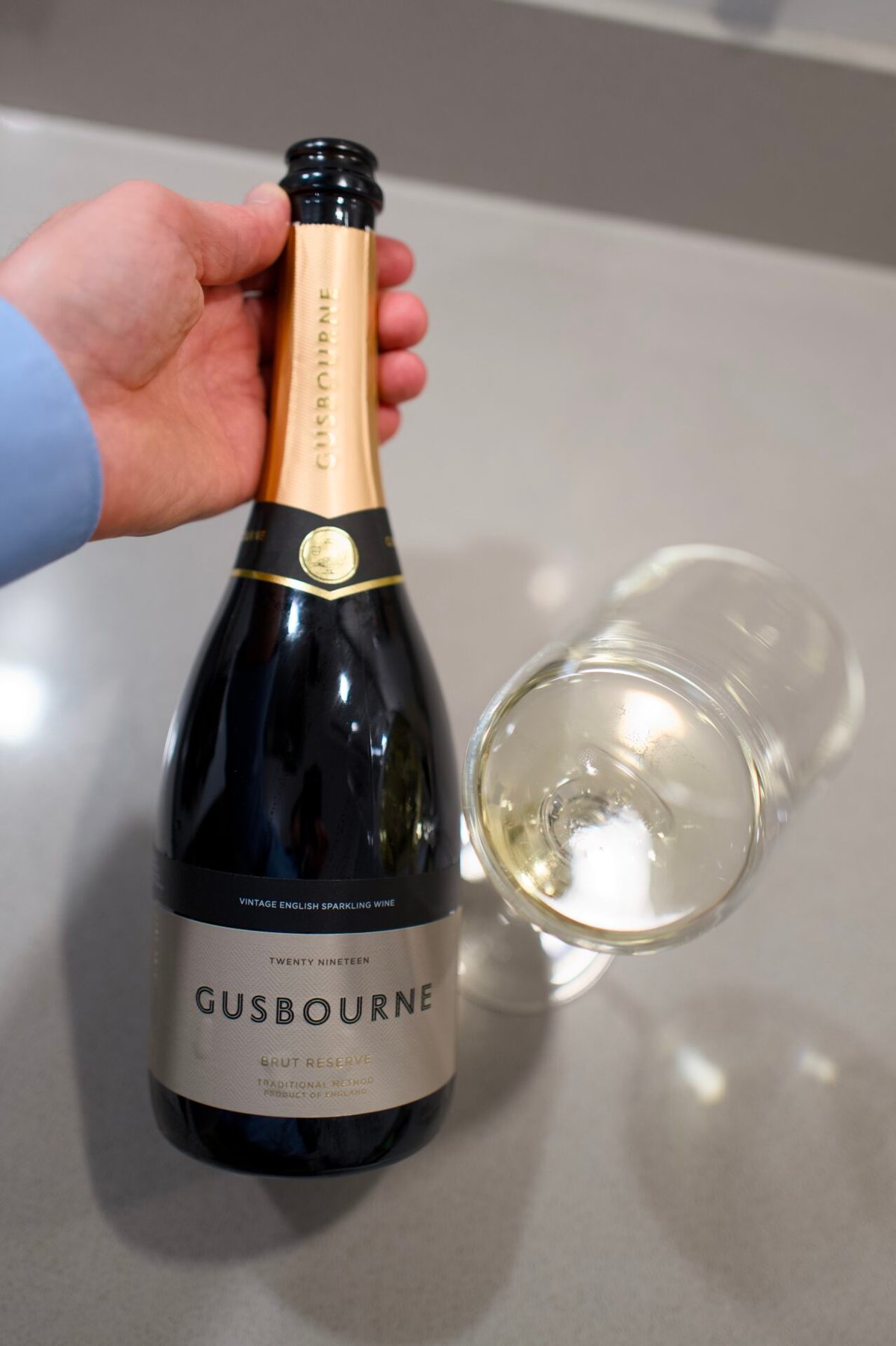
I already knew Gusbourne and liked it, so I didn’t come to this cold. The 2019 is rich and full, with plenty of aroma, yet it isn’t complicated. It’s an easy wine to get into. Running through that richness are layers of acidity, which I described in the recording as knives cutting between the aromas and, at the same time, a cocktail shaker mixing everything up. That keeps it balanced. I picked up a sea breeze, it feels less warm than a Champagne, and the mousse is well integrated.
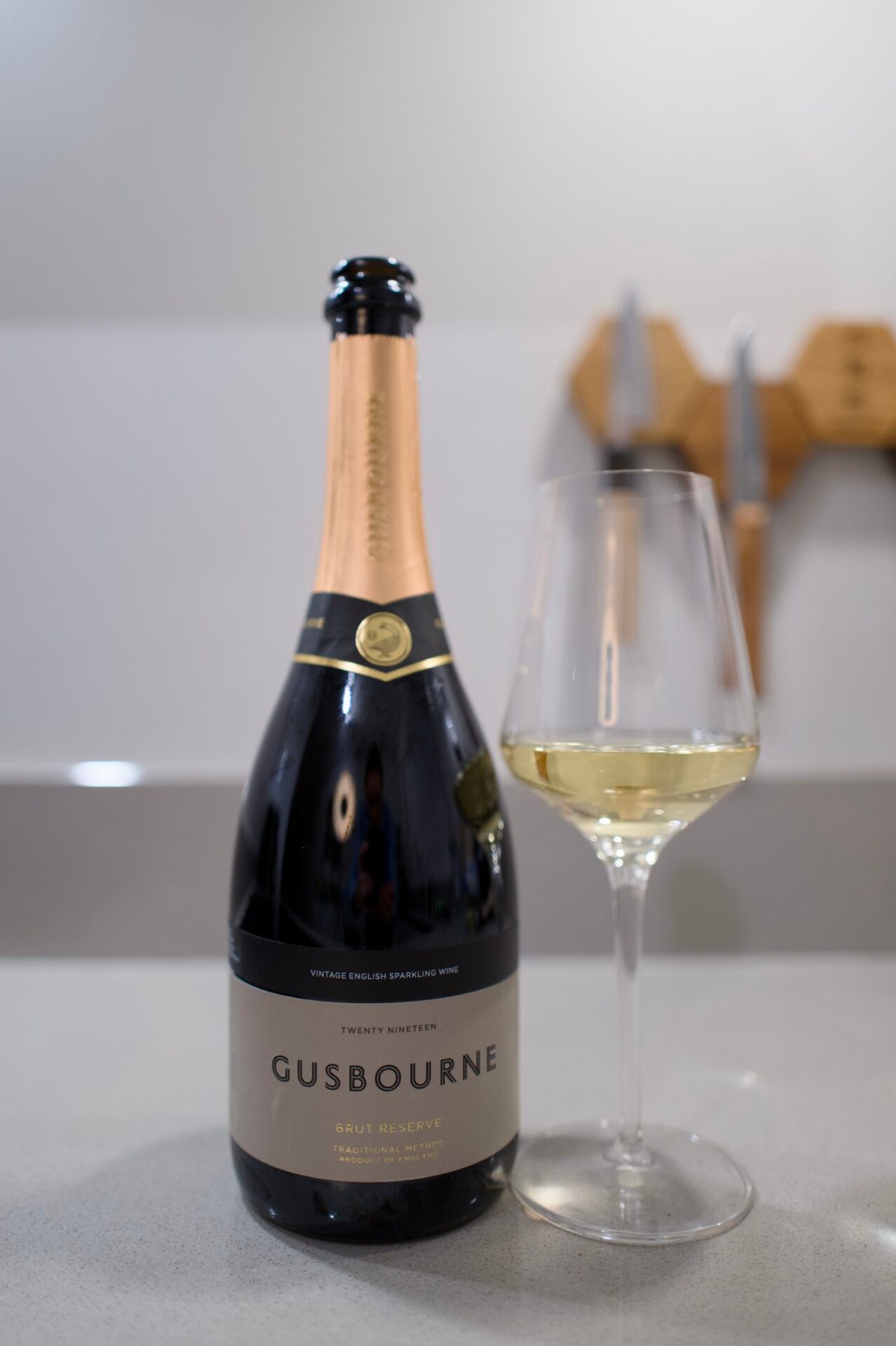
My first thought was oaked Chardonnay. Laura said that’s partly ripe fruit and partly that small share of oak. On the nose she found citrus, green apple and orchard fruit, with red apple, apple skin and stone fruit such as peach and apricot underneath. The toasty, nutty side, in her view, also comes from time on cork after disgorgement. She called the acidity present but friendly.
Critical
It isn’t a complex wine, and I said as much on the episode. It runs on fruit and richness rather than aged, layered character. Laura herself noted that English sparkling wines can take longer to show autolytic notes. Time on the lees varies by vintage, so what I say about 2019 won’t automatically hold for the next release. Price never came up in our conversation, and I tasted a single bottle.
At the table
Laura’s own pairing for the Brut Reserve is pan-seared scallops.
Cellaring
Laura reckons you could easily lay the Brut Reserve down for five to ten years. She added a caveat: long ageing brings fewer bubbles, a deeper colour and more nuttiness, and not everyone wants that. My advice from the episode: buy two bottles, drink one and write down what you find, then open the second after five or ten years.
Verdict
The Brut Reserve 2019 is a rich, approachable introduction to Gusbourne, kept fresh by its acidity. If you’re new to English sparkling wine, it’s a good place to start.
The full conversation with Laura Rhys, including three other Gusbourne wines, is in the Sparks episode.
Sources
- Sparks by VinoVonk, conversation with Laura Rhys MS: episode
- WineGB: Wines of Great Britain: winegb.co.uk
More on Wine Review
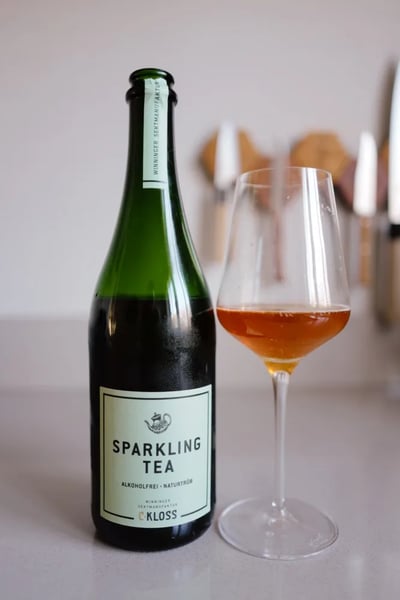
C. Kloss Sparkling Tea Weiss: Fermented Celery
Non-alcoholic sparkling tea Weiss from C. Kloss: linden blossom, nettle and fermented celery. Dry, 2.7 g sugar per 100 ml, €14.99 at Amavine.
Read on →
Barbadillo Sábalo: Organic Palomino Without Flor
Organic Palomino Sábalo from Barbadillo: no flor, salt from albariza soil. Chamomile, apple, sea. €17.95 at Granada Wijnen, with discount code.
Read on →
Tua Rita Lodano Rosso 2024: Petit Verdot Leads
A €50.95 Super Tuscan built on 60 percent Petit Verdot and 18 months of barrique. Why I chill it, decant it and never drink it without food.
Read on →