

Gusbourne Blanc de Noirs 2018: Power from Kent
Gusbourne Blanc de Noirs 2018: pure Pinot Noir from a warm vintage. Red and darker fruit, spice, damp forest floor and enough backbone for red meat.

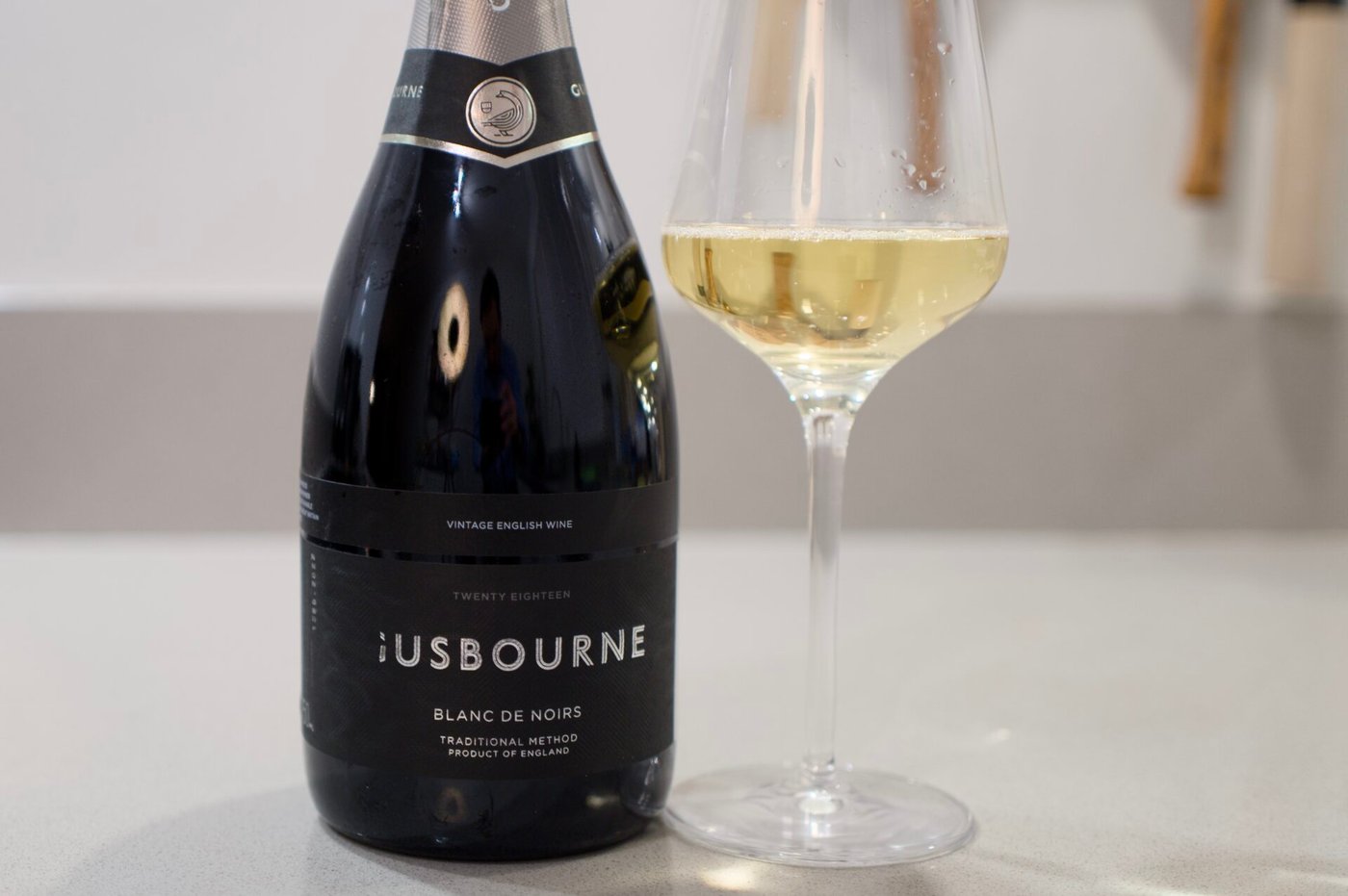
The Gusbourne Blanc de Noirs 2018 is pure Pinot Noir and, like the Blanc de Blancs, comes from the warm 2018 vintage. Broadly speaking it’s made the same way, Master Sommelier Laura Rhys told me on Sparks, but from different base wines. For the Blanc de Blancs the team looks for precision, elegance and salty minerality. For the Blanc de Noirs they want intensity, weight and the generosity that Pinot Noir can give.
Choosing the base wines
Laura said they have to be very selective here. The base wines need red fruit, perhaps some stone fruit, and then something darker on top: blue fruit, spice, something richer and fuller. Gusbourne vinifies each block and clone separately and works with around 200 base wines per vintage, all from its own vineyards in Kent and Sussex.
When we tasted the Blanc de Blancs, Laura described 2018 as a very warm year with pronounced ripeness in the fruit.
Tasting notes
It has a lovely colour. Nosing the two 2018s side by side, the Blanc de Blancs was a biscuit factory and the Blanc de Noirs a walk through the woods after rain: wet leaves, damp soil. More spice, warmer notes. If the Blanc de Blancs is a happy place, this one is where you go to clear your head, and it feels cosy. There’s a lovely backbone to it.
At the table
That spice makes it flexible with food. A sommelier friend asked me on Instagram whether Gusbourne would work in a wine pairing at a Michelin-starred restaurant. Laura works with plenty of restaurants, starred and otherwise, and called Gusbourne’s wines food-friendly thanks to their structure and weight.
With the Blanc de Noirs she has had a lot of fun with Wagyu, because of the fat. Few people think of red meat with sparkling wine, but in her view the acidity, the weight and the texture of the bubbles all work in its favour. For anyone who doesn’t eat meat, I suggested mushrooms with a vegan butter sauce and a little truffle. Laura recently had it with roasted squash. The link is caramelisation, the same thing you get from pan-fried mushrooms.
Cellaring
Laura reckons the Blanc de Noirs will happily go five to ten years in the cellar, gaining toasty, yeasty and nutty notes. Of the four we tasted, she expects the Blanc de Blancs to last the longest.
Critical
What I’ve written about selecting the base wines is the producer’s account, and I tasted one bottle. 2018 was an unusually warm year, so its ripeness and spice are no guarantee for other vintages. Laura added her own caveat on long ageing: fewer bubbles, a deeper colour and more nuttiness, which won’t suit everyone. Price didn’t come up in our conversation.
Verdict
Of the four Gusbourne wines on the episode, this is the spiciest and the cosiest. With that backbone, it’s one to open with dinner, whether that’s Wagyu or mushrooms.
The full conversation with Laura Rhys is in the Sparks episode.
Sources
- Sparks by VinoVonk, conversation with Laura Rhys MS: episode
- WineGB: Wines of Great Britain: winegb.co.uk
More on Wine Review
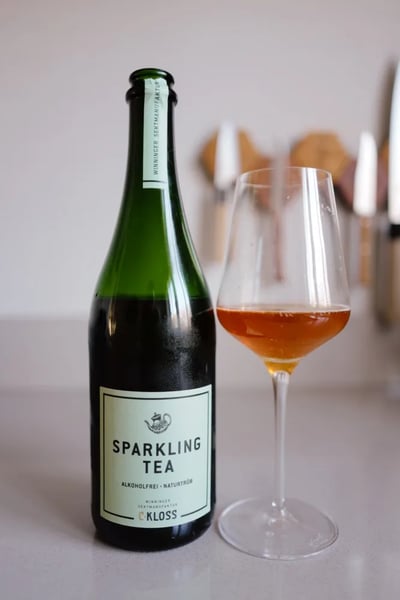
C. Kloss Sparkling Tea Weiss: Fermented Celery
Non-alcoholic sparkling tea Weiss from C. Kloss: linden blossom, nettle and fermented celery. Dry, 2.7 g sugar per 100 ml, €14.99 at Amavine.
Read on →
Barbadillo Sábalo: Organic Palomino Without Flor
Organic Palomino Sábalo from Barbadillo: no flor, salt from albariza soil. Chamomile, apple, sea. €17.95 at Granada Wijnen, with discount code.
Read on →
Tua Rita Lodano Rosso 2024: Petit Verdot Leads
A €50.95 Super Tuscan built on 60 percent Petit Verdot and 18 months of barrique. Why I chill it, decant it and never drink it without food.
Read on →