

Gusbourne Blanc de Blancs and English Precision
Gusbourne Blanc de Blancs 2018: pure Chardonnay from a warm year. Lemon curd, marzipan, salty minerality and warm spice, with a mousse that holds its own.
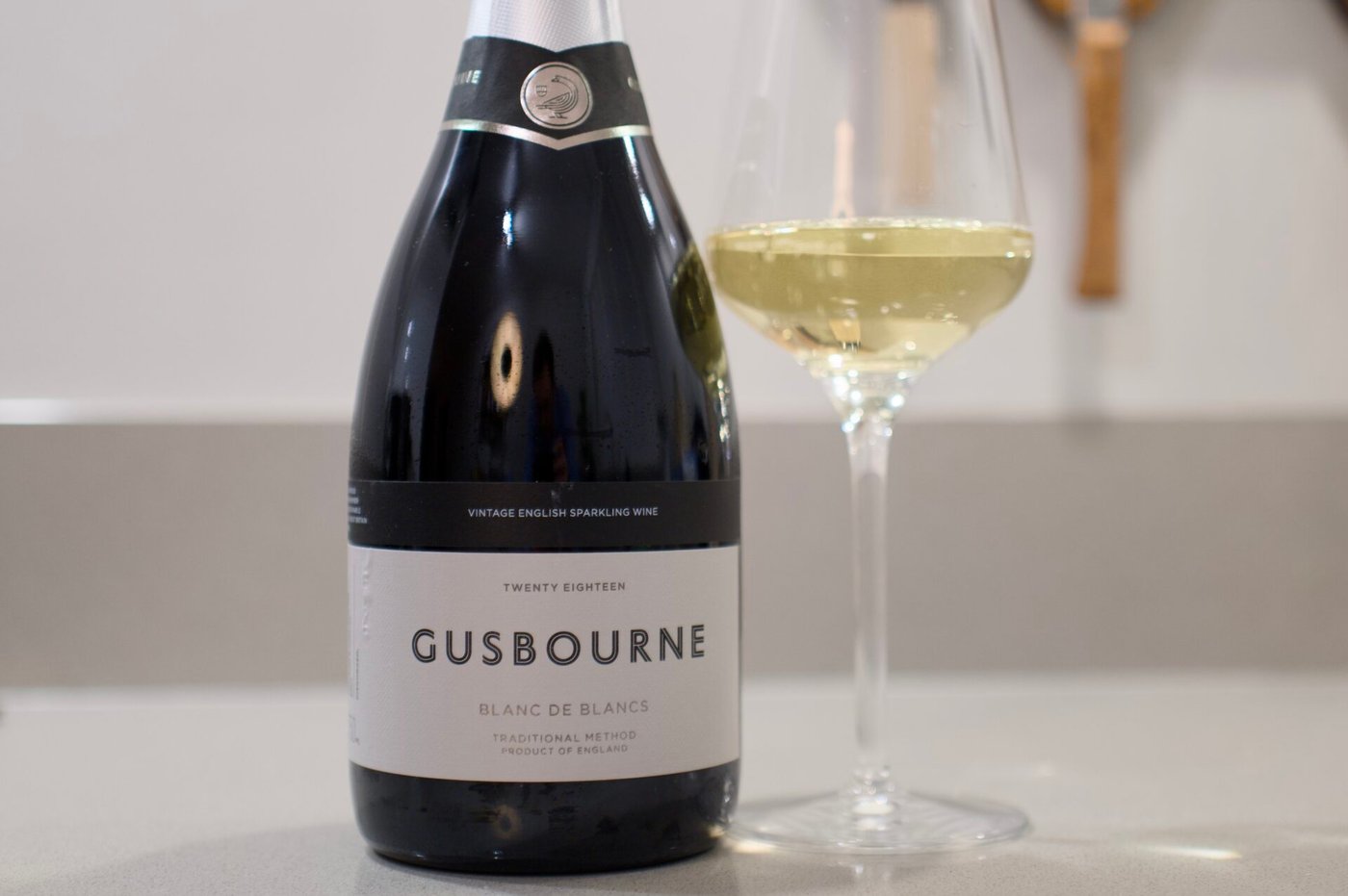
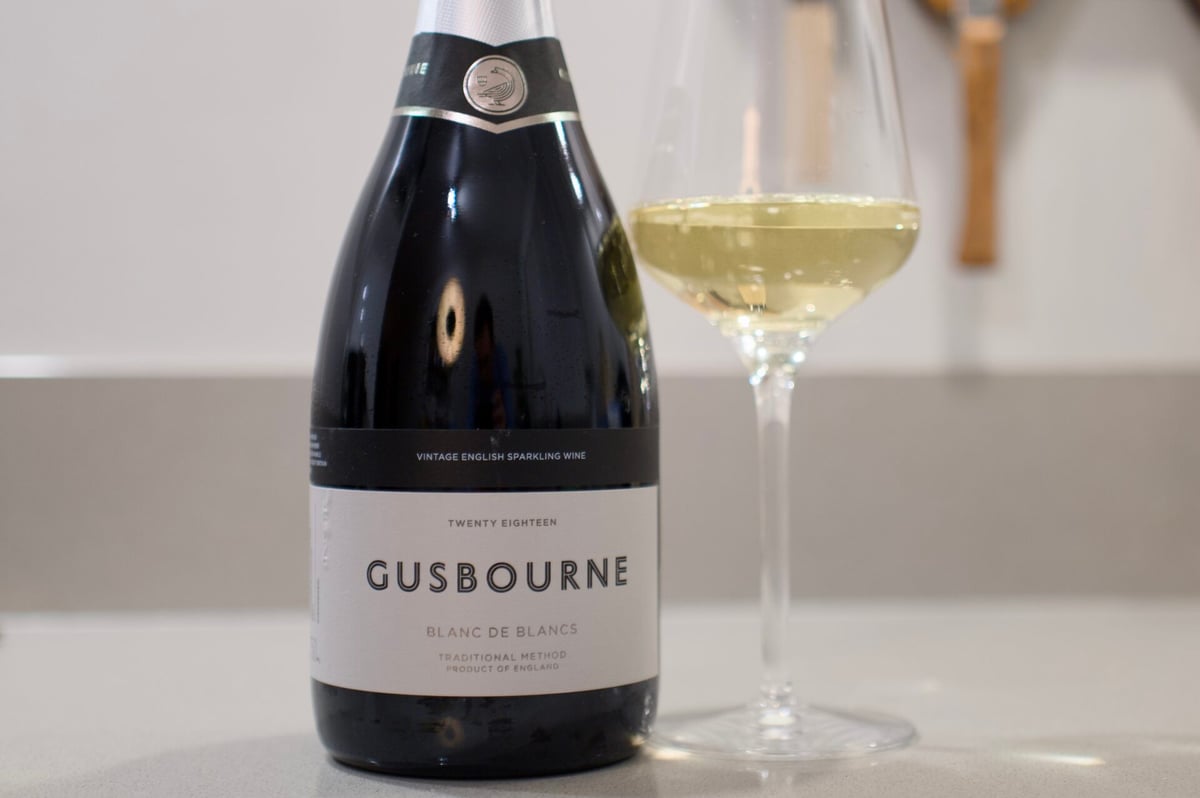
The Gusbourne Blanc de Blancs I tasted on Sparks is a 2018, made entirely from Chardonnay. For this cuvée Gusbourne picks the base wines with the most precision and elegance, Master Sommelier Laura Rhys told me. A base wine for the Brut Reserve can finish round on the palate; one destined for the Blanc de Blancs, as she put it, should finish in a point. It is also made to age longer than the Brut Reserve.
Approach
Gusbourne only uses its own fruit and only makes vintage wines. The vineyards sit in Kent, on clay and sand, and in Sussex, on chalk at higher elevation. According to Laura, Sussex brings the racy acidity and precision, while Kent gives weight and generosity. There are around 40 clones, mostly Burgundian and Champagne selections. Each block is vinified separately, and every vintage Laura grades roughly 200 base wines with head winemaker Mary and her team. The final blend is Mary’s call.
Tasting notes
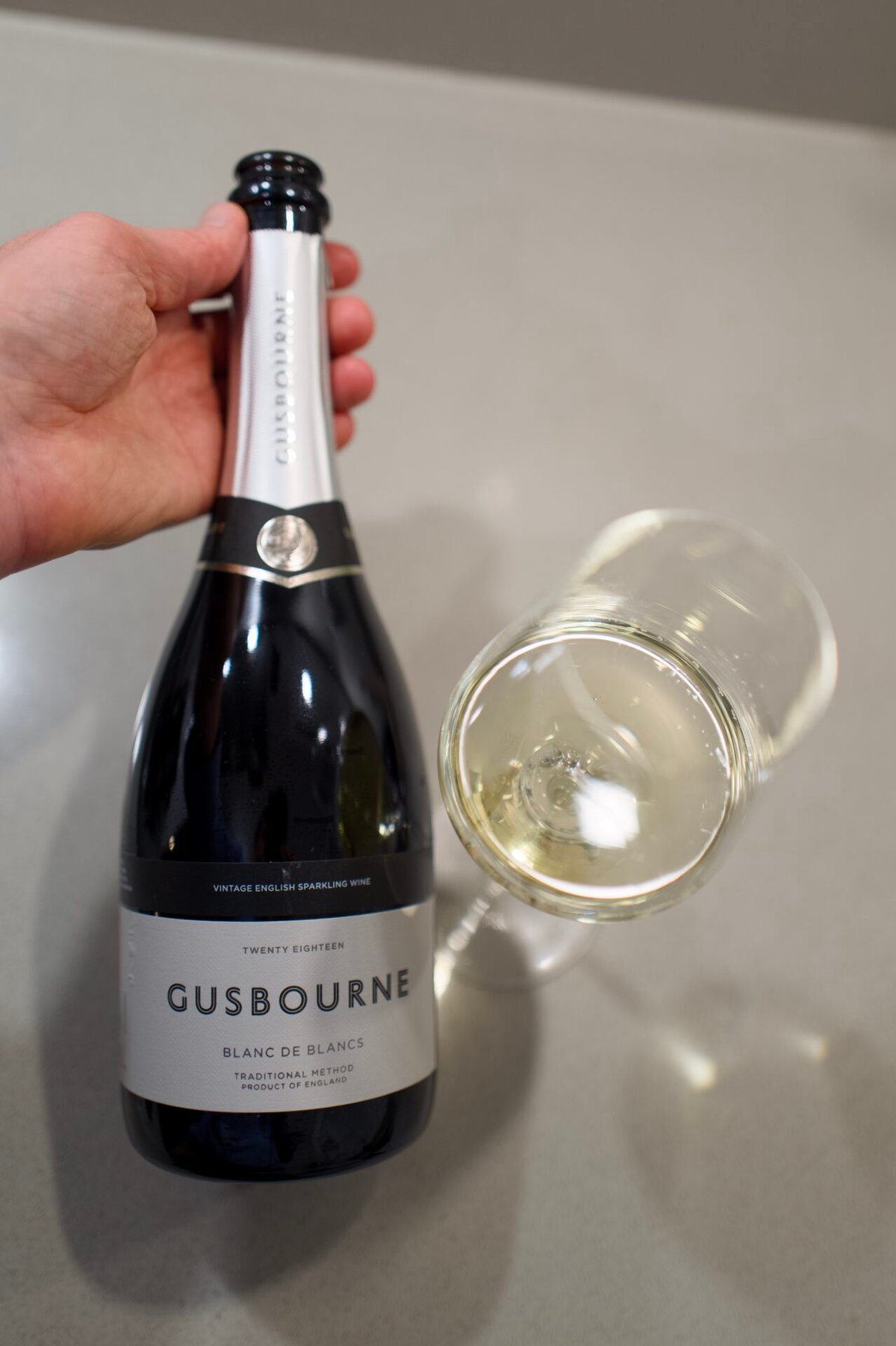
Laura described the nose as lemon rather than orange citrus, green apple rather than red, with a wet-stone, salty minerality that carries through onto the palate. I got lemon curd tart with marzipan: almond, sweetness, roundness, richness. Alongside that came flint and something saline, like a sea breeze.
The mousse is calm, like the 2019’s, and the wine is rich, round and nicely structured. With Blanc de Blancs from Champagne I often find the mousse too shy, like reopening a bottle of cola a week later. Here it’s present, it pops nicely in the mouth, and it gives the aromas more room.
I also found spice, cardamom and cinnamon, which I didn’t expect from a cool-climate wine. Laura called it Asian spice and put it down to the vintage. 2018 was a very warm year, the fruit riper than in 2019, and that, she said, is where the lemon curd, the marzipan and the sweeter spice come from.
When I nosed it quickly against the Blanc de Noirs, the Blanc de Blancs felt like walking into a biscuit factory: sweet notes, roundness, a happy place.
Critical
Laura links the spice and richness to an exceptionally warm year. A cooler vintage will taste different, so don’t expect the same profile from the next release. She also said English sparkling wines can take longer to show autolytic character and stay fruit-led for longer. Price didn’t come up in our conversation, and I tasted one bottle.
At the table
Laura likes the Blanc de Blancs with seafood in a lemon butter sauce.
Cellar potential
Of the four bottles we opened, Laura expects the Blanc de Blancs to age the longest, picking up more toasty, yeasty and nutty notes over time. She added a caveat: long ageing means fewer bubbles and a deeper colour, which isn’t to everyone’s taste. My advice from the episode: buy two, drink one and make notes, then open the other after five or ten years.
Frequently asked questions
How does English sparkling wine compare with Champagne?
Laura pointed out that both regions sit on the same Paris Basin geology, so the soils have a lot in common. The climate is where they part: England is cooler and more maritime. She finds the acidity different in English wines, the fruit more lifted, and the autolytic notes sometimes slower to appear.
Can you cellar this wine?
Yes. Of the four Gusbourne wines we tasted, Laura thinks this one will go the longest. Age adds toasty and nutty notes, but also costs bubbles and deepens the colour.
What food does it suit?
Laura’s suggestion is seafood with a lemon butter sauce.
The full conversation with Laura Rhys is in the Sparks episode.
Sources
- Sparks by VinoVonk, conversation with Laura Rhys MS: episode
- WineGB, Wines of Great Britain: winegb.co.uk
More on Wine Review
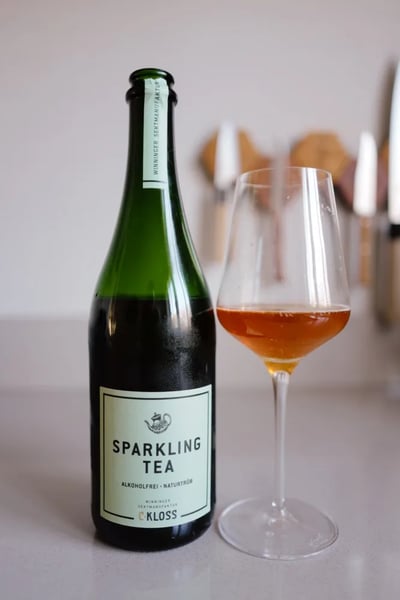
C. Kloss Sparkling Tea Weiss: Fermented Celery
Non-alcoholic sparkling tea Weiss from C. Kloss: linden blossom, nettle and fermented celery. Dry, 2.7 g sugar per 100 ml, €14.99 at Amavine.
Read on →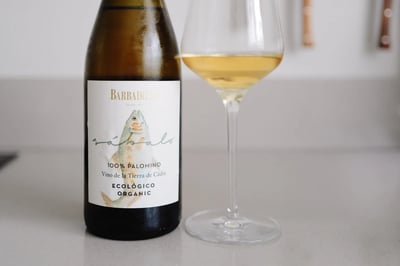
Barbadillo Sábalo: Organic Palomino Without Flor
Organic Palomino Sábalo from Barbadillo: no flor, salt from albariza soil. Chamomile, apple, sea. €17.95 at Granada Wijnen, with discount code.
Read on →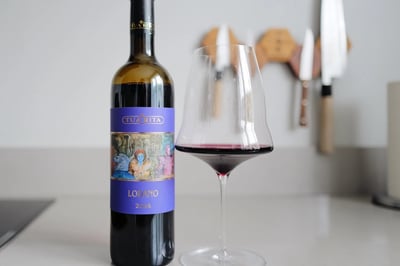
Tua Rita Lodano Rosso 2024: Petit Verdot Leads
A €50.95 Super Tuscan built on 60 percent Petit Verdot and 18 months of barrique. Why I chill it, decant it and never drink it without food.
Read on →