

Gin 1689 Review: Royal Recipe from the British Library
Gin 1689 revives a 300-year-old royal gin recipe found in the British Library. Two Dutch founders spent 18 months in the archives to restore it.

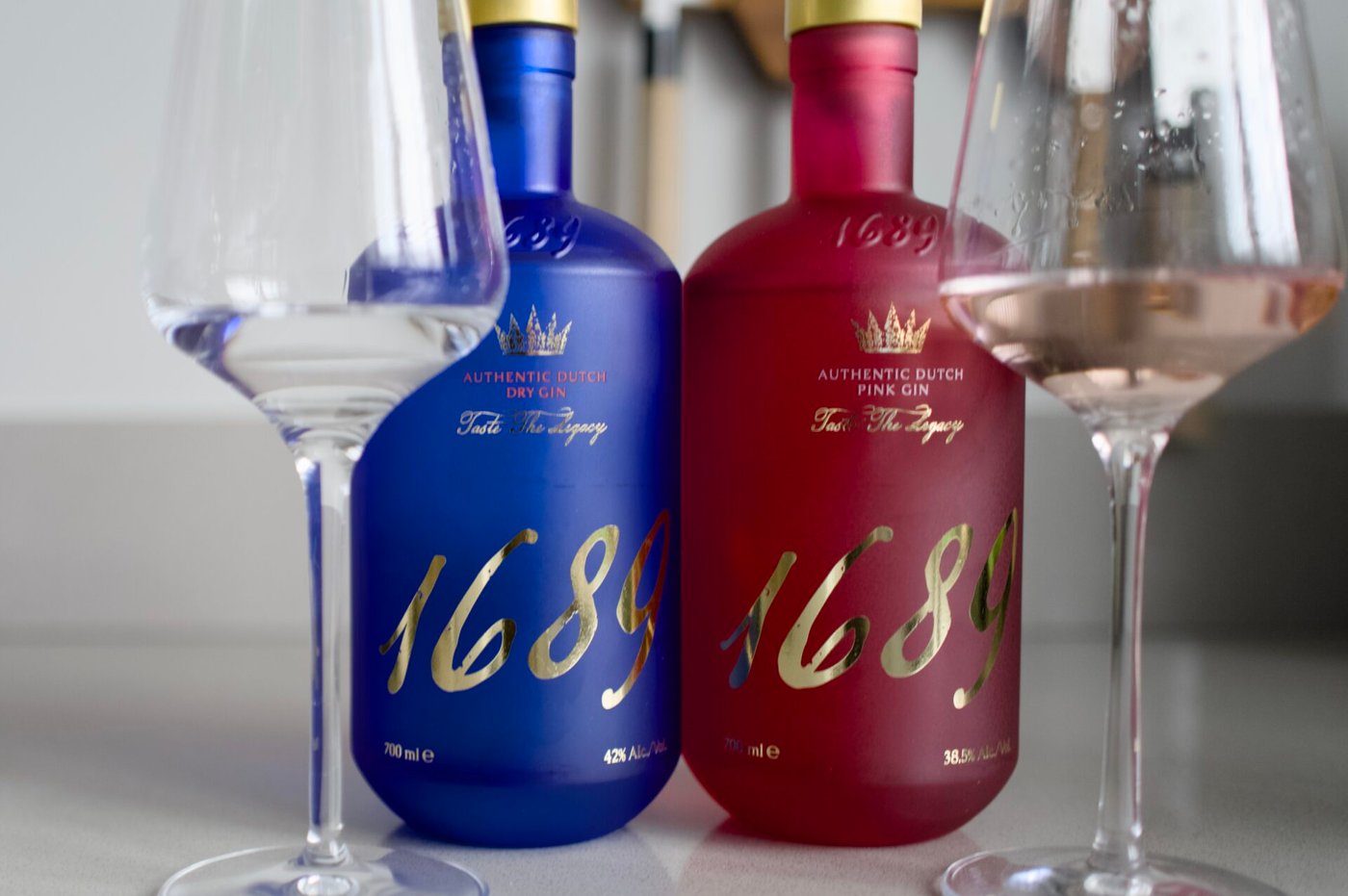
Alexander Janssens and Patrick van der Peet, two Dutch friends in London, spent eighteen months in the British Library archives. They found a gin recipe from 1689, the year William of Orange became King of England and brought his favorite Dutch spirit with him. Two bottles, dry and pink, landed on my tasting table. The question: does a historical recipe automatically make a good gin?
From archive to bottle
Janssens and Van der Peet, two Dutch friends in London, launched in 2018. Since then over 100,000 bottles, 30 countries, and a fixed spot among the top three best-selling gins at Schiphol. Gold at the Gin Masters London (super-premium), silver at the World Gin Awards, more than twelve international medals. De Telegraaf named their pink gin the best in the Netherlands.
The recipe
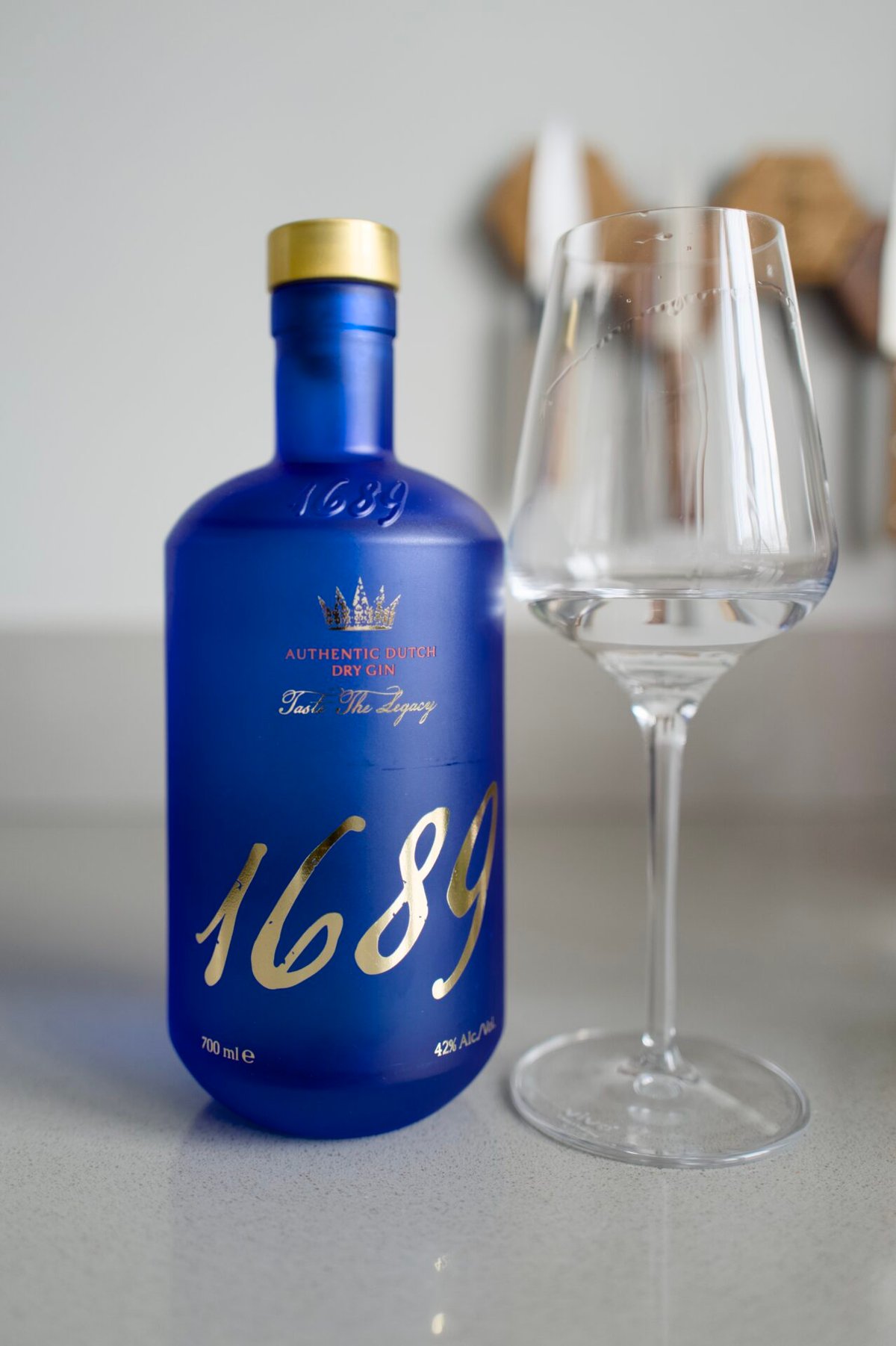
The Dutch Dry sits at 42% ABV and follows the original. Juniper as the base, plus dried quince and pippin apple (a historic apple variety), dried lemon and orange peel, and nutmeg, aniseed and clove. Spices that were costly imports in the Dutch Golden Age.
Tasting: Dutch Dry
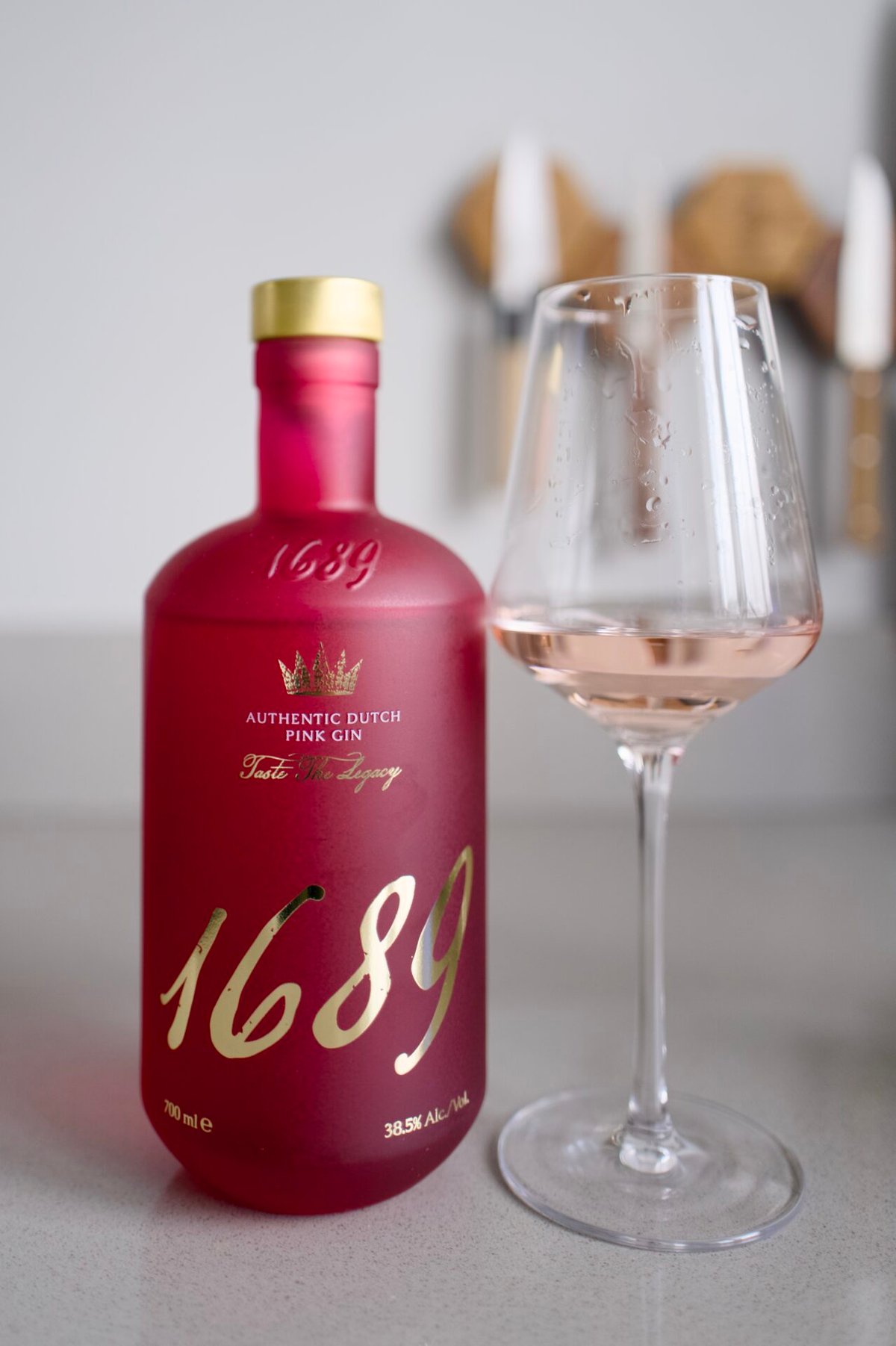
Poured into a copa glass. The nose opens with clear juniper, then quince and an unmistakable apple aroma, that’s the pippin. Beneath the fruit, spice: anise and clove come through clearly without taking over the nose.
On the palate it’s soft and balanced. None of the over-botanical gin chaos that leaves you wondering what you’re actually drinking. Classically built. Juniper is assertive but refined, fruit gives gentle sweetness without sugar, spices add warmth and depth. Smooth texture, clean finish.
Works well in a G&T (1:3 with a quality tonic, orange peel as garnish), and holds up in a Dry Martini. The spice means it doesn’t disappear behind the vermouth.
Tasting: Dutch Pink
The bottle is a statement, that pink glass really stands out. The gin itself is pink too, a rosé hue. No colorant: distillers from that era macerated their spirit with crushed red fruit, and that’s still what’s happening here.
On the nose, strawberry and raspberry, plenty of it. Underneath, the gin’s spice base, so this isn’t a fruit liqueur in disguise. Important detail: 100 percent sugar-free. Almost every pink gin gets sugar to polish the fruit notes. Not here.
On the palate the red fruit is clearly there but doesn’t dominate. You taste the Dutch Dry through it, with a layer of red fruit on top. The berries come from actual strawberry and raspberry maceration, not flavoring. Spices keep shining through, finish stays dry and fresh.
What sets it apart
Gin 1689 sits out of the botanical arms race. No exotic ingredients as USP, no invented origin story. The British Library recipe is documented, and the Dutch Dry shows why gin was loved before producers started piling things on top of each other. The pink follows the same logic: back to historic maceration instead of sugar and color.
Final thoughts
Two gins that complement each other. The Dutch Dry for those who want balance and refinement. The pink for anyone who wants pink gin without the sugary nonsense flooding the category.
Available in the Netherlands at Gall & Gall and specialty retailers. Internationally at Schiphol and in hotels including Hilton, Marriott and Soho House.
This article is based on press samples received from Alexander Janssens / Gin 1689. My assessment is entirely independent; receiving samples does not influence my verdict.
Sources
- Gin 1689 (official, recipe, distillation, product range): gin1689.com
- Difford’s Guide, Gin 1689 product data (42% ABV): diffordsguide.com
- The Gin Masters / The Spirits Business, medals: thespiritsbusiness.com
- British Library, The Distiller of London (1639) and historic gin recipes: bl.uk
More on Spirits
DOCK10 Rotterdam Vodka: Craft Spirit with Sea Lavender
DOCK10 Rotterdam Vodka from the UNESCO Van Nelle factory tasted: a craft spirit with sea lavender. Flavor profile, price, and verdict.
Read on →
Cherrapunji Gin: 42.8% from India's rainiest region
Cherrapunji Gin from Meghalaya tested: 42.8% ABV, twelve native botanicals, and how this Indian gin compares to British classics. A sommelier's review.
Read on →
Chance Vodka: Dutch Ambition, Polish Craft
Chance Vodka is rye, water and five-time distillation in Poland, with a Dutch founder behind it. An honest tasting of a premium debut.
Read on →