

DOCK10 Rotterdam Vodka: Craft Spirit with Sea Lavender
DOCK10 Rotterdam Vodka from the UNESCO Van Nelle factory tasted: a craft spirit with sea lavender. Flavor profile, price, and verdict.
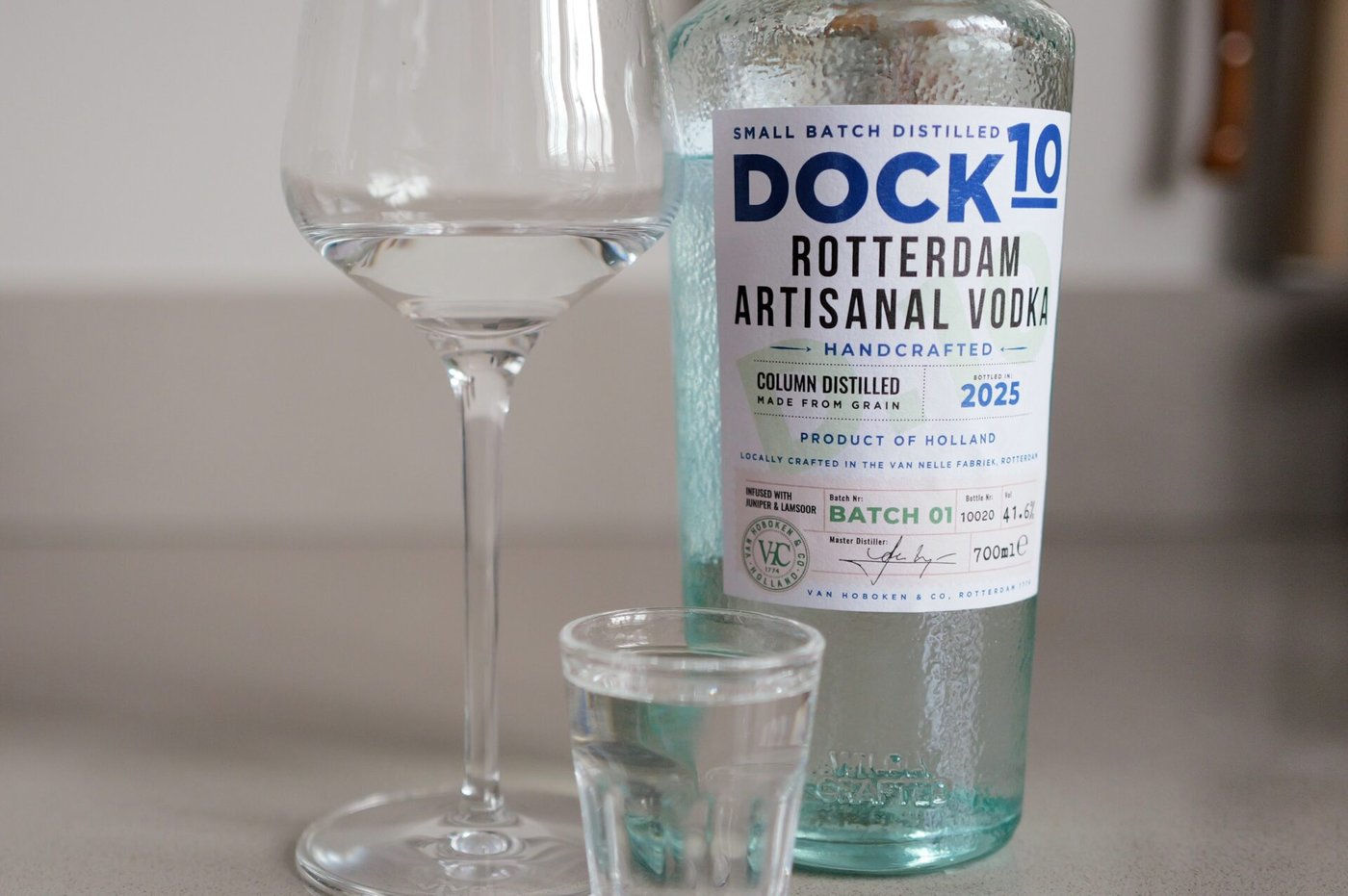
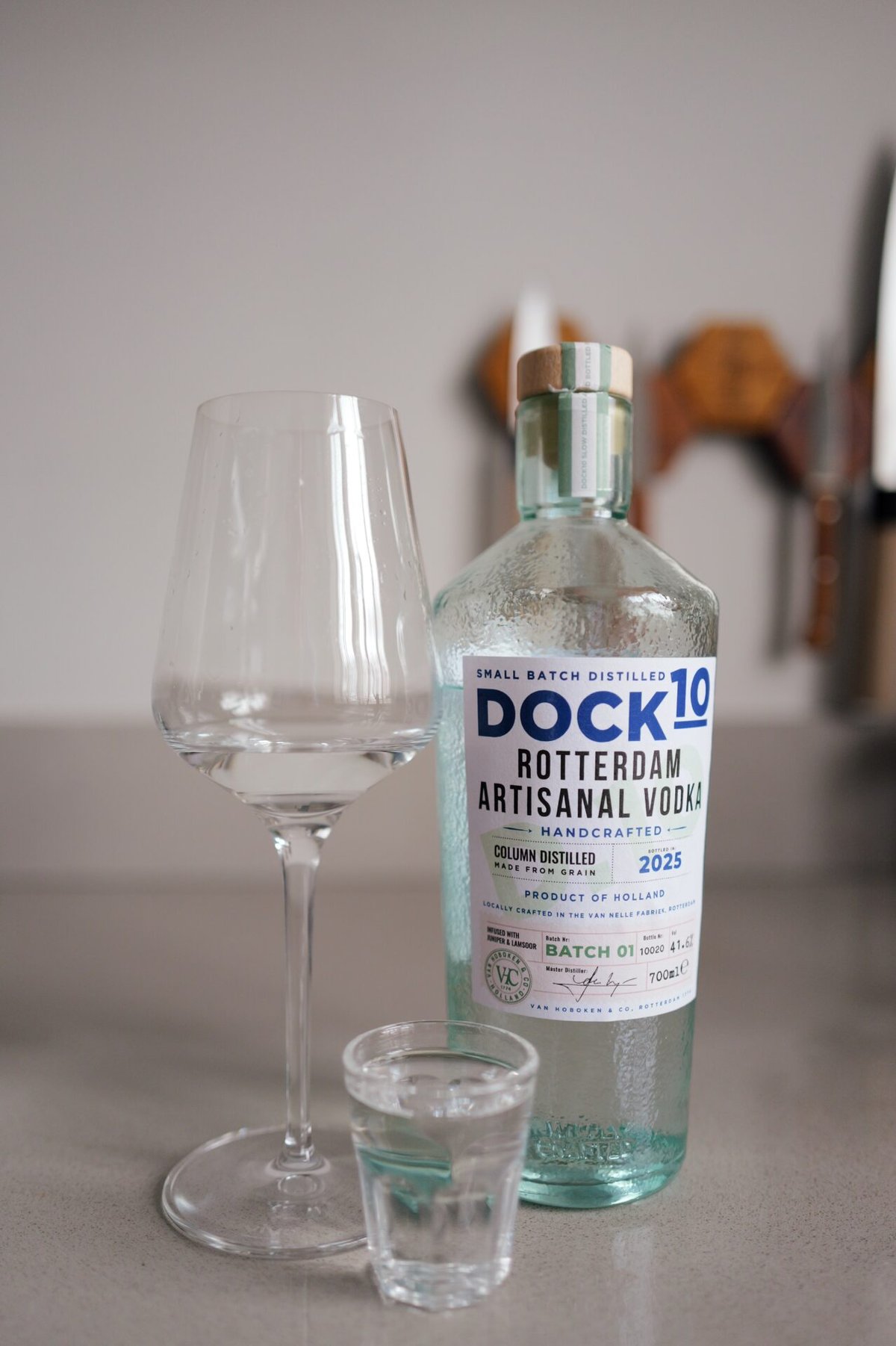
Felix from DOCK10 Rotterdam Vodka sent over a bottle. I poured it into a wine glass, because that’s how I taste here, and got going. The question I opened with: does Rotterdam actually do something distinct, or is the story stronger than the liquid?
A bottle from the Van Nelle Fabriek
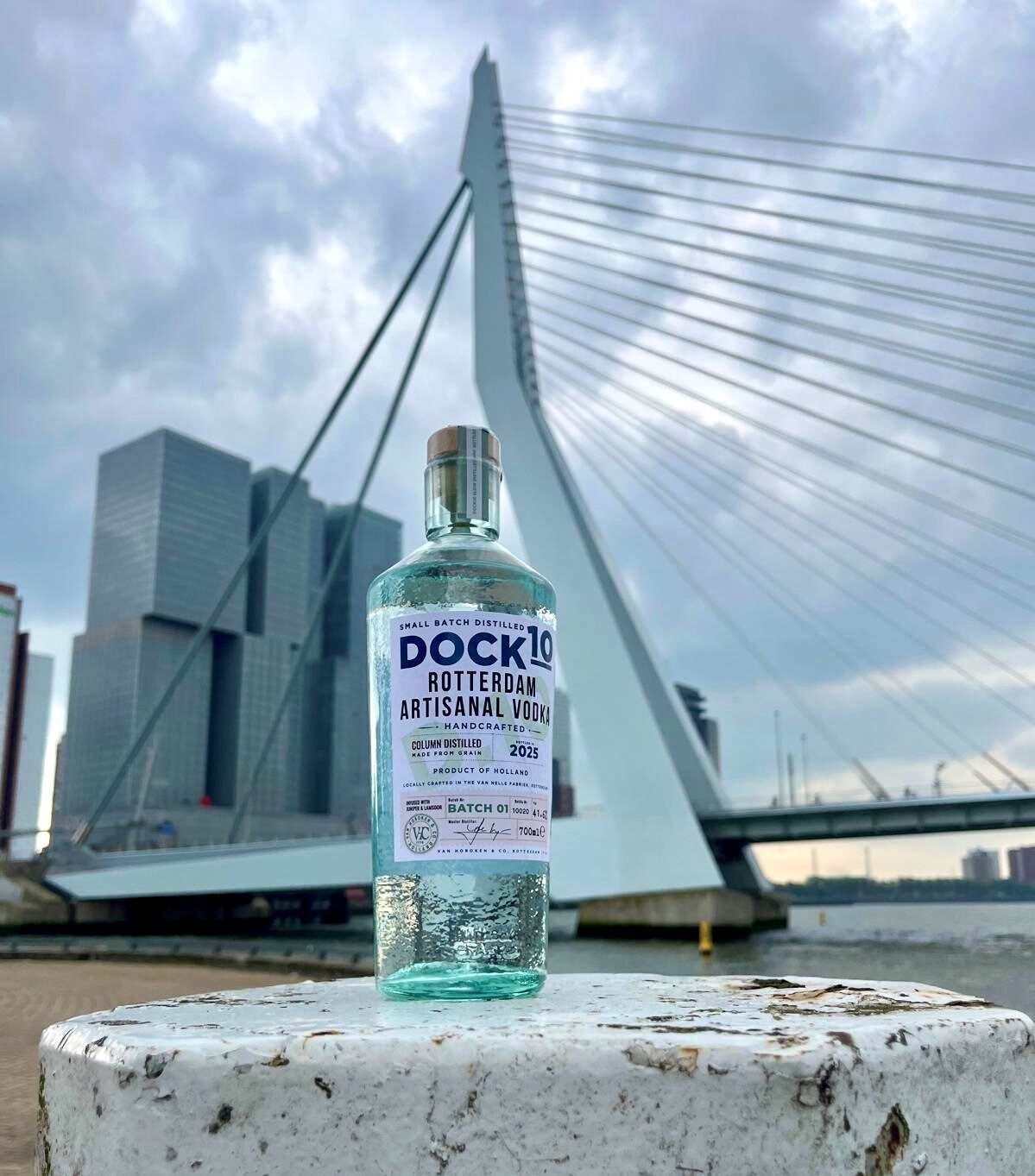
DOCK10 is distilled in the Van Nelle Fabriek, the UNESCO World Heritage modernist factory built between 1925 and 1931 that once processed coffee, tea, and tobacco. Today it houses a third-generation Schiedam distiller working in small batches at the Maas docks. At its peak in the second half of the 19th century, Schiedam was home to roughly four hundred jenever distilleries. That heritage carries through into this project.
Sea lavender from the salt marsh
The distinguishing botanical is lamsoor, Limonium vulgare, sea lavender in English. The plant grows on Dutch salt marshes, particularly where the Maas meets the North Sea. Lamsoor tolerates soil with up to 15 percent salinity, higher than seawater. It excretes excess salt through thousands of microscopic glands beneath its leaves. In sunlight you can sometimes see the salt crystals glistening.
DOCK10 hand-harvests the plant seasonally and distills it alongside juniper. Botanical vodka isn’t new. Using a specifically Dutch coastal plant is. The makers claim lamsoor lifts citrus, dampens bitterness, and adds a faint saline finish. Interesting in theory. Glass on the table.
Production
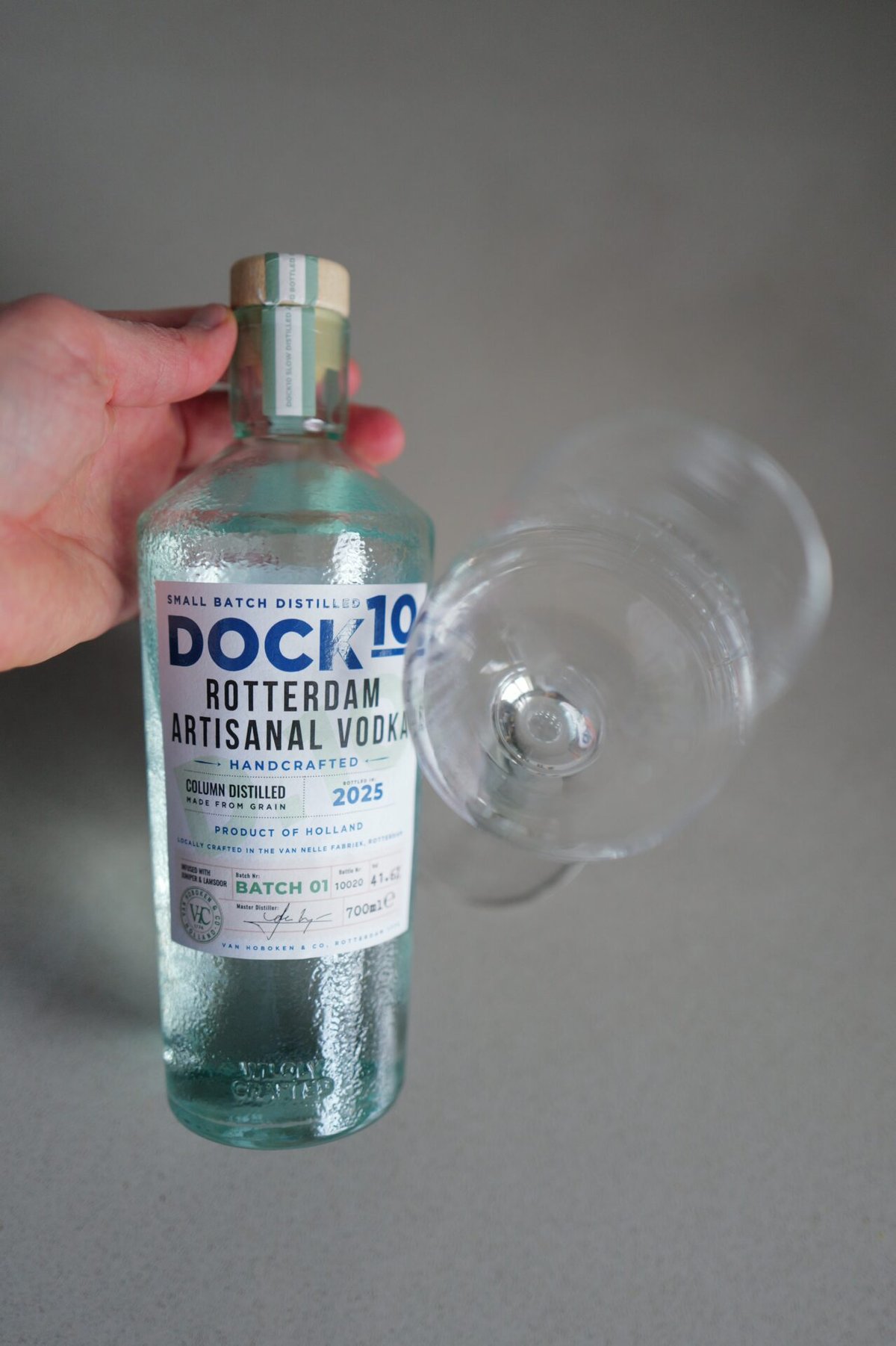
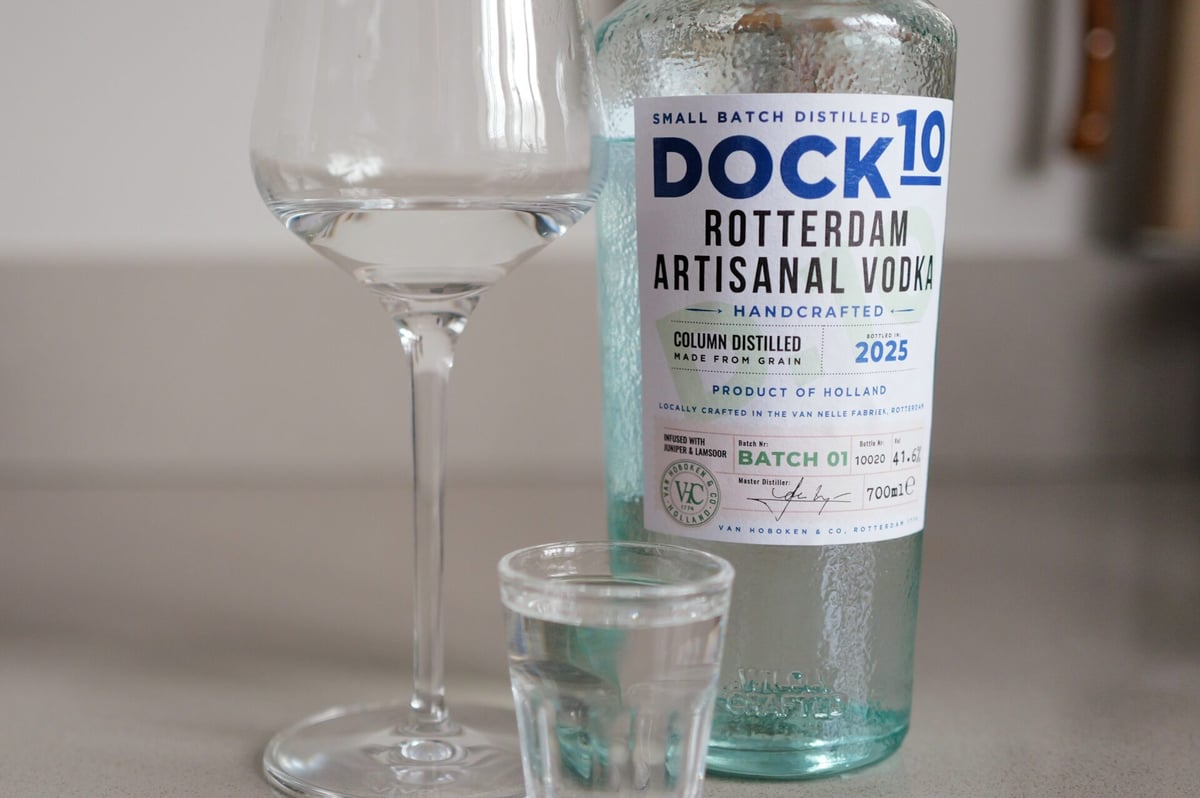
Column-distilled from grain, then cut with filtered water to 41.6% ABV and rested for six weeks. What’s missing here: which grain, and how many distillation passes. For a craft vodka at this price point, that’s a missed opportunity. No charcoal or precious-metal filtration, which preserves character but you also feel it in the finish.
Tasting
Crystal clear in the glass. The nose is quiet: grain, restrained juniper, a green cucumber-like freshness. No alcohol burn. It smells cleanly distilled.
On the palate, gentle citrus, mild herbs, and yes, a whisper of salinity around the mid-palate that reads like sea air. Silky mouthfeel, almost creamy.
Then the finish, and that’s my main objection. For 39.99 euros I want more length. The salinity the marketing leans on is there, but it disappears faster than I’d like. This is vodka with a botanical whisper, not a statement.
Where it works
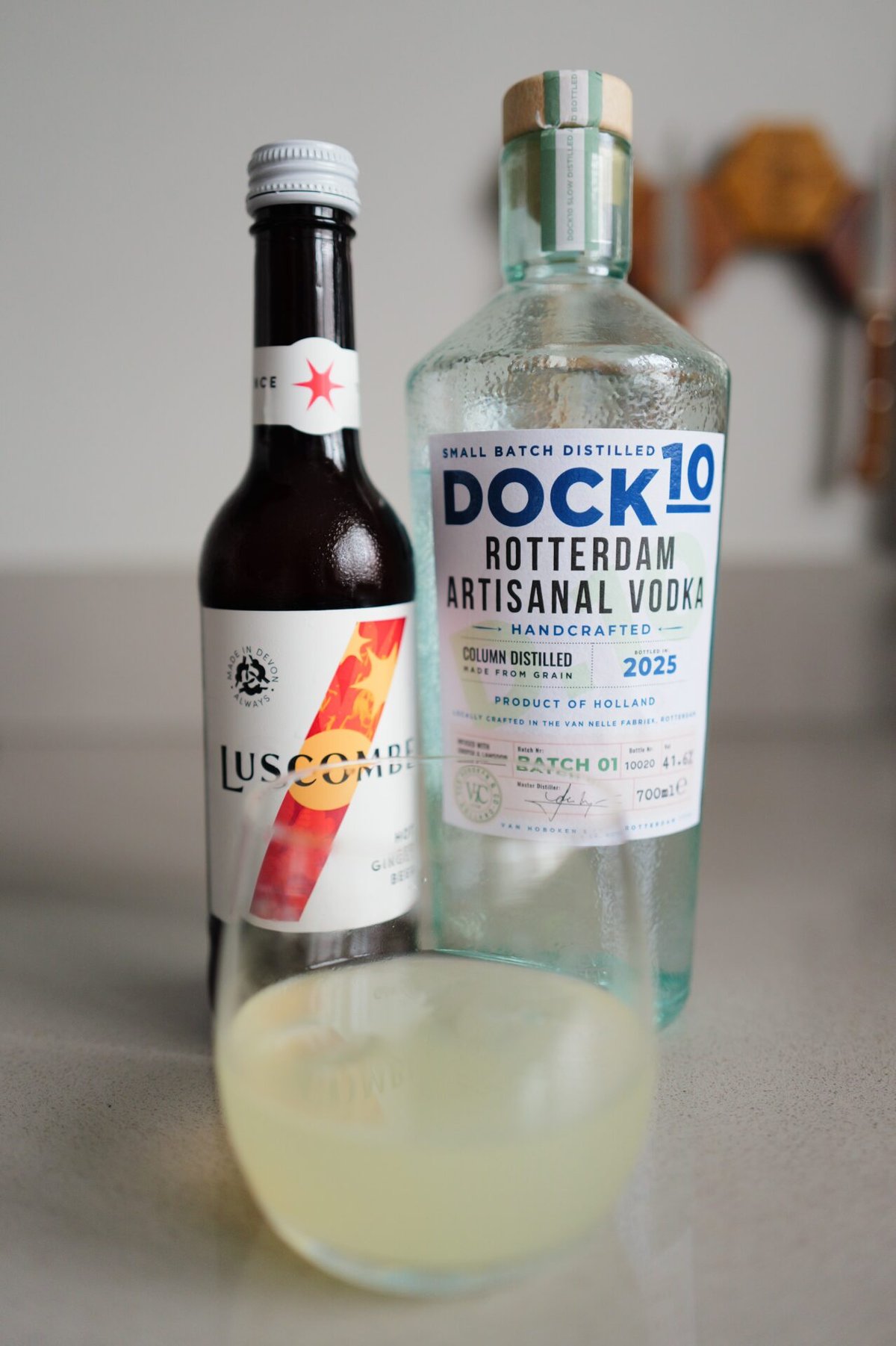
DOCK10 performs better in cocktails than neat. The Espresso Martini recipe on their own site benefits from that gentle saline undertone. In a Rotterdam Mule or a vodka-soda with lime it works fine too. Neat it’s clean but lacks the complexity and length for an evening glass.
The bottle is 100% recycled glass, made in Europe. Available at Den Toom Kralingen, Wijnhandel La Gironde, Jan van Breda, and online through Slijterij de Helm.
Final verdict
Respect for the ambition. The Van Nelle as production location isn’t a marketing stunt, it’s a real link to Dutch distilling history. The lamsoor idea is clever. But the finish is too short and the saline character too subtle to carry the 39.99 euros against established premiums at 25 to 30.
Would I buy it again? For cocktails on a Rotterdam evening, yes. On the shelf next to my other vodkas, I’d hesitate. Support local distillers. Just calibrate your expectations to realistic, not revolutionary.
Thanks to Felix from DOCK10 Rotterdam for sending the bottle. The kind of project that earns attention, even if this isn’t yet a vodka that flips the category.
More information: https://www.dock10rotterdam.nl/
Sources
- DOCK10 Rotterdam (official, production, ABV, ingredients): dock10rotterdam.nl
- UNESCO World Heritage, Van Nelle Factory (inscribed 2014): whc.unesco.org/en/list/1441
- Nationaal Jenevermuseum Schiedam, distilling history: jenevermuseum.nl
- Kew Plants of the World Online, Limonium vulgare (sea lavender): powo.science.kew.org
More on Spirits
Gin 1689 Review: Royal Recipe from the British Library
Gin 1689 revives a 300-year-old royal gin recipe found in the British Library. Two Dutch founders spent 18 months in the archives to restore it.
Read on →
Cherrapunji Gin: 42.8% from India's rainiest region
Cherrapunji Gin from Meghalaya tested: 42.8% ABV, twelve native botanicals, and how this Indian gin compares to British classics. A sommelier's review.
Read on →
Chance Vodka: Dutch Ambition, Polish Craft
Chance Vodka is rye, water and five-time distillation in Poland, with a Dutch founder behind it. An honest tasting of a premium debut.
Read on →