

Maturana Grape's Remarkable Comeback in Rioja
How Spain's nearly extinct Maturana grape was rescued in Rioja's vineyards, a story of revival, terroir expression, and wine history worth knowing.

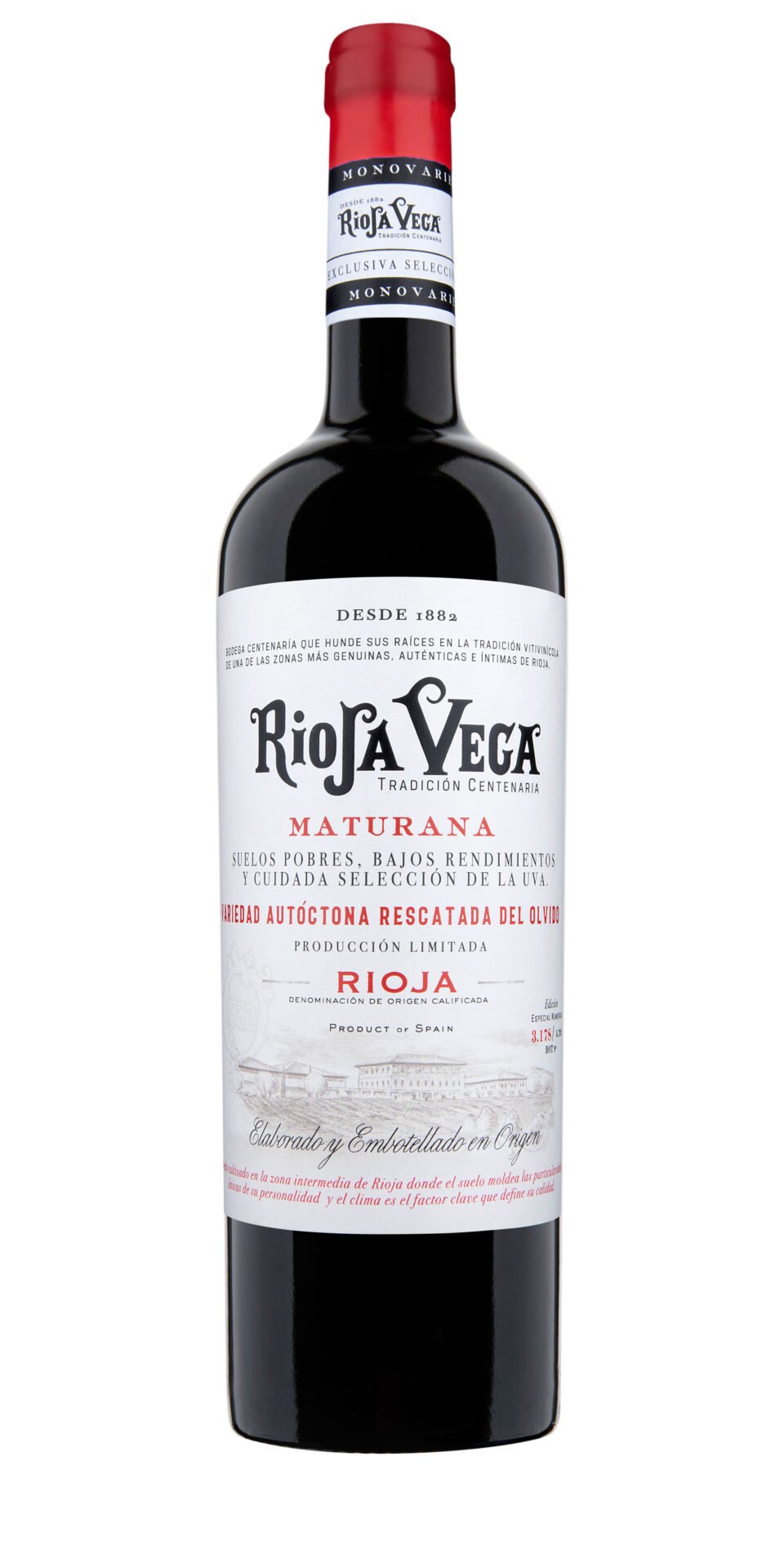
5,729 bottles produced worldwide. That’s the run of Rioja Vega’s Maturana 2021, and at less than half a percent of Rioja’s vineyards planted to the variety, you can see why. Maturana Tinta is the near-forgotten indigenous grape officially returned to the DOCa Rioja regulations in 2007. First documented reference: Nájera-Rivadavia, 1622.
How a grape almost disappears
Growers choose rationally; varieties that yield more and process more easily win in an industry running on margins. Maturana lost that calculation through the twentieth century. By the 1980s, plantings had collapsed.
The rescue project
In 1988 researchers in Navarrete launched a heritage project. They recovered 30 varieties from a single vineyard, Maturana among them. Almost two decades of clonal selection and vineyard trials followed before the Consejo Regulador admitted the grape into the DOCa rules in 2007. Today Maturana sits at just 0.43% of Rioja’s total acreage.
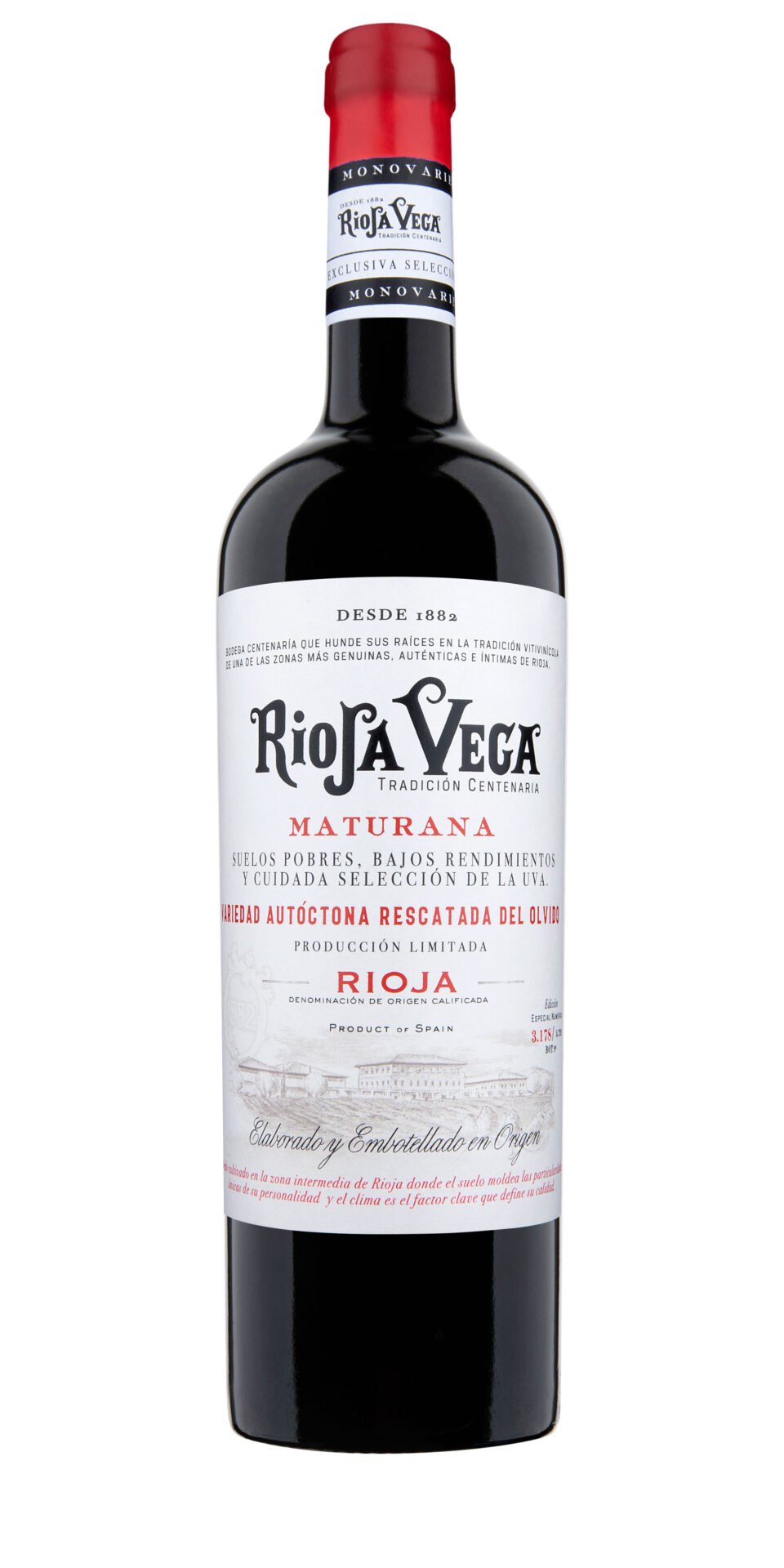
Rioja Vega 2021
Medium to high intensity garnet-violet. The nose carries intense red fruit with a streak of fresh grass, plus liquorice and eucalyptus that mark Maturana’s signature against Tempranillo. 13 months élevage in American and French oak; not heavy-handed, the wood frames the fruit.
The palate is fresh, with a velvety entry and high acidity as the spine. That acidity is varietal and can read as edgy on an open palate. For drinkers wanting structure-forward reds, that’s exactly the appeal.
At the table
Roast lamb, game such as venison or wild boar, aged sheep cheese (Idiazábal or aged Manchego). The acidity cleans the palate after each fatty bite; the oak builds a bridge to roasted or charred textures.
Verdict
Not an everyday Rioja, and at this run not a wine you’ll find in every shop. For drinkers wanting to add the lesser-known native varieties next to Tempranillo, a direct entry point. Cellar potential: ten years without trouble.
Frequently asked questions
What is Maturana?
An indigenous Rioja grape that nearly disappeared in the twentieth century, because higher-yielding varieties won out in an industry running on margins. By the 1980s barely any plantings were left.
Since when is Maturana allowed in Rioja again?
Since 2007, when the Consejo Regulador admitted it within the DOCa. That followed a heritage project begun in Navarrete in 1988, recovering thirty vine types from a single vineyard, and almost two decades of clonal selection and vineyard trials.
How does Maturana compare with Tempranillo?
More intense red fruit, with fresh grass, liquorice and eucalyptus as the markers that set it apart from Tempranillo. Acidity runs higher, which suits roast lamb, game and aged sheep’s cheese such as Idiazábal. Cellaring potential of about ten years.
Sources
- Consejo Regulador DOCa Rioja: riojawine.com
More on Wine Review
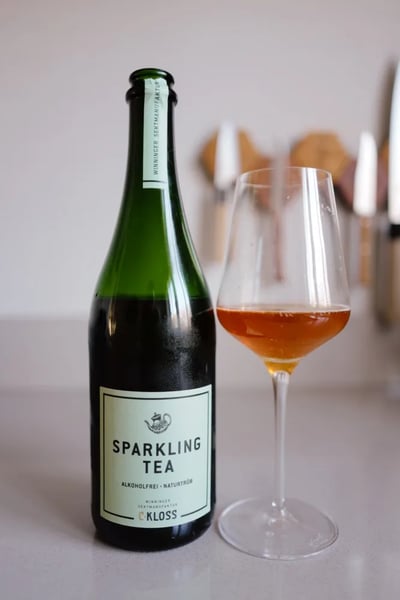
C. Kloss Sparkling Tea Weiss: Fermented Celery
Non-alcoholic sparkling tea Weiss from C. Kloss: linden blossom, nettle and fermented celery. Dry, 2.7 g sugar per 100 ml, €14.99 at Amavine.
Read on →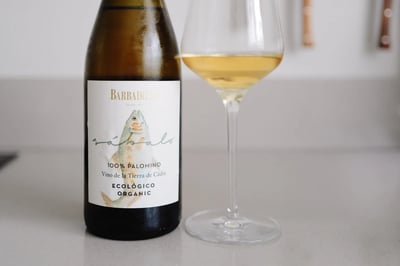
Barbadillo Sábalo: Organic Palomino Without Flor
Organic Palomino Sábalo from Barbadillo: no flor, salt from albariza soil. Chamomile, apple, sea. €17.95 at Granada Wijnen, with discount code.
Read on →
Tua Rita Lodano Rosso 2024: Petit Verdot Leads
A €50.95 Super Tuscan built on 60 percent Petit Verdot and 18 months of barrique. Why I chill it, decant it and never drink it without food.
Read on →