

Vigneron Champagne: Why Small Producers Win
Why choose a vigneron champagne over a well-known brand? More quality, more authenticity and better value. Everything about these small-producer bubbles.

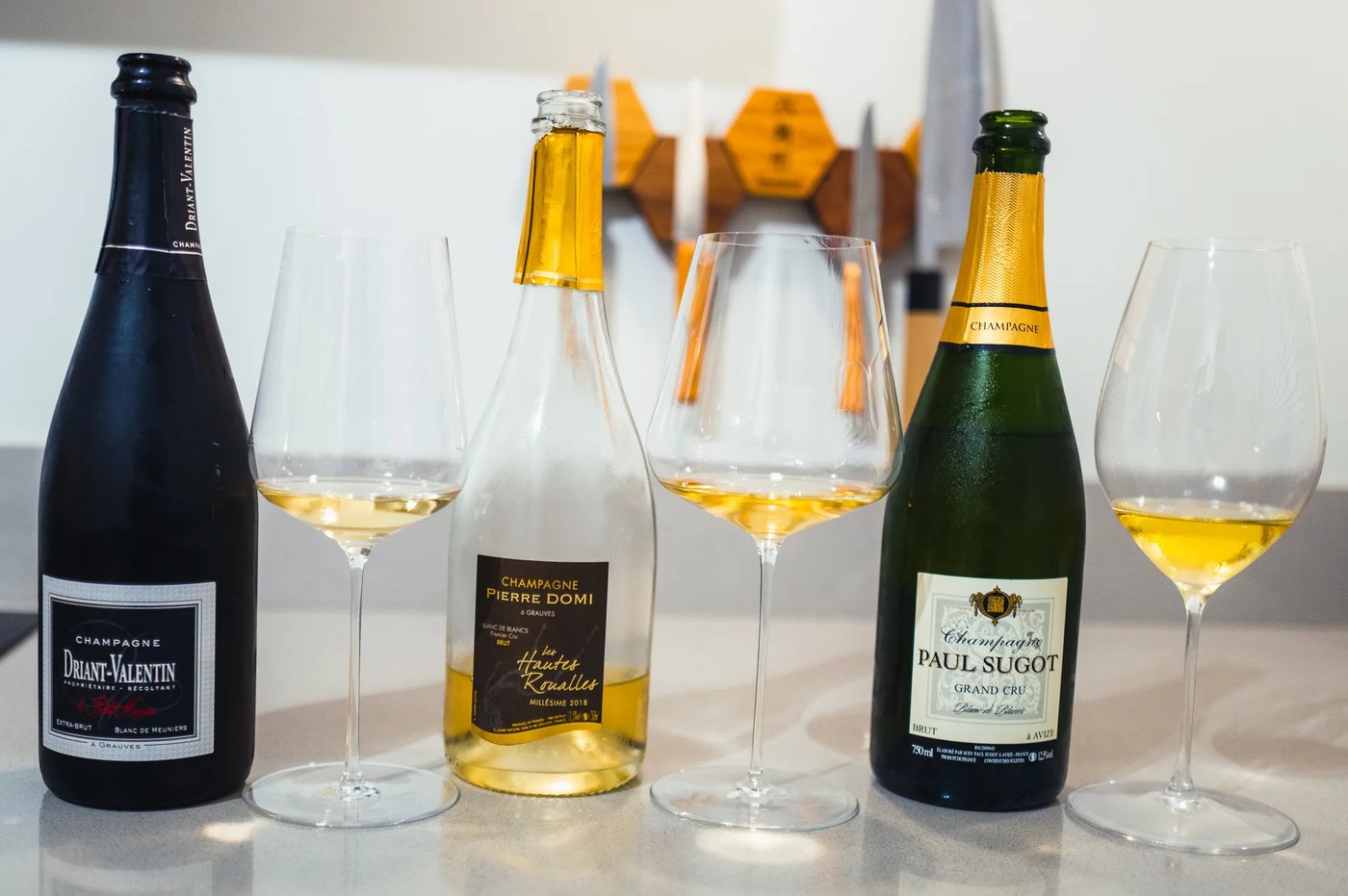
RM on the label. Récoltant-Manipulant, grower who makes their own champagne from their own vineyards. Vigneron champagne instead of negociant champagne, and at the same price the first almost always wins on value. Bubbelbroeders imports these houses exclusively; three of their picks land below.
Vigneron versus negociant: short version
The big houses buy grapes and base wines from hundreds of growers, blend for consistency, and spread marketing budgets across millions of bottles. Vigneron producers work their own parcels, blend for terroir expression, and have no advertising budget. The same euro in an RM bottle more often delivers more wine for your money than the same euro in a major house’s bottle.
Reading the label
“Récoltant-Manipulant” or “RM” in small letters at the bottom of the label. Beyond that: check the disgorgement date when listed. A recent disgorgement means less time after sediment removal, so fresher. Store the bottle on its side until opening, and buy from an importer that turns stock fast.
Three bottles
Driant Valentin: Le Pinot Meunier, Extra Brut
100% Pinot Meunier, 2 g/L dosage. Matte black bottle. Delicate mousse, light yellow in the glass. The nose runs floral and aromatic, with light apple, violet, peach and nectarine. A green apple under-layer, herbal. Dry acidity carries the character. Works as opening pour, or with oysters.
Pierre Domi: Les Hautes Roualles, Millésime 2018
100% Chardonnay, 6 g/L dosage. Medium yellow, fine sustained mousse. The nose carries lemon zest, orange, vanilla, light oak, concentrated apple. On the palate apple, citrus, a nutty touch. Medium acidity. Ripeness from old vines (around 150 years). Pairs with salty dishes: lentils, chorizo, hake stew.
Paul Sugot: Grand Cru Vieilles Vignes, Brut
100% Chardonnay, 5.5 g/L dosage. Vines 48 to 110 years old, minimum 10 years bottle aging. Sublime fine mousse, medium yellow. Aromas of brioche, butter, croissant, vanilla and coconut. On the palate rich: toasty brioche, buttery croissant, apple, pear, herbs. Medium-plus acidity, dry finish, long aftertaste. Pairs with fish or French cheese. To start more accessibly: try the Paul Sugot Blanc de Blancs Brut first.
Verdict
Three different characters, three times a better value-for-money than a comparable big-name house would deliver. Vigneron champagne doesn’t automatically win; it does when the importer chooses with attention. Bubbelbroeders does that consistently.
More info: bubbelbroeders.nl
Sources
- Comité Champagne (CIVC): champagne.fr
- INAO: Cahier des charges Champagne: inao.gouv.fr
More on Wine Review
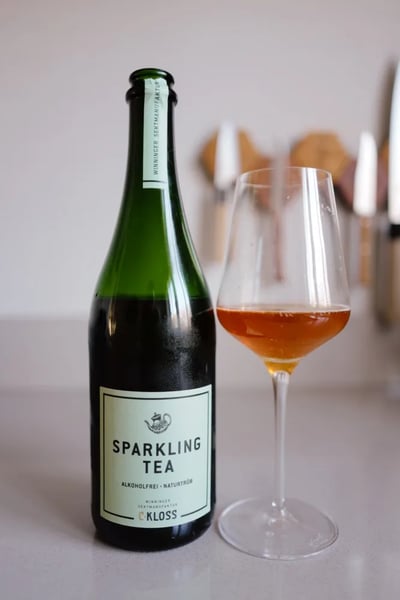
C. Kloss Sparkling Tea Weiss: Fermented Celery
Non-alcoholic sparkling tea Weiss from C. Kloss: linden blossom, nettle and fermented celery. Dry, 2.7 g sugar per 100 ml, €14.99 at Amavine.
Read on →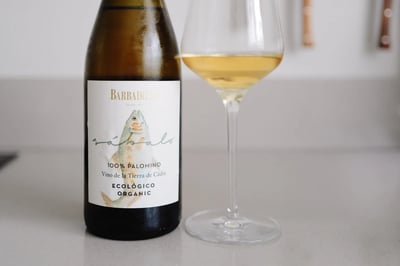
Barbadillo Sábalo: Organic Palomino Without Flor
Organic Palomino Sábalo from Barbadillo: no flor, salt from albariza soil. Chamomile, apple, sea. €17.95 at Granada Wijnen, with discount code.
Read on →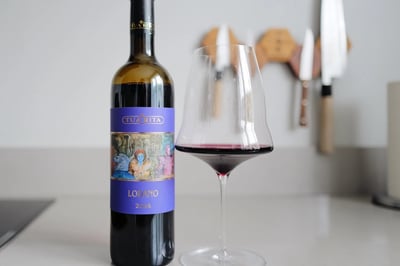
Tua Rita Lodano Rosso 2024: Petit Verdot Leads
A €50.95 Super Tuscan built on 60 percent Petit Verdot and 18 months of barrique. Why I chill it, decant it and never drink it without food.
Read on →