

Tastin' France 2024: Thirty Producers, One Pattern
Tastin' France 2024 in Amsterdam: thirty French producers from nine regions. Organic, biodynamic, and lighter drinking set the tone.
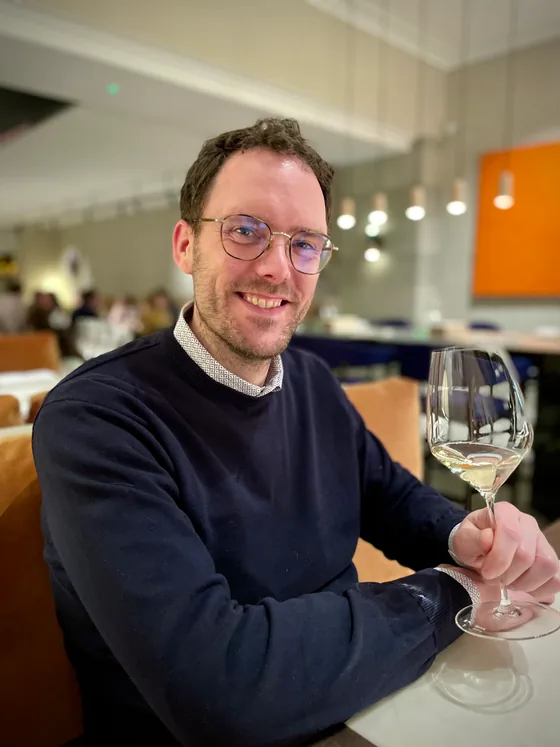
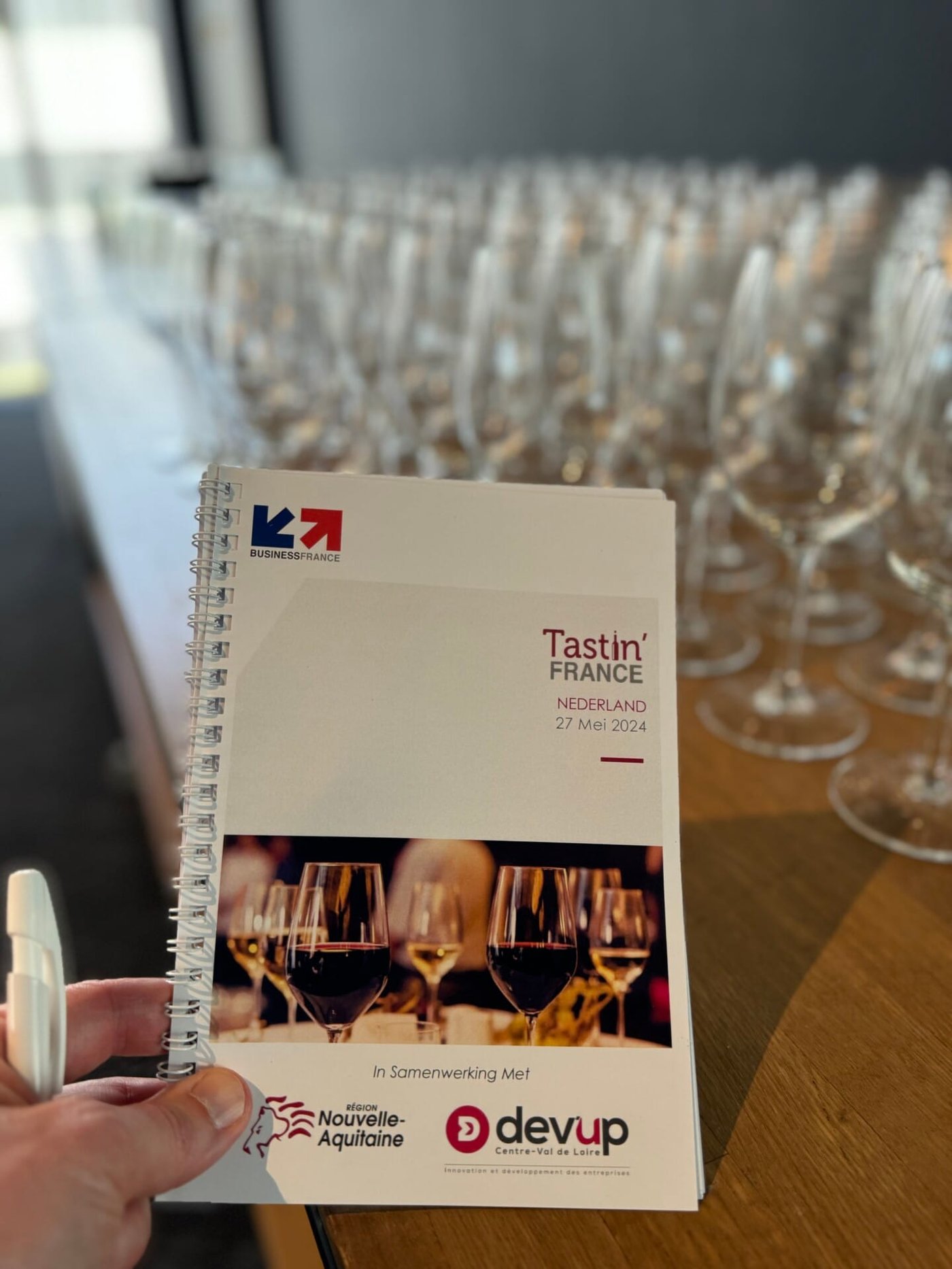
Tastin’ France 2024 in Amsterdam, hosted by Business France. Thanks to Michèle Lainé for the invite. About thirty French producers from nine regions: Champagne, Loire, Beaujolais, Rhône, Provence, Languedoc, Roussillon, and Bordeaux.
A pattern showed up immediately. Lower alcohol, approachable, not over-polished. Drink less, drink better.
Setup and organization
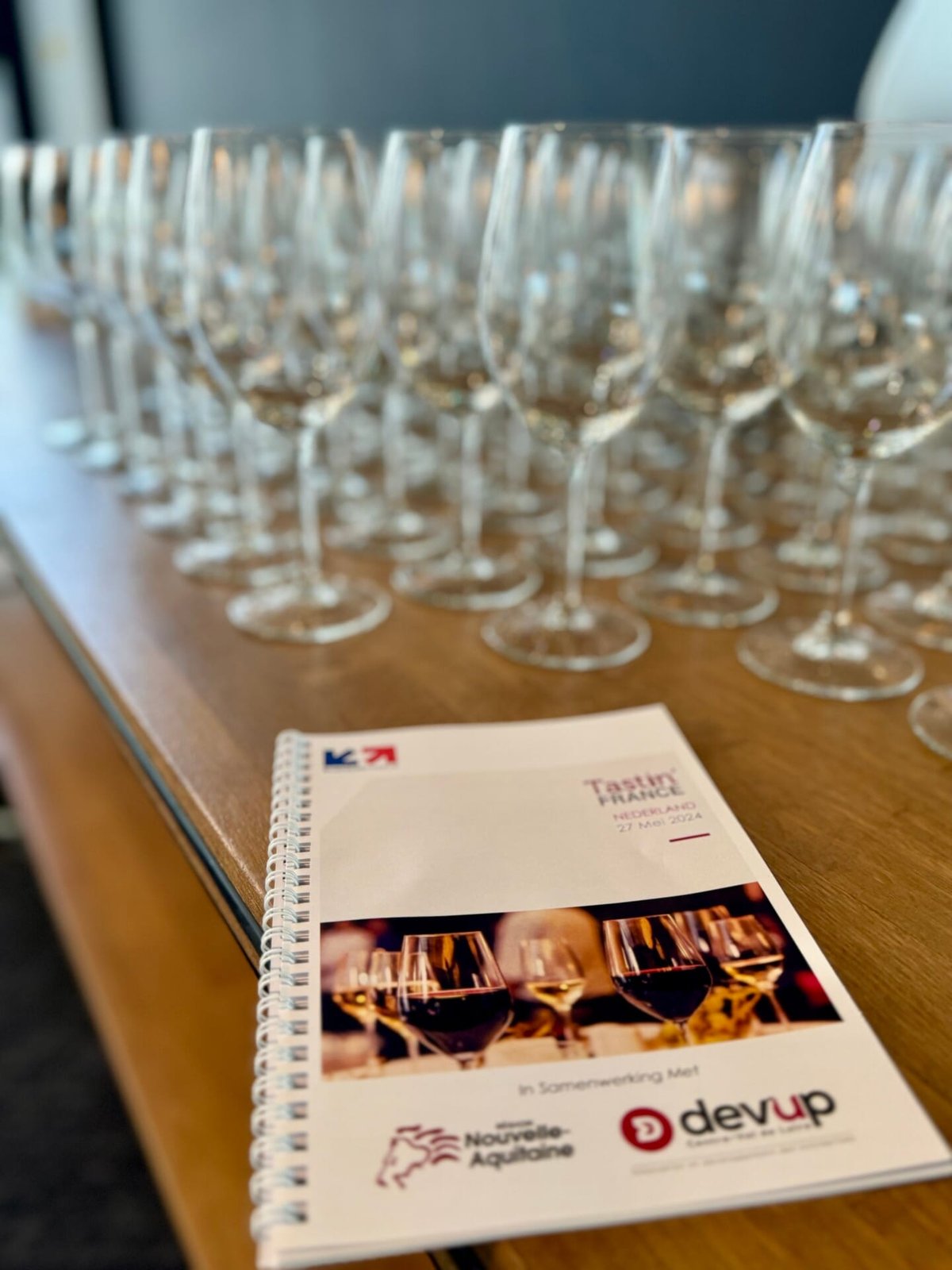
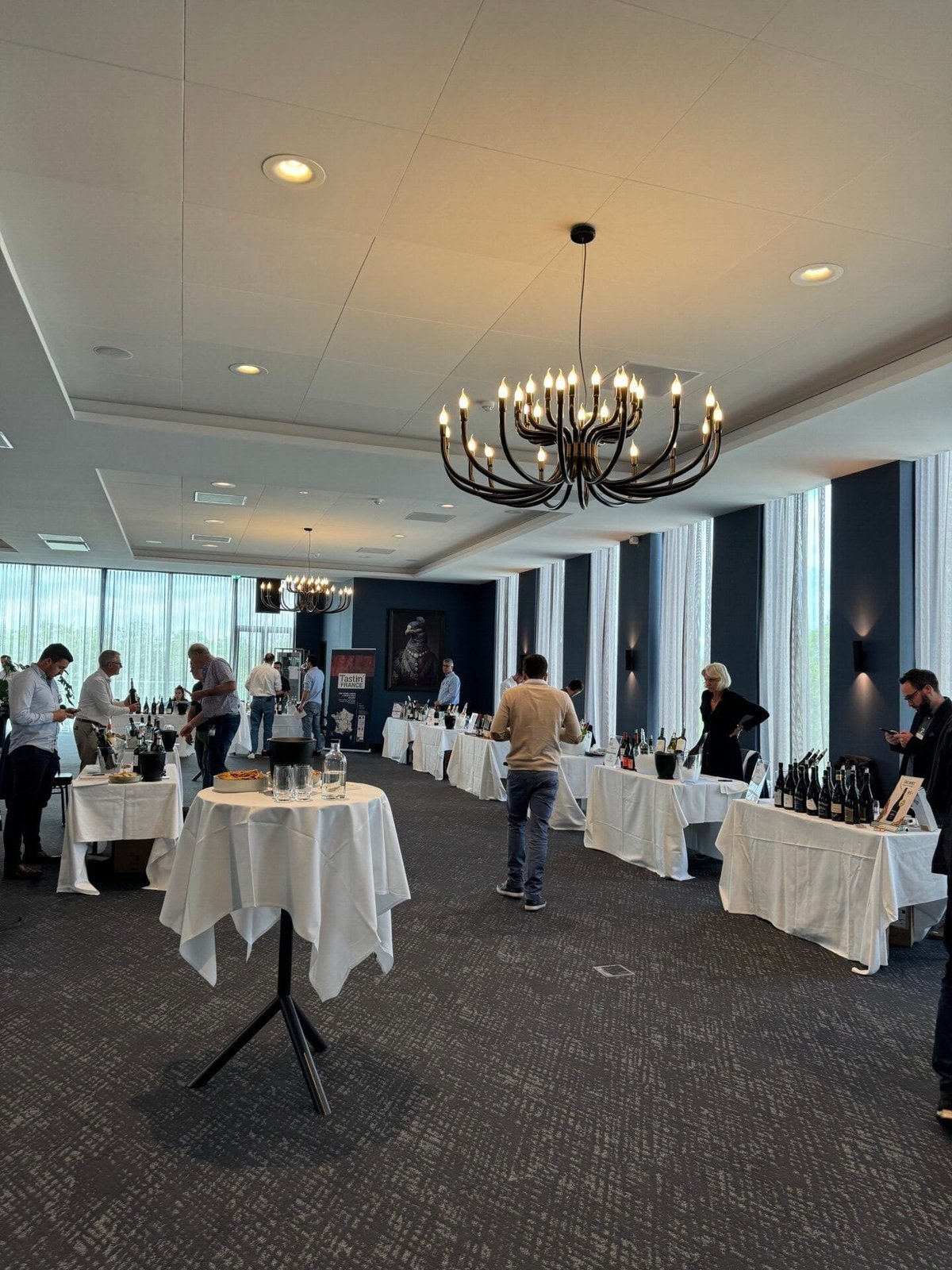
Tightly run event, with room for winemakers entering or expanding in the Netherlands. The tasting booklet helped me prioritize. Many producers are converting to organic or biodynamic farming. A handful from Champagne, Loire, Provence, Languedoc, and Bordeaux stuck with me.
Relaxed atmosphere, room laid out in the same order as the booklet. Easy to navigate.
Trends I noticed
Winemakers keep moving toward organic and biodynamic practices, both in vineyard and cellar. Certification is a long road, especially for smaller estates with limited time and budget.
Drink less, drink better
In France, the Netherlands, and elsewhere, more people are drinking less alcohol. When they do open a bottle, they want it to count. A dinner, a party, a Friday night. The bottle has to deliver.
Producers respond with fresh, lighter styles at a high level. Organic and biodynamic wines are gaining ground, driven by health and environmental concerns. I’m fully behind it. New motto: less, but better.
Highlights from the tasting
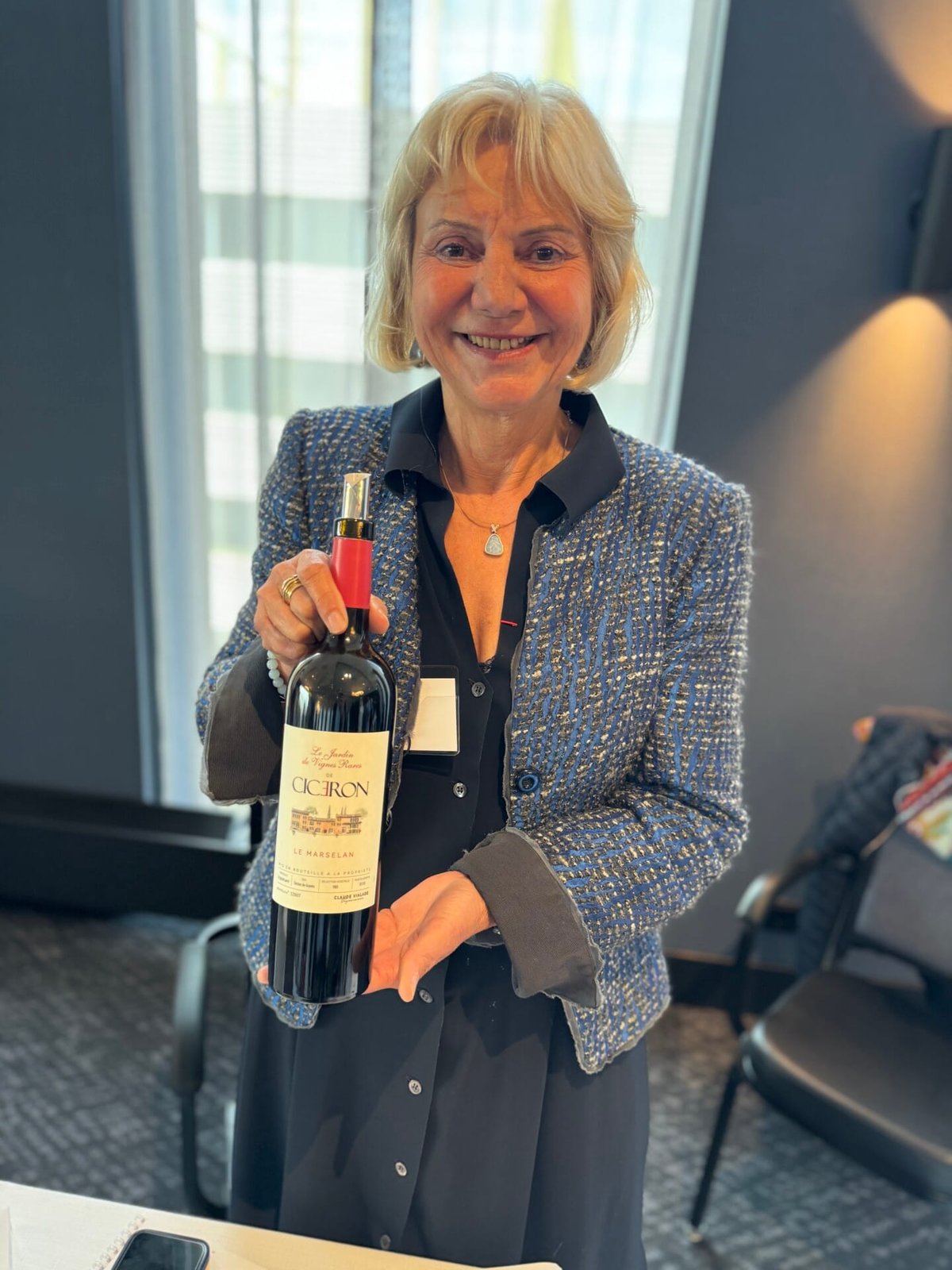
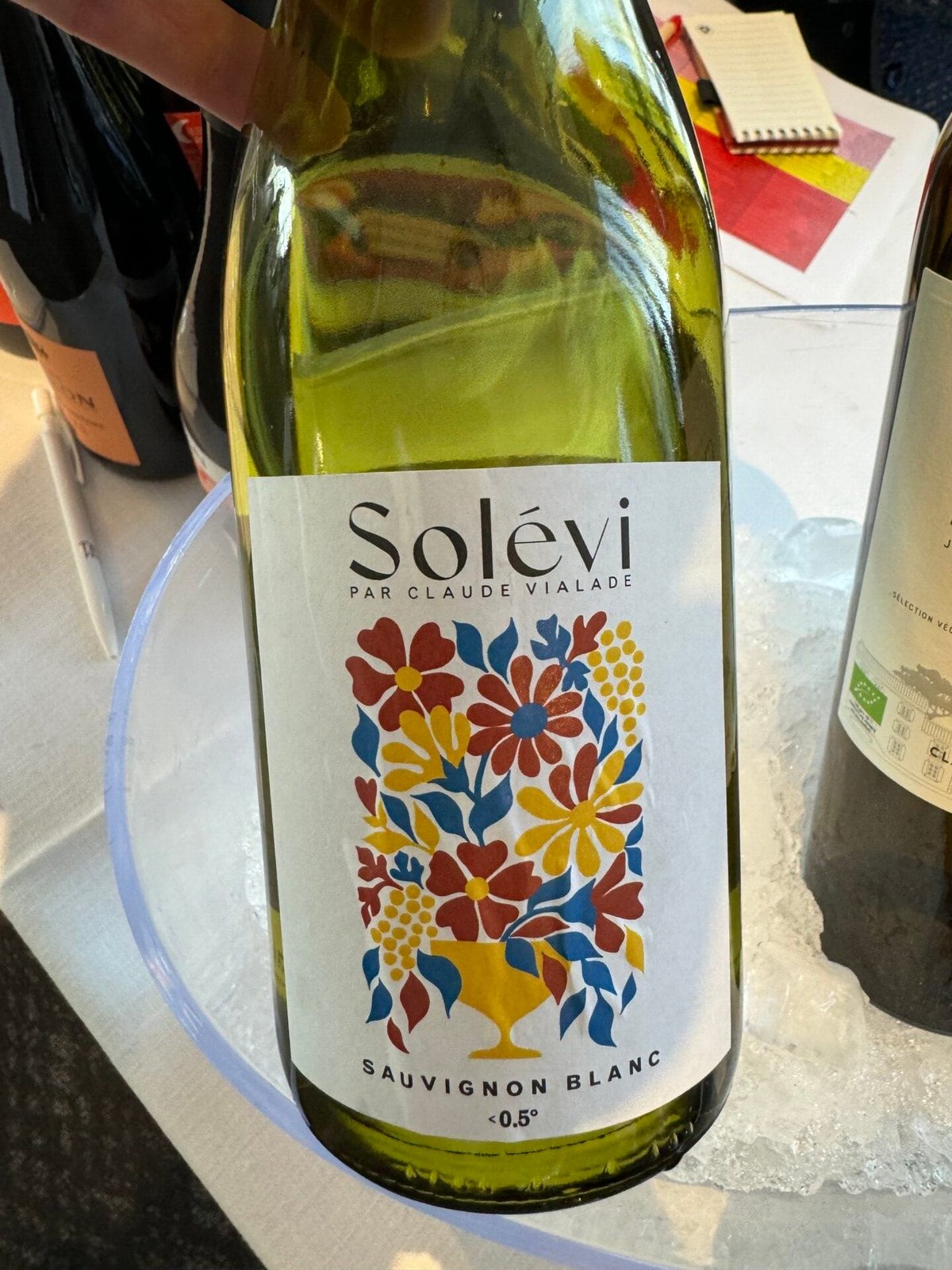
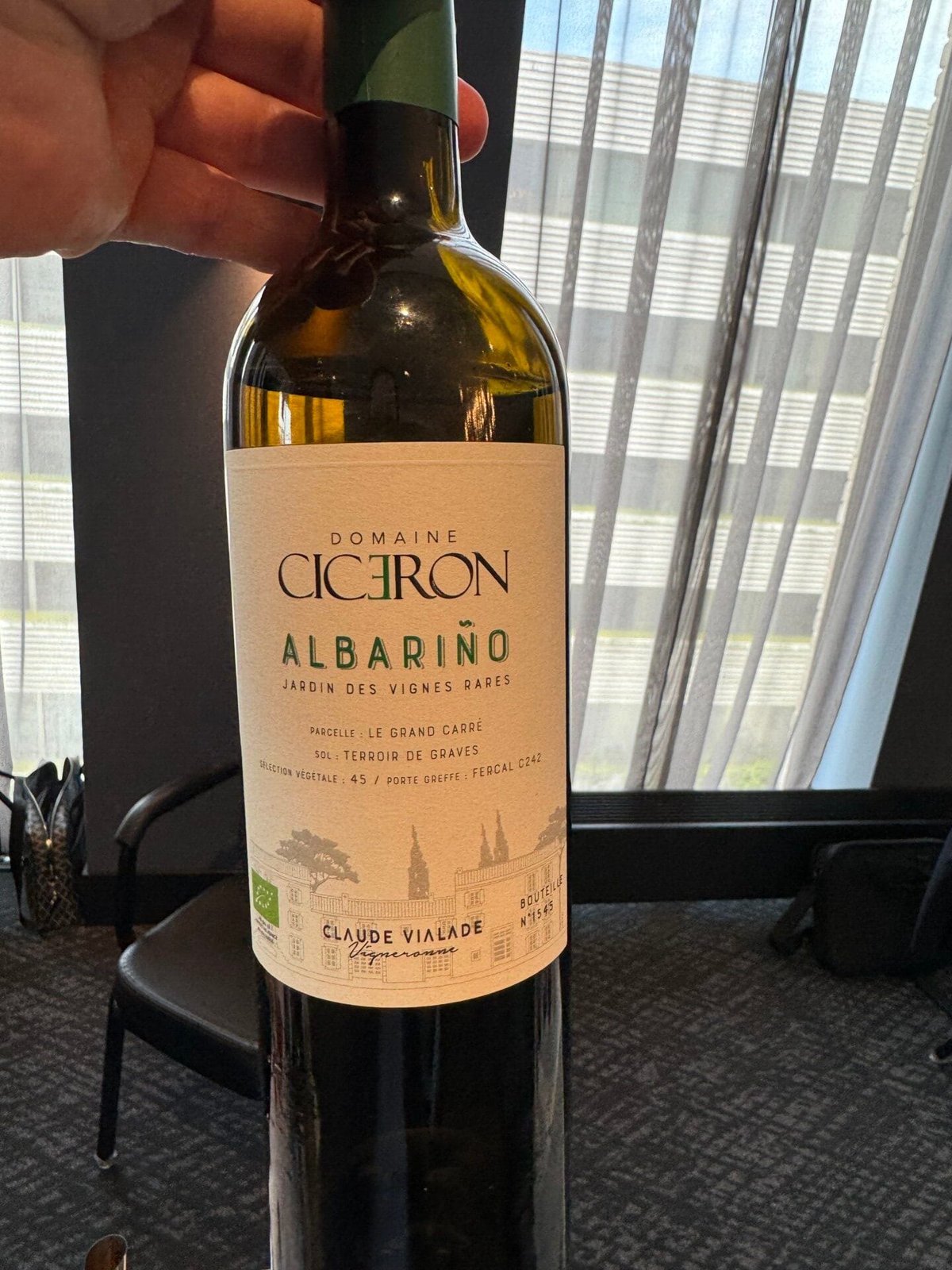
A few wines that stood out for character and freshness.
Champagne | Champagne Étienne Oudart
Domaine Étienne Oudart, established in Brugny in 1958. Jacques and Maxime Oudart focus on quality and sustainable viticulture. Vines grow undisturbed for full balance. In 2018 they earned the “Viticulture Durable en Champagne” and HVE labels.
They set dosage blind, with six tasters and four bottles at 0, 6, 8, and 10 g/l. The favorite wins. Subtle, round, fresh house style. Thanks to Jacques and Maxime for the conversation.
Brut Origine, Soft mousse, green apple, peach, pear. Light butter and brioche, toast on the finish. Refined.
Brut Référence, Same DNA as the Origine but more serious. More toast, spice, with a fruity core.
Chardonnay Vintage 2022, Sandy terroir on the southern slopes. Rich and ripe, crisp acidity, red apple, pear, peach, nectarine, melon, lime, lemon, a hint of lemon curd.
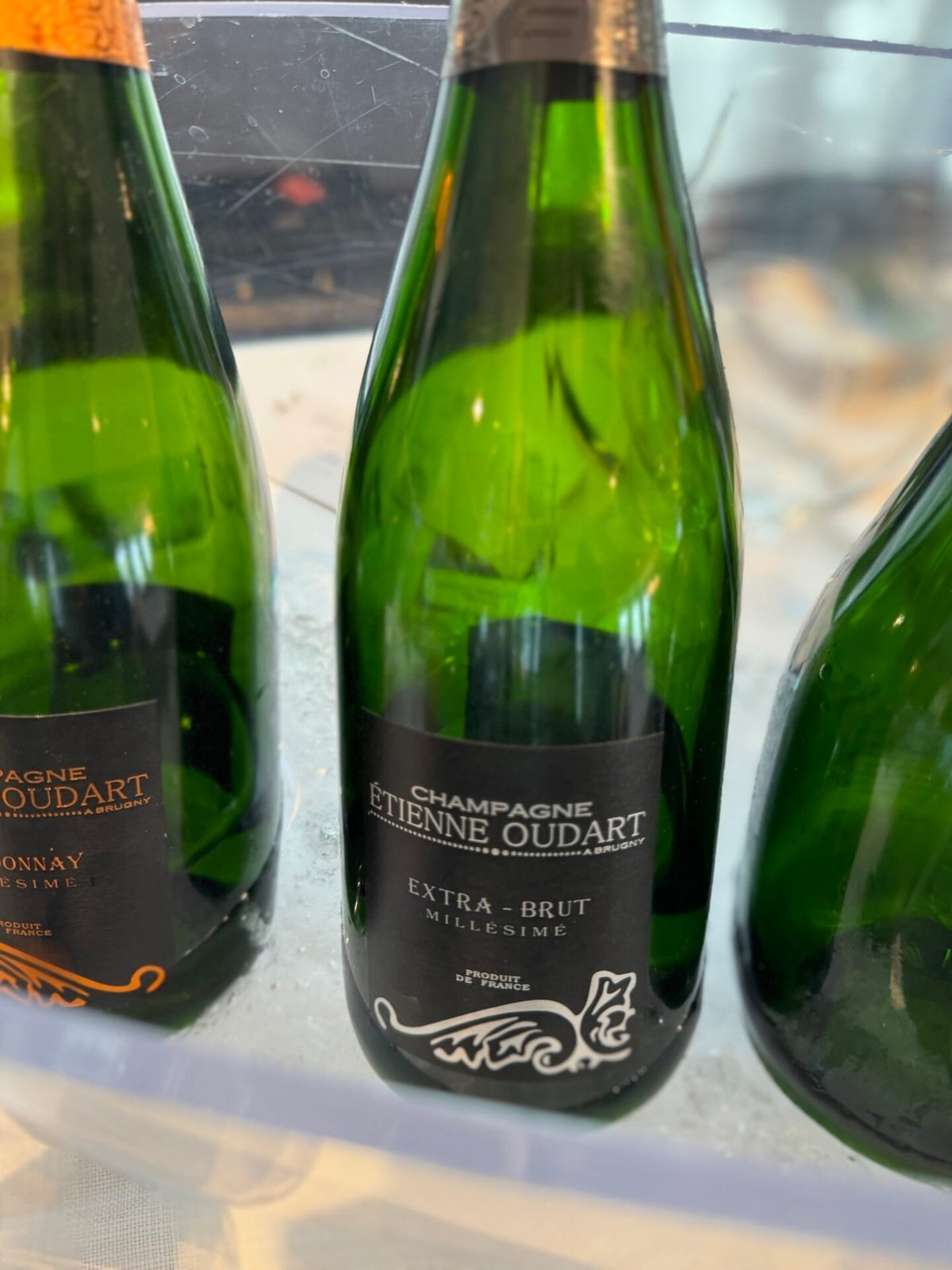
Extra-Brut Vintage 2015, 25% Meunier, rounder. Firm structure, still approachable. Dry, mineral, deep. One of my favorites.
Blanc de Noirs, 50% Pinot Noir, 50% Meunier. Structure, roundness, intense fruit.
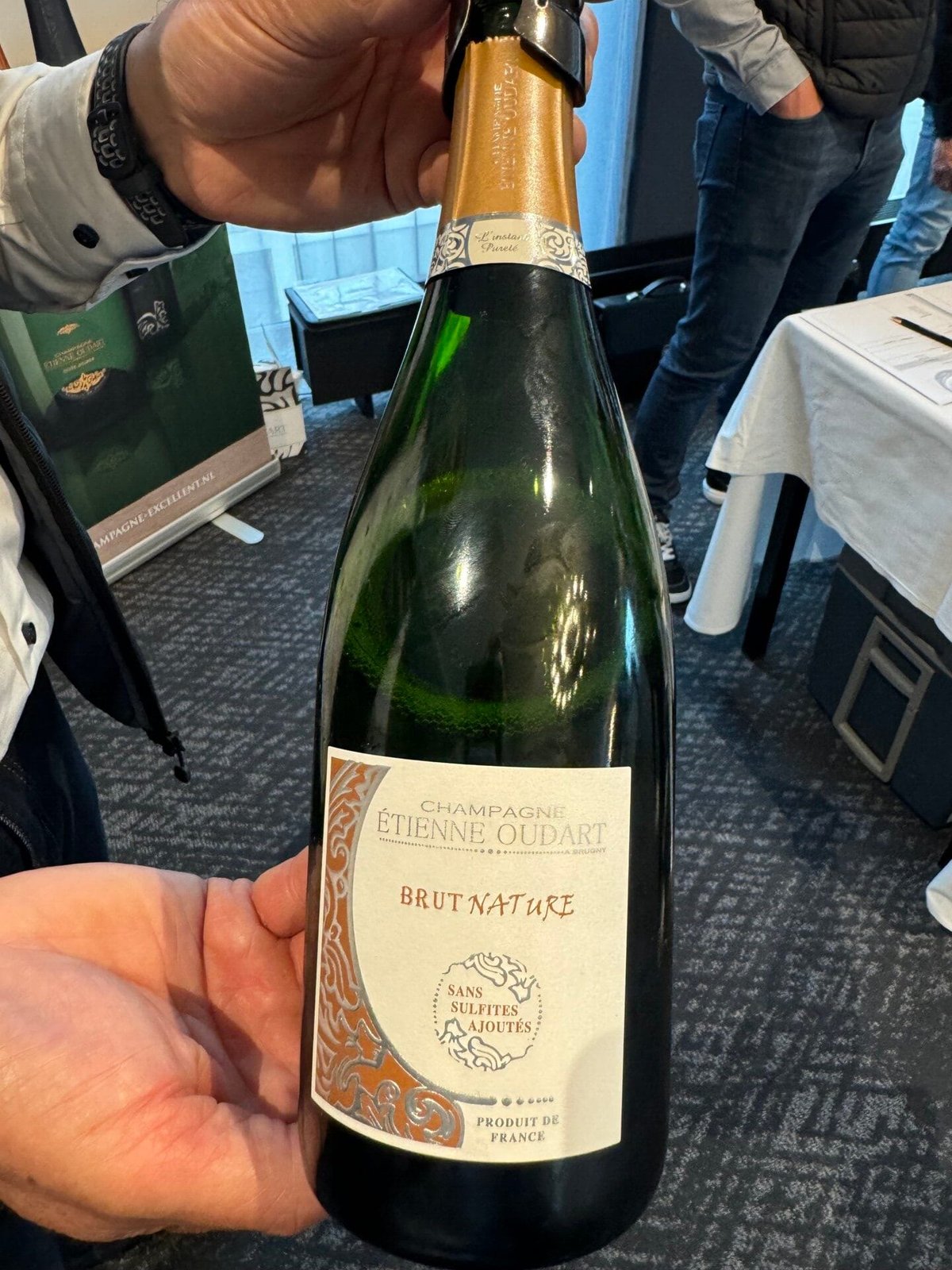
Abrugny Brut Nature Sans Sulfites, Spontaneous fermentation, no sulfites, dosage with native yeast and no sugar. Wild, lively, with a rough edge. Lots of fruit, same recognizable hand. An experiment with room to grow, but interesting.
Champagne | Champagne Patis-Paille
Patis Pluriel represents a younger generation. Philosophy: respect for everything alive, from vineyard to cellar. They run things like a lab, with small batches and blends that shift year to year. Goal: express each cuvée’s terroir without sulfites, brut and unfiltered.
The wines are still looking for a Dutch importer. Someone should pick this up fast.
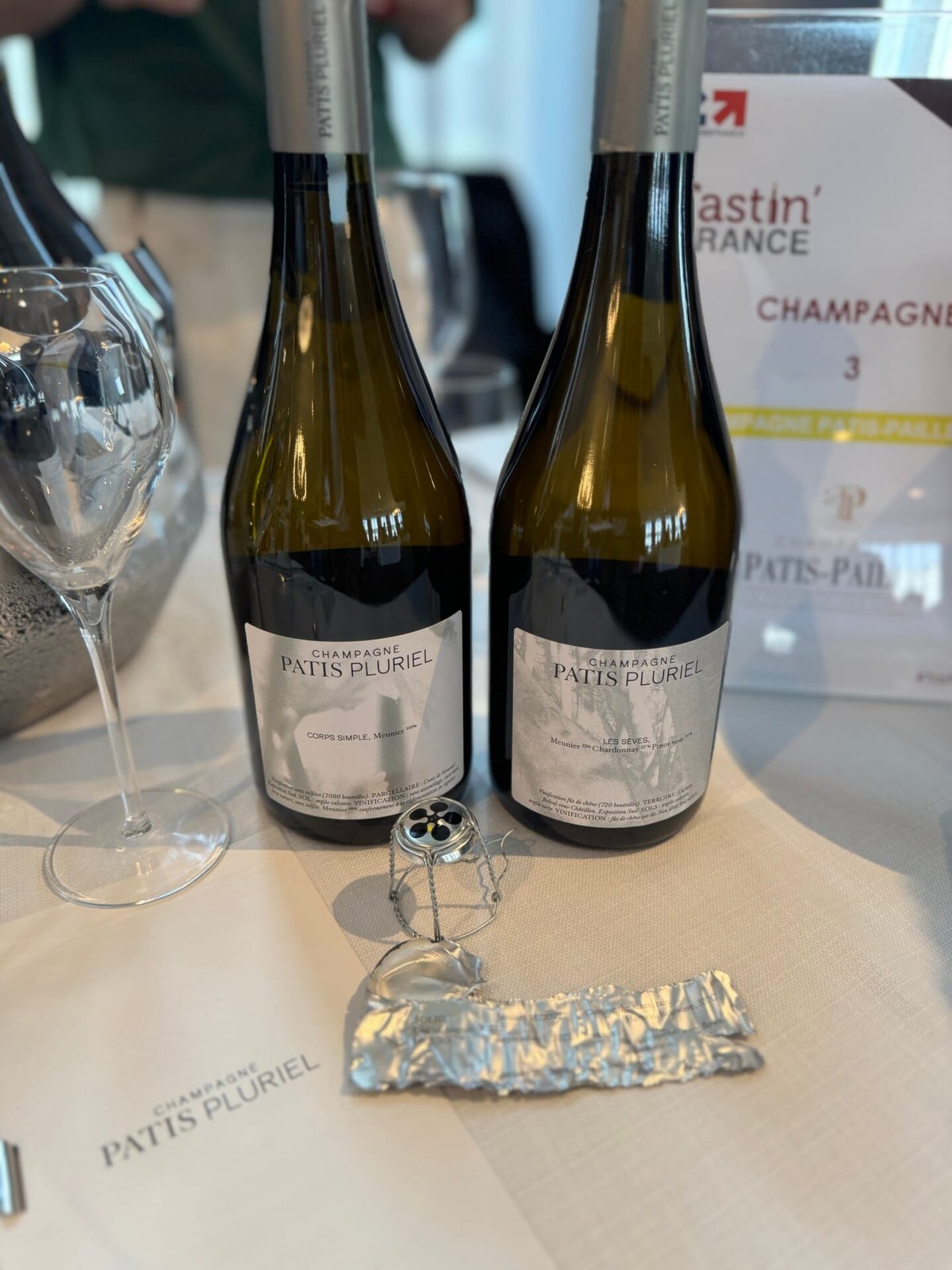
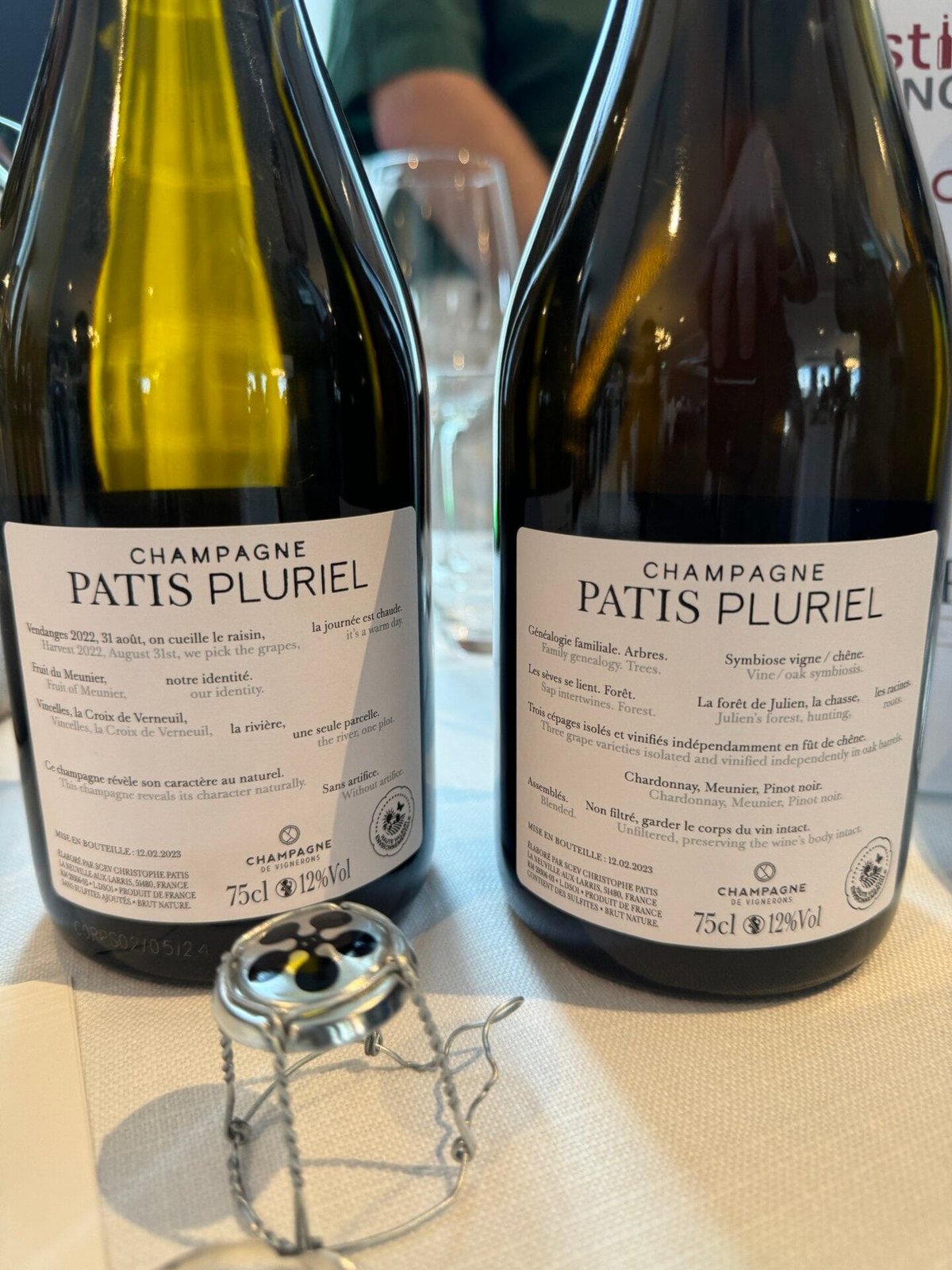
Patis Pluriel Corps Simple, 100% Meunier from the Croix de Verneuil plot, picked in 2022 for berry aromas and perfect ripeness. Plot-based vinification, no sulfites, preservation with carbonic ice. Fruity, fine mousse, elegant. Truly exceptional.
Patis Pluriel Sèves, Fermented in seven-year-old French oak. Meunier, Pinot Noir, and Chardonnay in balance with the wood. Unfiltered, intact from barrel to bottle. Golden glow, fine mousse, wild fruit, vanilla, spice. Premium new-wave work.
Loire | Domaine des Brissettes
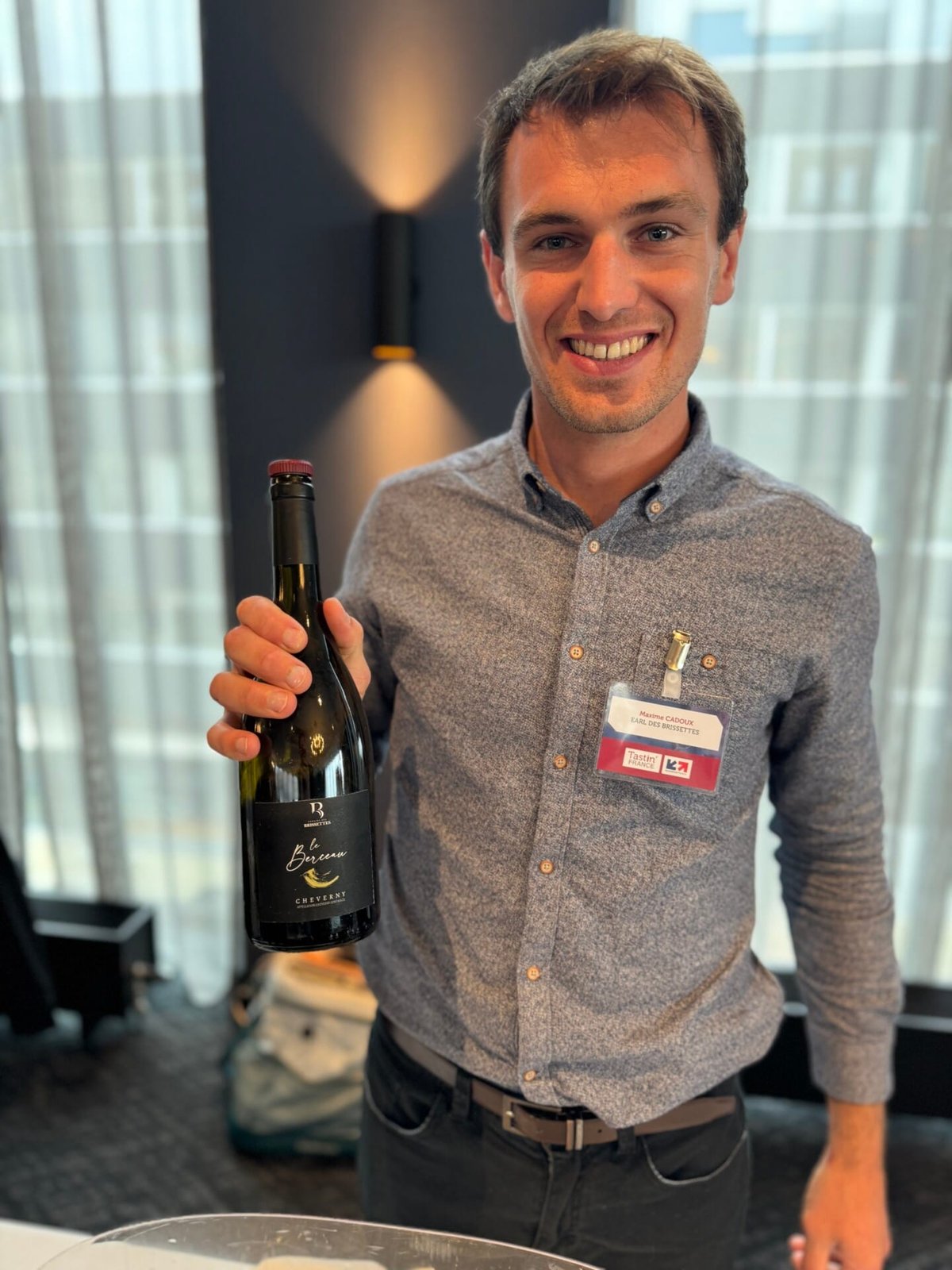
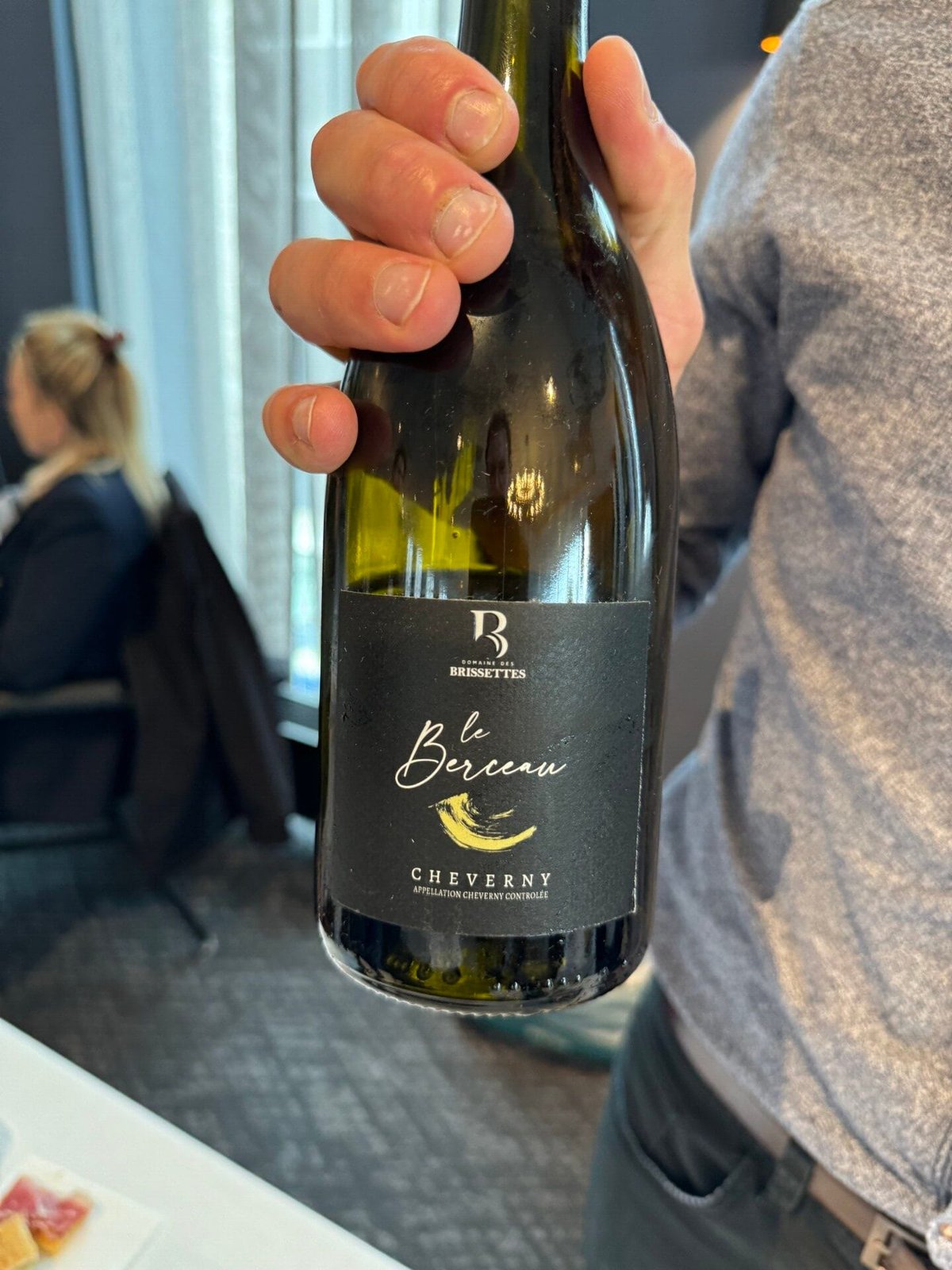
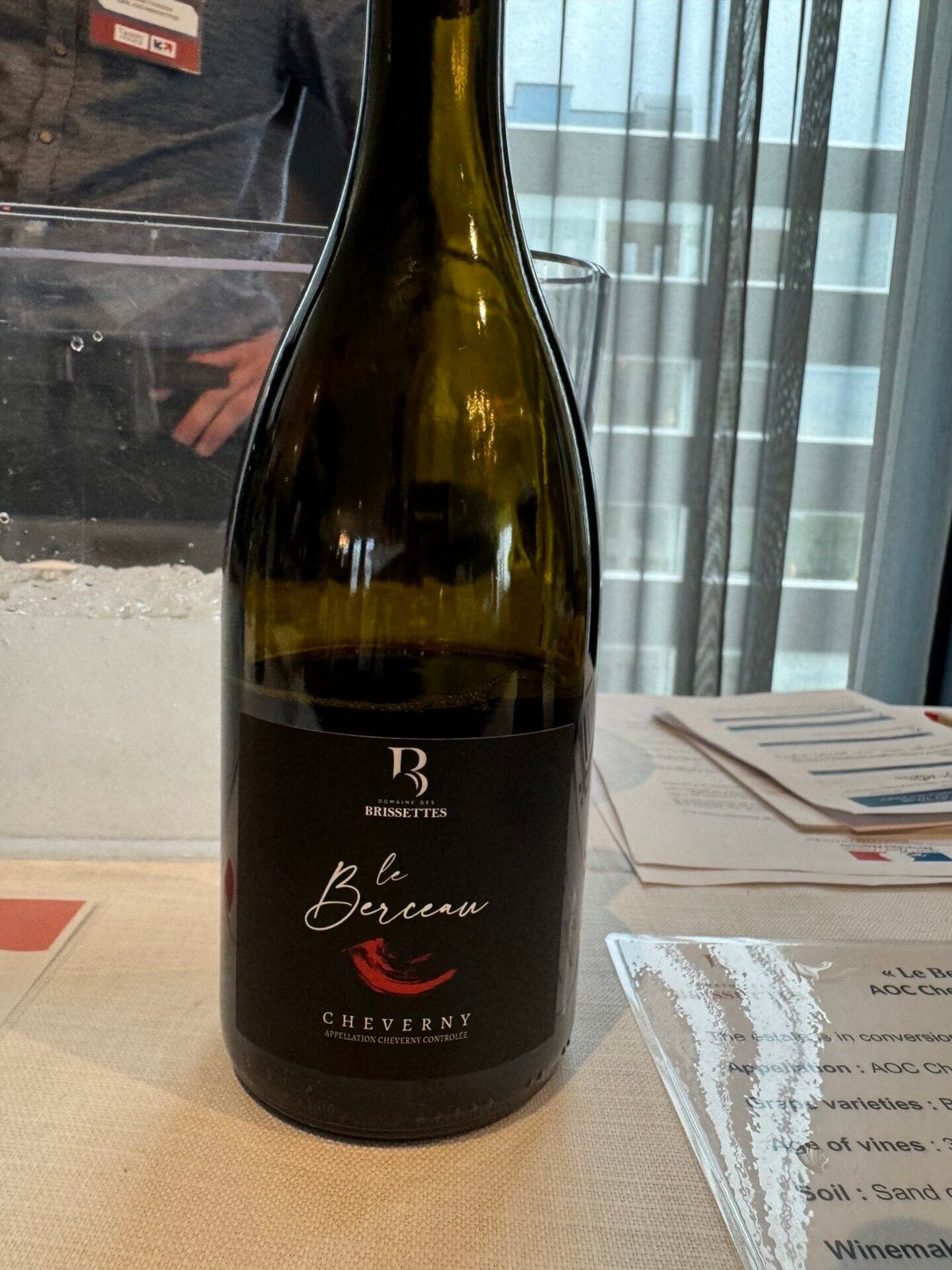
Founded in 2022, first harvest in 2023, target of 20,000 bottles in year one. Five hectares converting to organic. Winemaker Maxime Cadoux is humble and driven. Still looking for an importer.
Le Berceau Blanc 2023, AOC Cheverny Blanc, 84% Sauvignon and 16% Chardonnay. Thirty-year-old vines on sand over limestone, north-south exposure. Five months on fine lees. Pale gold, nose of lime, lemon, grapefruit, peach, apple. Full palate, crisp acidity, pure and energetic.
Le Berceau Rouge 2023, AOC Cheverny, 80% Pinot Noir and 20% Gamay. Thirty-year-old vines on sand over clay. Eight months on fine lees. Ruby, full nose of red and black fruit. Cherry, strawberry, blackberry, spice, smooth tannin, fresh acidity. Clean and unpretentious. Follow Maxime.
Languedoc | Les Domaines Auriol
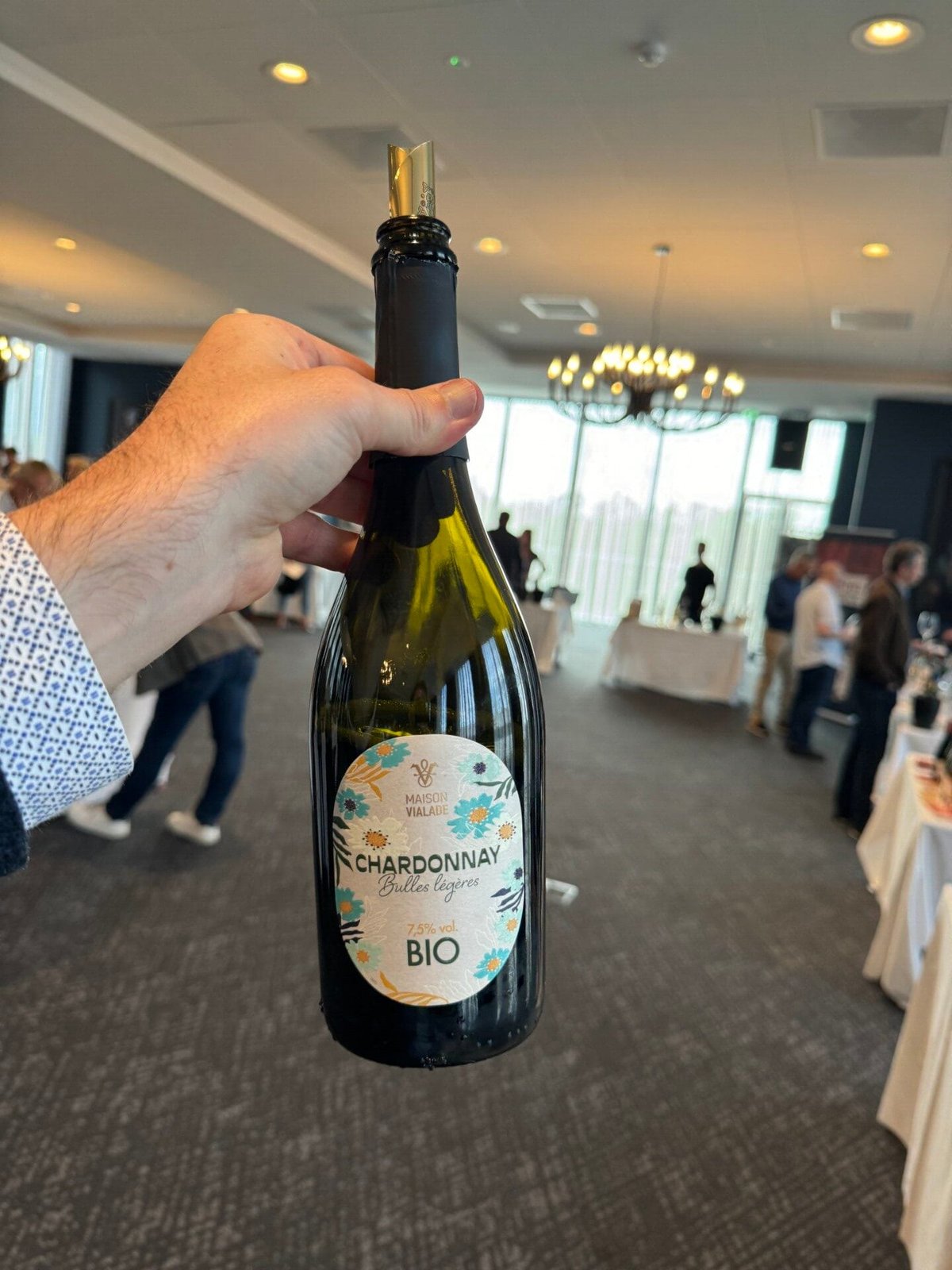
Family business in southeast France led by Claude Vialade. France’s largest organic producer, with organic, vegan, and Demeter certifications. Ninety references, fifteen brands, focus on water-efficient vineyards.
I spoke with Claude. Her focus is low-alcohol with no compromise on flavor and no added sugar. I tasted a sparkling Chardonnay at 7.5% and a Sauvignon Blanc at 0.5%. Both convincing. Mediterranean profile of rosemary, thyme, sage, laurel. Thanks to Claude for her time.
Chardonnay 2023 sparkling 7.5%, IGP Pays d’Oc, Organic. Truly sparkling, fine mousse, just 7.5% alcohol. Apple, pear, peach, herbs, medium-plus acidity.
Solevi 2023, Organic Sauvignon Blanc at 0.5%. Pure, lighter style with body and identity. Mediterranean profile. Summer hit.
Belles du Sud de Cicéron 2023, IGP Pays d’Oc, Rosé from Cinsault and Grenache Gris. Depth on nose and palate. Strawberry, raspberry, mint, clove. Medium-plus acidity, noticeable tannin.
Coup de Gueule 2023, IGP Pays d’Oc, Organic Sauvignon and Grenache Blanc. Smooth, uncomplicated, still serious. Apple, lemon, peach, nectarine, fresh acidity.
Albariño 2023, IGP Aude, Albariño from Languedoc. Claude says it makes sense, Spain is right next door. Organic, with that Spanish-Mediterranean feel. Ripe peach, lemon, lime, beeswax, honey.
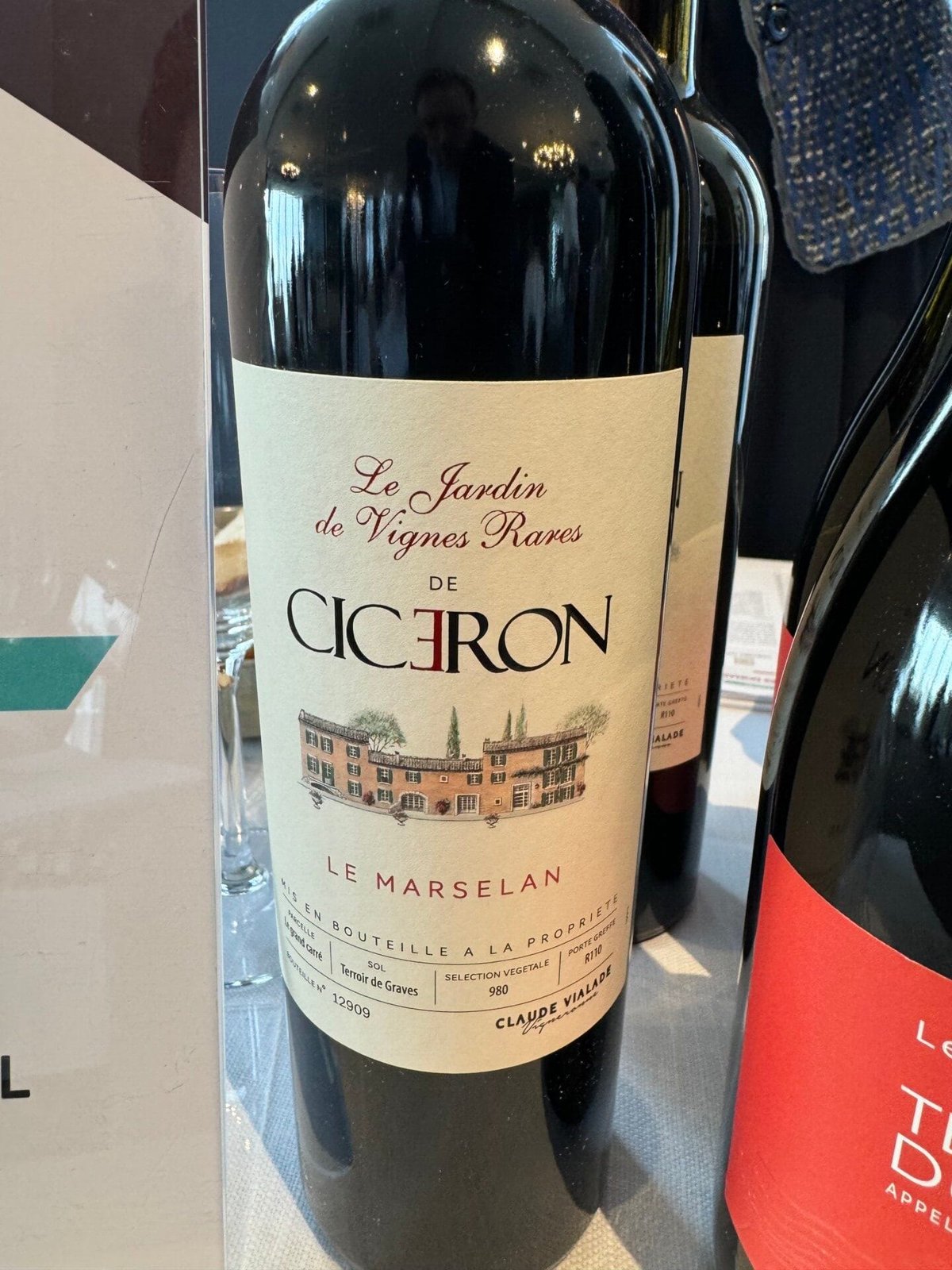
Marselan 2019, IGP Pays d’Oc, Smooth red full of cherry and raspberry. Subtly spiced with clove, cinnamon, black pepper. Medium-plus tannin and acidity, smooth finish.
Bordeaux | Signature Selections
Bordeaux merchant since 1986, specialized in Grands Crus Classés and confidential terroirs. Founded by Jeffrey Davies, former American wine critic, now owned by Karim Nasser and Herwig Callewier. Davies stays on as advisor.
The white Bordeaux here show where the region is going.
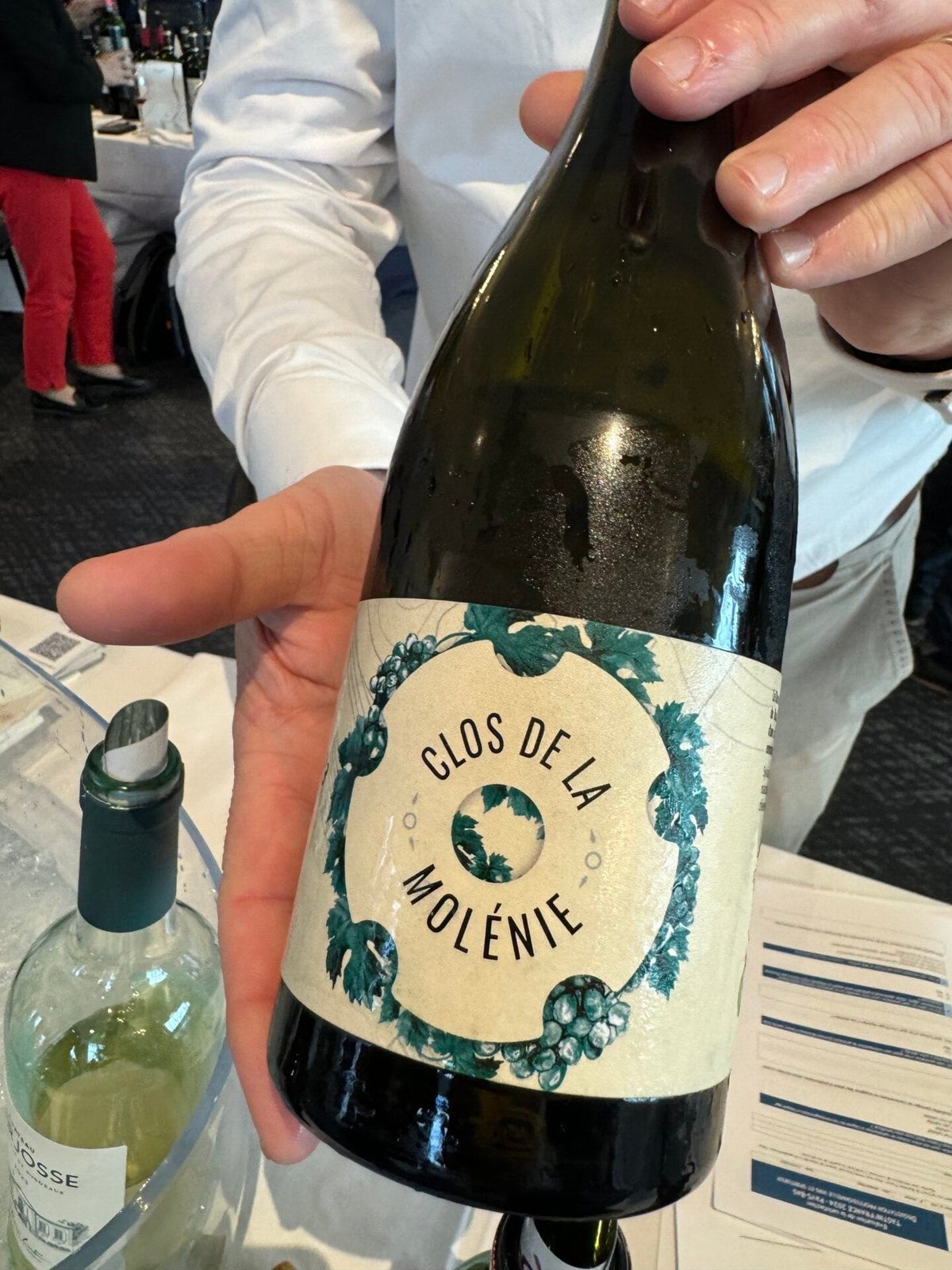
Clos de la Molénie Blanc 2023, AOC Bordeaux, Biodynamic Sauvignon Blanc with a salty edge from aging in amphora and sandstone eggs. Refreshing: apple, peach, fennel, rosemary, white pepper, salty texture, long finish. Cold fermentation with native yeast. Aging in four equal portions: 25% terracotta amphorae, 25% sandstone eggs, 25% 500-liter acacia barrels, 25% 225-liter oak barrels (multiple uses). Four months with regular bâtonnage.
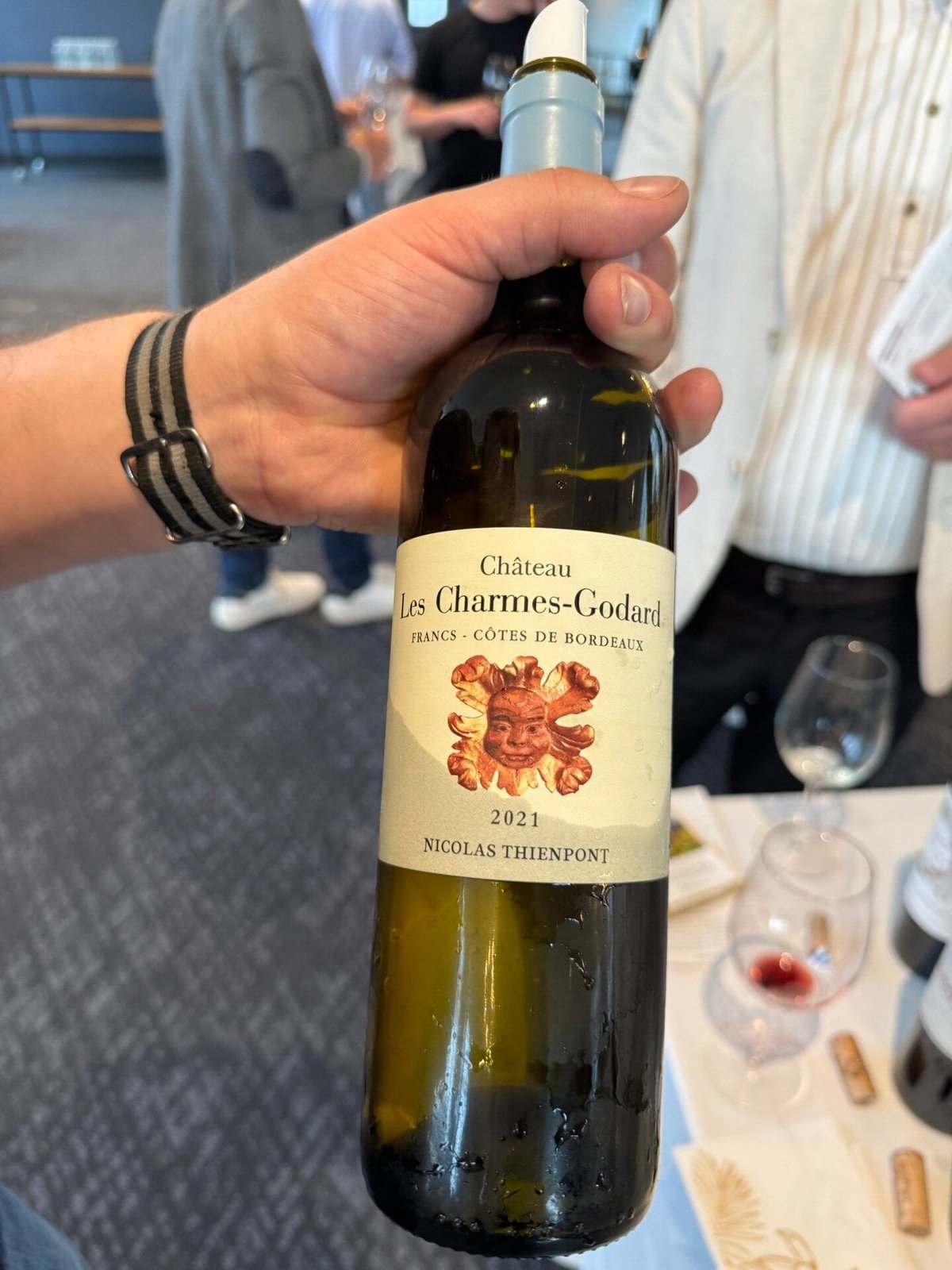
Château Les Charmes Godard Blanc 2021, AOC Francs-Côtes de Bordeaux, Intense and lively: apple, rosemary, wild peach, lemon zest. Limestone-clay soil over marl with loamy patches. 33-year-old vineyard, 65% Sémillon, 20% Sauvignon Blanc, 15% Sauvignon Gris. Manual vineyard work, fermentation in 500-liter barrels (15% new), seven months on lees.
Clos Junet 2018, AOC Saint-Émilion Grand Cru, 50% Merlot, 50% Cabernet Franc. Smooth, full of red and black fruit: strawberry, raspberry, blackberry, blackcurrant. Clove, cinnamon, black pepper, red cherry. Smooth medium tannin, medium-plus acidity, long finish. Sandy soils with red clay. Vines averaging 32 years, hand-harvested and sorted, even horse-plowed. Malolactic in barrel, then about fifteen months on oak (50% new, 50% second-fill).
Available soon at: bestofwines.com
Closing
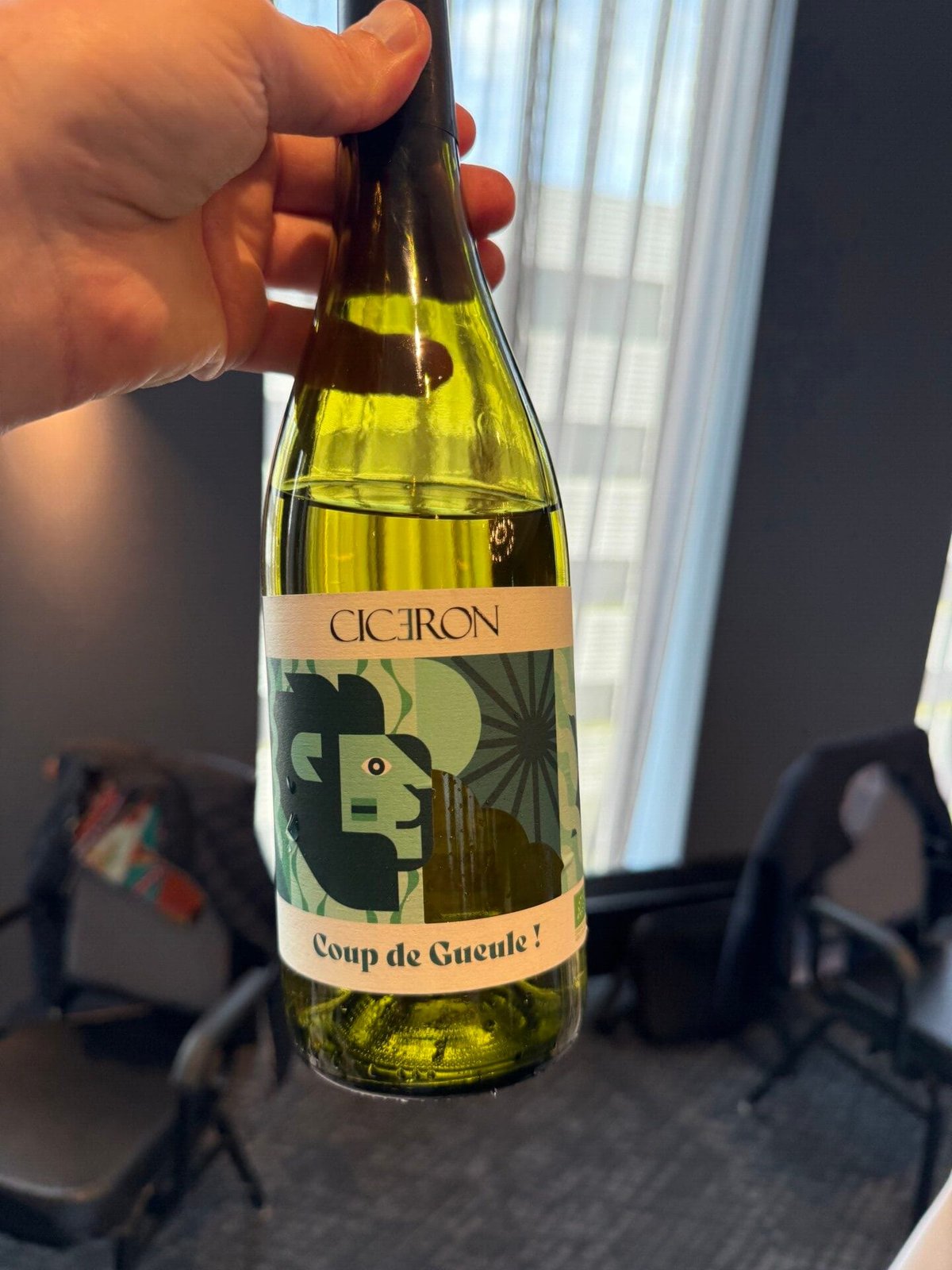
Lighter, cleaner, more intentional. Tastin’ France 2024 showed where French winemaking is heading. The producers who stood out are all working on organic or biodynamic farming, and on wines you still want to drink two glasses in.
Sources
- Business France / Tastin’ France (official): businessfrance.fr
- INAO, French appellation regulation: inao.gouv.fr
More on Events
Dutch Vineyard Open Days 2026: 36 Vineyards Open
36 Dutch vineyards open their gates this September. Every participant, date and opening time, plus what the official calendar leaves out.
Read on →
A sherry course in the Netherlands, four nights
A dedicated sherry course in the Netherlands, taught by certified Sherry Educator Nadien de Visser. Four sessions, 28 wines, 290 euros. What it covers.
Read on →
La Grande Bellezza 2026: Italian Wines in Amsterdam
La Grande Bellezza 2026 brought eight top Italian wines to Amsterdam. My day across Alto Adige and Tuscany, with two Brunello 2021s side by side.
Read on →