

Fibbiano and Tenuta Antica Cavalleria at Testamatta
Wine dinner at Testamatta with Fattoria Fibbiano (Tuscany) and Tenuta Antica Cavalleria (Etna). Indigenous grapes, pre-phylloxera vineyards, terroir focus.

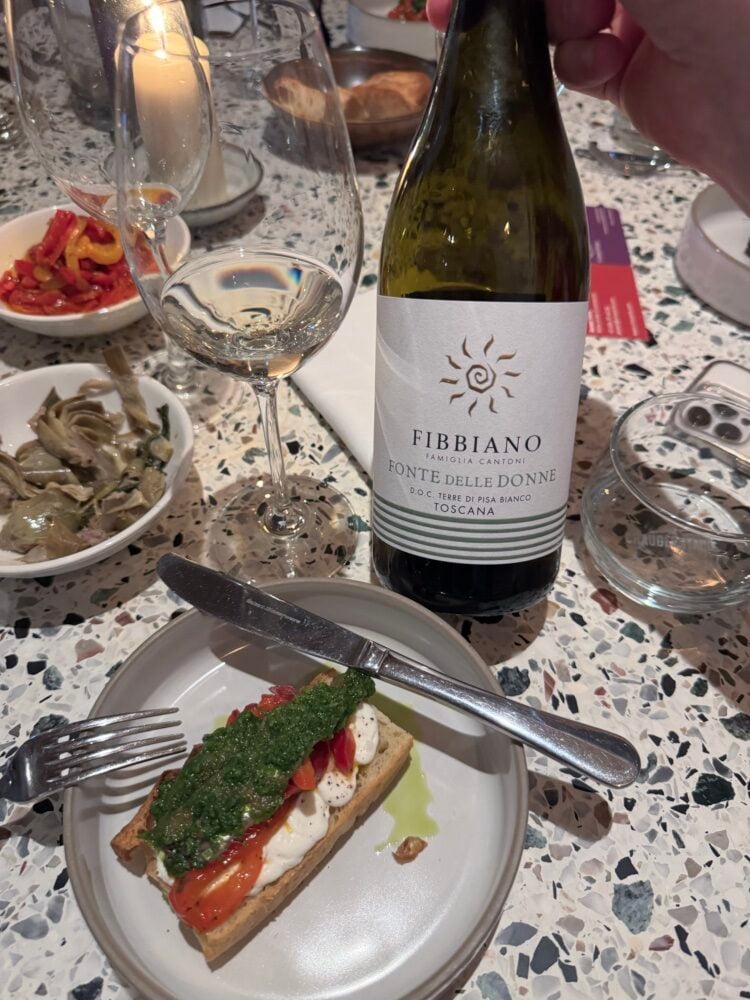
A dinner at Testamatta with two Italian estates that have rejected the international grape trends. Fattoria Fibbiano from the Pisa Hills (Tuscany) works with indigenous varieties, supported by University of Florence research. Tenuta Antica Cavalleria maintains pre-phylloxera vineyards almost 140 years old on Etna, protected within the Produttori Etna Nord consortium. Two terroirs, the same priority: heritage over commercial scale.
Fibbiano: Tuscany
Colombana
The revelation of the evening. Research from the University of Florence found that this once-dismissed table grape carries rare clones with serious winemaking potential. Fibbiano appears to be the only producer of varietal Colombana worldwide. The result: a white with marked salinity, floral notes and herbal complexity, shaped by fossil-rich seabed soils in the Pisa Hills. Strong at the table; stands up to intense flavours.
Ciliegiolo
100% varietal, cold fermentation for pure fruit expression: cherry, strawberry, sharp red berries. At room temperature with meat, chilled to 12-15°C with fish.
Tenuta Antica Cavalleria: Etna
Etna Bianco
Volcanic high-altitude expression: pure ripe apple, full body, saline underlay from Etna ash soil. Minerality and altitude balance fruit and structure. Sometimes lacks the compelling relief of leading Etna producers, but delivers honest terroir.
Etna Rosé
Triumph of the evening. 100% Nerello Mascalese at 600 metres elevation. Strawberry, raspberry, rosemary, saline finish, full body with gooseberry and rose petal touches. Solo and at table both convincing; excellent with fish and steak tartare.
Testamatta as context
Chef Roberto Borelli and sommelier Francesco brought both houses to their best by placing the wines at the table, not as a standalone tasting exercise. Critical for traditional wines that on their own sometimes need education to land properly.
Honest about the downside
Not everything in this segment is without tension:
- Some wines lean more on historical context than on direct drinkability.
- Both estates make modest volumes; more curiosity than daily bottle.
- Old methods don’t always deliver the modern concentration newer drinkers expect.
Verdict
Italian wine culture at its most authentic: heritage over commercial scale. Not always modern-concentrated, but irreplaceable as a connection to indigenous varieties and pre-phylloxera vineyards. For serious drinkers in settings that can frame the wines, like Testamatta, this is valuable.
Thanks to Fibbiano for the invitation.
Disclosure: This article was written following an invitation by Fibbiano to a winemaker dinner. My tasting notes and conclusions are entirely independent. No fee was paid for coverage.
Sources
- Consorzio Vino Chianti Classico (DOCG): chianticlassico.com
- Italian DOC/DOCG regulation: politicheagricole.it
More on Wine Review
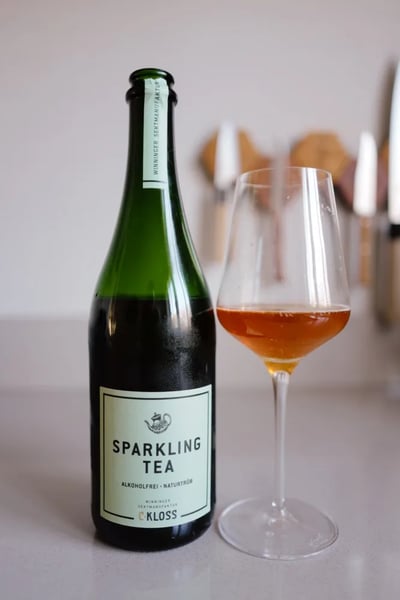
C. Kloss Sparkling Tea Weiss: Fermented Celery
Non-alcoholic sparkling tea Weiss from C. Kloss: linden blossom, nettle and fermented celery. Dry, 2.7 g sugar per 100 ml, €14.99 at Amavine.
Read on →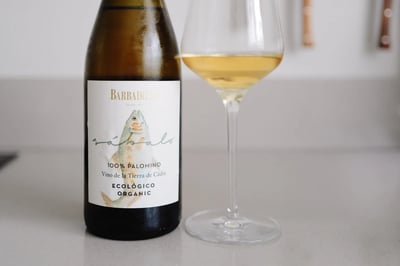
Barbadillo Sábalo: Organic Palomino Without Flor
Organic Palomino Sábalo from Barbadillo: no flor, salt from albariza soil. Chamomile, apple, sea. €17.95 at Granada Wijnen, with discount code.
Read on →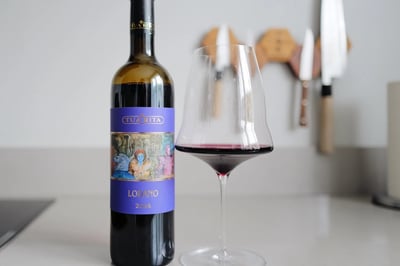
Tua Rita Lodano Rosso 2024: Petit Verdot Leads
A €50.95 Super Tuscan built on 60 percent Petit Verdot and 18 months of barrique. Why I chill it, decant it and never drink it without food.
Read on →