

La Grande Bellezza: A Tuscany Wine Tour Experience
The Amsterdam sunshine bathes Nazka in golden light as I step inside – one of those rare, perfect spring days that feels plucked straight from central Italy.

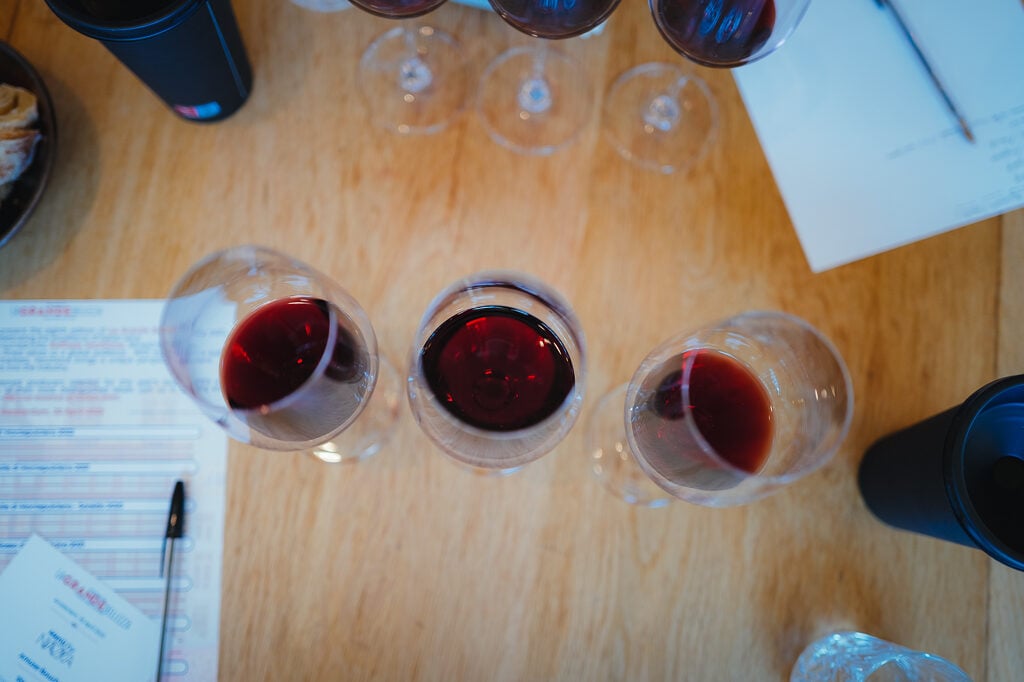
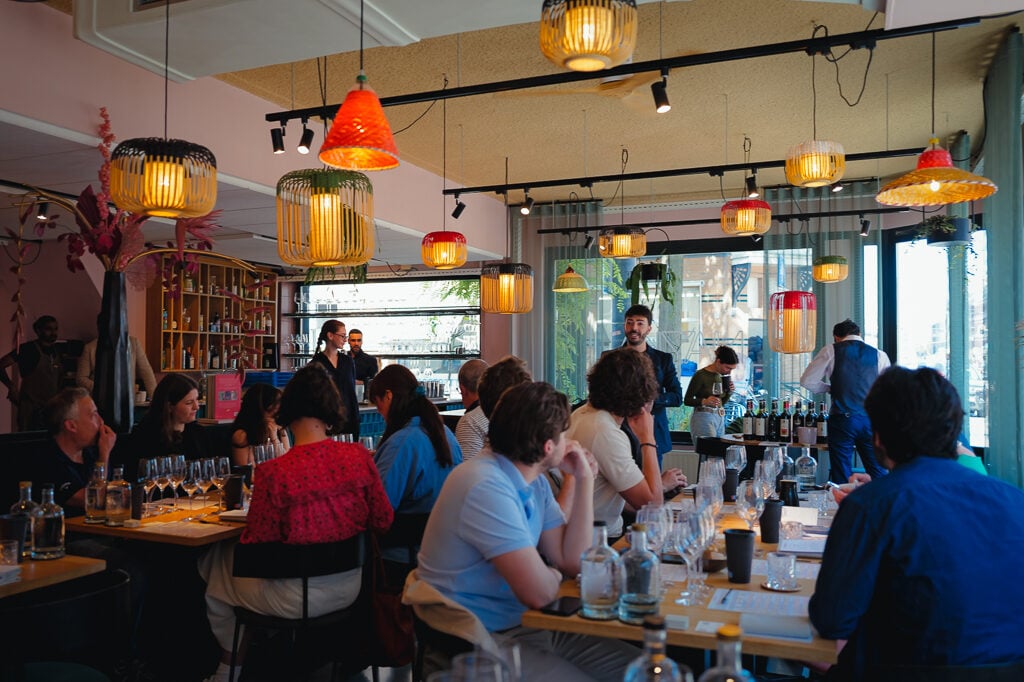
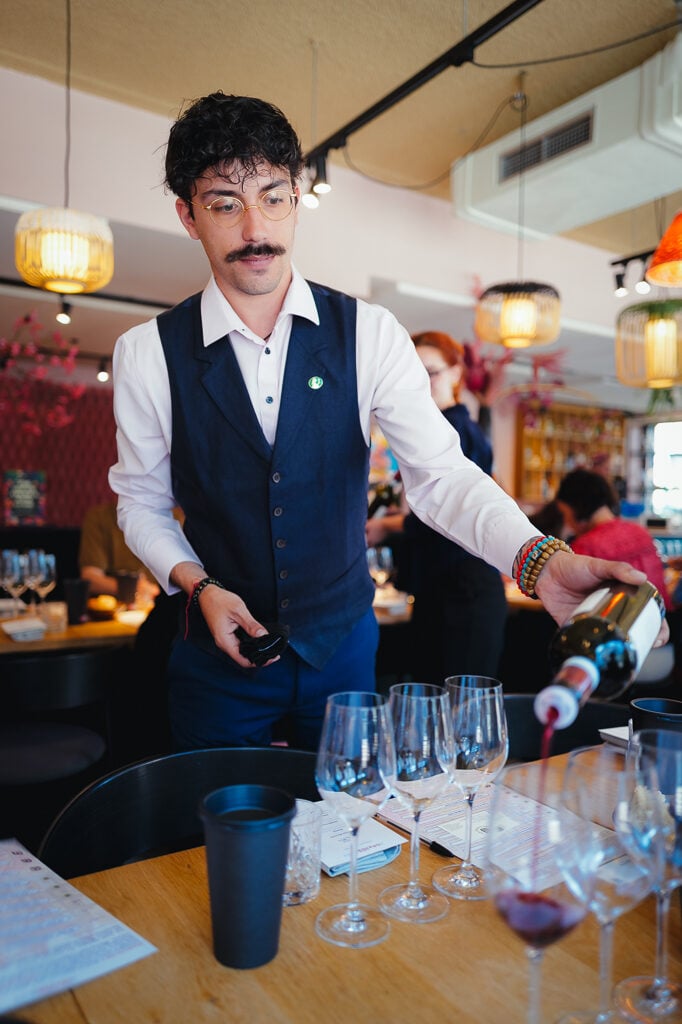
Amsterdam sunshine pours into Nazka as I step through the door, one of those rare spring days that feels lifted straight out of central Italy. The warmth follows me in and sets the tone for the eighth edition of the La Grande Bellezza tour 2025. I take a seat at a wooden table, tasting sheet and menu lined up to the millimeter, and I’m pulled toward Tuscany without leaving Amsterdam. Oenologist-turned-critic Raffaele Vecchione founded the tour in 2019, promising “the true essence of Italian wine.” A bold claim. I’m curious.
The Setting and Format
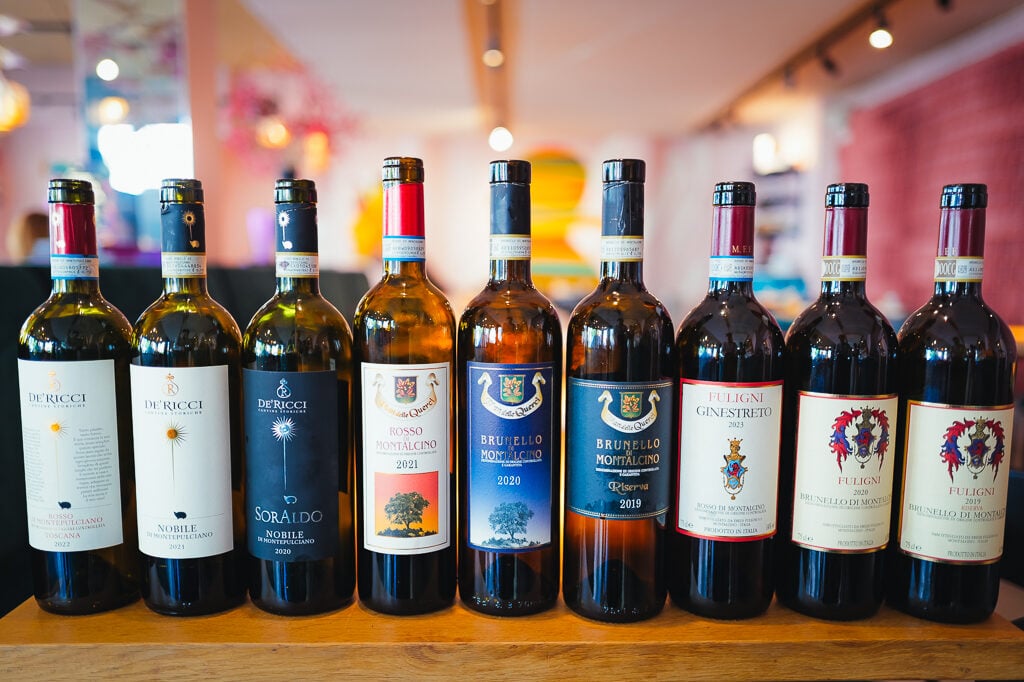
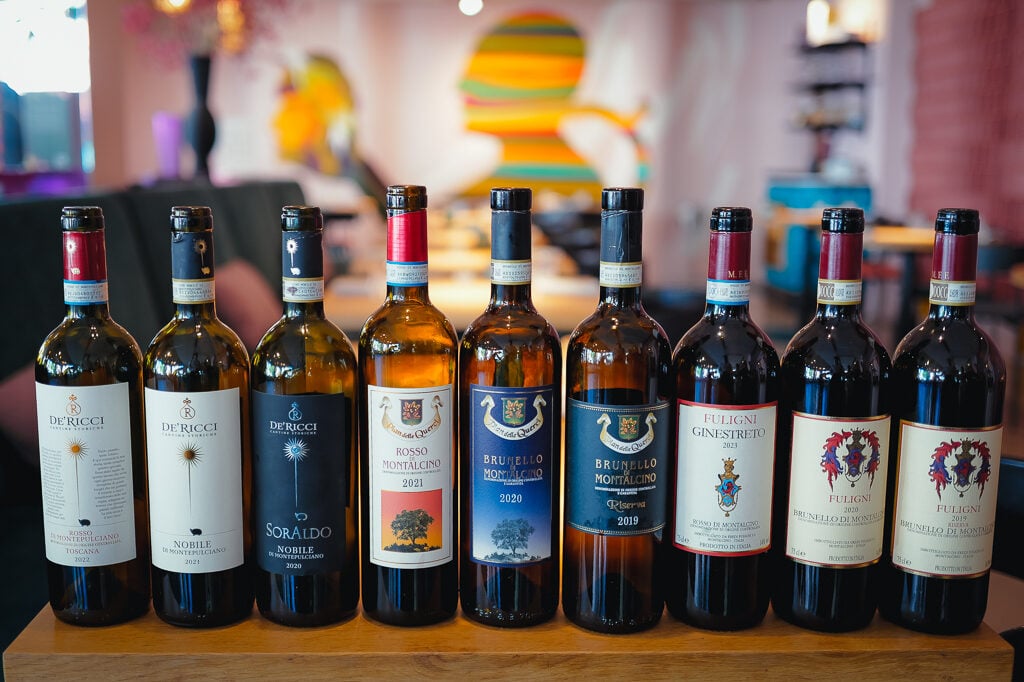
The tasting guide laid out a careful selection from three distinguished producers. Each winery’s logo sat next to its wines, giving the page a visual anchor as I worked through the nine bottles. This format makes a side-by-side comparison of Brunello and Vino Nobile possible, and useful.
Exciting News: The Pieve Classification
A new “pieve” classification system in Montepulciano drew a lot of attention. We didn’t taste Pieve-designated wines (they’re too young), but the topic was the buzz of the room. For Vino Nobile di Montepulciano, this is a serious step.
The Pieve designation is a new top tier exclusive to Vino Nobile di Montepulciano, debuting with the 2021 vintage and available from 2025. “Pieve” refers to historic parish churches. The region has mapped twelve subzones, each with its own terroir.
The rules are strict. Grapes must come from a single pieve, from vineyards at least fifteen years old. Minimum 85% Sangiovese (locally Prugnolo Gentile); only traditional native varieties for the remainder, no international grapes. Maximum yields are capped at seventy quintals (seven tons) per hectare.
More importantly, Pieve wines need a minimum of three years of aging before release: at least twelve months in wood and twelve in bottle. Stricter than Riserva. The producer must own or control the vineyards, and every grape must come from the named pieve.
The system aims to highlight what makes each subzone different, similar to Gran Selezione in Chianti Classico but with tighter geographic and quality standards. Early reviews praise depth, complexity and a clear sense of place. I want to taste these wines for myself.
De’ Ricci: Montepulciano’s Standard-Bearer
De’ Ricci leans hard into quality. Thirty-two hectares of estate vineyards (organic since 2007), three wines that each show a different terroir.
The 2022 Rosso di Montepulciano is approachable and easy-drinking, a baseline blend from their eastern vineyards. Austere aromatics with spicy red fruit, high acidity and firm tannins. Fresh sage alongside bright red fruit. Drinks well slightly chilled.
The 2021 Vino Nobile di Montepulciano, the flagship at twenty-five thousand bottles, is 100% Sangiovese aged eighteen months in wood. Southern Montepulciano, volcanic soils, cooler temperatures. The nose offers chocolate, leather, cocoa, warm cherry, strawberry and rosemary. High acidity is softened by gentle edges; medium-plus tannins ease toward the finish. Long, well-defined aftertaste.
The 2020 Vino Nobile “Soraldo”, named after the family grandfather, comes from a historic site five hundred meters above sea level with sand, gray limestone and seashells rather than volcanic soil. The nose offers coffee, toffee, leather, tobacco, chocolate, cocoa and black cherry. Acidity and tannins balance neatly. Medium body, refined complexity, very accessible.
Pian delle Querci: Montalcino’s Elegance
Moving on to Montalcino. The 2021 Rosso comes in austere with cranberry and cherry, plus subtle tobacco. It tastes more mature than I expected, with more fruit concentration and a hint of orange.
Their 2020 Brunello is what I think of as quintessential Brunello: warm cherry, chocolate, leather, spice, ripe red fruit, blackberry, red cherry, plum, nutmeg, black pepper, sage and rosemary. A wine that reminds me why this region demands respect.
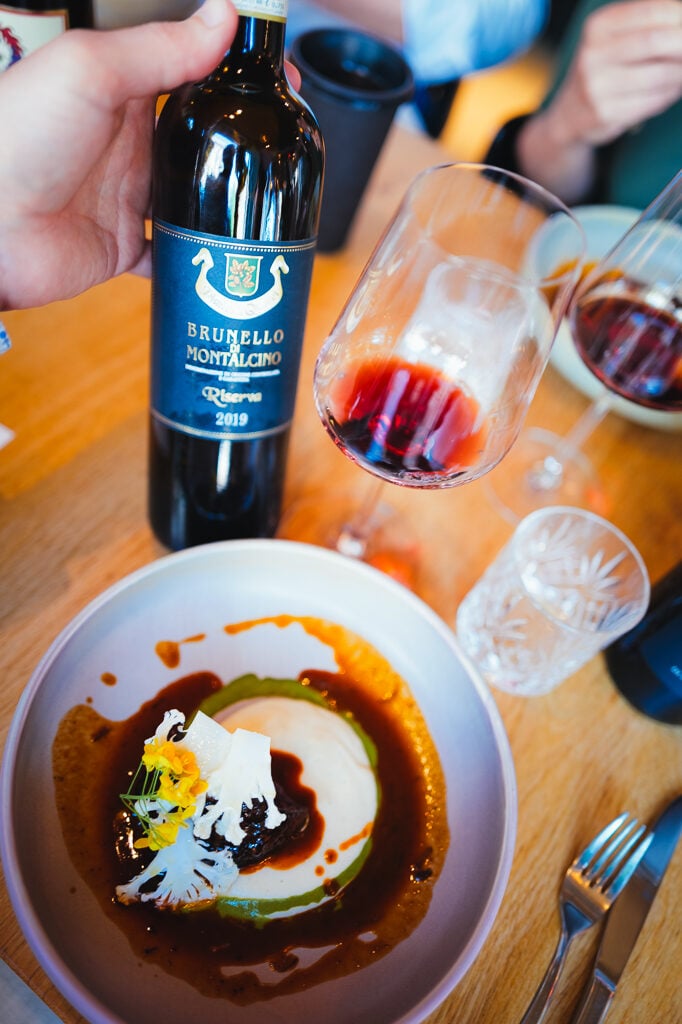
The 2019 Brunello Riserva goes a different way: an elegant nose of orange peel but closed and austere on first sip, the fruit holding back.
Fuligni: Historic Excellence, Modern Thinking
Fuligni has been a name to know since the twentieth century. A historic family with a modern approach, a meaningful presence in Italian winemaking, especially in Montalcino.
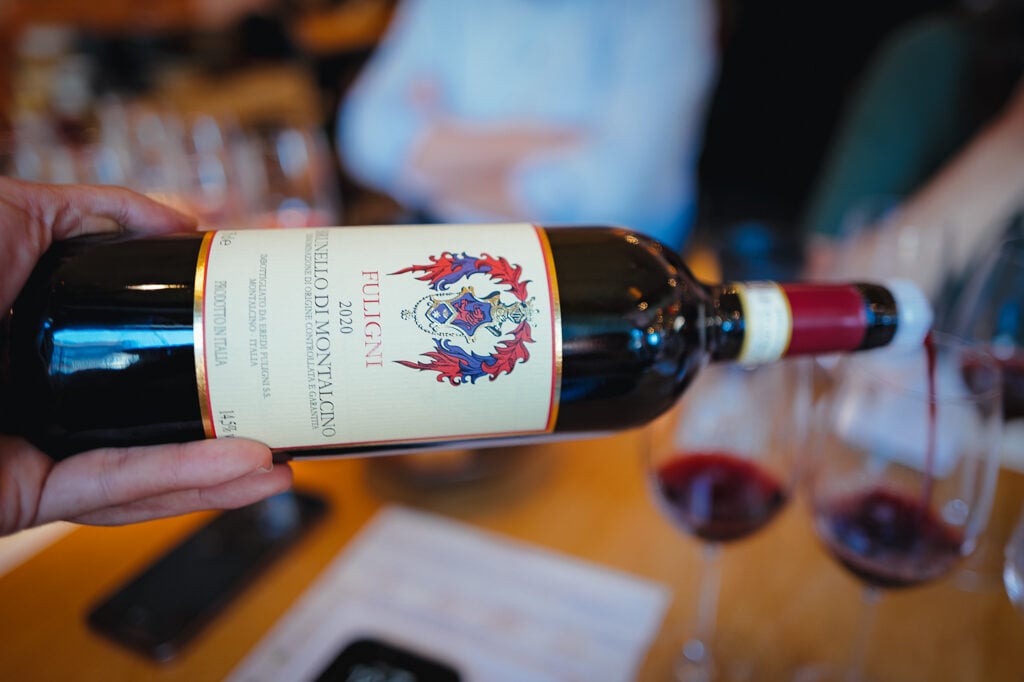
Their 2023 Rosso di Montalcino “Ginestreto” offers a pleasant, slightly closed nose with fresh fruit and herbs. In the mouth it lacks some character, likely youth. Worth revisiting in six to twelve months.
The 2020 Brunello di Montalcino impresses with a warm, elegant nose of red cherry, ripe strawberry, tobacco, cocoa, lavender, roses and spicy seasoning. A beautiful read on the vintage.
The 2019 Brunello Riserva shows an elegant but restrained nose on first sip; fruit and spice both stay too far in the background.
The Magic of Decanting
One of the day’s most valuable lessons came after the formal tasting. We went back to the more closed wines, especially the 2019 Riservas from Pian delle Querci and Fuligni, after decanting. The shift was striking.
Wines that had felt reticent and tightly wound opened up beautifully with air, revealing layers that had stayed hidden during the first pass. The Fuligni Riserva stood out: fruit came forward, the structure softened just enough to show real potential.
If you’re planning to drink these young Brunellos, especially the Riservas, sixty minutes in a decanter is essential. Many premium Italian wines built for aging benefit a lot from proper aeration. What seems austere or closed in a young Brunello often opens up with patience and proper service.
The Culinary Complement: Nazka’s Peruvian-Italian Fusion
After working through nine Sangiovese expressions, Nazka showed why it was picked to host. The menu bridged Tuscan tradition with Peruvian innovation.
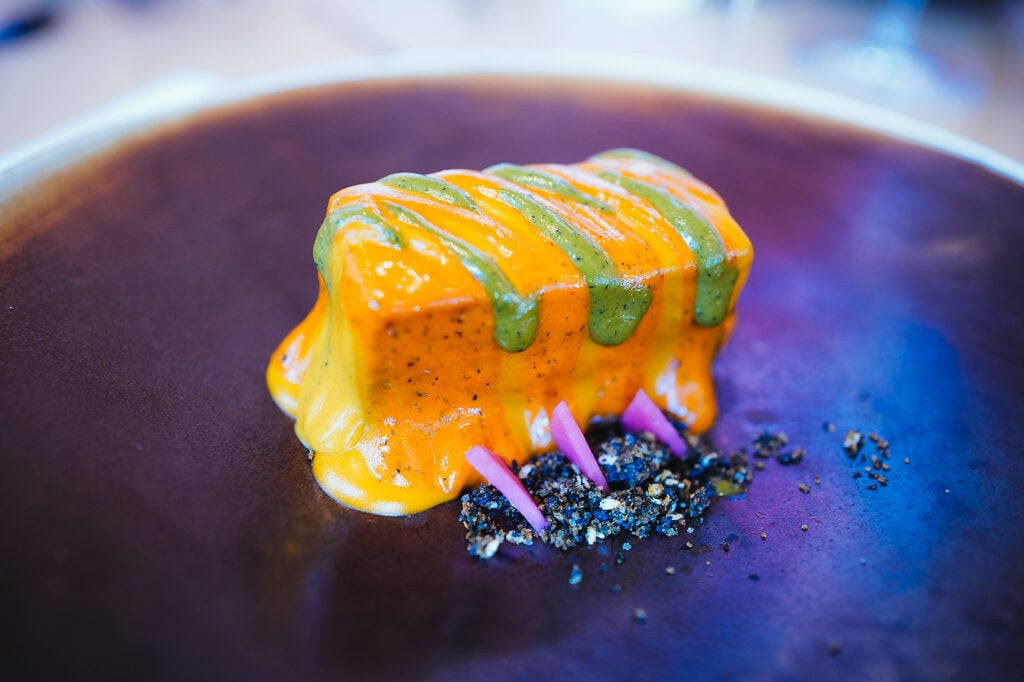
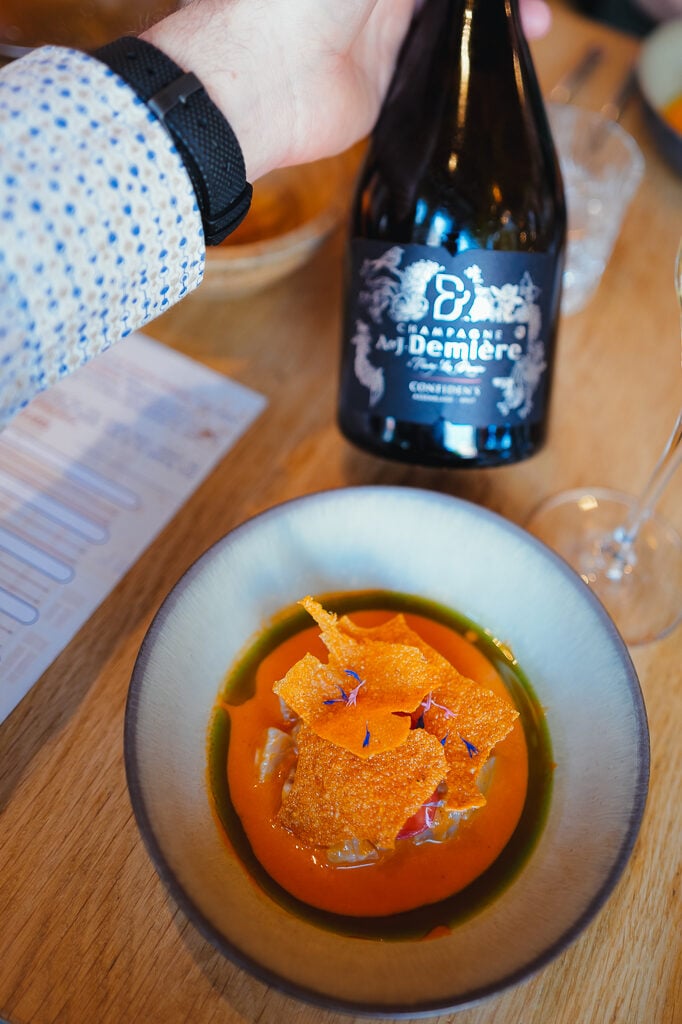
The amuse-bouche set up the palate. The starter, Rocoto LDT, was sea bass crudo with cherry tomatoes, cancha and coriander oil. A great match for the high-acid Rossos.
The middle course, Vinicunka Millefeuille, layered oca tubers with Peruvian chili sauces. An interesting bridge between the medium-bodied Vino Nobiles and the heavier Brunellos.
The main, braised ox cheek in Anticuchera sauce with choclo mousseline and green chalaca chutney, brought the robustness needed to stand up to the most structured Riservas. The earthiness of the dish pulled extra complexity out of the wines. By now the previously decanted Riservas were singing.
Final Reflections
What made La Grande Bellezza special was not just the quality of the wines but the educational format, which pushed you to taste slowly. The progression from lighter Rossos to structured Riservas, paired with Nazka’s menu, added up to more than the sum of its parts.
For anyone trying to understand the differences between Brunello and Vino Nobile, or between producers’ takes on Sangiovese, this format gives a lot of insight. The Pieve classification opens a new chapter for Brunello di Montalcino, with more room for terroir expression and specificity in already remarkable wines.
The eighth edition confirmed why these Tuscan classics stay central to any serious wine education. I’ll be first in line for the ninth edition, hopefully with the first Pieve-designated Brunellos on the table. One thing to remember with these wines in youth: patience and proper decanting make the difference between a good experience and something genuinely transcendent.
Sources
- La Grande Bellezza (official, tasting event): lagrandebellezza.com
- Consorzio Vino Brunello di Montalcino: Pieve classification: consorziobrunellodimontalcino.it
More on Events
Dutch Vineyard Open Days 2026: 36 Vineyards Open
36 Dutch vineyards open their gates this September. Every participant, date and opening time, plus what the official calendar leaves out.
Read on →
A sherry course in the Netherlands, four nights
A dedicated sherry course in the Netherlands, taught by certified Sherry Educator Nadien de Visser. Four sessions, 28 wines, 290 euros. What it covers.
Read on →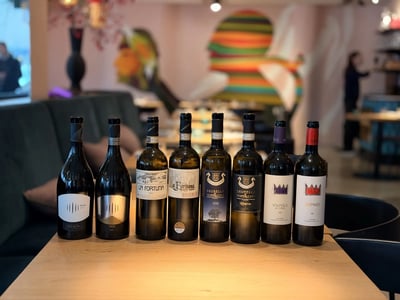
La Grande Bellezza 2026: Italian Wines in Amsterdam
La Grande Bellezza 2026 brought eight top Italian wines to Amsterdam. My day across Alto Adige and Tuscany, with two Brunello 2021s side by side.
Read on →