

Sponsored by Various importers (press samples)
Pour a glass of Pouilly-Fuissé next to a Chablis and the difference is immediate: this is the rounder, riper face of white Burgundy. It comes from four villages in the Mâconnais, the warm southern tip of Burgundy, and for decades it was the region’s one name that drinkers outside France actually recognised. That recognition is now part of the problem, because it shows up in the price.
This guide covers what the wine is, how it tastes, what changed with the 2020 premiers crus, and where your money goes further a few kilometres down the road. It closes with notes on fourteen bottles I tasted side by side, press samples from various importers, with prices and where to find them.
What varies inside a single appellation
| What varies | One end | The other |
|---|---|---|
| Soil | Parcels on pure limestone give a taut, almost saline tension | Parcels with more clay give breadth and a rounder palate |
| Exposure | South-facing slopes ripen fuller | North-facing slopes stay leaner |
| Altitude | Vineyards on slopes between 200 and 300 metres | Above 400 metres at Vergisson, which shifts ripening and therefore style |
| Landscape | The two limestone crags of Solutré and Vergisson anchor the landscape | They hand the vines widely varying exposures, parcel by parcel |
| Climate | The Mâconnais sits just below a fault line where oceanic, continental and Mediterranean influences meet | Daily temperature swings build acidity, while sun on the slopes drives ripening |
The consequence: two bottles carrying the same appellation can turn out very differently. Buying blind on the name is riskier here than in appellations with more uniform soil.
What Pouilly-Fuissé actually is
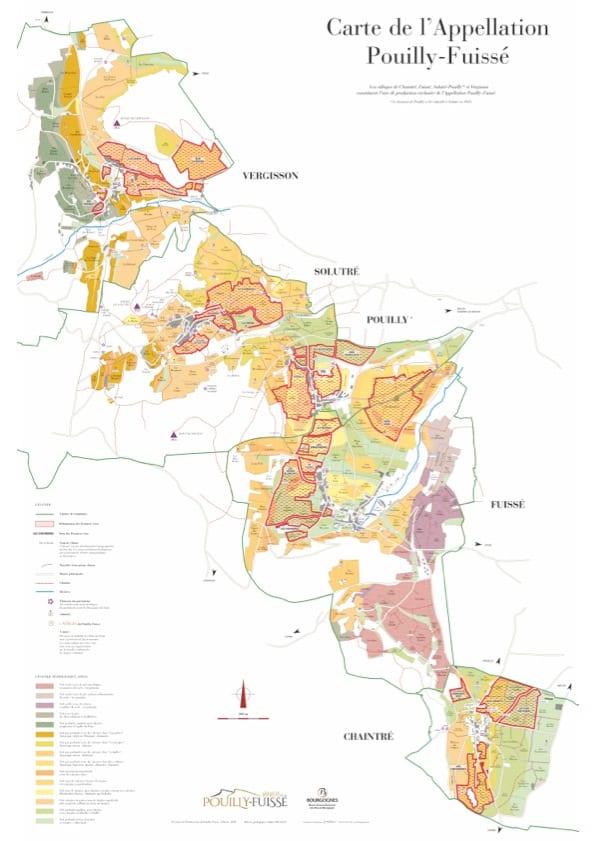
Pouilly-Fuissé is a dry white wine made only from Chardonnay, produced in the Mâconnais in southern Burgundy. The appellation covers four villages: Fuissé, Solutré-Pouilly, Vergisson and Chaintré. It earned AOC status in 1936, early for Burgundy, which tells you the wines were taken seriously long before the region became fashionable.
Do not confuse it with Pouilly-Fumé. That is a Sauvignon Blanc from the Loire, hundreds of kilometres away. The names rhyme and nothing else matches.
Terroir: why these four villages matter
The bedrock is Jurassic: limestone, clay-limestone and marl built from fossil-rich seabeds, with older crystalline rock surfacing near the southern edge and small scattered pockets of schist and sandstone. Read that Pouilly-Fuissé runs “from clay-limestone to schist” and you have half the picture. The diversity is real, but schist covers only a fraction of the ground.
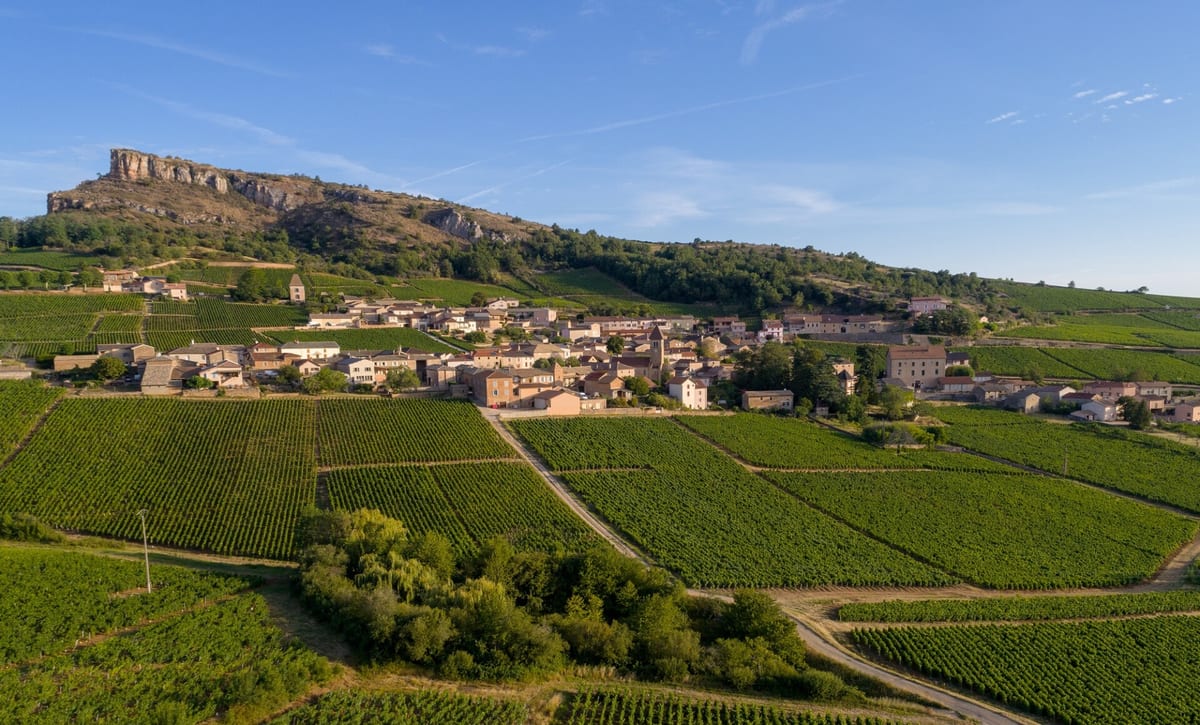
Add the two limestone escarpments of Solutré and Vergisson, which anchor the landscape and give vines a wide range of sun exposures, and you get genuine variation from one plot to the next. Vineyards sit on slopes between 200 and 300 metres, and above 400 in Vergisson. Altitude difference means ripening difference, which means style difference inside a single appellation.
You taste the spread, if less tidily than a guide would like. Pure limestone parcels give a taut, almost saline tension. Parcels with more clay give width and a rounder mouth. South-facing slopes ripen fuller, north-facing slopes stay leaner. Two bottles carrying the same appellation can therefore land in very different places, which makes buying blind on the name riskier here than in appellations with more uniform soil.
The Mâconnais also sits just below a climatic break zone where oceanic, continental and Mediterranean influences meet. Daily temperature swings build acidity and aromatic depth while slope sunshine drives ripening. That balance between sugar and acid is the engine of every good bottle.
Viticulture goes back a long way. The abbey of Cluny held land across the Mâconnais from the tenth century, and its charters name holdings at Fuissé. You will often read that the monks brought viticulture here. That overstates it. The record shows a slower process involving local landowners, peasant communities and several monastic houses, on foundations laid in Roman times. Cluny was a great power in the region, not the founder of its vineyards.
The 2020 premiers crus: what changed, and the catch
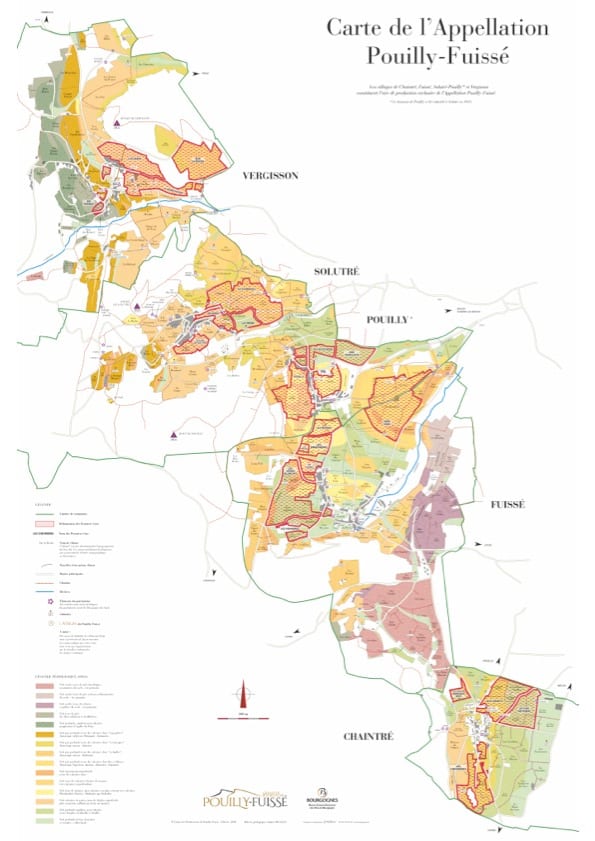
In 2020 the INAO approved 22 premier cru climats within Pouilly-Fuissé, the first premiers crus in the Mâconnais. A climat, in Burgundy, is a precisely defined plot whose boundaries combine geology, exposure and generations of grower knowledge. On paper this is overdue recognition for the best-sited parcels. In the glass, the top wines genuinely earn it.
The 22 climats by village:
- Fuissé: Les Brulés, Les Perrières, Les Vignes Blanches, Le Clos, Les Ménétrières, Les Reisses
- Solutré-Pouilly: La Frérie, Le Clos de Solutré, En Servy, Aux Chailloux, Aux Bouthières, Au Vignerais, Pouilly, Vers Cras (shared with Fuissé)
- Vergisson: En France, Sur La Roche, Les Crays, La Maréchaude
- Chaintré: Les Chevrières, Le Clos de Monsieur Noly, Aux Quarts, Le Clos Reyssier
The classification tightens rules on yields, picking date and vinification, and the climat name now appears on labels next to the appellation. Pouilly-Vinzelles, Pouilly-Loché and Saint-Véran have applied to the INAO for the same recognition.
The catch is price. Premier cru status gave growers a reason to charge more, and the rise has not stayed on the premier cru bottles alone. Village-level Pouilly-Fuissé has drifted up with it. You are now often paying a Côte de Beaune price for a Mâconnais wine, which brings us to the part most guides skip.
Is Pouilly-Fuissé worth it? An honest look at value
Two things are worth saying plainly.
First, a lot of it is over-oaked. The grower’s temptation is to dress up Mâconnais Chardonnay with new barrels until it tastes expensive. When it works, the oak frames the fruit. When it does not, you get vanilla and toast smothering the limestone underneath, and you have paid extra for the privilege.
Second, the value frequently lives next door. Saint-Véran and a good Mâcon-Villages come from neighbouring vineyards, often the same growers, at noticeably lower prices. For everyday drinking they regularly outperform an entry-level bottle. Save the Pouilly-Fuissé name for a named-village or premier cru wine from a grower who does not lean on oak, and you spend your money where it actually justifies itself.
How Pouilly-Fuissé tastes
Expect a fuller-bodied Chardonnay than northern Burgundy delivers. Ripe apple and pear, citrus, white flowers, and a core of limestone minerality, with hazelnut and honey arriving as the wine ages. Acidity stays fresh thanks to altitude and cool nights, which keeps the richness from turning heavy. Oak, where present, should be a seasoning rather than the main flavour.
Serve village wines around 10°C and premier cru a touch warmer, at 12 to 13°C. Too cold and you lose the texture that is the whole point. A large white-wine glass, or even a Burgundy bowl, lets the more complex cuvées breathe.
Fourteen bottles on the table
Fourteen wines, press samples from various importers, tasted side by side. Many of these estates now farm organically or biodynamically, hand-harvesting is the norm rather than the exception, and the cellars mix stainless steel with oak. Notes below, with price and link.
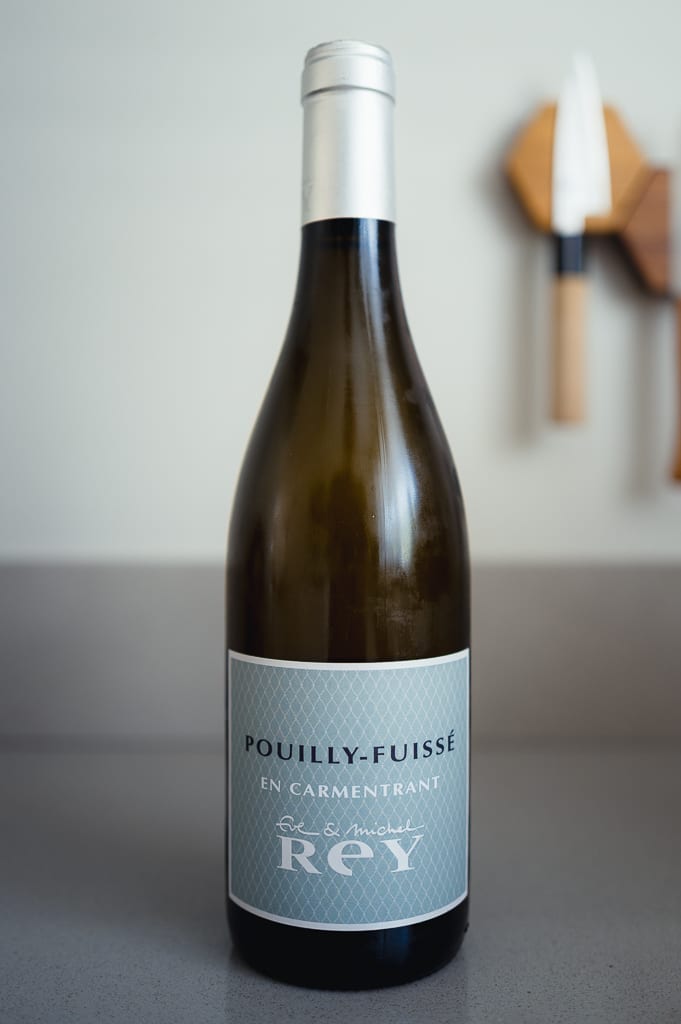
Domaine Eve & Michel Rey | Pouilly-Fuissé ‘En Carmentrant’ 2023
Domaine Rey in Vergisson is small, organic, and run by Eve and Michel Rey. Their ‘En Carmentrant’ plot has east-west orientation and three different soil types: hard limestone (A Gryphées), softer soil, and a fertile limestone subsoil.
Light yellow-gold in the glass. Nose medium intense, opens with red and green apple, then acacia blossom and a touch of butterscotch. Wet-stone minerality comes through directly. With air: ripe peach and nectarine.
Dry on the palate, medium body, refreshing acidity, light creaminess. Peach and apple up front, flint underneath. Medium finish, clean.
Honest organic cuvée. No fuss, and parity with bottles costing twice as much.
Importer: Wijnadvies and Grandcru Wijnen · Price: €24.99
Link: wijnadvies.nl · grandcruwijnen.nl
Château de La Chaize | Pouilly-Fuissé 2022
A historic estate with vines averaging 50 years. Clay soil, stainless steel vinification, ageing split between steel and oak barrels.
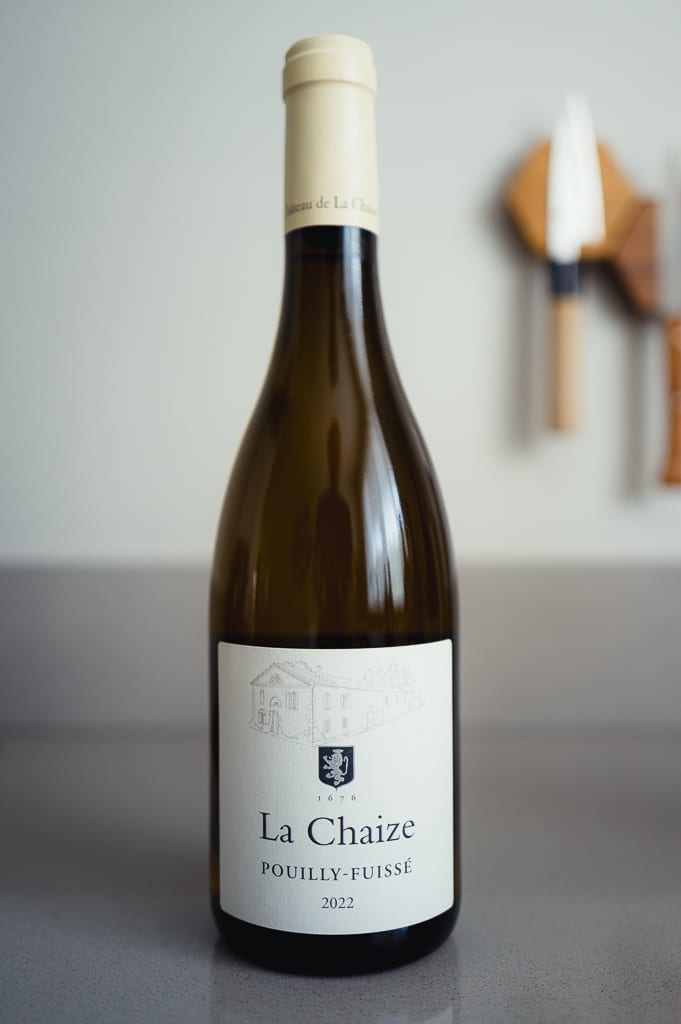
Medium yellow-gold. Nose opens warm: ripe peach and smoked red apple. Wet stone, toast and butter from the oak. Underneath: nutmeg, cinnamon, a hint of dried Mediterranean herbs.
Dry, medium-plus body, well-balanced acidity. Peach and apple up front, flint persists. The oak is woven in, not pasted on. Medium-plus finish.
Wine that holds richness and freshness in balance. Carefully made.
Importer: The Winelist · Price: €34
Link: winelist.nl
Domaine Jacques Saumaize | Pouilly-Fuissé ‘Les Vieilles Vignes’ 2022
Les Vieilles Vignes blends four plots on the south-facing slopes of the Solutré rock, two of them premier crus. Soil: marl and limestone rubble. Jacques and Nathalie Saumaize work just over 3 hectares here, 4 in Saint-Véran, half a hectare in Mâcon-Bussières. Members of “Les Artisans Vignerons de Bourgogne du Sud”, with hand-harvesting as principle.
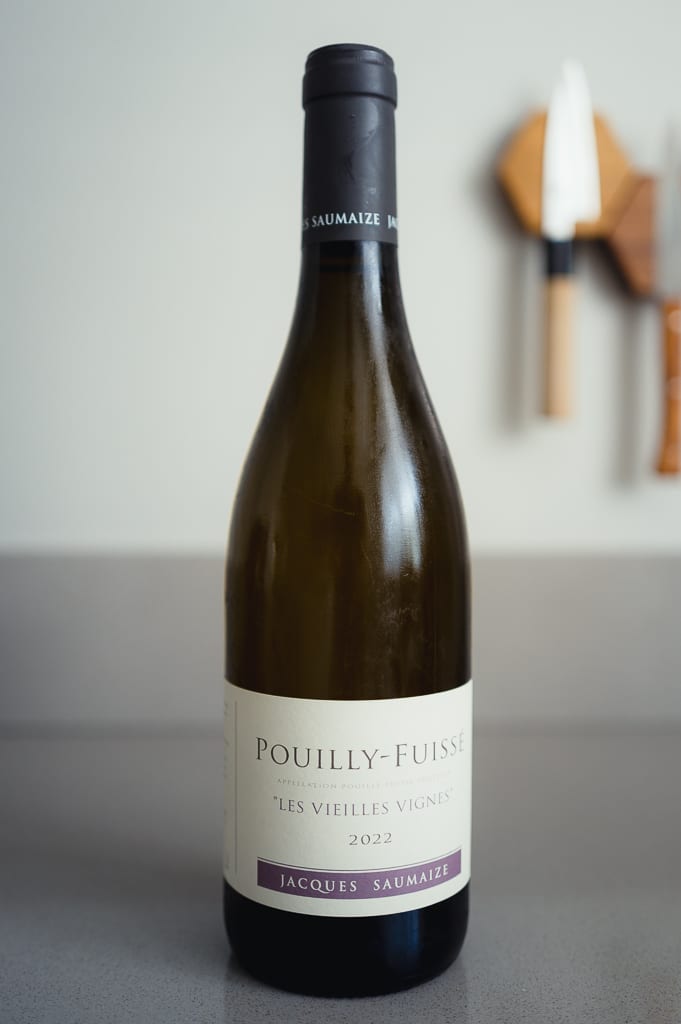
Medium yellow-gold. Nose medium intense, complex: green apple, lemon zest, lime. With air, ripe peach and apricot, light toast and a hint of cedarwood and dried herbs.
Dry, medium body, well balanced. Green apple and citrus up front, then riper stone fruit. The oak sits lightly under the fruit. Medium finish, fresh.
Clear expression of the terroir. Freshness and richness in balance.
Importer: Wijnkoperij Luuc van Boort · Price: €32.20
Link: vanboort.nl
Domaine des Deux Roches | Pouilly-Fuissé ‘Vieilles Vignes’ 2022
The top cuvée from Collovray and Terrier comes from vines between 60 and 90 years old. Less fruit, more concentration. Vinified and aged in oak barrels.
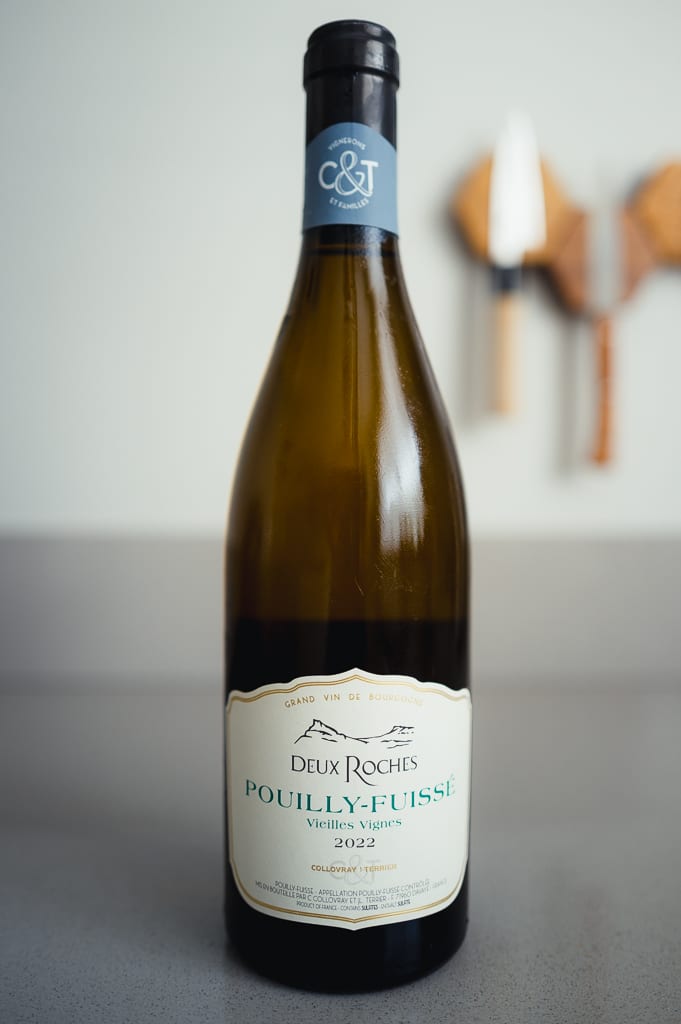
Rich yellow-gold. Nose broad and complex: baked apple, ripe peach, butter and cream from the oak. Underneath, wet stone, rosemary, thyme. Lemon and lime zest, hint of acacia, cinnamon, sage.
Dry, full body, medium-plus acidity that keeps the richness in check. Mouth-filling. The interplay between fruit, oak and minerality holds. Long finish with butterscotch and warm spice.
A wine that evolves in the glass. The kind of concentration old vines reward you with.
Importer: Okhuysen · Price: €34.50
Link: okhuysen.nl
Maison Verget | Pouilly-Fuissé ‘Le Haut de la Roche’ 2022
Jean-Marie Guffens of Maison Verget argues that ‘Le Haut de la Roche’, high on the hill near La Roche Vergisson, deserves premier cru rank. Hand-harvested Chardonnay, slowly raised on the lees.
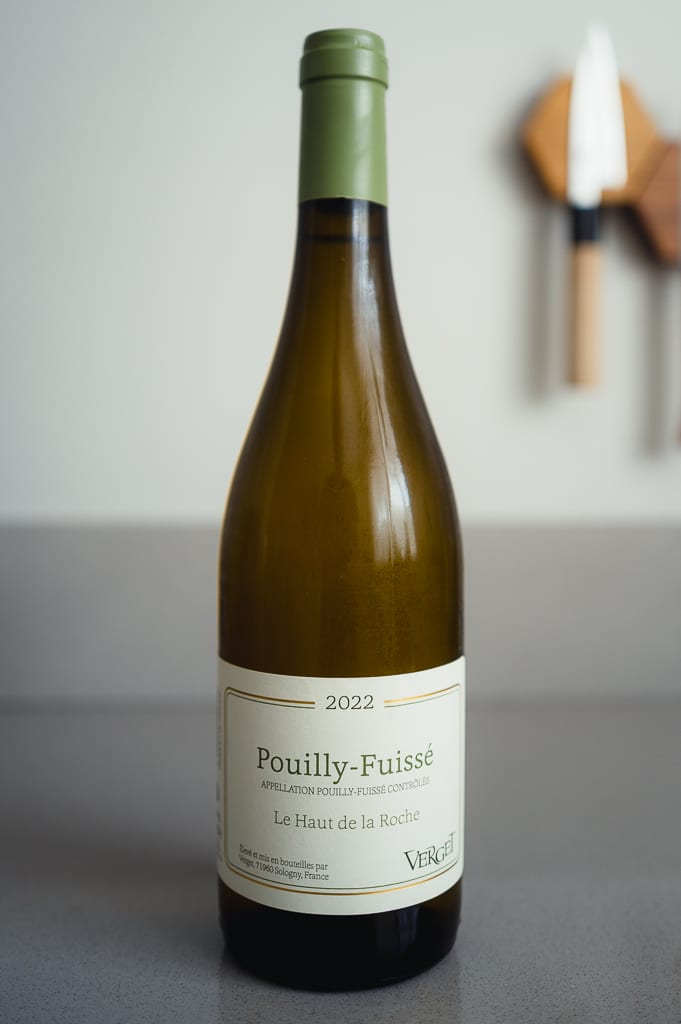
Light lemon-gold, young. Nose initially closed and needs time. Underneath: lemon, green apple, wet stone. A hint of peach, a whisper of nectarine.
Dry with high acidity, bracingly fresh. The palate is tightly wound: lemon, lime, a touch of ripe peach. Medium finish with a chalky echo.
Too young now, but the skeleton is there. High acidity and mineral character point to cooler, high-altitude terroir. Give it two to three years.
Importer: Okhuysen · Price: €48.95
Link: okhuysen.nl
Domaine des Trois Dames | Pouilly-Fuissé 2022
A name that keeps coming up in the appellation: Simon Ravaud and his young Domaine des 3 Dames. About 6.5 hectares in Solutré, in the shadow of the Roche. Started in 2014 using plots belonging to three different ladies, hence the name. Vines planted in the 1970s, chalk-and-marl soil, 11 months on 25% new oak.
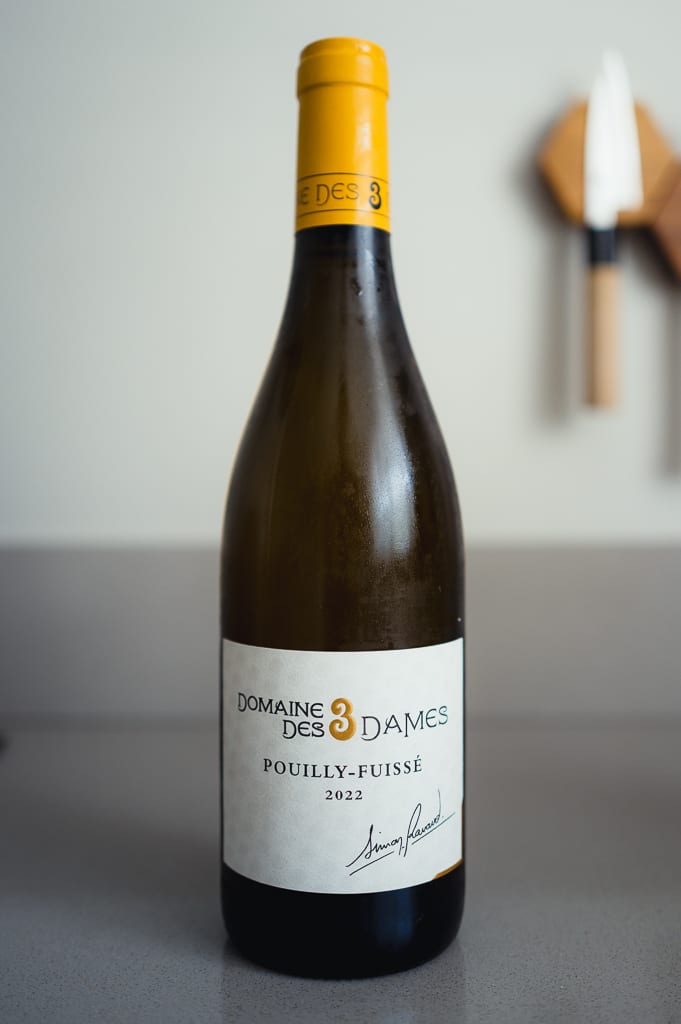
Light yellow-gold with a green hint. Nose medium intense but complex: ripe peach and apricot, then red apple, pineapple and passion fruit. Rosemary as savoury counterweight. Creamy oak notes, present but not loud. With air: nutmeg, cinnamon, hazelnut, a yeasty tone, fresh grass.
Dry, medium-plus, well balanced. Aromas return on the palate, with white pepper on the finish. Creamy yet fresh texture. Long finish.
Complex without being complicated. Pure fruit from careful work in the vineyard.
Importer: Karakter wijnimport / wijnkoperij-europa.nl · Price: €36.95
Link: karakterwijnimport.nl
Domaine de la Croix Senaillet | Pouilly-Fuissé 2022
Father Maurice Martin started the estate in 1969. Brothers Richard and Stéphane Martin run it now. Their “Signatures Martin” cuvées chase terroir expression.
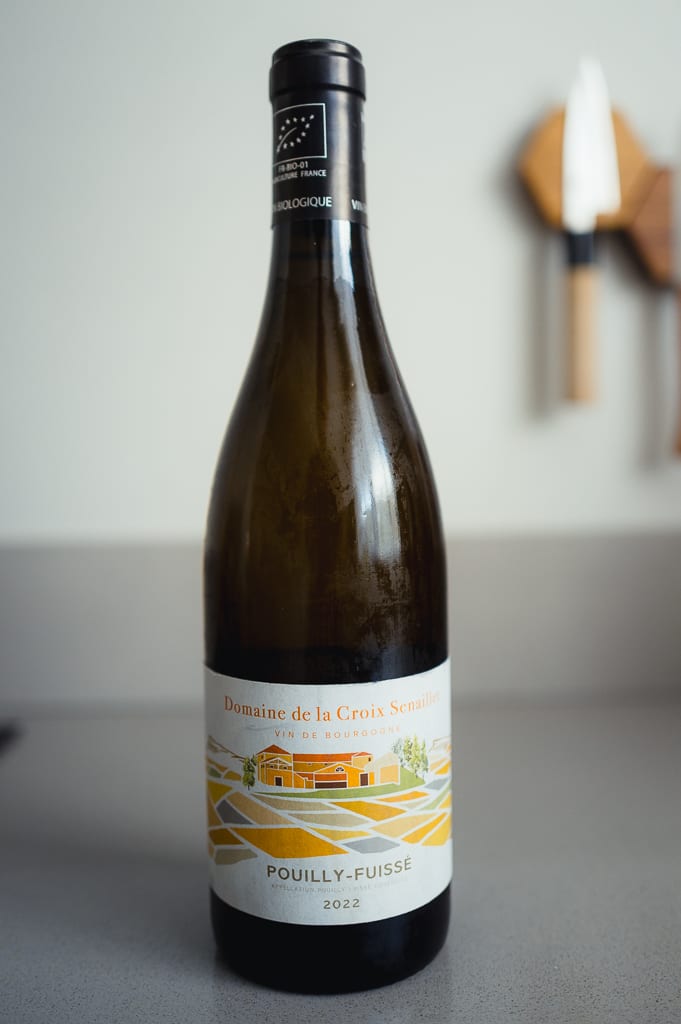
Medium yellow-gold. Expressive nose: ripe peach and apricot, red apple, wet stone. A creamy note and a hint of oak. With air, rosemary appears.
Full-bodied and fresh on the palate, with a spicy edge. Medium acidity, good balance. Sage, white pepper, a touch of white tea. Stone fruit and apple carry through, mineral spine intact. Long finish.
Elegant wine, not over-complicated, well made.
Importer: Karakter wijnimport / wijnkoperij-europa.nl · Price: €37.50
Link: karakterwijnimport.nl
Domaine Dominique Cornin | Pouilly-Fuissé ‘Les Plessys’ 2021
Vines planted between 1920 and 1998, Guyot pruning, hand-picked. Fermentation 12 months in a mix of 600-litre demi-muids and 228-litre Bourguignonnes. Then another 12 months on fine lees in stainless steel. No fining, minimal filtration. Organic.
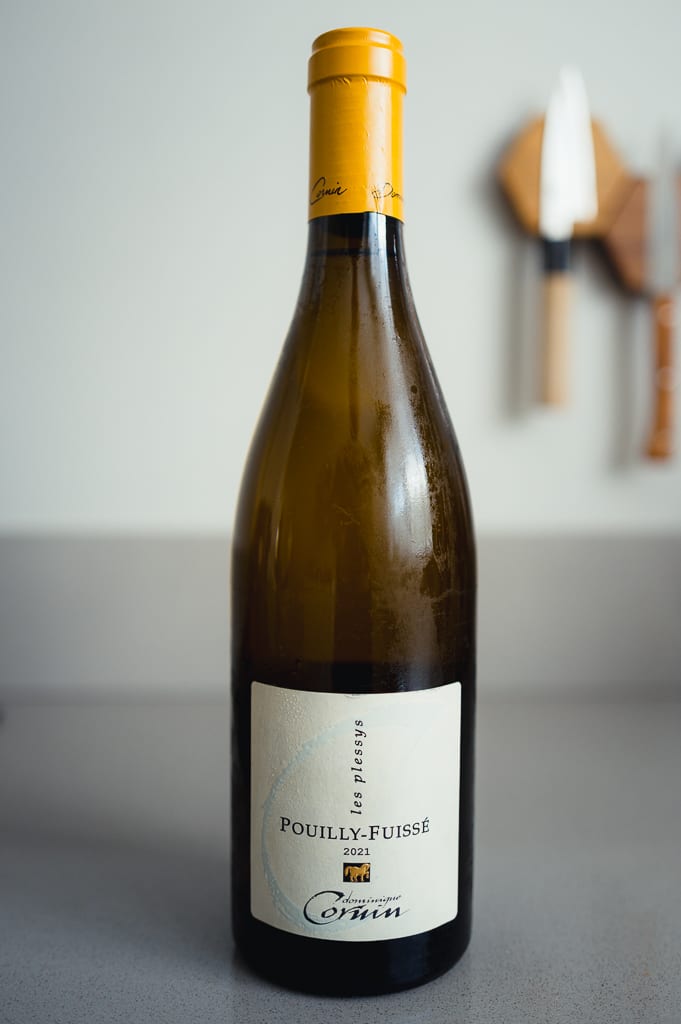
Medium yellow-gold. Nose medium intense, complex: ripe peach and nectarine, wet stone, toast, butter, coconut. With air, pineapple, nutmeg, a wild-herb note that recalls wild rosemary.
Fresh and lively on the palate, fruit and minerality in balance. Medium acidity, full body. Tropical and stone fruit interweave, mineral throughout. Light sage. Medium finish, clean and slightly austere.
Serious, well-structured wine. The rustic edge gives it personality without breaking the elegance.
Importer: Best of Wines · Price: €38.66
Link: bestofwines.nl
Alexis Pollier | Pouilly-Fuissé 2022
Alexis made his first vintage in 2015 at age 21 and was picked up by Decanter straight away. He works biodynamically in a fresh, pure style with plenty of citrus and a honey layer on the finish.
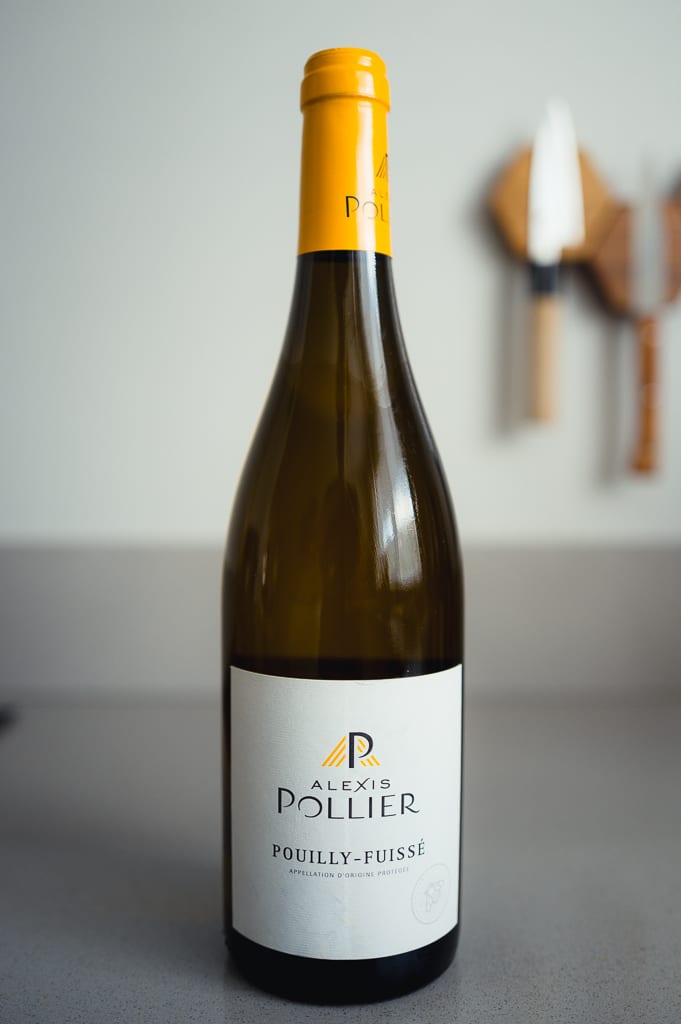
Light yellow-gold. Expressive nose: butterscotch and ripe pineapple up front, then red apple and an almond character that recalls marzipan. Lime and lemon bring freshness, ripe peach rounds it off.
Medium-plus body, well-balanced acidity. Butterscotch and tropical notes lead, almond persists, citrus cuts through. Medium-plus finish with ripe fruit and subtle sweetness.
Accessible, harmonious, clean. A wine that works on first sip.
Importer: Le Vineur · Price: €31.95
Link: levineur.com
Château de Lavernette | Pouilly-Fuissé ‘J.J. de Boissieu’ 2022
Demeter, biodynamic, vin nature. On the border of Burgundy and Beaujolais, between Leynes and Chaintré. Vines 51 years old, south-southwest slopes, clay and limestone. Hand-harvested.
Medium yellow-gold. Nose medium intense, complex and shifting: ripe peach, apricot, pineapple. A pastry-like quality recalling apple pie and marzipan. Rosemary and an unusual white-tea note. With air, black pepper, wet stone, butter and toast.
Dry, full-bodied, high acidity for balance. Mouth-filling, with the complex nose returning on the palate. The acidity parries the rich fruit. Spicy, herbal finish, impressively long with mineral and spice.
Top wine of the line-up. Biodynamics here delivers purity and expression without compromise.
Importer: Pieksman · Price: €35.50
Link: pieksman-wijnwinkel.myshopify.com
Domaine de la Sarazinière | Pouilly-Fuissé VII 2021
The estate’s first Pouilly-Fuissé, made from 40-year-old Chardonnay across 7 plots in Fuissé. Hand-harvested, gently pressed, fermented with native yeasts. Aged 12 to 18 months. Clay and limestone. Cellars around 10 years.
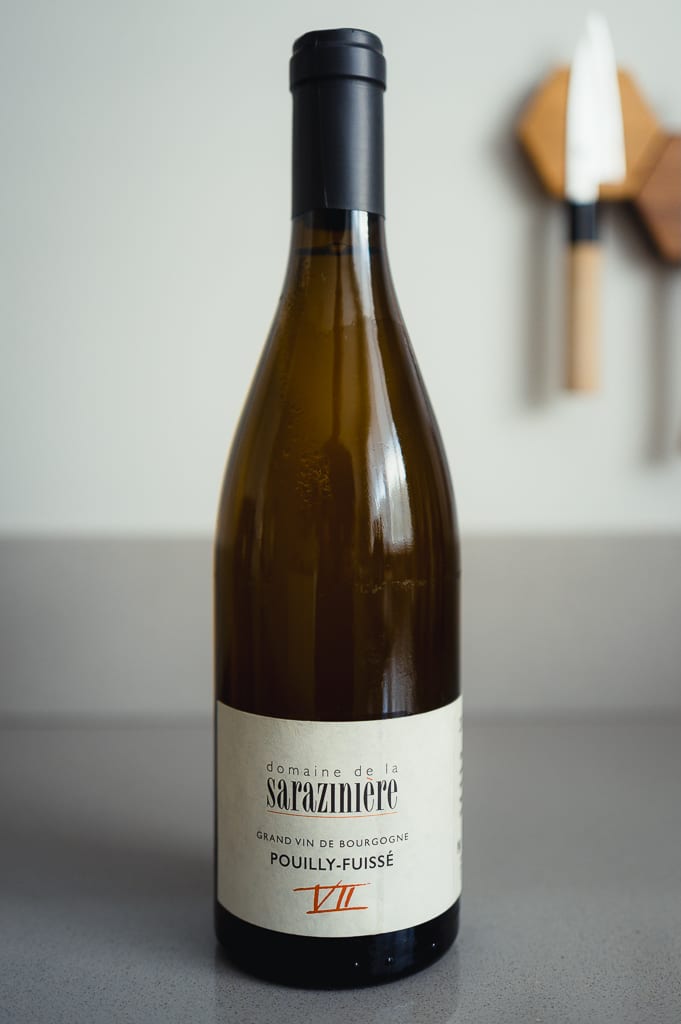
Medium yellow-gold. Wide, complex nose: caramel and butterscotch up front, then red apple, ripe peach, apricot. Lime and lemon zest bring lift, wet stone gives mineral spine. With air: toast, cream, butter, plus a touch of hay and fresh grass. Light cinnamon.
Dry with a spicy edge. Medium-plus body, medium-plus acidity. Caramel and butterscotch lead, ripe fruit follows. Citrus cuts through. Medium-plus finish with toast, cream, butter, red apple, chamomile and light yeast.
The caramel notes give it its own signature within the appellation. A wine still developing in bottle.
Importer: Artisan Wines · Price: €34.95
Link: artisanwines.nl
Domaine de la Creuze Noire | Pouilly-Fuissé ‘Le Clos de Monsieur Noly’ 1er Cru 2022
The “Clos de Monsieur Noly” lieu-dit is one of the 22 climats granted premier cru status under the 2020 INAO ruling. Once owned by poet Alphonse de Lamartine. Rocky soil that lets Chardonnay aromatics develop in balance.
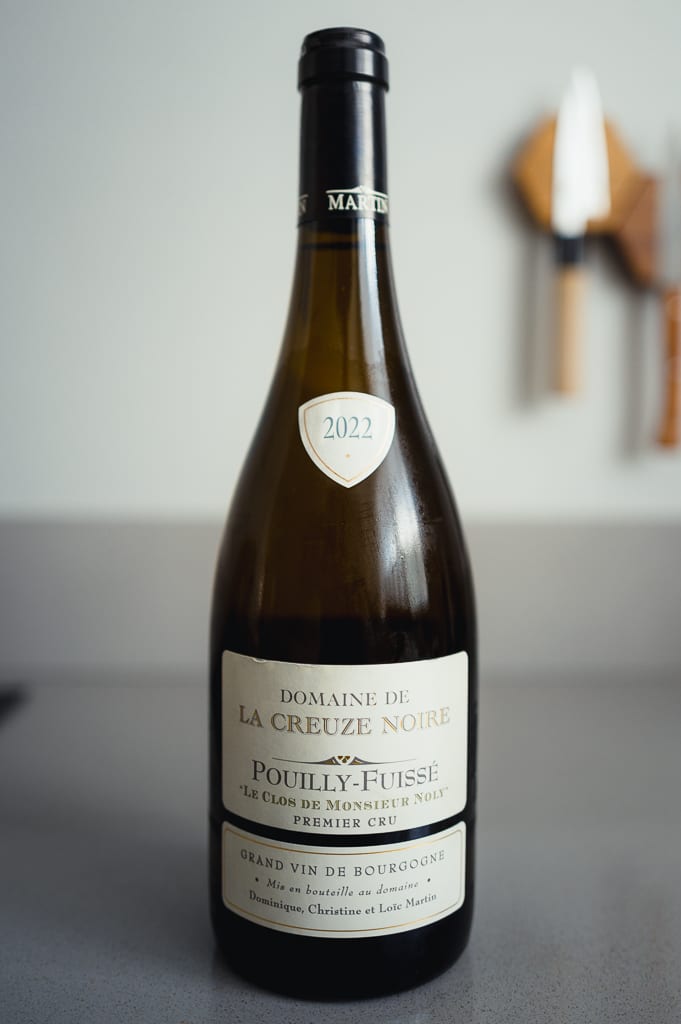
Medium yellow-gold. Wide nose: ripe peach, nectarine, apricot, with an unexpected red cherry. Pineapple and green apple build the fruit layer. Pronounced wet stone. With air: nutmeg, toast, a hint of smoke, plus almond and hazelnut.
Dry and fresh, mouth-filling. Medium acidity, full body. Stone and tropical fruit lead, wet stone persists. Long finish with rosemary, sage, thyme, and a touch of white pepper and cinnamon.
Rich, Mediterranean-leaning wine with a serious frame. One of my favourites of the line-up.
Importer: Colaris · Price: €34.50
Link: colaris.nl
Maison André Goichot | Pouilly-Fuissé 1er Cru ‘Le Clos Reyssier’ 2021
From the top of the 493-metre Solutré rock, you look back 200 million years at the golden wave of the appellation. Grapes pressed immediately after harvest, alcoholic and malolactic fermentation in oak barrels, around 12 months ageing before bottling.
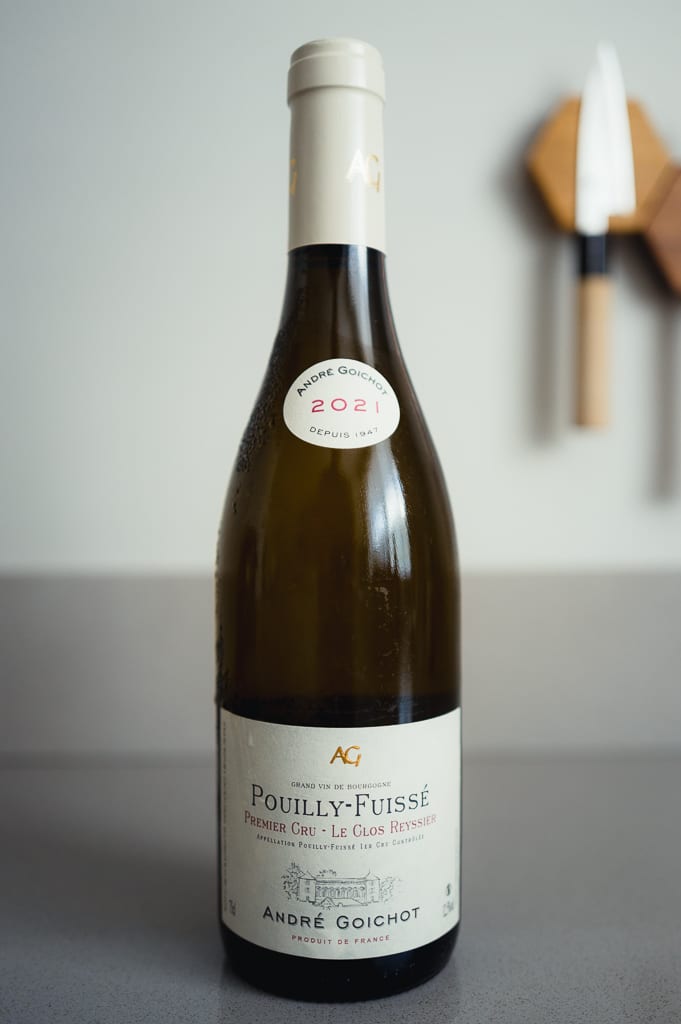
Medium yellow-gold. Wide, complex nose: butterscotch and vanilla from the oak, ripe red apple and apricot. Rosemary, a hint of smoke. With air: nutmeg, sour cherry, almond, hazelnut. Light yeast and cheese from the lees. Kumquat and lychee. White tea and chamomile. Wet stone, red clay.
Dry, medium-plus acidity, long finish. The oak gives a light tannic frame. Flavour follows the nose. Herbs and minerality keep the tension. A touch of coconut on the finish.
Complete, gastronomic, full Burgundy character. Accessible and skilled at the same time.
Importer: Sjatoo · Price: €39.95
Link: sjatoo.nl
Château des Rontets | Clos Varambon Pouilly-Fuissé 2021
Vines from 1945 (oldest) to 1996 (youngest), on a slope high above Fuissé. Fabio Montrasi and Claire Gazeau farm organically with biodynamic principles. Clay and limestone over granite.
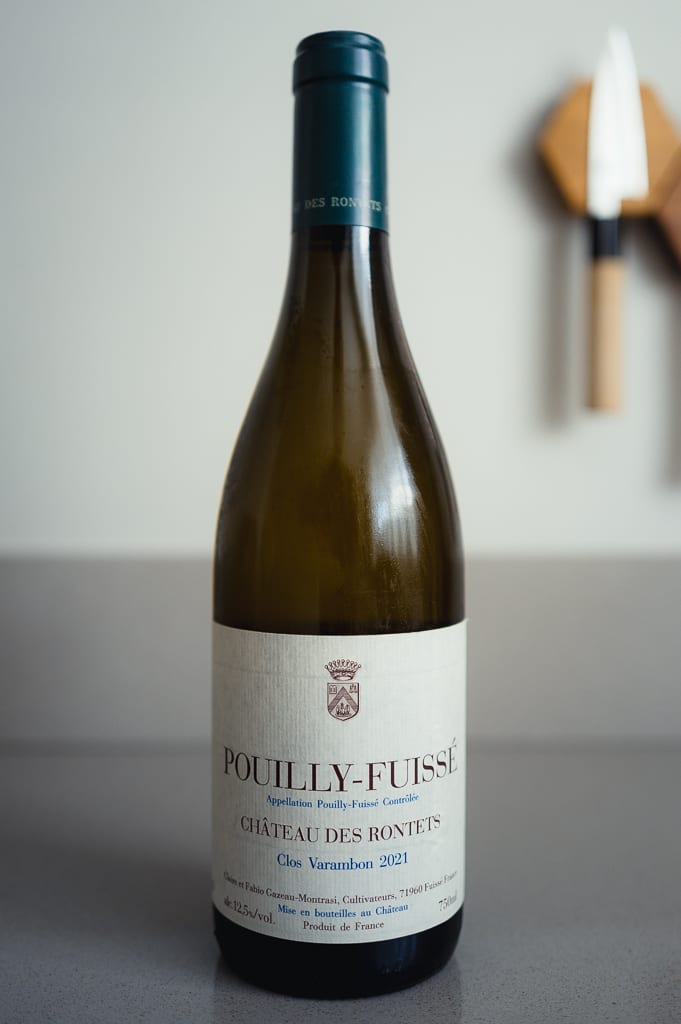
Medium yellow-gold. Full nose: red apple, acacia, orange blossom, and an unusual hint of red tulip. Nectarine and apricot fill the fruit core, pineapple and coconut bring tropical lift. Subtle vanilla and toast from the oak. Rosemary and thyme, pronounced wet stone. Lemon, lime zest, orange peel, grapefruit.
Dry and full-bodied, palate follows the complex nose. Medium-plus acidity for balance. Hay, almond, hazelnut, a surprising touch of sour kiwi. Long, elegant finish.
A grown-up wine with a fine touch. Oak that brushes without grabbing. Recommended.
Importer: Au Paradis · Price: €43.50
Link: au-paradis.nl
What the fourteen showed
Two bottles stood above the rest, and neither did it with oak. Château de Lavernette and Domaine des Trois Dames both carry power and finesse in the same glass, and both come from estates that correct little in the cellar. At the other end, the Verget at €48.95 was the most expensive wine of the line-up and the least ready to drink, which is a fair reminder that price and pleasure are separate things here.
The cheapest bottle, the Rey at €24.99, held its own against wines at double the money. That is the value lesson of this appellation in a single comparison.
Pouilly-Fuissé and food
Its body and acidity make it flexible at the table. Reliable matches:
- Seafood: seared scallops, lobster, or sole meunière
- Poultry: roast chicken or guinea fowl with herbs
- Cheese: soft, creamy styles such as Brie or Camembert
- Vegetarian: mushroom risotto or a roasted vegetable tart
The richer, oak-aged bottles handle cream sauces and truffle well. Leaner Vergisson wines suit raw shellfish and ceviche.
How long does Pouilly-Fuissé age?
Most village wines drink well from two to five years. Serious named-village and premier cru bottles reward five to ten years, sometimes longer, trading fresh fruit for dried fruit, nuts and honey along the way. Cheaper, high-volume bottlings are built for early drinking and gain nothing from the cellar. Store lying down, in the dark, around 12°C.
Frequently asked questions
What is the difference between Pouilly-Fuissé and Chablis?
Both are unblended Chardonnay from Burgundy, but they sit at opposite ends of the style. Pouilly-Fuissé, from the warm south, is rounder and riper with more obvious fruit and body. Chablis, from the cool north, is leaner, higher in acid, with a flinty edge. Same grape, different climate and terroir.
What is the difference between Pouilly-Fuissé and Pouilly-Fumé?
Nothing beyond the rhyme. Pouilly-Fuissé is Chardonnay from the Mâconnais in Burgundy. Pouilly-Fumé is Sauvignon Blanc from the Loire, grown on flint that gives it its smoky (fumé) signature. The second word tells you which grape is in the glass.
Is Pouilly-Fuissé always oaked?
No. Oak use is a stylistic choice, and growers split on it. Some ferment and age in stainless steel or older barrels to keep the fruit and minerality clean; others use new oak for a richer, toastier profile. If you dislike heavy oak, ask the merchant or check the producer’s style before buying.
How do you pronounce Pouilly-Fuissé?
Roughly “poo-yee fwee-SAY”. The ll sounds like a y, and the stress lands on the final é, said like “ay”. Pouilly-Fumé is “poo-yee foo-MAY”.
What sets a premier cru apart from a village wine?
The 22 premier cru climats sit on the best-exposed slopes with the oldest vines and the leanest limestone soils. They deliver more concentration, minerality and ageing potential, and the climat name appears next to the appellation on the label. Expect to pay fifty percent more or beyond.
Why does a wine from Vergisson taste different from one from Fuissé?
Vergisson sits higher and cooler, with more limestone in the soil, which gives tighter, mineral wines with bright acidity. Fuissé lies lower and warmer on clay-richer ground, producing rounder, fuller wines. Same grape, a few kilometres apart, two different glasses.
Are the premier cru prices since 2020 justified?
Partly. The best climats earn their premium through concentration and ageing potential. But the classification also pushed up prices on wines that do not always reach that level. A good village wine, or a neighbour from Saint-Véran, often gives you more for your money.
What can I drink instead of Pouilly-Fuissé?
Saint-Véran and Mâcon-Villages are the obvious neighbours, similar style, lower price. For more cut, a village Chablis. For the same richness from elsewhere, a good Limoux Chardonnay or an Oregon Chardonnay.
Sources
- BIVB, Pouilly-Fuissé appellation: bourgogne-wines.com
- INAO, AOC Pouilly-Fuissé (1936) and Cahier des charges Premier Cru (decree 18-09-2020): inao.gouv.fr
- Union des Producteurs du Pouilly-Fuissé, overview of the 22 premier cru climats: pouilly-fuisse.org
- Roche de Solutré (493 m, Solutréan geology): grandsitedesolutre.fr
This guide is based on press samples supplied by various importers. No payment was involved and the assessments are independent.